
Orthopedic Diagnostic Tools
Orthopedic Diagnostic Tools encompass a wide range of instruments and techniques used in the field of orthopedics to assess musculoskeletal conditions, injuries, and disorders. These tools are crucial for healthcare professionals to accurat…
Orthopedic Diagnostic Tools encompass a wide range of instruments and techniques used in the field of orthopedics to assess musculoskeletal conditions, injuries, and disorders. These tools are crucial for healthcare professionals to accurately diagnose patients and develop appropriate treatment plans. Understanding the key terms and vocabulary associated with orthopedic diagnostic tools is essential for healthcare practitioners, researchers, and students pursuing a career in orthopedics.
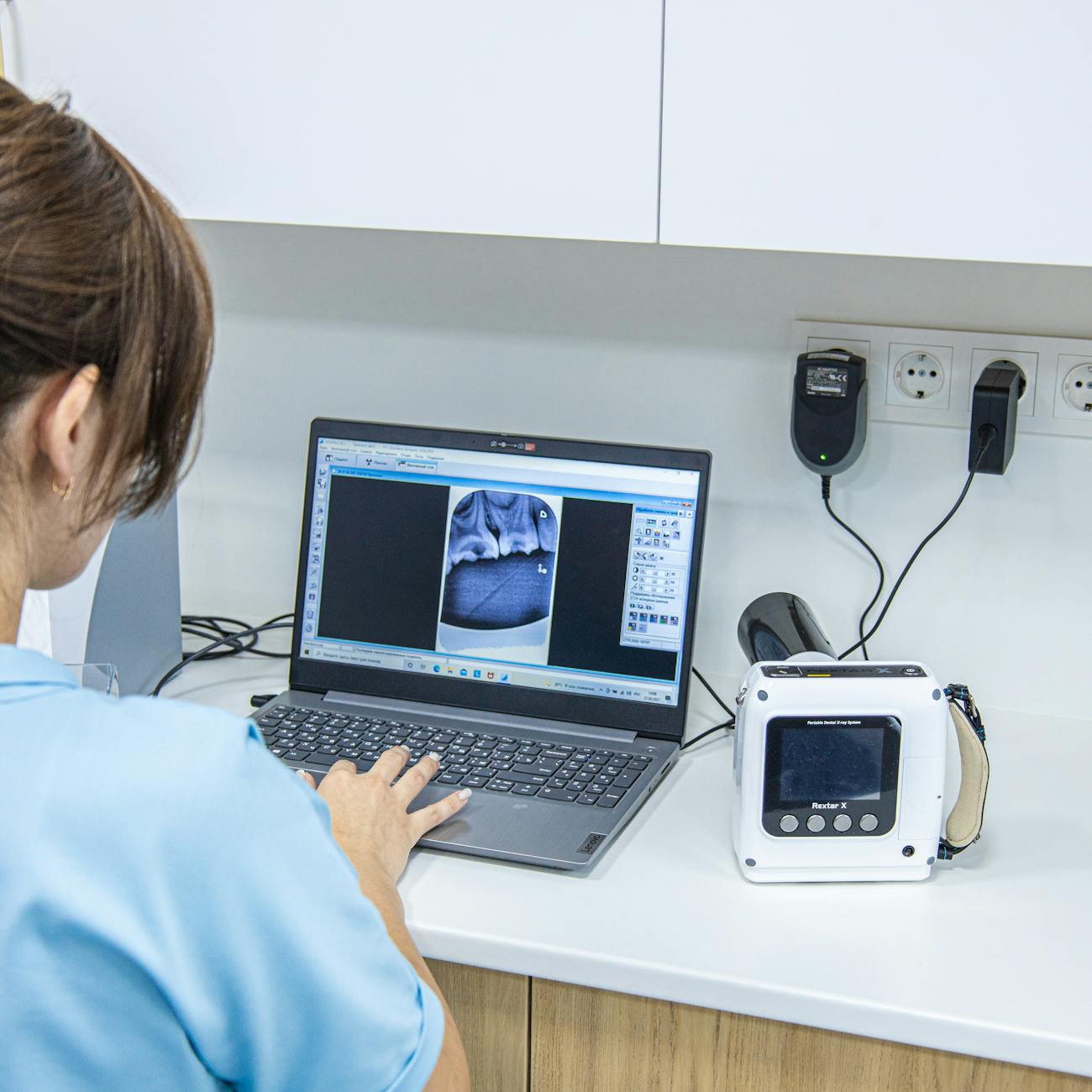
1. Radiography: Radiography is a commonly used diagnostic tool in orthopedics that uses X-rays to create images of bones and joints. It is valuable in identifying fractures, dislocations, arthritis, and other bone abnormalities. Radiography is a quick and cost-effective imaging technique, making it a go-to tool for initial assessments in orthopedic cases.
2. Magnetic Resonance Imaging (MRI): MRI is a non-invasive imaging technique that uses strong magnetic fields and radio waves to produce detailed images of soft tissues, such as ligaments, tendons, and cartilage. It is highly effective in diagnosing conditions like ligament tears, tendon injuries, and joint abnormalities. MRI provides excellent contrast resolution, making it a valuable tool for comprehensive orthopedic evaluations.
3. Computed Tomography (CT) Scan: A CT scan is a diagnostic tool that uses X-rays to create cross-sectional images of bones and surrounding tissues. It is particularly useful for assessing complex fractures, joint abnormalities, and spinal conditions. CT scans offer detailed 3D reconstructions, providing healthcare providers with valuable insights for surgical planning and treatment decisions.
4. Ultrasound: Ultrasound imaging uses high-frequency sound waves to create real-time images of soft tissues and internal structures. In orthopedics, ultrasound is often used to assess tendon injuries, muscle tears, and joint effusions. It is a dynamic and cost-effective imaging modality that can aid in guiding injections and assessing soft tissue abnormalities.
5. Bone Densitometry: Bone densitometry, also known as Dual-Energy X-ray Absorptiometry (DEXA) scan, measures bone mineral density to assess bone strength and risk of fractures. It is commonly used to diagnose osteoporosis and monitor treatment effectiveness in patients at risk of bone-related conditions. Bone densitometry plays a crucial role in preventive orthopedics by identifying individuals at high risk of fractures.
6. Arthroscopy: Arthroscopy is a minimally invasive surgical procedure that involves inserting a small camera into a joint to visualize and diagnose internal joint structures. It is commonly used in orthopedics to evaluate and treat conditions like meniscus tears, cartilage injuries, and ligament damage. Arthroscopy allows for precise diagnosis and targeted interventions, minimizing surgical invasiveness and promoting faster recovery.
7. Electromyography (EMG): EMG is a diagnostic tool that measures the electrical activity of muscles and nerves. It is utilized in orthopedics to evaluate conditions such as muscle disorders, nerve injuries, and neuropathies. EMG can help differentiate between muscle and nerve-related symptoms, guiding treatment decisions and rehabilitation strategies for patients with musculoskeletal disorders.
8. Gait Analysis: Gait analysis is a method used to assess the way a person walks or runs. It involves evaluating various parameters such as stride length, foot pressure distribution, and joint movements to identify abnormalities in gait patterns. In orthopedics, gait analysis is valuable for diagnosing conditions like gait abnormalities, muscle weakness, and joint dysfunction. It can aid in designing personalized treatment plans and orthotic interventions to improve mobility and function.
9. Traction: Traction is a therapeutic technique used in orthopedics to apply a controlled pulling force to a limb or the spine. It is commonly used to align fractures, reduce dislocations, and relieve pressure on the spine. Traction can help stabilize injured bones, reduce pain, and facilitate the healing process in orthopedic patients. Different types of traction, such as skin traction and skeletal traction, are utilized based on the specific clinical scenario.
10. Range of Motion (ROM) Testing: ROM testing involves assessing the extent of movement in a joint to evaluate flexibility, strength, and function. It is a fundamental component of orthopedic examinations to identify limitations, stiffness, or abnormalities in joint mobility. ROM testing plays a crucial role in diagnosing conditions like arthritis, tendon contractures, and ligament injuries. It helps healthcare providers develop tailored treatment plans and monitor progress during rehabilitation.
11. Provocative Testing: Provocative testing is a diagnostic technique used to reproduce symptoms or signs of a specific musculoskeletal condition. It involves applying certain maneuvers or stress tests to the affected area to elicit pain, instability, or other abnormal responses. Provocative testing is valuable in diagnosing conditions like ligament injuries, joint instability, and nerve compression syndromes. It helps healthcare providers confirm diagnoses and determine appropriate treatment strategies based on patient responses.
12. Blood Tests: Blood tests are used in orthopedics to assess various biomarkers, such as inflammatory markers, enzymes, and antibodies related to musculoskeletal conditions. They can help diagnose infections, autoimmune disorders, and metabolic bone diseases. Blood tests play a role in monitoring disease progression, treatment responses, and overall health status in orthopedic patients. Examples include C-reactive protein (CRP) for inflammation and creatine kinase (CK) for muscle damage.
13. Diagnostic Injection: Diagnostic injections involve injecting medications or contrast agents into specific structures, such as joints or soft tissues, to assess pain sources and confirm diagnoses. They can help differentiate between different causes of pain, such as arthritis, bursitis, or nerve compression. Diagnostic injections are valuable in guiding treatment decisions, determining the need for surgical interventions, and predicting outcomes in orthopedic patients.
14. Tinel's Sign: Tinel's sign is a physical examination maneuver used to assess nerve irritation or compression. It involves tapping or pressing on a specific nerve pathway to elicit tingling or electric shock-like sensations in the distribution of the nerve. Tinel's sign is commonly used in diagnosing conditions like carpal tunnel syndrome, cubital tunnel syndrome, and peripheral nerve injuries. It helps healthcare providers localize nerve pathology and develop targeted management strategies for nerve-related disorders.
15. McMurray Test: The McMurray test is a clinical test used to evaluate meniscal tears in the knee joint. It involves manipulating the knee joint while applying rotational and compressive forces to reproduce symptoms associated with meniscus injuries. The McMurray test is valuable in diagnosing meniscal tears, assessing joint stability, and guiding treatment decisions in patients with knee pain or mechanical symptoms. It helps healthcare providers determine the extent of meniscal damage and plan appropriate interventions, such as arthroscopic surgery.
16. Ottawa Ankle Rules: The Ottawa Ankle Rules are a set of clinical criteria used to determine the need for X-rays in patients with ankle injuries. They help healthcare providers identify individuals at low risk of fractures who may not require imaging studies, reducing unnecessary radiation exposure and healthcare costs. The Ottawa Ankle Rules consider specific criteria, such as bony tenderness and inability to bear weight, to guide decision-making in the management of ankle injuries. Adhering to these rules can streamline diagnostic processes and optimize resource utilization in orthopedic settings.
17. Lachman Test: The Lachman test is a physical examination maneuver used to assess the integrity of the anterior cruciate ligament (ACL) in the knee. It involves stabilizing the femur while applying anterior force to the tibia to detect abnormal laxity or translation of the tibia relative to the femur. The Lachman test is a sensitive and specific tool for diagnosing ACL injuries, particularly in acute settings. It helps healthcare providers determine the extent of ligament damage, plan appropriate treatment strategies, and prevent long-term complications in patients with knee instability.
18. Osteochondral Lesion: An osteochondral lesion is a focal defect involving both the articular cartilage and underlying bone. It can result from trauma, repetitive microtrauma, or underlying joint conditions. Osteochondral lesions are common in weight-bearing joints like the knee and ankle, leading to pain, swelling, and joint dysfunction. Diagnostic tools such as MRI and arthroscopy are used to assess osteochondral lesions, determine their size and location, and guide treatment decisions, including debridement, microfracture, or osteochondral transplantation.
19. Trendelenburg Test: The Trendelenburg test is a clinical assessment used to evaluate hip abductor strength and function. It involves asking the patient to stand on one leg while observing for pelvic drop on the unsupported side. A positive Trendelenburg sign, indicating pelvic tilt towards the unsupported side, suggests weakness or dysfunction of the hip abductor muscles, such as the gluteus medius. The Trendelenburg test is valuable in diagnosing hip abductor insufficiency, gait abnormalities, and hip joint pathology. It helps healthcare providers design rehabilitation programs and interventions to improve hip stability and function in patients with hip-related conditions.
20. Tegner Activity Scale: The Tegner Activity Scale is a self-reported questionnaire used to assess the activity level of individuals participating in sports or physical activities. It assigns numerical values to different levels of physical activity, ranging from sedentary lifestyle to elite competitive sports. The Tegner Activity Scale helps healthcare providers understand patients' activity profiles, monitor changes in activity levels over time, and guide treatment recommendations based on activity restrictions or modifications. It is a valuable tool in orthopedics for evaluating functional outcomes, setting realistic goals, and optimizing rehabilitation strategies for patients recovering from musculoskeletal injuries or surgeries.
Key takeaways
- Understanding the key terms and vocabulary associated with orthopedic diagnostic tools is essential for healthcare practitioners, researchers, and students pursuing a career in orthopedics.
- Radiography: Radiography is a commonly used diagnostic tool in orthopedics that uses X-rays to create images of bones and joints.
- Magnetic Resonance Imaging (MRI): MRI is a non-invasive imaging technique that uses strong magnetic fields and radio waves to produce detailed images of soft tissues, such as ligaments, tendons, and cartilage.
- Computed Tomography (CT) Scan: A CT scan is a diagnostic tool that uses X-rays to create cross-sectional images of bones and surrounding tissues.
- Ultrasound: Ultrasound imaging uses high-frequency sound waves to create real-time images of soft tissues and internal structures.
- Bone Densitometry: Bone densitometry, also known as Dual-Energy X-ray Absorptiometry (DEXA) scan, measures bone mineral density to assess bone strength and risk of fractures.
- Arthroscopy: Arthroscopy is a minimally invasive surgical procedure that involves inserting a small camera into a joint to visualize and diagnose internal joint structures.