
Pain Management
Pain Management in the post-anesthesia care unit (PACU) is a crucial aspect of patient care as it plays a significant role in ensuring patient comfort, safety, and overall recovery. In this course, we will explore key terms and vocabulary r…
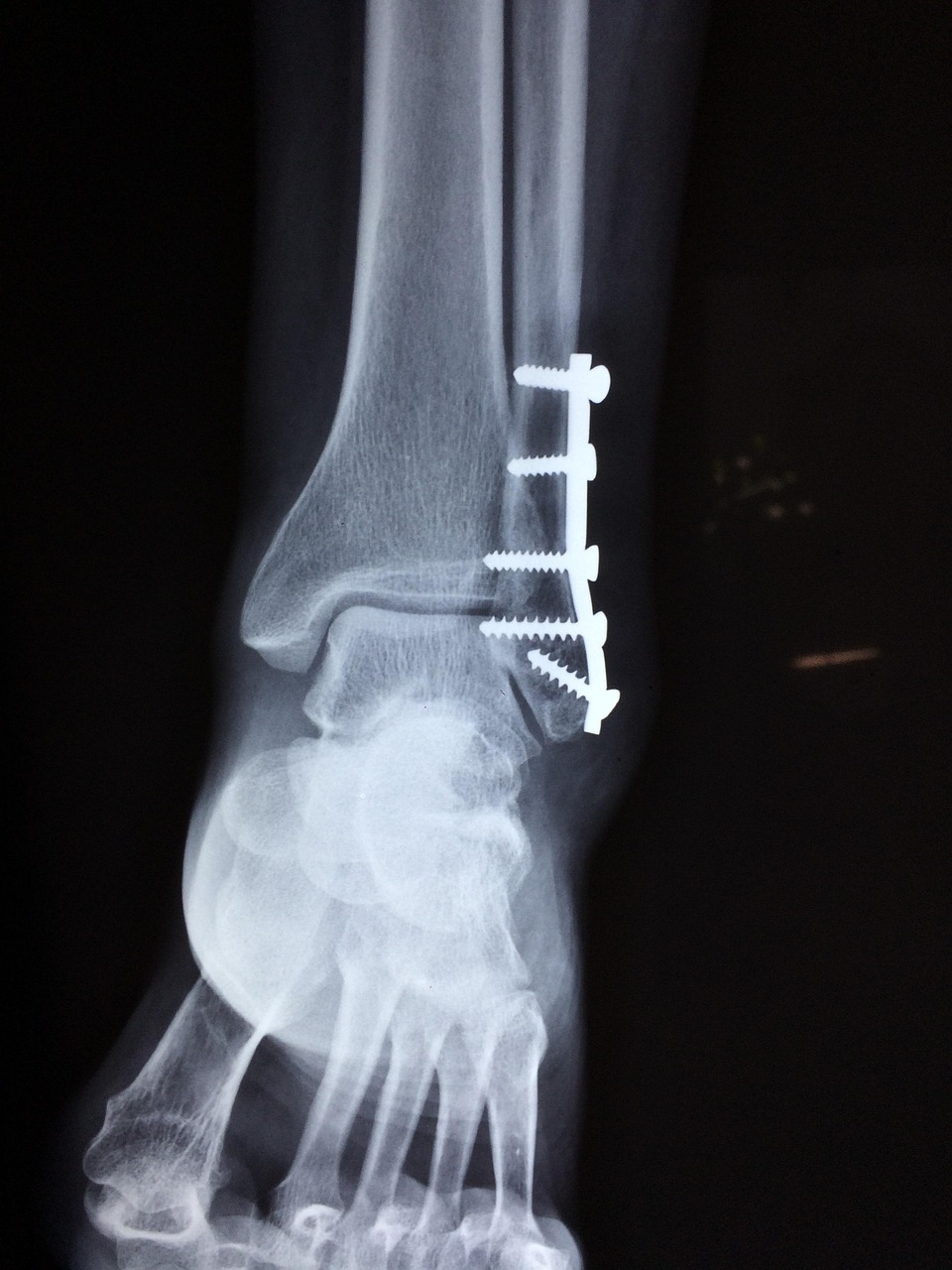
Pain Management in the post-anesthesia care unit (PACU) is a crucial aspect of patient care as it plays a significant role in ensuring patient comfort, safety, and overall recovery. In this course, we will explore key terms and vocabulary related to Pain Management in the PACU to enhance your understanding and proficiency in this area.
1. Pain: - Pain is defined as an unpleasant sensory and emotional experience associated with actual or potential tissue damage. It is a subjective experience that varies from person to person and can be influenced by various factors such as culture, past experiences, and psychological state.
2. Acute Pain: - Acute pain is pain that is typically sudden in onset and short-lived, lasting for a few days to weeks. It is often a result of tissue damage or injury and serves as a warning signal to the body. Acute pain is usually well-localized and responds well to treatment.
3. Chronic Pain: - Chronic pain is pain that persists for a prolonged period, usually more than three months. It can be caused by a variety of factors such as injury, disease, or nerve damage. Chronic pain can significantly impact a patient's quality of life and often requires a multidisciplinary approach to management.
4. Nociceptive Pain: - Nociceptive pain is pain that arises from actual or threatened damage to non-neural tissue and is due to the activation of nociceptors. It is typically sharp, aching, or throbbing in nature and is often well-localized. Nociceptive pain is responsive to traditional pain medications such as nonsteroidal anti-inflammatory drugs (NSAIDs) and opioids.
5. Neuropathic Pain: - Neuropathic pain is pain that results from damage or dysfunction of the nervous system. It is often described as burning, shooting, or electric shock-like in nature and can be difficult to localize. Neuropathic pain is usually chronic and may require specialized treatments such as anticonvulsants or tricyclic antidepressants.
6. Multimodal Analgesia: - Multimodal analgesia is an approach to pain management that involves using a combination of analgesic medications or techniques to target multiple pain pathways. By using different mechanisms of action, multimodal analgesia can provide more effective pain relief with fewer side effects compared to a single analgesic approach.
7. Patient-Controlled Analgesia (PCA): - Patient-controlled analgesia is a method of pain management that allows patients to self-administer small doses of pain medication through a programmable infusion pump. PCA systems are commonly used in the PACU to provide patients with more control over their pain management while ensuring safe administration of medications.
8. Regional Anesthesia: - Regional anesthesia involves the injection of local anesthetic agents near nerves to block sensation in a specific area of the body. Common types of regional anesthesia include epidurals, nerve blocks, and spinal anesthesia. Regional anesthesia can provide effective pain relief both during and after surgery.
9. Nonpharmacological Pain Management: - Nonpharmacological pain management techniques are methods of pain relief that do not involve the use of medications. Examples include relaxation techniques, distraction therapy, physical therapy, and acupuncture. Nonpharmacological interventions can be used alone or in combination with pharmacological treatments to enhance pain control.
10. Breakthrough Pain: - Breakthrough pain is a transient flare of pain that occurs despite the use of around-the-clock analgesic therapy. It is often sudden in onset and can be triggered by movement, coughing, or other activities. Breakthrough pain requires prompt intervention to prevent escalation and improve patient comfort.
11. Pain Assessment: - Pain assessment is the systematic evaluation of a patient's pain experience, including intensity, location, quality, and impact on daily activities. Various pain assessment tools such as the numerical rating scale (NRS) or visual analog scale (VAS) are used to quantify pain and guide treatment decisions.
12. Opioid Tolerance: - Opioid tolerance is a phenomenon in which a patient requires higher doses of opioids to achieve the same level of pain relief over time. Tolerance can develop with prolonged opioid use and may necessitate dose adjustments or alternative pain management strategies.
13. Adjuvant Analgesics: - Adjuvant analgesics are medications that are not primarily designed for pain relief but have analgesic properties when used in specific pain conditions. Examples include antidepressants, anticonvulsants, and muscle relaxants. Adjuvant analgesics are often used in combination with traditional pain medications to optimize pain control.
14. Pain Reassessment: - Pain reassessment involves regularly evaluating a patient's pain status to determine the effectiveness of current pain management interventions. Reassessment should be performed at regular intervals or in response to changes in the patient's condition to ensure adequate pain control.
15. Sedation: - Sedation is the use of medications to induce a state of calmness, relaxation, or sleepiness in patients. Sedatives are commonly used in the PACU to manage anxiety, agitation, or discomfort and can be administered orally, intravenously, or through inhalation.
16. Adverse Effects: - Adverse effects are unwanted or harmful reactions that can occur as a result of medication or treatment. Common adverse effects of pain medications include nausea, constipation, dizziness, and respiratory depression. Healthcare providers should monitor patients closely for adverse effects and take appropriate measures to minimize risks.
17. Pain Scales: - Pain scales are standardized tools used to quantify and communicate a patient's pain intensity. Common pain scales include the numerical rating scale (NRS), visual analog scale (VAS), and Wong-Baker FACES Pain Rating Scale. Pain scales help healthcare providers assess pain levels accurately and tailor treatment accordingly.
18. Epidural Analgesia: - Epidural analgesia is a type of regional anesthesia that involves the insertion of a catheter into the epidural space to deliver continuous pain medication. Epidural analgesia is commonly used for pain management during labor and delivery, as well as after surgery to provide long-lasting pain relief.
19. Pain Threshold: - Pain threshold is the point at which a person first perceives a sensation as painful. Pain thresholds can vary among individuals and are influenced by genetic, psychological, and environmental factors. Understanding a patient's pain threshold can help healthcare providers customize pain management strategies for optimal outcomes.
20. Pain Tolerance: - Pain tolerance is the maximum level of pain that a person is willing or able to endure. Pain tolerance can be influenced by factors such as past experiences, cultural beliefs, and coping mechanisms. Healthcare providers should consider a patient's pain tolerance when developing a personalized pain management plan.
21. Transdermal Analgesics: - Transdermal analgesics are medications that are absorbed through the skin to provide systemic pain relief. Common transdermal analgesics include fentanyl patches and lidocaine patches. Transdermal analgesics offer the advantage of sustained drug delivery and can be a convenient option for patients requiring long-term pain management.
22. Pain Management Plan: - A pain management plan is a comprehensive approach to addressing a patient's pain needs, including assessment, treatment goals, interventions, and follow-up care. A personalized pain management plan should consider the patient's preferences, medical history, and treatment response to optimize pain control and improve outcomes.
23. Placebo Effect: - The placebo effect is a phenomenon in which a patient experiences a positive response to a treatment that has no therapeutic effect. The placebo effect is influenced by factors such as the patient's expectations, beliefs, and the healthcare provider's communication. Understanding the placebo effect is important in pain management to distinguish between true treatment effects and psychological responses.
24. Nonsteroidal Anti-Inflammatory Drugs (NSAIDs): - Nonsteroidal anti-inflammatory drugs (NSAIDs) are a class of medications that reduce inflammation, pain, and fever by inhibiting the production of prostaglandins. Common NSAIDs include ibuprofen, naproxen, and aspirin. NSAIDs are often used for mild to moderate pain relief and can be effective in combination with other analgesics.
25. Tolerance: - Tolerance refers to the diminished response to a medication or substance over time, requiring higher doses to achieve the same effect. Tolerance can develop with prolonged opioid use or repeated exposure to certain medications. Healthcare providers should monitor patients for signs of tolerance and adjust treatment as needed to maintain effective pain control.
26. Physical Dependence: - Physical dependence is a state in which the body adapts to the presence of a medication and experiences withdrawal symptoms when the medication is discontinued. Physical dependence can occur with certain pain medications, especially opioids, and does not necessarily indicate addiction. Healthcare providers should differentiate between physical dependence and addiction when managing pain.
27. Opioid-induced Hyperalgesia: - Opioid-induced hyperalgesia is a paradoxical phenomenon in which long-term opioid use can increase a patient's sensitivity to pain. It is characterized by worsening pain despite escalating opioid doses and can complicate pain management. Healthcare providers should be aware of opioid-induced hyperalgesia and consider alternative treatment approaches in affected patients.
28. Intermittent Analgesia: - Intermittent analgesia involves administering pain medications at specified intervals rather than continuously. Intermittent analgesia can be used for patients with predictable pain patterns or as a supplement to around-the-clock analgesic therapy. Healthcare providers should ensure appropriate dosing and monitoring with intermittent analgesia to maintain adequate pain control.
29. PCA by Proxy: - PCA by proxy is a practice in which family members or caregivers administer PCA medications on behalf of the patient. While PCA by proxy can provide support to patients who are unable to self-administer, it requires clear communication, education, and supervision to prevent medication errors and ensure patient safety.
30. Intraoperative Analgesia: - Intraoperative analgesia refers to the administration of pain medications during surgery to prevent or manage postoperative pain. Various techniques such as regional anesthesia, intravenous opioids, and local anesthetics can be used for intraoperative analgesia. Effective intraoperative analgesia can reduce the need for postoperative pain medications and improve recovery outcomes.
31. Pain Diary: - A pain diary is a tool used by patients to track their pain levels, triggers, and responses to pain management interventions. A pain diary can help patients communicate their pain experience to healthcare providers, identify patterns or trends in pain, and monitor the effectiveness of treatment strategies over time. Encouraging patients to keep a pain diary can enhance collaboration and optimize pain management outcomes.
32. Adjuvant Therapy: - Adjuvant therapy refers to additional treatments or interventions used in conjunction with primary therapies to enhance their effectiveness. In pain management, adjuvant therapy may include physical therapy, psychological interventions, or complementary therapies such as acupuncture or massage. Adjuvant therapy can address underlying causes of pain, improve coping mechanisms, and optimize overall pain control.
33. Pain Pathways: - Pain pathways are neural circuits that transmit and modulate pain signals from the periphery to the brain. The main pain pathways include the spinothalamic tract, trigeminothalamic tract, and spinoreticular tract. Understanding pain pathways is essential in developing targeted pain management strategies and selecting appropriate analgesic interventions for different types of pain.
34. Titration: - Titration is the process of adjusting medication doses based on a patient's response to achieve optimal pain relief with minimal side effects. In pain management, titration involves starting with a low dose of analgesic and gradually increasing or decreasing the dose until the desired pain control is achieved. Titration allows healthcare providers to individualize treatment and address changing pain needs effectively.
35. End-of-Dose Failure: - End-of-dose failure occurs when a patient experiences breakthrough pain towards the end of a scheduled medication dose. It can be a sign of inadequate pain control or short-acting medication formulations. Healthcare providers should assess for end-of-dose failure and consider alternative dosing strategies or medications to prevent recurrence and optimize pain management.
36. Hyperalgesia: - Hyperalgesia is an increased sensitivity to pain, resulting in a heightened response to painful stimuli. Hyperalgesia can occur as a result of nerve damage, inflammation, or prolonged opioid use. Recognizing hyperalgesia is important in pain management to adjust treatment approaches and prevent exacerbation of pain symptoms.
37. Procedural Sedation: - Procedural sedation involves the use of sedative medications to induce a state of relaxation and decreased awareness during medical procedures. Procedural sedation can help patients tolerate uncomfortable or painful procedures while maintaining safety and comfort. Healthcare providers should monitor patients closely during procedural sedation to ensure optimal pain management and minimize risks.
38. Pain Perception: - Pain perception is the subjective interpretation of pain signals by the brain, influenced by biological, psychological, and social factors. Pain perception can vary widely among individuals and can be modulated by emotions, expectations, and previous experiences. Understanding pain perception is essential in tailoring pain management strategies to address the unique needs of each patient effectively.
39. Adverse Drug Reactions: - Adverse drug reactions are harmful or unintended responses to medications that occur at therapeutic doses. Adverse drug reactions can manifest as side effects, allergic reactions, or drug interactions and can impact patient safety and treatment outcomes. Healthcare providers should be vigilant in monitoring for adverse drug reactions and taking appropriate measures to manage or prevent them in pain management.
40. Placebo-controlled Trial: - A placebo-controlled trial is a research study design in which one group of participants receives an inactive substance (placebo) while another group receives the active treatment. Placebo-controlled trials are used to evaluate the effectiveness of new medications or interventions by comparing them to a placebo. Understanding the design and implications of placebo-controlled trials is essential in interpreting the validity and reliability of research findings in pain management.
41. Psychosocial Factors: - Psychosocial factors are psychological and social influences that can affect a patient's pain experience and response to treatment. Common psychosocial factors include stress, anxiety, depression, social support, and cultural beliefs. Addressing psychosocial factors in pain management can improve treatment outcomes, enhance patient satisfaction, and promote holistic care.
42. Analgesic Ceiling Effect: - The analgesic ceiling effect refers to the maximum pain relief that can be achieved with a particular medication dose, beyond which increasing the dose does not provide additional benefits. Some analgesics, such as nonsteroidal anti-inflammatory drugs (NSAIDs), have a ceiling effect that limits their efficacy at higher doses. Healthcare providers should be aware of analgesic ceiling effects when selecting medications and dosing regimens to optimize pain control.
43. Breakthrough Medication: - Breakthrough medication is a rescue dose of pain medication given in addition to scheduled analgesic therapy to manage sudden or severe pain episodes. Breakthrough medication is used to address transient pain flares that occur despite regular pain management and is essential for maintaining adequate pain control. Healthcare providers should educate patients on when and how to use breakthrough medication to enhance pain relief and quality of life.
44. Pain Education: - Pain education involves providing patients with information about pain, its causes, management strategies, and expectations. Pain education empowers patients to participate in their pain management, make informed decisions, and advocate for their needs. Effective pain education can improve treatment adherence, reduce anxiety, and enhance patient outcomes in pain management.
45. Patient Satisfaction: - Patient satisfaction is a measure of a patient's overall experience with healthcare services, including pain management. Patient satisfaction reflects the quality of care, communication, pain relief, and outcomes achieved. Healthcare providers should prioritize patient satisfaction in pain management by addressing individual needs, concerns, and preferences to promote a positive patient-provider relationship and optimize treatment success.
46. Pain Documentation: - Pain documentation involves recording and tracking a patient's pain assessment, treatment interventions, response to therapy, and outcomes. Accurate and timely pain documentation is essential for monitoring pain trends, evaluating treatment effectiveness, and communicating with interdisciplinary team members. Healthcare providers should document pain assessments and interventions consistently to ensure continuity of care and quality pain management.
47. Pain Management Guidelines: - Pain management guidelines are evidence-based recommendations that outline best practices for assessing, treating, and monitoring pain in various clinical settings. Pain management guidelines provide healthcare providers with standardized approaches to pain care, help reduce practice variation, and improve patient outcomes. Healthcare organizations and regulatory bodies often develop and update pain management guidelines to promote safe, effective, and patient-centered care.
48. Placebo Response: - The placebo response is the improvement in symptoms or outcomes observed in patients who receive a placebo treatment due to psychological or contextual factors. The placebo response is a significant component of clinical trials and can influence the perceived effectiveness of active treatments. Understanding the placebo response is important in interpreting treatment effects, managing patient expectations, and optimizing pain management outcomes.
49. Pain Management Team: - The pain management team consists of healthcare professionals with specialized training in pain assessment, treatment, and rehabilitation. The pain management team may include physicians, nurses, pharmacists, physical therapists, psychologists, and other providers who collaborate to deliver comprehensive pain care. A multidisciplinary pain management team can offer diverse expertise, individualized care plans, and holistic approaches to address complex pain conditions and improve patient well-being.
50. Pain Control: - Pain control refers to the management of pain symptoms to achieve optimal relief and functional improvement. Effective pain control involves assessing pain levels, identifying underlying causes, implementing appropriate interventions, and monitoring treatment outcomes. The goal of pain control is to enhance patient comfort, promote healing, and restore quality of life while minimizing risks and side effects associated with pain management therapies.
Key takeaways
- Pain Management in the post-anesthesia care unit (PACU) is a crucial aspect of patient care as it plays a significant role in ensuring patient comfort, safety, and overall recovery.
- It is a subjective experience that varies from person to person and can be influenced by various factors such as culture, past experiences, and psychological state.
- Acute Pain: - Acute pain is pain that is typically sudden in onset and short-lived, lasting for a few days to weeks.
- Chronic pain can significantly impact a patient's quality of life and often requires a multidisciplinary approach to management.
- Nociceptive Pain: - Nociceptive pain is pain that arises from actual or threatened damage to non-neural tissue and is due to the activation of nociceptors.
- Neuropathic pain is usually chronic and may require specialized treatments such as anticonvulsants or tricyclic antidepressants.
- Multimodal Analgesia: - Multimodal analgesia is an approach to pain management that involves using a combination of analgesic medications or techniques to target multiple pain pathways.