
Introduction to Telemedicine
Telemedicine is the remote delivery of healthcare services using telecommunications technology. It allows healthcare providers to evaluate, diagnose, and treat patients at a distance using video conferencing, remote monitoring, and other fo…
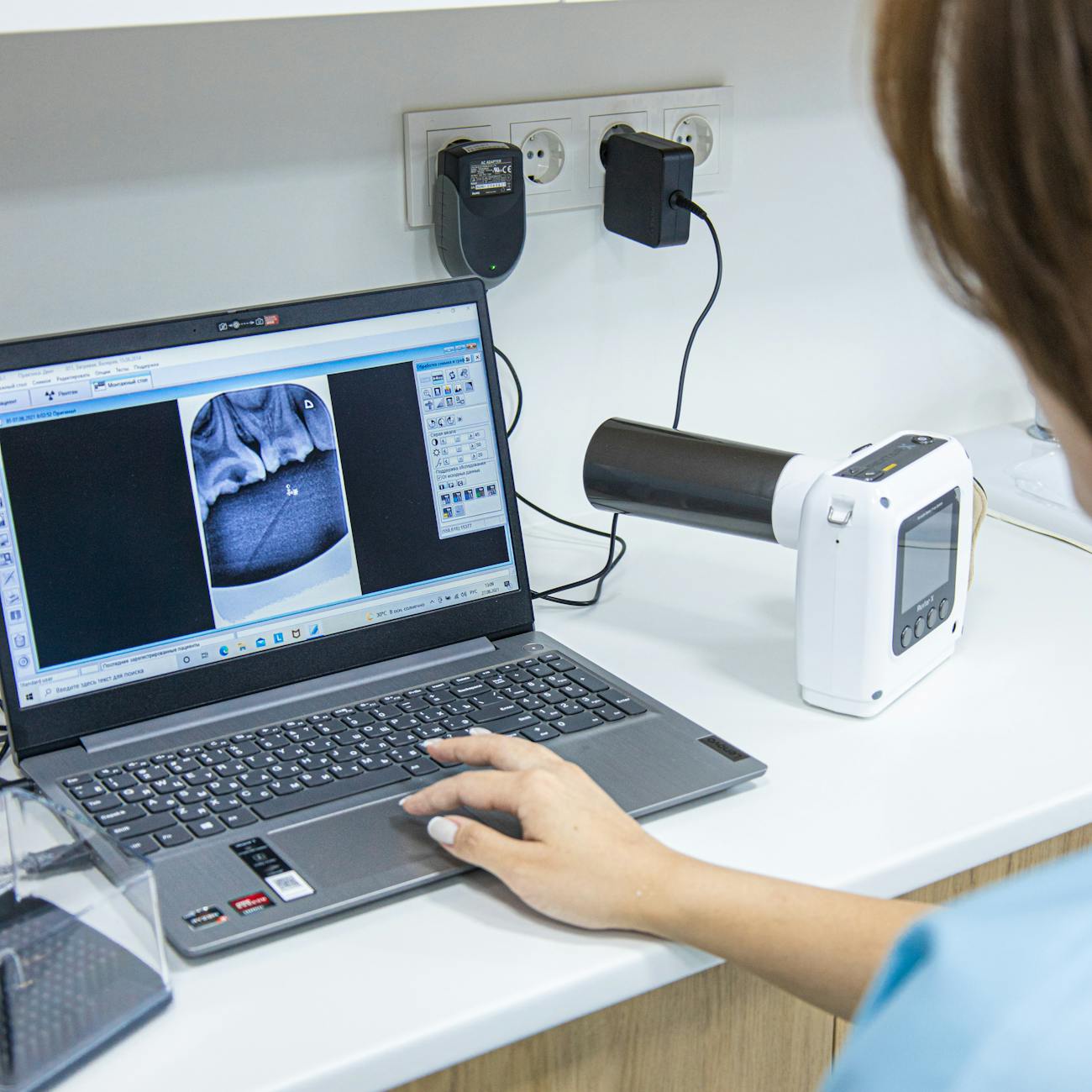
Telemedicine is the remote delivery of healthcare services using telecommunications technology. It allows healthcare providers to evaluate, diagnose, and treat patients at a distance using video conferencing, remote monitoring, and other forms of communication. Telemedicine has become increasingly popular due to its convenience, cost-effectiveness, and ability to reach patients in remote or underserved areas.
Telehealth is a broader term that encompasses not only clinical services but also non-clinical services such as education, research, and administrative meetings conducted remotely. While telemedicine refers specifically to the practice of medicine, telehealth includes a wider range of healthcare services delivered through technology.
Telepsychiatry is a subset of telemedicine that focuses on providing mental health services remotely. It allows psychiatrists and mental health professionals to conduct therapy sessions, prescribe medication, and provide other mental health services through video conferencing or other telecommunication technologies.
Asynchronous telemedicine involves the exchange of medical information between healthcare providers at different times. For example, a patient's medical records or diagnostic images may be sent to a specialist for review and consultation at a later time. Asynchronous telemedicine is especially useful for consultations that do not require real-time interaction.
Synchronous telemedicine involves real-time communication between healthcare providers and patients or between providers themselves. Video conferencing, telephone consultations, and live chat are examples of synchronous telemedicine. This form of telemedicine allows for immediate interaction and decision-making, similar to an in-person visit.
Remote patient monitoring (RPM) is a form of telemedicine that enables healthcare providers to monitor patients' vital signs, symptoms, and other health data remotely. RPM devices such as blood pressure monitors, glucose meters, and wearable sensors allow patients to transmit their health information to healthcare providers in real-time. This technology is especially beneficial for patients with chronic conditions who require continuous monitoring.
Store-and-forward telemedicine involves capturing and storing medical information (such as images, videos, or medical records) and then transmitting it to a healthcare provider for review at a later time. This method is commonly used for dermatology consultations, radiology imaging, and other specialties that require the analysis of visual data.
Teletriage is the process of determining the urgency of a patient's medical condition and directing them to the appropriate level of care using telecommunication technology. Healthcare providers can conduct triage assessments remotely through video conferencing, phone calls, or online chat, helping to prioritize patients based on their symptoms and needs.
Teleconsultation involves healthcare providers seeking advice or expertise from specialists or other colleagues through telecommunication technology. This allows for collaborative decision-making, second opinions, and access to specialized knowledge without the need for in-person consultations. Teleconsultation is particularly valuable in rural or underserved areas where access to specialists may be limited.
Telemonitoring is the continuous remote monitoring of a patient's health status using technology. Healthcare providers can track patients' vital signs, medication adherence, and other health indicators from a distance, allowing for early detection of changes in their condition and timely interventions. Telemonitoring is especially beneficial for patients with chronic diseases or those recovering from surgery.
Telemedicine platform is a software or system that facilitates the delivery of telemedicine services. These platforms typically include features such as secure video conferencing, electronic health record integration, appointment scheduling, and billing capabilities. Healthcare providers can use telemedicine platforms to conduct virtual visits, communicate with patients, and manage their practice remotely.
Telemedicine regulations refer to laws and guidelines that govern the practice of telemedicine, including licensure, reimbursement, privacy, and security requirements. Each state or country may have specific regulations related to telemedicine, which healthcare providers must adhere to when delivering remote care to patients. Understanding and complying with telemedicine regulations is crucial to ensuring legal and ethical practice.
Telemedicine reimbursement is the process by which healthcare providers receive payment for telemedicine services rendered to patients. Reimbursement policies vary by payer, including private insurance companies, Medicare, Medicaid, and other government programs. Providers must follow specific billing codes and documentation requirements to receive reimbursement for telemedicine visits, consultations, and monitoring services.
Telemedicine ethics are principles and guidelines that govern the ethical practice of telemedicine, including patient confidentiality, informed consent, professional boundaries, and quality of care. Healthcare providers engaging in telemedicine must adhere to ethical standards to ensure patient safety, privacy, and trust in the remote care they provide.
Telemedicine advantages include increased access to healthcare for patients in rural or underserved areas, reduced travel time and costs, improved patient engagement and satisfaction, and enhanced collaboration among healthcare providers. Telemedicine can also help alleviate healthcare disparities, improve health outcomes, and empower patients to take control of their health.
Telemedicine challenges include regulatory barriers, licensing restrictions, reimbursement limitations, technology barriers, data security concerns, and resistance to change from healthcare providers and patients. Overcoming these challenges requires collaboration between policymakers, healthcare organizations, technology vendors, and other stakeholders to ensure the widespread adoption and success of telemedicine.
Telemedicine future trends include the integration of artificial intelligence, virtual reality, and wearable devices into telemedicine platforms, the expansion of telepsychiatry and mental health services, the growth of remote patient monitoring for chronic disease management, and the development of telemedicine guidelines and standards to support its continued evolution. The future of telemedicine holds great promise for transforming the delivery of healthcare and improving patient outcomes worldwide.
Telemedicine best practices involve following evidence-based guidelines, maintaining clear communication with patients, ensuring privacy and security of health information, establishing protocols for emergencies and follow-up care, and continuously evaluating and improving telemedicine processes. By adhering to best practices, healthcare providers can deliver high-quality remote care that meets patient needs and enhances the overall healthcare experience.
Telemedicine applications span a wide range of medical specialties and healthcare settings, including primary care, specialty care, urgent care, mental health, dermatology, radiology, home health, and teletriage. Telemedicine can be used for routine consultations, follow-up visits, chronic disease management, medication management, and emergency care, among other clinical and non-clinical services.
Telemedicine technology encompasses a variety of tools and devices that enable remote healthcare delivery, such as video conferencing software, secure messaging platforms, electronic health records, telemonitoring devices, mobile apps, and telemedicine carts. These technologies help facilitate communication, data exchange, and coordination of care between healthcare providers and patients, regardless of their physical location.
Telemedicine education is essential for healthcare providers to learn how to effectively use telemedicine technology, comply with regulations and guidelines, maintain patient privacy and confidentiality, and provide high-quality remote care. Training programs, webinars, conferences, and certifications can help healthcare professionals develop the knowledge and skills needed to succeed in telemedicine practice.
Telemedicine research involves studying the impact of telemedicine on healthcare delivery, patient outcomes, cost-effectiveness, provider satisfaction, and other key metrics. Research in telemedicine can help identify best practices, inform policy decisions, guide technology development, and advance the field of remote healthcare delivery. Ongoing research is critical to expanding the evidence base for telemedicine and driving innovation in the field.
Telemedicine adoption refers to the uptake and use of telemedicine services by healthcare providers, patients, healthcare organizations, payers, and policymakers. Increasing adoption of telemedicine requires addressing barriers to implementation, promoting awareness and education, demonstrating the value of remote care, and integrating telemedicine into existing healthcare systems. By fostering widespread adoption, telemedicine can improve access to care, enhance patient outcomes, and transform the healthcare landscape.
Telemedicine scalability refers to the ability of telemedicine programs to expand and grow to meet the needs of a larger patient population, healthcare network, or geographic area. Scalability is essential for ensuring the long-term sustainability and impact of telemedicine initiatives, as demand for remote care continues to increase. Healthcare organizations must design telemedicine programs that can be easily scaled up or down based on changing needs and resources.
Telemedicine interoperability is the seamless exchange of health information between different telemedicine systems, electronic health records, devices, and healthcare providers. Interoperability enables data sharing, care coordination, and communication across multiple platforms and networks, allowing for a more integrated and efficient telemedicine experience. Standardized protocols, data formats, and interfaces are key to achieving interoperability in telemedicine.
Telemedicine quality assurance involves monitoring and evaluating the performance, safety, and effectiveness of telemedicine services to ensure high standards of care. Quality assurance measures may include patient satisfaction surveys, clinical outcome assessments, adherence to clinical guidelines, technology reliability checks, and peer reviews. By maintaining quality assurance processes, healthcare providers can deliver consistent, evidence-based care through telemedicine.
Telemedicine privacy and security are critical considerations for protecting patient information, maintaining confidentiality, and preventing unauthorized access to sensitive health data. Telemedicine platforms must adhere to strict security standards, encryption protocols, and data protection measures to safeguard patient privacy during remote consultations. Compliance with privacy regulations such as HIPAA is essential for ensuring the secure transmission and storage of health information in telemedicine.
Telemedicine patient engagement involves actively involving patients in their care, promoting self-management, and fostering a collaborative relationship between patients and healthcare providers through telecommunication technology. Patient engagement strategies may include shared decision-making, education, goal setting, remote monitoring, and communication tools that empower patients to take control of their health and participate in their treatment plan. Engaging patients in telemedicine can lead to improved outcomes, increased satisfaction, and better adherence to treatment recommendations.
Telemedicine cost-effectiveness is the ability of telemedicine to deliver high-quality care at a lower cost compared to traditional in-person visits. Telemedicine can reduce travel expenses, missed work days, hospital readmissions, and unnecessary emergency room visits, leading to overall cost savings for patients, healthcare providers, and payers. By maximizing efficiency, reducing overhead, and increasing access to care, telemedicine can offer a cost-effective solution for delivering healthcare services remotely.
Telemedicine innovation involves the development of new technologies, strategies, and approaches to improve the delivery of remote healthcare services. Innovations in telemedicine may include the use of artificial intelligence for diagnostic support, virtual reality for patient education, telemonitoring for real-time data analysis, and telepresence robots for remote examinations. By embracing innovation, healthcare providers can enhance the quality, accessibility, and efficiency of telemedicine and drive advancements in the field.
Telemedicine challenges and opportunities must be carefully considered to ensure successful implementation and adoption of remote healthcare services. While challenges such as regulatory barriers, technology limitations, and reimbursement issues may hinder the growth of telemedicine, opportunities for expanding access to care, improving patient outcomes, and reducing healthcare costs make it an attractive solution for the future of healthcare delivery. By addressing challenges and leveraging opportunities, healthcare providers can harness the full potential of telemedicine to transform the way healthcare is delivered and experienced.
Key takeaways
- It allows healthcare providers to evaluate, diagnose, and treat patients at a distance using video conferencing, remote monitoring, and other forms of communication.
- Telehealth is a broader term that encompasses not only clinical services but also non-clinical services such as education, research, and administrative meetings conducted remotely.
- It allows psychiatrists and mental health professionals to conduct therapy sessions, prescribe medication, and provide other mental health services through video conferencing or other telecommunication technologies.
- For example, a patient's medical records or diagnostic images may be sent to a specialist for review and consultation at a later time.
- Synchronous telemedicine involves real-time communication between healthcare providers and patients or between providers themselves.
- Remote patient monitoring (RPM) is a form of telemedicine that enables healthcare providers to monitor patients' vital signs, symptoms, and other health data remotely.
- Store-and-forward telemedicine involves capturing and storing medical information (such as images, videos, or medical records) and then transmitting it to a healthcare provider for review at a later time.