
Plant Physiology and Light Responses
Plant Physiology: Plant physiology is the study of how plants function and the processes that occur within them. Understanding plant physiology is crucial for optimizing growth, development, and overall health in horticulture. This discipli…
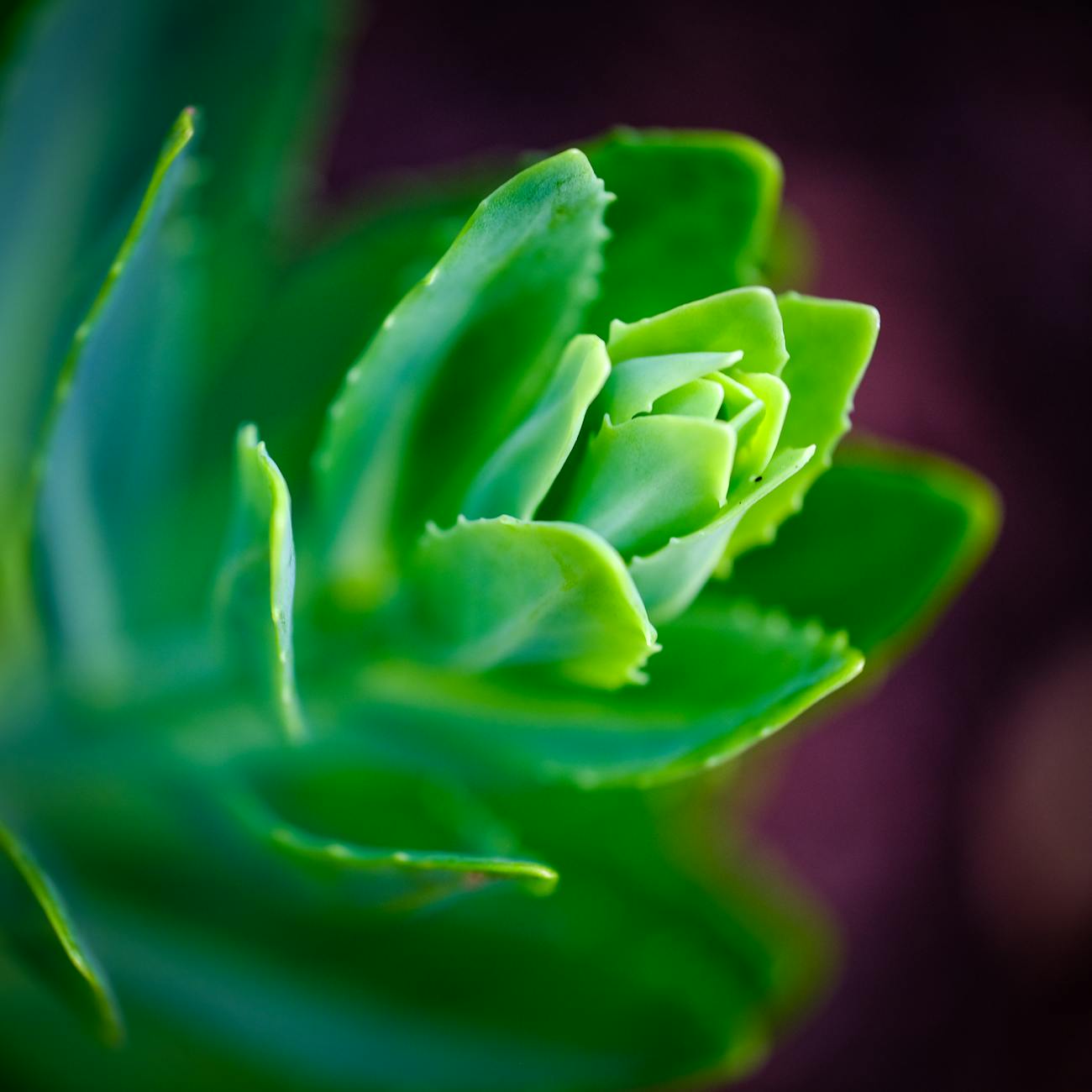
Plant Physiology: Plant physiology is the study of how plants function and the processes that occur within them. Understanding plant physiology is crucial for optimizing growth, development, and overall health in horticulture. This discipline covers a wide range of topics, including photosynthesis, respiration, water uptake, nutrient transport, and hormone signaling.
Light Responses: Light responses refer to the ways in which plants react to light stimuli. Light is a critical environmental factor for plant growth as it drives photosynthesis, influences plant morphology, and regulates various physiological processes. Understanding how plants respond to light is essential for designing effective lighting strategies in horticulture.
Photosynthesis: Photosynthesis is the process by which plants convert light energy into chemical energy, producing glucose and oxygen. This vital process occurs in chloroplasts and involves the absorption of light by chlorophyll, the conversion of carbon dioxide and water into glucose, and the release of oxygen as a byproduct.
Chlorophyll: Chlorophyll is a pigment found in the chloroplasts of plant cells that absorbs light energy for photosynthesis. It is responsible for giving plants their green color and plays a crucial role in capturing light and converting it into chemical energy.
Respiration: Respiration is the process by which plants break down glucose to release energy for cellular functions. Unlike photosynthesis, respiration occurs in all plant cells and involves the conversion of glucose and oxygen into carbon dioxide, water, and ATP (adenosine triphosphate).
Phytochromes: Phytochromes are photoreceptors that plants use to detect red and far-red light. They play a crucial role in regulating various aspects of plant growth and development, including seed germination, flowering, and shade avoidance responses.
Photomorphogenesis: Photomorphogenesis refers to the light-mediated changes in plant growth and development. Different wavelengths of light can trigger specific responses in plants, such as elongation growth, chlorophyll synthesis, and photoperiodic flowering.
Photoperiodism: Photoperiodism is the response of plants to the relative lengths of light and dark periods in a 24-hour cycle. It influences critical processes like flowering, dormancy, and seasonal growth patterns in plants.
Photosynthetically Active Radiation (PAR): PAR is the range of light wavelengths (400-700 nm) that plants use for photosynthesis. It is crucial for determining the quality and quantity of light available for plant growth and is often measured in micromoles per square meter per second (μmol m-2 s-1).
Photosynthetic Efficiency: Photosynthetic efficiency refers to the ability of plants to convert light energy into chemical energy through photosynthesis. Factors such as light intensity, wavelength, duration, and quality can affect photosynthetic efficiency in plants.
Light Quality: Light quality refers to the specific wavelengths of light that plants receive and respond to. Different wavelengths of light (e.g., blue, red, far-red) can trigger distinct physiological responses in plants, influencing growth, development, and overall health.
Light Quantity: Light quantity refers to the intensity or amount of light that plants receive. It is measured in units like lux or PAR and plays a crucial role in determining the rate of photosynthesis, growth, and overall productivity in plants.
Light Duration: Light duration refers to the length of time that plants are exposed to light in a 24-hour period. The duration of light exposure can impact various physiological processes in plants, such as flowering, dormancy, and growth patterns.
Light Spectrum: Light spectrum refers to the range of wavelengths of light emitted by a light source. Understanding the light spectrum is essential for selecting the right lighting technology for horticultural applications and maximizing plant growth and productivity.
Light Intensity: Light intensity refers to the brightness or level of illumination provided by a light source. It is a critical factor in determining the rate of photosynthesis, growth, and overall performance of plants in controlled environments.
Light Distribution: Light distribution refers to how evenly light is spread across a plant canopy or growing area. Proper light distribution is essential for ensuring uniform growth and development of plants and avoiding issues like shading and light stress.
Light Uniformity: Light uniformity refers to the consistency of light levels across a plant canopy or growing area. Achieving uniform light distribution is crucial for promoting even growth, maximizing photosynthetic efficiency, and optimizing plant health and productivity.
Light Quality and Plant Growth: Different wavelengths of light can influence specific aspects of plant growth and development. For example, blue light is essential for promoting vegetative growth and controlling plant morphology, while red light is crucial for flowering induction and fruit development.
Light Quantity and Photosynthesis: Light quantity plays a significant role in determining the rate of photosynthesis in plants. Insufficient light can limit photosynthetic activity, leading to reduced growth and productivity, while excess light can cause photoinhibition and damage to plant tissues.
Light Duration and Flowering: The duration of light exposure can trigger flowering in many plant species. Plants that require specific day lengths to flower (e.g., short-day or long-day plants) rely on light duration cues to initiate the flowering process and regulate reproductive growth.
Light Stress: Light stress occurs when plants are exposed to excessive or inadequate light levels, leading to physiological changes and damage to plant tissues. Light stress can manifest as leaf bleaching, photoinhibition, reduced growth, and impaired photosynthetic efficiency.
Lighting Technologies: Various lighting technologies, such as LEDs (light-emitting diodes), HPS (high-pressure sodium), and fluorescent lights, are used in horticulture to provide artificial light for plant growth. Each lighting technology has unique characteristics that can influence plant responses and productivity.
Lighting Strategies: Lighting strategies involve the optimization of light quality, quantity, duration, and distribution to promote plant growth and productivity in controlled environments. Effective lighting strategies consider the specific requirements of plants at different growth stages and aim to mimic natural light conditions.
Lighting Systems: Lighting systems in horticulture encompass the design, installation, and operation of artificial lighting setups to provide optimal light conditions for plant growth. These systems may include fixtures, reflectors, timers, and light sensors to regulate light intensity, duration, and quality.
Lighting Efficiency: Lighting efficiency refers to the ability of a lighting system to deliver the required light output while minimizing energy consumption and waste. Efficient lighting systems can help reduce operating costs, improve plant growth, and enhance overall sustainability in horticulture.
Lighting Control: Lighting control involves the management of light intensity, duration, and quality to meet the specific needs of plants in controlled environments. Advanced lighting control systems can adjust light settings based on plant responses, growth stages, and environmental conditions to optimize plant growth and productivity.
Lighting Management: Lighting management encompasses the planning, implementation, and monitoring of lighting strategies to ensure optimal plant growth and productivity. Effective lighting management involves regular assessment of light conditions, adjustment of lighting parameters, and troubleshooting of lighting issues to support healthy plant growth.
Lighting Challenges: Horticultural lighting poses various challenges, including light uniformity, spectrum optimization, energy efficiency, heat management, and cost-effectiveness. Overcoming these challenges requires a deep understanding of plant physiology, light responses, and lighting technologies to design effective lighting solutions for horticulture.
Plant Physiology is a branch of botany that deals with the functioning, growth, and development of plants. It involves the study of various processes that occur within plants, such as photosynthesis, respiration, transpiration, and hormone signaling. Understanding plant physiology is crucial for optimizing plant growth and productivity, especially in horticulture where plants are grown for commercial purposes.
Light is a fundamental environmental factor that influences plant growth and development. Light not only provides the energy needed for photosynthesis but also serves as a crucial signal for various physiological processes in plants. The responses of plants to light, known as light responses, play a significant role in shaping plant morphology, physiology, and overall performance.
In the Postgraduate Certificate in Lighting for Horticulture, a deep understanding of plant physiology and light responses is essential for designing effective lighting strategies to enhance plant growth, optimize yield, and improve quality in controlled environment agriculture settings. Let's explore some key terms and concepts related to plant physiology and light responses in the context of horticulture:
**Photosynthesis**: Photosynthesis is a vital process through which plants convert light energy into chemical energy in the form of sugars. This process occurs in the chloroplasts of plant cells and involves the absorption of light by chlorophyll molecules. The equation for photosynthesis is: 6CO2 + 6H2O + light energy → C6H12O6 + 6O2
**Chlorophyll**: Chlorophyll is a pigment found in the chloroplasts of plant cells that absorbs light energy for photosynthesis. It is responsible for giving plants their green color. There are several types of chlorophyll, with chlorophyll a and chlorophyll b being the most common in higher plants.
**Light Quality**: Light quality refers to the specific wavelengths of light that plants receive. Different wavelengths of light have varying effects on plant growth and development. For example, blue light is essential for promoting vegetative growth, while red light is crucial for flowering and fruiting in many plant species.
**Light Quantity**: Light quantity, or light intensity, refers to the amount of light that reaches the plant. It is measured in units such as lux or micromoles per square meter per second (μmol/m2/s). Light quantity is a critical factor in determining plant growth rates and overall productivity.
**Light Duration**: Light duration, or photoperiod, refers to the length of time that plants are exposed to light in a 24-hour period. Photoperiod plays a crucial role in regulating various physiological processes in plants, including flowering and dormancy.
**Photomorphogenesis**: Photomorphogenesis is the process by which plants perceive and respond to light signals to regulate their growth and development. Light quality, quantity, and duration are key factors that influence photomorphogenesis in plants.
**Photoreceptors**: Photoreceptors are light-sensitive proteins found in plant cells that mediate the plant's responses to light signals. The two main classes of photoreceptors in plants are phytochromes and cryptochromes, which absorb red/far-red and blue light, respectively.
**Photosynthetically Active Radiation (PAR)**: Photosynthetically Active Radiation (PAR) is the range of light wavelengths (400-700 nm) that are used by plants for photosynthesis. PAR is often expressed in units of micromoles per square meter per second (μmol/m2/s) and is a crucial factor in determining plant growth rates under artificial lighting.
**Daily Light Integral (DLI)**: Daily Light Integral (DLI) is a measure of the total amount of photosynthetically active radiation received by a plant over a 24-hour period. DLIs are calculated in mol/m2/day and are used to optimize lighting strategies for different plant species and growth stages.
**Photosynthetic Photon Flux Density (PPFD)**: Photosynthetic Photon Flux Density (PPFD) is a measure of the amount of photosynthetically active radiation (PAR) that reaches a specific area in a given time. PPFD is typically measured in micromoles per square meter per second (μmol/m2/s) and is a crucial parameter for determining light levels in horticultural lighting systems.
**Light Emitting Diodes (LEDs)**: Light Emitting Diodes (LEDs) are solid-state lighting devices that produce light when an electric current passes through them. LEDs are widely used in horticulture for their energy efficiency, long lifespan, and ability to emit specific wavelengths of light that can be tailored to plant requirements.
**Far-red Light**: Far-red light is a specific range of light wavelengths (700-800 nm) that can influence various physiological processes in plants, including seed germination, stem elongation, and flowering. Far-red light is often used in horticulture to manipulate plant growth and development.
**Photoperiodism**: Photoperiodism is the physiological response of plants to the relative lengths of light and dark periods in a 24-hour cycle. Plants can be classified as short-day, long-day, or day-neutral based on their flowering response to different photoperiods.
**Long-day Plants**: Long-day plants require a photoperiod longer than a critical threshold to initiate flowering. Examples of long-day plants include lettuce, spinach, and radish, which typically flower when exposed to shorter nights.
**Short-day Plants**: Short-day plants require a photoperiod shorter than a critical threshold to initiate flowering. Examples of short-day plants include chrysanthemums, poinsettias, and rice, which typically flower when exposed to longer nights.
**Day-neutral Plants**: Day-neutral plants are insensitive to photoperiod and flower regardless of day length. Examples of day-neutral plants include tomatoes, cucumbers, and roses, which can flower under a wide range of photoperiods.
**Florigen**: Florigen is a hypothetical flowering hormone that is thought to be produced in leaves in response to specific photoperiods. Florigen is transported to the shoot apical meristem, where it promotes the transition from vegetative to reproductive growth.
**Critical Night Length**: Critical night length is the minimum uninterrupted period of darkness required to induce flowering in a plant. The critical night length varies among plant species and is an essential determinant of the flowering response to different photoperiods.
**Qualitative Long-day Plants**: Qualitative long-day plants require a continuous period of darkness to induce flowering. Examples of qualitative long-day plants include radishes and lettuce, which only flower when the dark period is uninterrupted.
**Quantitative Long-day Plants**: Quantitative long-day plants require a specific duration of darkness to induce flowering, regardless of whether the dark period is continuous or interrupted. Examples of quantitative long-day plants include spinach and sugar beet, which flower when exposed to a certain number of dark hours.
**Photoperiodic Clock**: The photoperiodic clock is an internal timing mechanism in plants that regulates their responses to changes in day length. The photoperiodic clock is controlled by a complex network of genes and proteins that sense and integrate light signals to initiate flowering.
**Diel Rhythms**: Diel rhythms are biological rhythms that occur over a 24-hour cycle, such as the opening and closing of stomata, leaf movements, and metabolic processes. Diel rhythms are influenced by light signals and play a crucial role in coordinating plant growth and development.
**Stomata**: Stomata are small pores found on the surfaces of leaves and stems that regulate gas exchange and water loss in plants. Stomata open in response to light signals during the day to facilitate photosynthesis and close at night to conserve water.
**Transpiration**: Transpiration is the process by which plants lose water vapor through their stomata. Transpiration helps plants regulate their internal temperature, transport nutrients, and maintain turgor pressure. Light signals influence the rate of transpiration in plants.
**Photoinhibition**: Photoinhibition is the process by which excess light energy damages the photosynthetic apparatus in plants, leading to reduced photosynthetic efficiency. Plants have developed various protective mechanisms to mitigate photoinhibition, such as photoproteins and antioxidants.
**Photoproteins**: Photoproteins are proteins that protect plants from photoinhibition by dissipating excess light energy as heat. Photoproteins play a crucial role in preventing oxidative damage to the photosynthetic apparatus and maintaining photosynthetic efficiency under high light conditions.
**Antioxidants**: Antioxidants are molecules that scavenge reactive oxygen species (ROS) and protect plant cells from oxidative damage. Plants produce antioxidants in response to excess light exposure to counteract the harmful effects of photoinhibition and maintain cellular homeostasis.
**Acclimation**: Acclimation is the process by which plants adjust their physiological and biochemical responses to changes in environmental conditions, such as light intensity, temperature, and humidity. Acclimation allows plants to optimize their performance and adapt to fluctuating environmental cues.
**Shade Avoidance Response**: The shade avoidance response is a set of physiological changes that plants undergo when they perceive a decrease in the ratio of red to far-red light, indicating the presence of neighboring vegetation. The shade avoidance response includes elongation of stems, increased leaf area, and altered flowering time to compete for light.
**Blue Light Response**: Blue light plays a crucial role in regulating various physiological processes in plants, including photomorphogenesis, stomatal opening, and chloroplast movement. Blue light receptors, such as cryptochromes and phototropins, mediate the plant's responses to blue light signals.
**Red Light Response**: Red light is essential for promoting flowering, seed germination, and chlorophyll synthesis in plants. Red light receptors, such as phytochromes, mediate the plant's responses to red light signals and regulate various developmental processes in response to changes in light quality.
**Far-red Light Response**: Far-red light influences plant growth and development by regulating processes such as seed germination, stem elongation, and flowering time. Plants perceive changes in the ratio of red to far-red light to adjust their physiological responses and optimize their performance in varying light environments.
**Light Stress**: Light stress occurs when plants are exposed to excessive or inadequate light levels that can disrupt photosynthesis, impair growth, and cause cellular damage. Plants have developed various mechanisms to cope with light stress, such as photoprotection and antioxidant defense systems.
**Hormone Signaling**: Hormone signaling pathways play a crucial role in mediating plant responses to light signals and coordinating various physiological processes. Plant hormones, such as auxins, cytokinins, gibberellins, abscisic acid, and ethylene, interact with light receptors to regulate growth, development, and stress responses.
**Circadian Clock**: The circadian clock is an internal timing mechanism in plants that controls diel rhythms, photoperiodic responses, and other physiological processes in a 24-hour cycle. The circadian clock regulates gene expression, hormone signaling, and metabolic pathways to optimize plant performance under changing environmental conditions.
**Biological Clock**: The biological clock is a molecular mechanism that synchronizes plant responses to environmental cues, such as light, temperature, and humidity. The biological clock coordinates physiological processes, such as flowering time, leaf movement, and stomatal conductance, to ensure optimal plant growth and development.
**Genetic Regulation**: Genetic regulation refers to the control of gene expression in plants in response to environmental stimuli, such as light signals. Plants modulate the expression of specific genes to adjust their metabolism, growth, and development to changing light conditions and optimize their performance in varying environments.
**Epigenetic Changes**: Epigenetic changes are heritable modifications to the genome that do not alter the DNA sequence but influence gene expression and phenotype. Plants undergo epigenetic changes in response to light signals, stress conditions, and developmental cues to adapt to environmental challenges and optimize their fitness.
**Signal Transduction**: Signal transduction is the process by which plants convert light signals into biochemical responses to regulate gene expression, hormone signaling, and physiological processes. Signal transduction pathways involve the activation of receptors, second messengers, and transcription factors to coordinate plant responses to light cues.
**Plant Growth Regulators**: Plant growth regulators, also known as plant hormones, are chemical substances that regulate plant growth, development, and stress responses. These hormones include auxins, cytokinins, gibberellins, abscisic acid, ethylene, and brassinosteroids, which interact with light signals to modulate plant physiology and morphology.
**Senescence**: Senescence is the process of programmed cell death in plants that leads to the deterioration of tissues and organs over time. Senescence is influenced by various factors, including light signals, hormone levels, nutrient availability, and environmental stresses, and plays a crucial role in plant development and adaptation.
**Nutrient Uptake**: Nutrient uptake is the process by which plants absorb essential minerals and elements from the soil or growing medium to support their growth and metabolism. Light signals influence nutrient uptake by regulating root morphology, ion transport, and nutrient assimilation to optimize plant nutrition and performance.
**Water Relations**: Water relations in plants refer to the movement of water within plant tissues, the regulation of stomatal conductance, and the maintenance of turgor pressure. Light signals influence water relations by modulating transpiration rates, stomatal opening, and water uptake to ensure proper hydration and nutrient transport in plants.
**Environmental Stress**: Environmental stressors, such as high light levels, extreme temperatures, drought, salinity, and pathogens, can adversely affect plant growth and development. Plants respond to environmental stress by activating defense mechanisms, antioxidant systems, and stress tolerance pathways to mitigate damage and enhance resilience.
**Biological Rhythms**: Biological rhythms are recurring patterns of physiological and behavioral activities that occur in plants over a 24-hour cycle. Biological rhythms are synchronized by internal timing mechanisms, such as the circadian clock and environmental cues, such as light signals, to optimize plant performance and adaptation to changing conditions.
**Plant Responses to Light**: Plants exhibit a wide range of responses to light signals, including changes in gene expression, hormone levels, stomatal conductance, photosynthetic efficiency, growth rates, and flowering time. Understanding how plants perceive and integrate light signals is essential for manipulating plant responses to optimize growth, yield, and quality in horticulture.
**Practical Applications**: The knowledge of plant physiology and light responses has practical applications in horticulture for designing effective lighting systems, optimizing growth conditions, promoting flowering, increasing yield, and improving crop quality. By manipulating light quality, quantity, and duration, growers can tailor lighting strategies to meet the specific requirements of different plant species and growth stages.
**Challenges**: Challenges in understanding plant physiology and light responses in horticulture include optimizing light spectra for specific plant species, balancing energy efficiency with light intensity, managing photoperiodic responses, preventing light stress, and integrating artificial lighting with natural light. Overcoming these challenges requires a multidisciplinary approach that combines knowledge of plant biology, light physics, environmental science, and engineering principles.
In conclusion, plant physiology and light responses play a crucial role in shaping plant growth, development, and performance in horticulture. By understanding the key terms and concepts related to plant physiology and light responses, growers can effectively manipulate light signals to optimize plant growth, enhance yield, and improve quality in controlled environment agriculture settings. The Postgraduate Certificate in Lighting for Horticulture provides a comprehensive foundation in plant physiology and light responses to equip professionals with the knowledge and skills needed to succeed in the rapidly evolving field of horticultural lighting.
Key takeaways
- This discipline covers a wide range of topics, including photosynthesis, respiration, water uptake, nutrient transport, and hormone signaling.
- Light is a critical environmental factor for plant growth as it drives photosynthesis, influences plant morphology, and regulates various physiological processes.
- This vital process occurs in chloroplasts and involves the absorption of light by chlorophyll, the conversion of carbon dioxide and water into glucose, and the release of oxygen as a byproduct.
- It is responsible for giving plants their green color and plays a crucial role in capturing light and converting it into chemical energy.
- Unlike photosynthesis, respiration occurs in all plant cells and involves the conversion of glucose and oxygen into carbon dioxide, water, and ATP (adenosine triphosphate).
- They play a crucial role in regulating various aspects of plant growth and development, including seed germination, flowering, and shade avoidance responses.
- Different wavelengths of light can trigger specific responses in plants, such as elongation growth, chlorophyll synthesis, and photoperiodic flowering.