
Breathing Exercises in the Water for Meditation
Breathing exercises in water for meditation are an essential component of the Masterclass Certificate in Aquatic Therapy for Meditation, and understanding the key terms and vocabulary is crucial for effective practice and instruction. One o…
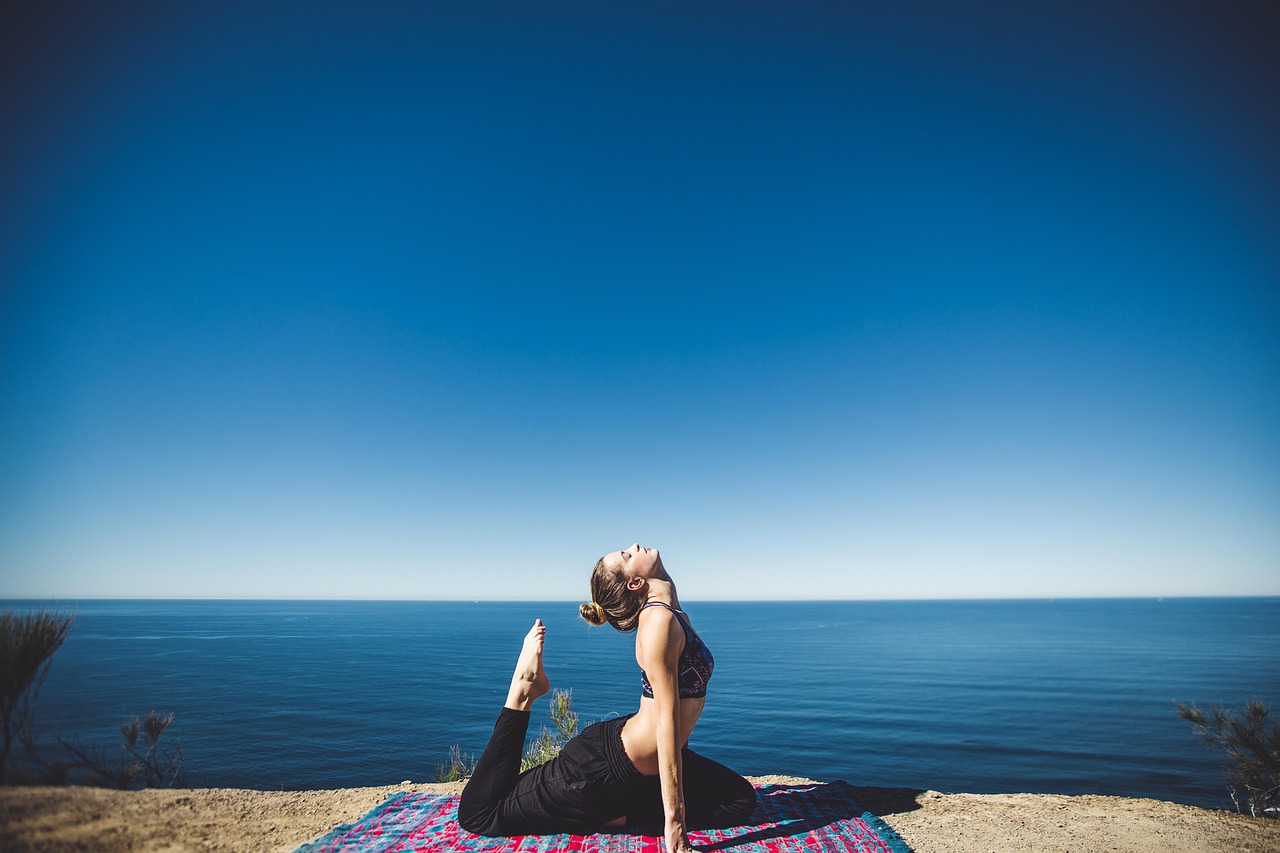
Breathing exercises in water for meditation are an essential component of the Masterclass Certificate in Aquatic Therapy for Meditation, and understanding the key terms and vocabulary is crucial for effective practice and instruction. One of the primary techniques used in aquatic therapy for meditation is diaphragmatic breathing, which involves engaging the diaphragm muscle to facilitate deep and relaxed breathing. This type of breathing is essential for promoting relaxation and reducing stress and anxiety.
When practicing diaphragmatic breathing in water, it is essential to focus on the sensations of the breath moving in and out of the body, rather than the thoughts and distractions that may arise. This can be achieved by bringing awareness to the physical sensations of the breath, such as the expansion and contraction of the lungs and the rise and fall of the chest and abdomen.
Another critical aspect of breathing exercises in water for meditation is the use of visualization techniques to enhance the meditative experience. Visualization involves using the imagination to create vivid mental images that promote relaxation and reduce stress and anxiety. For example, a practitioner may visualize themselves floating effortlessly on the surface of the water, surrounded by a sense of calm and tranquility.
The buoyancy of the water provides a unique environment for meditation, as it allows the body to relax and release tension in a way that is not possible on land. The sensory experience of being in the water, including the feeling of weightlessness and the sound of the water, can also be used to enhance the meditative experience. For instance, a practitioner may focus on the sound of the water lapping against the shore or the feeling of the water rippling across the skin.
In addition to diaphragmatic breathing and visualization, other techniques used in aquatic therapy for meditation include progressive muscle relaxation, mindfulness meditation, and guided imagery. Progressive muscle relaxation involves systematically tensing and relaxing different muscle groups in the body to release physical tension and promote relaxation. Mindfulness meditation involves bringing awareness to the present moment and focusing on the sensations and experiences that arise without judgment or distraction.
Guided imagery involves using the imagination to create vivid mental images that promote relaxation and reduce stress and anxiety. For example, a practitioner may imagine themselves in a peaceful and serene environment, such as a beach or a forest, and use all of the senses to create a vivid and immersive experience. The goal of guided imagery is to create a sense of deep relaxation and calm, and to promote a sense of connection to the body and the present moment.
When practicing breathing exercises in water for meditation, it is essential to consider the physical limitations and needs of the practitioner. For example, individuals with certain medical conditions, such as asthma or chronic obstructive pulmonary disease (COPD), may need to modify their breathing techniques or use specialized equipment to ensure safe and effective practice.
Additionally, practitioners may need to consider the temperature of the water, as well as the depth and buoyancy of the water, to ensure a safe and comfortable practice. The environment in which the practice takes place is also crucial, as a quiet and peaceful setting can help to promote relaxation and reduce distractions.
The benefits of breathing exercises in water for meditation are numerous and well-documented. Regular practice can help to reduce stress and anxiety, improve mood and overall sense of well-being, and enhance cognitive function and concentration. Breathing exercises in water can also help to improve physical function, including flexibility, balance, and strength, and can be used as a tool for rehabilitation and recovery from injury or illness.
In addition to the physical and emotional benefits, breathing exercises in water for meditation can also have a profound impact on spiritual and philosophical aspects of life. The practice can help to promote a sense of connection to the body and the present moment, and can be used to cultivate a deeper sense of awareness and understanding of the self and the world.
The challenges of practicing breathing exercises in water for meditation can be significant, particularly for individuals who are new to the practice or who have limited experience with meditation or aquatic therapy. One of the primary obstacles is the ability to quiet the mind and focus on the breath, as the mind can often be distracted by thoughts and worries.
Additionally, practitioners may struggle with physical discomfort or pain, particularly if they have any underlying medical conditions or injuries. The key to overcoming these challenges is to approach the practice with patience, persistence, and an open mind. It is also essential to work with a qualified instructor or therapist who can provide guidance and support throughout the practice.
The equipment needed for breathing exercises in water for meditation can vary depending on the specific practice and the needs of the practitioner. In general, a swimming pool or other body of water that is deep enough to allow for floating and relaxation is necessary. Additionally, floatation devices, such as kickboards or pool noodles, can be used to support the body and promote relaxation.
Other accessories, such as eye masks or earplugs, can be used to enhance the meditative experience and reduce distractions. The cost of the equipment and accessories can vary widely, depending on the specific items and the location in which they are purchased.
In terms of preparation for the practice, it is essential to create a quiet and peaceful environment that is free from distractions and interruptions. This can involve finding a secluded location, such as a private pool or a quiet beach, and using tools such as earplugs or headphones to block out any background noise.
Additionally, practitioners should take the time to prepare their bodies and minds for the practice, by engaging in activities such as stretching or meditation to promote relaxation and reduce stress and anxiety. The goal of the preparation is to create a sense of calm and tranquility, and to promote a deep sense of connection to the body and the present moment.
The process of practicing breathing exercises in water for meditation can be broken down into several key steps. The first step is to find a comfortable and relaxed position in the water, such as floating on the back or sitting on the bottom of the pool. The next step is to bring awareness to the breath, and to focus on the sensations of the breath moving in and out of the body.
The third step is to use techniques such as visualization or progressive muscle relaxation to enhance the meditative experience and promote relaxation. The final step is to slowly and gradually emerge from the meditative state, and to take the time to reflect on the experience and the insights that have been gained.
The frequency and duration of the practice can vary depending on the needs and goals of the practitioner. In general, it is recommended to practice breathing exercises in water for meditation on a regular basis, such as several times per week, and to start with shorter sessions and gradually increase the duration as the practice becomes more comfortable and familiar.
The key to a successful practice is to approach it with patience, persistence, and an open mind, and to be willing to adapt and modify the practice as needed to meet the changing needs and goals of the practitioner. By following these guidelines and approaches, practitioners can unlock the many benefits of breathing exercises in water for meditation, and can use the practice as a powerful tool for promoting relaxation, reducing stress and anxiety, and enhancing overall health and well-being.
In terms of applications, breathing exercises in water for meditation can be used in a variety of settings, including therapeutic, recreational, and spiritual contexts. The practice can be used as a tool for rehabilitation and recovery from injury or illness, and can be incorporated into treatment plans for a range of medical conditions, including chronic pain, anxiety, and depression.
Additionally, breathing exercises in water for meditation can be used as a component of fitness and wellness programs, and can be incorporated into classes and workshops on topics such as yoga, Pilates, and mindfulness meditation. The practice can also be used as a tool for personal growth and spiritual development, and can be incorporated into retreats and workshops on topics such as meditation, mindfulness, and consciousness.
The future of breathing exercises in water for meditation is exciting and promising, as research continues to uncover the many benefits and applications of the practice. As the practice becomes more widely accepted and recognized, it is likely that it will become an increasingly popular component of therapeutic, recreational, and spiritual programs and activities.
Additionally, advances in technology and equipment are likely to enhance the practice and make it more accessible and convenient for practitioners. For example, the development of portable and inflatable pools and floatation devices can make it possible for practitioners to practice breathing exercises in water for meditation in a variety of settings and locations.
The impact of breathing exercises in water for meditation on society is also likely to be significant, as the practice becomes more widely accepted and recognized. The practice has the potential to transform the way that people approach health and wellness, and to promote a more holistic and integrated approach to medicine and therapy.
Additionally, the practice has the potential to inspire and empower individuals to take a more active and proactive approach to their health and wellness, and to cultivate a deeper sense of connection to their bodies and the natural world. By promoting relaxation, reducing stress and anxiety, and enhancing overall health and well-being, breathing exercises in water for meditation have the potential to make a positive and lasting impact on individuals and society as a whole.
The relationship between breathing exercises in water for meditation and other practices and disciplines is complex and multifaceted. The practice has roots in a range of traditional and contemporary practices, including yoga, tai chi, and mindfulness meditation.
Additionally, the practice has connections to a range of other disciplines, including psychology, physiology, and philosophy. The practice can be used as a tool for personal growth and spiritual development, and can be incorporated into programs and workshops on topics such as meditation, mindfulness, and consciousness.
The distinctions between breathing exercises in water for meditation and other practices and disciplines are also important to consider. The practice has a unique focus on the use of water and breathing techniques to promote relaxation and reduce stress and anxiety.
Additionally, the practice has a distinct approach to the use of visualization and imagery to enhance the meditative experience and promote a deeper sense of connection to the body and the present moment. The practice can be used as a complement to other practices and disciplines, and can be incorporated into a range of programs and workshops on topics such as health, wellness, and personal growth.
The evolution of breathing exercises in water for meditation is an ongoing process, as research and practice continue to uncover the many benefits and applications of the practice. The practice has roots in a range of traditional and contemporary practices, and has evolved over time through the contributions of many pioneers and practitioners.
As the practice continues to evolve and grow, it is likely that new and innovative approaches and techniques will be developed, and that the practice will become an increasingly integral part of therapeutic, recreational, and spiritual programs and activities. The potential of breathing exercises in water for meditation to transform the way that people approach health and wellness is significant, and the practice is likely to have a lasting and positive impact on individuals and society as a whole.
In terms of research, there is a growing body of evidence that supports the efficacy of breathing exercises in water for meditation in promoting relaxation, reducing stress and anxiety, and enhancing overall health and well-being. Studies have shown that the practice can have a positive impact on a range of physiological and psychological outcomes, including heart rate, blood pressure, and mood.
Additionally, research has identified a range of mechanisms and processes that underlie the effects of the practice, including the release of endorphins and other neurotransmitters, and the activation of the parasympathetic nervous system. The findings of this research have important implications for the use of breathing exercises in water for meditation in therapeutic, recreational, and spiritual settings.
The implications of breathing exercises in water for meditation for therapy and treatment are significant, as the practice can be used as a tool for rehabilitation and recovery from injury or illness. The practice can be adapted to meet the needs of individuals with a range of medical conditions, including chronic pain, anxiety, and depression.
Additionally, the practice can be used as a complement to other therapies and treatments, and can be incorporated into programs and workshops on topics such as health, wellness, and personal growth. The potential of breathing exercises in water for meditation to transform the way that people approach health and wellness is significant, and the practice is likely to have a lasting and positive impact on individuals and society as a whole.
The connection between breathing exercises in water for meditation and spirituality is complex and multifaceted. The practice has roots in a range of traditional and contemporary practices, including yoga, tai chi, and mindfulness meditation.
Additionally, the practice has connections to a range of other disciplines, including psychology, physiology, and philosophy. The practice can be used as a tool for personal growth and spiritual development, and can be incorporated into programs and workshops on topics such as meditation, mindfulness, and consciousness.
The relationship between breathing exercises in water for meditation and personal growth is also significant, as the practice can be used to cultivate a deeper sense of connection to the body and the present moment. The practice can be used to enhance self-awareness, self-acceptance, and self-compassion, and can be incorporated into programs and workshops on topics such as health, wellness, and personal growth.
The potential of breathing exercises in water for meditation to transform the way that people approach health and wellness is significant, and the practice is likely to have a lasting and positive impact on individuals and society as a whole. As research and practice continue to uncover the many benefits and applications of the practice, it is likely that breathing exercises in water for meditation will become an increasingly integral part of therapeutic, recreational, and spiritual programs and activities.
Key takeaways
- Breathing exercises in water for meditation are an essential component of the Masterclass Certificate in Aquatic Therapy for Meditation, and understanding the key terms and vocabulary is crucial for effective practice and instruction.
- When practicing diaphragmatic breathing in water, it is essential to focus on the sensations of the breath moving in and out of the body, rather than the thoughts and distractions that may arise.
- Another critical aspect of breathing exercises in water for meditation is the use of visualization techniques to enhance the meditative experience.
- The sensory experience of being in the water, including the feeling of weightlessness and the sound of the water, can also be used to enhance the meditative experience.
- In addition to diaphragmatic breathing and visualization, other techniques used in aquatic therapy for meditation include progressive muscle relaxation, mindfulness meditation, and guided imagery.
- For example, a practitioner may imagine themselves in a peaceful and serene environment, such as a beach or a forest, and use all of the senses to create a vivid and immersive experience.
- When practicing breathing exercises in water for meditation, it is essential to consider the physical limitations and needs of the practitioner.