
Airspace Users and Operating Requirements
Airspace Users and Operating Requirements
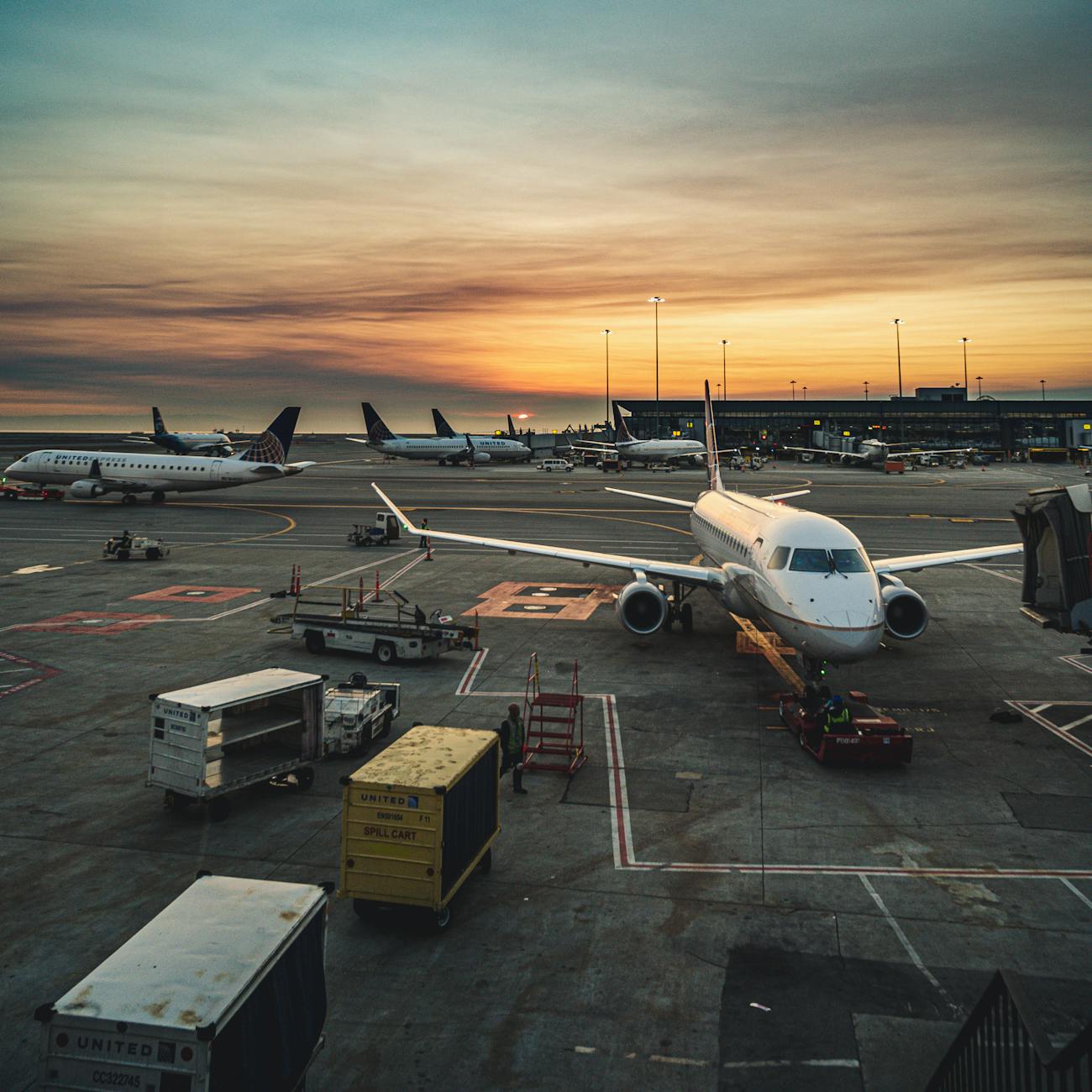
Airspace Users and Operating Requirements
Airspace users refer to anyone who operates an aircraft within a specific airspace. Understanding the operating requirements within different airspace is crucial to ensure safety and efficiency in air traffic management. This course will cover key terms and vocabulary related to airspace users and operating requirements.
Airspace
Airspace is the designated portion of the atmosphere controlled by a country above its territory, including its territorial waters. It is divided into different classes based on the nature of operations allowed, equipment requirements, and flight rules.
Class A Airspace
Class A airspace is the highest level of controlled airspace and extends from 18,000 feet MSL (mean sea level) up to FL600 (flight level 600). It is primarily used for IFR (instrument flight rules) flights and requires all aircraft to be under positive air traffic control.
Class B Airspace
Class B airspace is typically airspace surrounding the busiest airports in the United States. It is designed to protect aircraft flying in and out of these airports and is shaped like an inverted wedding cake, with the busiest airspace at the center.
Class C Airspace
Class C airspace is generally less busy than Class B airspace and is established around airports with a moderate level of air traffic. It requires two-way radio communication and a transponder for entry.
Class D Airspace
Class D airspace is established around airports with a control tower and is typically smaller than Class C airspace. Pilots are required to establish two-way radio communication before entering Class D airspace.
Class E Airspace
Class E airspace is controlled airspace that is not Class A, B, C, or D. It typically extends from the surface up to 18,000 feet MSL and is used for IFR and VFR (visual flight rules) operations.
Class G Airspace
Class G airspace is uncontrolled airspace that exists below Class E airspace. It is often found in rural areas and does not require two-way radio communication or a transponder.
Special Use Airspace
Special use airspace includes areas such as restricted areas, prohibited areas, military operations areas (MOAs), and alert areas. These areas have specific operating requirements and restrictions that pilots must adhere to.
Temporary Flight Restrictions (TFRs)
Temporary flight restrictions are put in place to protect sensitive airspace or events, such as sporting events, wildfires, or presidential visits. Pilots must be aware of TFRs and comply with the restrictions.
Minimum Safe Altitude
The minimum safe altitude is the lowest altitude at which an aircraft can fly while maintaining a safe clearance from obstacles and terrain. Pilots must adhere to minimum safe altitude requirements to ensure safety.
Visual Flight Rules (VFR)
Visual flight rules are a set of regulations under which a pilot operates an aircraft in weather conditions generally clear enough to allow the pilot to see where the aircraft is going. VFR requires good visibility and is commonly used for recreational flying.
Instrument Flight Rules (IFR)
Instrument flight rules are a set of regulations under which a pilot operates an aircraft by relying on instruments and navigation aids. IFR is used in low visibility conditions and requires pilots to file a flight plan.
Transponder
A transponder is an electronic device in an aircraft that emits a signal in response to radio signals. Transponders are used to identify aircraft to air traffic control and other aircraft.
Flight Level
Flight level is a standardized pressure altitude used to ensure safe vertical separation between aircraft. Flight levels are used above a certain altitude (usually 18,000 feet) in international airspace.
Positive Air Traffic Control (ATC)
Positive air traffic control refers to the situation where an aircraft is under continuous radar surveillance and receives clearances and instructions from air traffic control. This is common in controlled airspace.
Two-Way Radio Communication
Two-way radio communication is the exchange of information between pilots and air traffic control using a radio frequency. Pilots must establish two-way radio communication before entering certain types of controlled airspace.
Altitude Deviation
Altitude deviation refers to a situation where an aircraft flies at an altitude different from the assigned altitude. Pilots must promptly correct any altitude deviations to ensure safe separation from other aircraft.
Right-of-Way Rules
Right-of-way rules dictate which aircraft has the right of way in various situations, such as head-on encounters, converging courses, or overtaking. Pilots must adhere to right-of-way rules to avoid collisions.
Standard Terminal Arrival Route (STAR)
A standard terminal arrival route is a published route used by aircraft to transition from the en route structure to the arrival phase of flight at a specific airport. Pilots must follow STAR procedures to ensure a safe and efficient arrival.
Standard Instrument Departure (SID)
A standard instrument departure is a published departure procedure that provides a safe and efficient route for aircraft to leave the airport and transition to the en route structure. Pilots must follow SID procedures to ensure a safe departure.
Visual Approach
A visual approach is an approach to an airport where a pilot navigates visually to the runway without relying on instruments. Pilots must have the airport in sight to conduct a visual approach.
Missed Approach Procedure
A missed approach procedure is a predetermined set of actions that a pilot follows if unable to land safely during an approach. Pilots must be familiar with missed approach procedures to handle unexpected situations.
Special VFR
Special VFR is a clearance that allows pilots to operate within controlled airspace in reduced visibility conditions below VFR weather minimums. Pilots must obtain special VFR clearance from air traffic control.
Wake Turbulence
Wake turbulence is the disturbance in the air behind an aircraft as it passes through the atmosphere. Pilots must be aware of wake turbulence and maintain proper separation from other aircraft to avoid potential hazards.
Minimum Equipment List (MEL)
A minimum equipment list is a document that specifies the equipment that must be operational for an aircraft to be dispatched. Pilots must ensure that all required equipment is functioning before flight.
Flight Data Processor (FDP)
A flight data processor is a system used by air traffic control to manage and process flight data, including flight plans, radar data, and communication with aircraft. FDPs are essential for safe and efficient air traffic management.
Conflict Resolution
Conflict resolution refers to the process of identifying and resolving potential conflicts between aircraft to maintain safe separation. Air traffic control uses various tools and procedures to ensure conflict resolution.
Communication Failure Procedures
Communication failure procedures are predetermined actions that pilots follow in the event of a radio communication failure with air traffic control. Pilots must be familiar with communication failure procedures to maintain safety.
Emergency Procedures
Emergency procedures are actions taken by pilots in response to critical situations, such as engine failure, fire, or medical emergencies. Pilots must be trained in emergency procedures to handle unexpected situations effectively.
Weather Minimums
Weather minimums are the minimum weather conditions required for different types of flight operations, such as VFR or IFR. Pilots must adhere to weather minimums to ensure safe flight operations.
Flight Planning
Flight planning involves determining the route, fuel requirements, weather conditions, and other factors for a flight. Pilots must carefully plan each flight to ensure safety and efficiency.
Flight Plan
A flight plan is a detailed document that outlines the intended route, altitude, fuel requirements, and other important information for a flight. Pilots must file a flight plan before certain types of flights.
Runway Incursion
A runway incursion occurs when an aircraft, vehicle, or person enters the protected area of an active runway without authorization. Pilots must be vigilant to prevent runway incursions and ensure runway safety.
Airspace Design Regulations
Airspace design regulations govern the division of airspace into different classes, the establishment of special use airspace, and the operating requirements for airspace users. These regulations are essential for safe and efficient air traffic management.
Air Traffic Control (ATC)
Air traffic control is a service provided by ground-based controllers to ensure the safe and efficient movement of aircraft in controlled airspace. ATC provides clearances, instructions, and separation services to pilots.
Flight Rules
Flight rules are regulations that govern how aircraft operate in different types of airspace. The two main sets of flight rules are visual flight rules (VFR) and instrument flight rules (IFR), each with specific requirements and procedures.
Clearance
A clearance is an authorization given by air traffic control to a pilot to proceed with a specific action, such as takeoff, landing, or rerouting. Pilots must obtain clearances before certain maneuvers in controlled airspace.
Separation
Separation refers to the distance maintained between aircraft to prevent collisions. Air traffic control provides separation services to ensure safe spacing between aircraft during all phases of flight.
Restricted Area
A restricted area is airspace where flight is restricted due to military or security reasons. Pilots must avoid restricted areas unless authorized to enter by the controlling agency.
Prohibited Area
A prohibited area is airspace where flight is prohibited due to national security or safety concerns. Pilots must not enter prohibited areas under any circumstances.
Military Operations Area (MOA)
A military operations area is airspace where military training activities take place. Pilots must exercise caution when flying near MOAs and be aware of potential military aircraft operations.
Alert Area
An alert area is airspace where a high volume of pilot training or other unusual aerial activity occurs. Pilots should use caution when flying in alert areas and be aware of potential hazards.
Temporary Flight Restriction (TFR)
A temporary flight restriction is a restriction imposed on airspace for a specific period to protect persons or property on the ground or in the air. Pilots must comply with TFRs to ensure safety and security.
Flight Level
Flight level is a standardized pressure altitude used for aircraft operating above a certain altitude, typically 18,000 feet. Flight levels are expressed in hundreds of feet above standard pressure level 1013.2 millibars.
Instrument Flight Rules (IFR)
Instrument flight rules are regulations that govern the operation of aircraft in conditions where visibility is poor. Pilots must rely on instruments for navigation and control when flying under IFR.
Visual Flight Rules (VFR)
Visual flight rules are regulations that govern the operation of aircraft in conditions where visibility is good. Pilots must navigate visually and maintain visual contact with the ground and other aircraft when flying under VFR.
Transponder
A transponder is an electronic device in an aircraft that responds to radar signals by transmitting a unique code. Transponders help air traffic control identify and track aircraft in controlled airspace.
Minimum Safe Altitude
The minimum safe altitude is the minimum altitude at which an aircraft can fly safely, considering terrain, obstacles, and other aircraft. Pilots must adhere to minimum safe altitude requirements to avoid collisions.
Flight Plan
A flight plan is a detailed document that outlines the intended route, estimated time of departure and arrival, fuel requirements, and other important information for a flight. Pilots must file a flight plan before certain types of flights.
Standard Terminal Arrival Route (STAR)
A standard terminal arrival route is a published route used by aircraft to transition from the en route structure to the arrival phase of flight at a specific airport. Pilots must follow STAR procedures to ensure a safe and efficient arrival.
Standard Instrument Departure (SID)
A standard instrument departure is a published departure procedure that provides a safe and efficient route for aircraft to leave the airport and transition to the en route structure. Pilots must follow SID procedures to ensure a safe departure.
Visual Approach
A visual approach is an approach to an airport where a pilot navigates visually to the runway without relying on instruments. Pilots must have the airport in sight to conduct a visual approach.
Missed Approach Procedure
A missed approach procedure is a predetermined set of actions that a pilot follows if unable to land safely during an approach. Pilots must be familiar with missed approach procedures to handle unexpected situations.
Special VFR
Special VFR is a clearance that allows pilots to operate within controlled airspace in reduced visibility conditions below VFR weather minimums. Pilots must obtain special VFR clearance from air traffic control.
Wake Turbulence
Wake turbulence is the disturbance in the air behind an aircraft as it passes through the atmosphere. Pilots must be aware of wake turbulence and maintain proper separation from other aircraft to avoid potential hazards.
Minimum Equipment List (MEL)
A minimum equipment list is a document that specifies the equipment that must be operational for an aircraft to be dispatched. Pilots must ensure that all required equipment is functioning before flight.
Flight Data Processor (FDP)
A flight data processor is a system used by air traffic control to manage and process flight data, including flight plans, radar data, and communication with aircraft. FDPs are essential for safe and efficient air traffic management.
Conflict Resolution
Conflict resolution refers to the process of identifying and resolving potential conflicts between aircraft to maintain safe separation. Air traffic control uses various tools and procedures to ensure conflict resolution.
Communication Failure Procedures
Communication failure procedures are predetermined actions that pilots follow in the event of a radio communication failure with air traffic control. Pilots must be familiar with communication failure procedures to maintain safety.
Emergency Procedures
Emergency procedures are actions taken by pilots in response to critical situations, such as engine failure, fire, or medical emergencies. Pilots must be trained in emergency procedures to handle unexpected situations effectively.
Weather Minimums
Weather minimums are the minimum weather conditions required for different types of flight operations, such as VFR or IFR. Pilots must adhere to weather minimums to ensure safe flight operations.
Flight Planning
Flight planning involves determining the route, fuel requirements, weather conditions, and other factors for a flight. Pilots must carefully plan each flight to ensure safety and efficiency.
Runway Incursion
A runway incursion occurs when an aircraft, vehicle, or person enters the protected area of an active runway without authorization. Pilots must be vigilant to prevent runway incursions and ensure runway safety.
Airspace Design Regulations
Airspace design regulations govern the division of airspace into different classes, the establishment of special use airspace, and the operating requirements for airspace users. These regulations are essential for safe and efficient air traffic management.
Air Traffic Control (ATC)
Air traffic control is a service provided by ground-based controllers to ensure the safe and efficient movement of aircraft in controlled airspace. ATC provides clearances, instructions, and separation services to pilots.
Flight Rules
Flight rules are regulations that govern how aircraft operate in different types of airspace. The two main sets of flight rules are visual flight rules (VFR) and instrument flight rules (IFR), each with specific requirements and procedures.
Clearance
A clearance is an authorization given by air traffic control to a pilot to proceed with a specific action, such as takeoff, landing, or rerouting. Pilots must obtain clearances before certain maneuvers in controlled airspace.
Separation
Separation refers to the distance maintained between aircraft to prevent collisions. Air traffic control provides separation services to ensure safe spacing between aircraft during all phases of flight.
Restricted Area
A restricted area is airspace where flight is restricted due to military or security reasons. Pilots must avoid restricted areas unless authorized to enter by the controlling agency.
Prohibited Area
A prohibited area is airspace where flight is prohibited due to national security or safety concerns. Pilots must not enter prohibited areas under any circumstances.
Military Operations Area (MOA)
A military operations area is airspace where military training activities take place. Pilots must exercise caution when flying near MOAs and be aware of potential military aircraft operations.
Alert Area
An alert area is airspace where a high volume of pilot training or other unusual aerial activity occurs. Pilots should use caution when flying in alert areas and be aware of potential hazards.
Temporary Flight Restriction (TFR)
A temporary flight restriction is a restriction imposed on airspace for a specific period to protect persons or property on the ground or in the air. Pilots must comply with TFRs to ensure safety and security.
Flight Level
Flight level is a standardized pressure altitude used for aircraft operating above a certain altitude, typically 18,000 feet. Flight levels are expressed in hundreds of feet above standard pressure level 1013.2 millibars.
Instrument Flight Rules (IFR)
Instrument flight rules are regulations that govern the operation of aircraft in conditions where visibility is poor. Pilots must rely on instruments for navigation and control when flying under IFR.
Visual Flight Rules (VFR)
Visual flight rules are regulations that govern the operation of aircraft in conditions where visibility is good. Pilots must navigate visually and maintain visual contact with the ground and other aircraft when flying under VFR.
Transponder
A transponder is an electronic device in an aircraft that responds to radar signals by transmitting a unique code. Transponders help air traffic control identify and track aircraft in controlled airspace.
Minimum Safe Altitude
The minimum safe altitude is the minimum altitude at which an aircraft can fly safely, considering terrain, obstacles, and other aircraft. Pilots must adhere to minimum safe altitude requirements to avoid collisions.
Flight Plan
A flight plan is a detailed document that outlines the intended route, estimated time of departure and arrival, fuel requirements, and other important information for a flight. Pilots must file a flight plan before certain types of flights.
Standard Terminal Arrival Route (STAR)
A standard terminal arrival route is a published route used by aircraft to transition from the en route structure to the arrival phase of flight at a specific airport. Pilots must follow STAR procedures to ensure a safe and efficient arrival.
Standard Instrument Departure (SID)
A standard instrument departure is a published departure procedure that provides a safe and efficient route for aircraft to leave the airport and transition to the en route structure. Pilots must follow SID procedures to ensure a safe departure.
Visual Approach
A visual approach is an approach to an airport where a pilot navigates visually to the runway without relying on instruments. Pilots must have the airport in sight to conduct a visual approach.
Missed Approach Procedure
A missed approach procedure is a predetermined set of actions that a pilot follows if unable to land safely during an approach. Pilots must be familiar with missed approach procedures to handle unexpected situations.
Special VFR
Special VFR is a clearance that allows
Key takeaways
- Understanding the operating requirements within different airspace is crucial to ensure safety and efficiency in air traffic management.
- Airspace is the designated portion of the atmosphere controlled by a country above its territory, including its territorial waters.
- Class A airspace is the highest level of controlled airspace and extends from 18,000 feet MSL (mean sea level) up to FL600 (flight level 600).
- It is designed to protect aircraft flying in and out of these airports and is shaped like an inverted wedding cake, with the busiest airspace at the center.
- Class C airspace is generally less busy than Class B airspace and is established around airports with a moderate level of air traffic.
- Class D airspace is established around airports with a control tower and is typically smaller than Class C airspace.
- It typically extends from the surface up to 18,000 feet MSL and is used for IFR and VFR (visual flight rules) operations.