
Transmission Line Design
Transmission Line Design is a crucial aspect of electrical power transmission systems. It involves the planning, analysis, and optimization of the infrastructure required to transfer electrical energy from power generation facilities to dis…
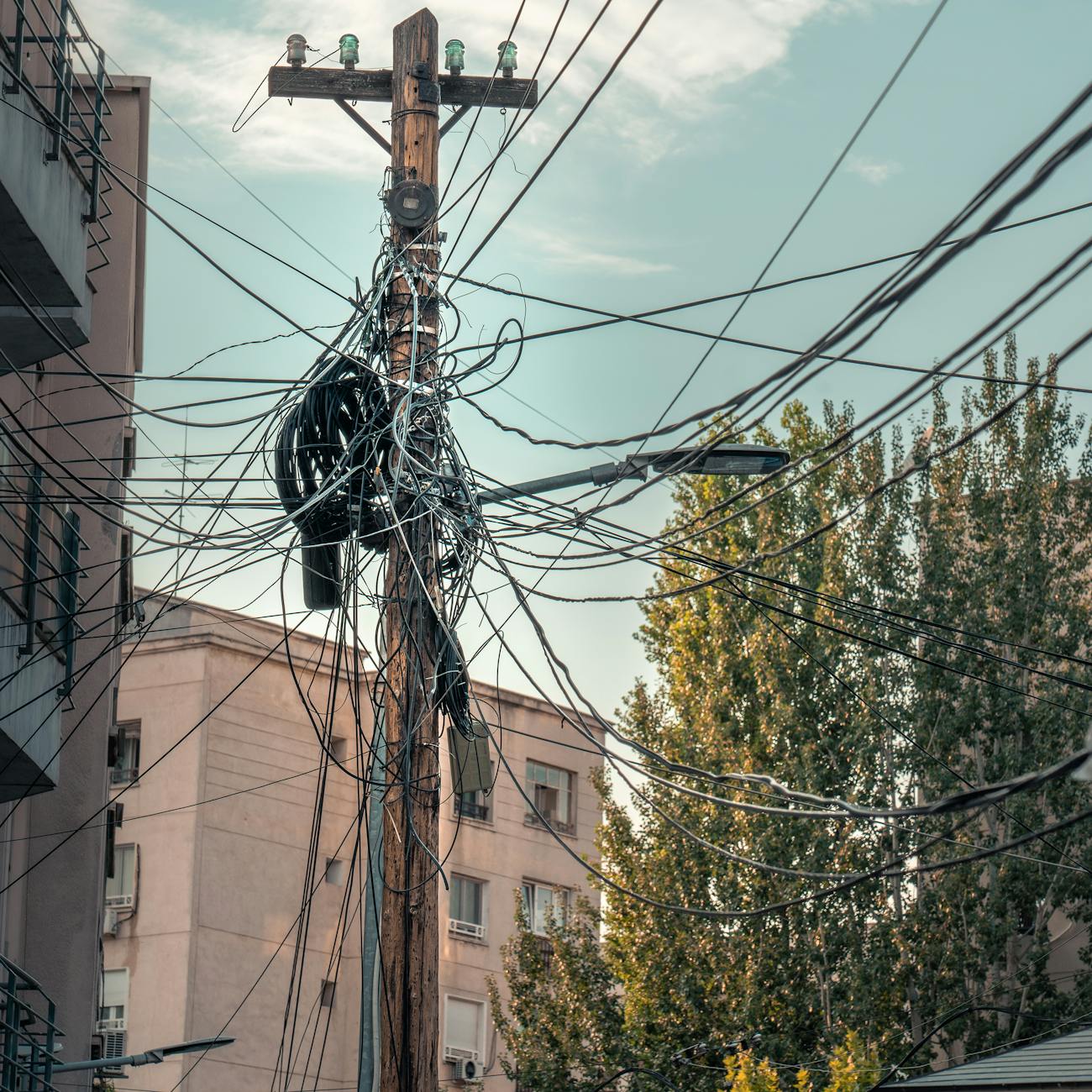
Transmission Line Design is a crucial aspect of electrical power transmission systems. It involves the planning, analysis, and optimization of the infrastructure required to transfer electrical energy from power generation facilities to distribution points. In this course, we will delve into the key terms and vocabulary essential for understanding Transmission Line Design.
1. **Transmission Line:** A transmission line is a specialized cable or other structure designed to carry electricity from a power plant to a substation or from one substation to another. It is a critical component of the electrical grid.
2. **Electric Power Transmission:** Electric power transmission is the process of delivering electricity from power plants to substations and then to distribution points. Transmission lines play a vital role in this process by carrying high voltage electricity over long distances.
3. **Voltage:** Voltage is the electrical potential difference between two points in a circuit. In transmission line design, high voltages are used to reduce power losses and allow for efficient long-distance power transfer.
4. **Current:** Current is the flow of electric charge in a circuit. In transmission lines, high currents can lead to power losses due to resistance, so minimizing current is essential for efficient power transmission.
5. **Resistance:** Resistance is the opposition to the flow of electric current in a material. In transmission lines, resistance causes power losses and heat generation, which can affect the efficiency of the system.
6. **Reactance:** Reactance is the opposition to the flow of alternating current caused by inductance and capacitance in a circuit. It affects the behavior of transmission lines at high frequencies and can impact power quality.
7. **Impedance:** Impedance is the combination of resistance and reactance in a circuit. It represents the total opposition to the flow of current and plays a crucial role in determining the behavior of transmission lines.
8. **Capacitance:** Capacitance is the ability of a system to store electrical charge. In transmission lines, capacitance can affect power factor and voltage regulation, especially in long-distance high voltage lines.
9. **Inductance:** Inductance is the property of a circuit that opposes changes in current. In transmission lines, inductance can cause voltage drops and affect the power transfer capability of the system.
10. **Power Factor:** Power factor is the ratio of real power to apparent power in an AC circuit. It is a measure of how effectively power is being used in a system and can impact the efficiency of power transmission.
11. **Corona Discharge:** Corona discharge is a phenomenon that occurs in high voltage transmission lines when the electric field around the conductors ionizes the surrounding air, creating a visible glow. It can lead to power losses and affect the performance of the line.
12. **Sag:** Sag is the downward deflection of a transmission line between support structures due to the weight of the conductors. Proper sag calculation is crucial to ensure the safety and reliability of the line.
13. **Tension:** Tension is the force exerted on a transmission line to keep it taut and prevent excessive sag. Proper tensioning is essential to maintain the mechanical integrity of the line and prevent damage.
14. **Clearance:** Clearance is the distance between a transmission line and any objects or structures nearby. Sufficient clearance is critical to prevent electrical arcing and ensure the safety of the line.
15. **Insulator:** An insulator is a material or device used to prevent the flow of electric current. In transmission lines, insulators are used to support the conductors and isolate them from the supporting structures.
16. **Conductor:** A conductor is a material that allows the flow of electric current. In transmission lines, conductors are used to carry electricity from one point to another and are typically made of aluminum or copper.
17. **Bundle Conductors:** Bundle conductors are multiple individual conductors grouped together to form a larger conductor. Bundling increases the effective surface area of the conductor, reducing resistance and improving transmission efficiency.
18. **Transmission Tower:** A transmission tower is a structure that supports the conductors of a transmission line. Towers are designed to withstand the mechanical and environmental stresses placed on the line.
19. **Right-of-Way:** The right-of-way is the land or easement granted for the construction and maintenance of a transmission line. It provides the necessary space for the line and ensures access for maintenance and repairs.
20. **Grounding:** Grounding is the practice of connecting electrical systems to the earth to prevent the buildup of static electricity and to provide a path for fault currents. Proper grounding is essential for the safety and reliability of transmission lines.
21. **Ferranti Effect:** The Ferranti Effect is a phenomenon in long transmission lines where the voltage at the receiving end is higher than at the sending end, due to capacitive reactance. It can lead to overvoltage conditions and affect system stability.
22. **Load Flow Analysis:** Load flow analysis is a computational method used to determine the steady-state operating conditions of a power system, including voltage, current, and power flow. It is essential for designing efficient transmission lines.
23. **Short Circuit Analysis:** Short circuit analysis is the study of the behavior of a power system under fault conditions, such as a short circuit. It helps in evaluating the performance of protection systems and ensuring the safety of transmission lines.
24. **Stability Analysis:** Stability analysis is the assessment of the ability of a power system to maintain steady operation in the presence of disturbances. It is crucial for ensuring the reliability and security of transmission lines.
25. **Reliability Assessment:** Reliability assessment is the evaluation of the ability of a power system to deliver electricity consistently under normal and abnormal conditions. It helps in identifying potential risks and improving the performance of transmission lines.
26. **Overhead Line Design:** Overhead line design involves the selection of conductors, insulators, and support structures for transmitting electricity above ground. It is a common approach for long-distance transmission due to its cost-effectiveness and ease of maintenance.
27. **Underground Cable Design:** Underground cable design involves the selection of cables, insulation, and installation methods for transmitting electricity underground. It is used in urban areas or environmentally sensitive regions where overhead lines are not feasible.
28. **HVDC Transmission:** High Voltage Direct Current (HVDC) transmission is a method of transmitting electricity over long distances using direct current. HVDC systems are efficient for transmitting large amounts of power over interconnecting grids.
29. **AC Transmission:** Alternating Current (AC) transmission is the most common method of transmitting electricity in power systems. AC transmission lines carry electricity at high voltages and frequencies, allowing for efficient power transfer.
30. **HVAC Transmission:** High Voltage Alternating Current (HVAC) transmission refers to the transmission of electricity at high voltages using alternating current. It is the standard method of transmitting power in most electrical grids.
31. **HV Substation:** A High Voltage (HV) substation is a facility that transforms electricity from high voltage transmission lines to lower voltages for distribution. Substations play a crucial role in the power grid by regulating voltage and controlling power flow.
32. **Earthing System:** The earthing system is the network of conductors and electrodes used to connect electrical systems to the earth. It provides a path for fault currents and protects equipment and personnel from electric shocks.
33. **Conductor Ampacity:** Conductor ampacity is the maximum current-carrying capacity of a conductor without exceeding its temperature rating. It is crucial for determining the size and type of conductors used in transmission lines.
34. **Line Losses:** Line losses are the power losses that occur in transmission lines due to resistance, reactance, and other factors. Minimizing line losses is essential for maintaining the efficiency and reliability of the power system.
35. **Power System Reliability:** Power system reliability is the ability of a power system to deliver electricity consistently and without interruptions. Reliability is a key factor in ensuring the quality of service and meeting the demand for electricity.
36. **Fault Current:** Fault current is the current that flows in a power system when a fault, such as a short circuit, occurs. Understanding fault currents is essential for designing protection systems and ensuring the safety of transmission lines.
37. **Voltage Regulation:** Voltage regulation is the ability of a power system to maintain a stable voltage level under varying load conditions. Proper voltage regulation is essential for ensuring the quality of electricity supply and protecting equipment.
38. **Power Transfer Capability:** Power transfer capability is the maximum amount of power that a transmission line or system can carry without exceeding its thermal or voltage limits. Optimizing power transfer capability is crucial for efficient power transmission.
39. **Dynamic Line Rating:** Dynamic Line Rating is a technique used to adjust the thermal rating of a transmission line based on real-time weather conditions and system parameters. It helps in maximizing the capacity of the line without compromising safety.
40. **Smart Grid:** A Smart Grid is an advanced power system that uses digital communication and technology to improve the efficiency, reliability, and sustainability of electricity transmission and distribution. Smart grids enable real-time monitoring and control of power flows.
41. **Energy Storage:** Energy storage systems store excess electricity generated during off-peak hours for use during peak demand periods. They help in balancing supply and demand, improving grid stability, and integrating renewable energy sources.
42. **Renewable Energy Integration:** Renewable energy integration is the process of incorporating renewable energy sources, such as solar and wind, into the power grid. Transmission line design plays a crucial role in connecting renewable energy sources to the existing infrastructure.
43. **Grid Resilience:** Grid resilience is the ability of a power system to withstand and recover from disruptions, such as natural disasters or cyber attacks. Resilient transmission lines are essential for ensuring the continuity of electricity supply in challenging conditions.
44. **Cybersecurity:** Cybersecurity refers to the protection of computer systems and networks from cyber threats and attacks. Securing the control and communication systems of transmission lines is critical for maintaining the reliability and safety of the power grid.
In conclusion, understanding the key terms and vocabulary related to Transmission Line Design is essential for professionals working in the field of electrical power transmission. By mastering these concepts, engineers can design efficient, reliable, and safe transmission lines that form the backbone of modern power systems.
Key takeaways
- It involves the planning, analysis, and optimization of the infrastructure required to transfer electrical energy from power generation facilities to distribution points.
- **Transmission Line:** A transmission line is a specialized cable or other structure designed to carry electricity from a power plant to a substation or from one substation to another.
- **Electric Power Transmission:** Electric power transmission is the process of delivering electricity from power plants to substations and then to distribution points.
- In transmission line design, high voltages are used to reduce power losses and allow for efficient long-distance power transfer.
- In transmission lines, high currents can lead to power losses due to resistance, so minimizing current is essential for efficient power transmission.
- In transmission lines, resistance causes power losses and heat generation, which can affect the efficiency of the system.
- **Reactance:** Reactance is the opposition to the flow of alternating current caused by inductance and capacitance in a circuit.