
Urban Planning for Heat Resilience
Urban Planning is the process of designing, organizing, and managing urban areas with the goal of improving the quality of life for its residents. It involves making decisions on land use, transportation, infrastructure, and public spaces t…
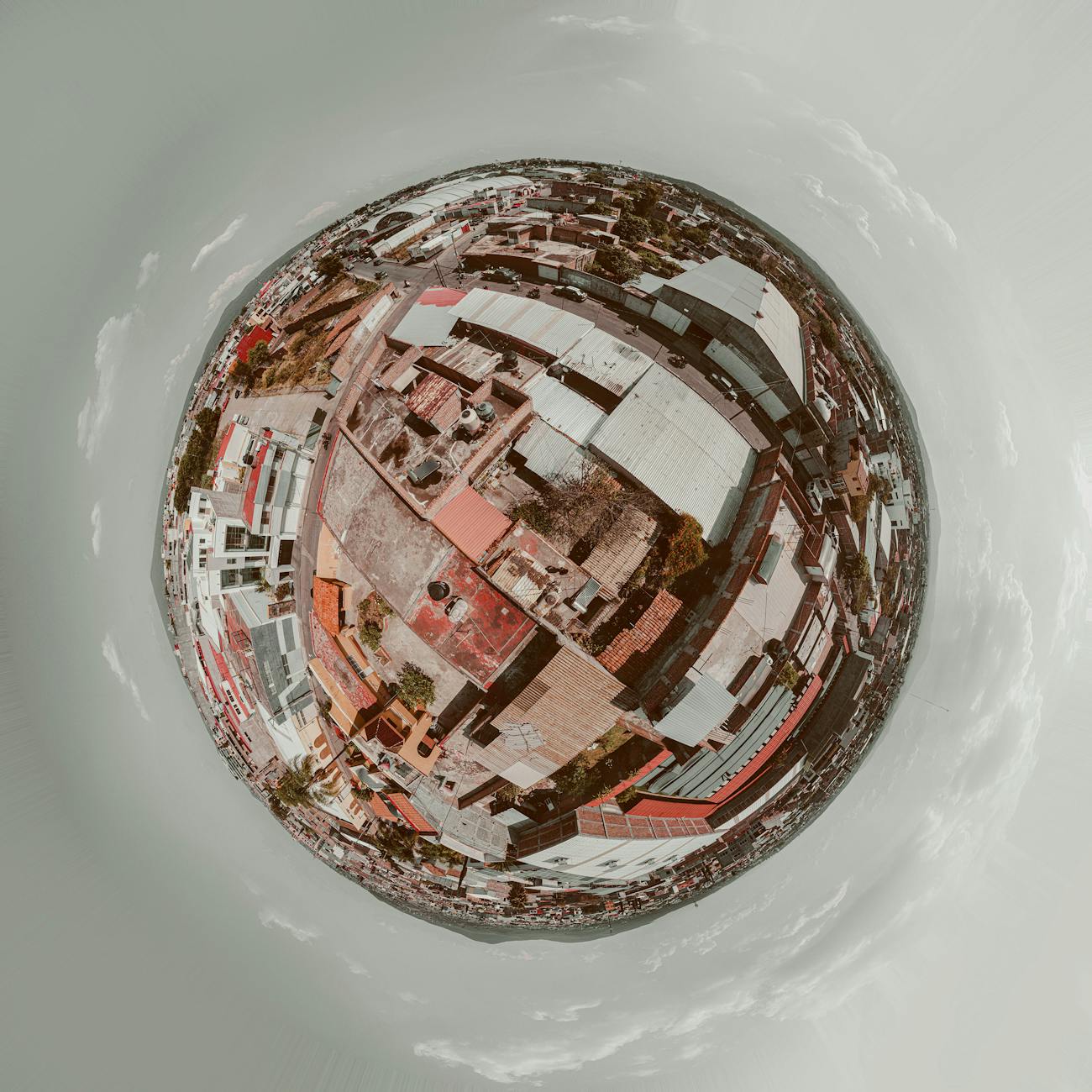
Urban Planning is the process of designing, organizing, and managing urban areas with the goal of improving the quality of life for its residents. It involves making decisions on land use, transportation, infrastructure, and public spaces to create sustainable, resilient, and livable cities.
Heat Resilience refers to the ability of a city or urban area to withstand and adapt to extreme heat events, such as heatwaves, in order to protect the health and well-being of its residents. It involves implementing strategies and measures to reduce the impact of heat on urban environments.
Postgraduate Certificate in Urban Heat Mapping and Analysis is a specialized program that focuses on the use of technology and data analysis to map and analyze heat patterns in urban areas. It equips students with the skills and knowledge to understand and address heat-related challenges in cities.
Urban Heat Island (UHI) is a phenomenon where urban areas experience higher temperatures than surrounding rural areas due to human activities and built infrastructure. UHIs can lead to increased energy consumption, air pollution, and heat-related health risks.
Land Use refers to the specific purposes for which land is utilized within a city or urban area, such as residential, commercial, industrial, or recreational. Effective land use planning is essential for creating sustainable and resilient urban environments.
Transportation plays a crucial role in urban planning as it determines how people and goods move within a city. Sustainable transportation solutions, such as public transit, cycling infrastructure, and pedestrian-friendly design, can help reduce heat emissions and improve air quality.
Infrastructure refers to the physical systems and facilities that support urban life, including water supply, waste management, energy distribution, and telecommunications. Well-designed infrastructure is essential for enhancing the resilience of cities to heat events.
Public Spaces are areas within a city that are accessible to the general public, such as parks, plazas, and streets. Well-designed public spaces can provide cooling opportunities, promote social interaction, and enhance the overall quality of urban life.
Sustainability in urban planning refers to the practice of meeting the needs of the present generation without compromising the ability of future generations to meet their own needs. Sustainable urban development considers environmental, social, and economic factors to create resilient cities.
Resilience is the ability of a city or urban area to bounce back from shocks and stresses, such as extreme heat events, climate change, or natural disasters. Resilient cities are able to adapt, recover, and thrive in the face of adversity.
Adaptation involves adjusting to changing environmental conditions, such as rising temperatures, by implementing strategies to reduce vulnerability and enhance resilience. Adaptation measures in urban planning can include green infrastructure, building design, and heat mitigation strategies.
Mitigation refers to actions taken to reduce or prevent the impacts of climate change, such as reducing greenhouse gas emissions or heat-trapping pollutants. Mitigation strategies in urban planning can include energy-efficient buildings, sustainable transportation, and renewable energy sources.
Heat Mitigation involves implementing measures to reduce the impact of heat in urban areas, such as increasing vegetation, improving building design, and reducing heat emissions. Heat mitigation strategies can help lower temperatures, improve air quality, and protect public health.
Vegetation plays a crucial role in heat resilience as trees and plants provide shade, absorb heat, and cool the air through evapotranspiration. Urban greening initiatives, such as planting trees and creating green spaces, can help reduce temperatures and enhance the livability of cities.
Building Design is an important factor in heat resilience as the design and materials used in buildings can influence indoor temperatures and energy consumption. Sustainable building design features, such as green roofs, cool roofs, and passive cooling systems, can help reduce heat exposure and energy use.
Green Infrastructure refers to natural or nature-based solutions that help manage stormwater, reduce heat, and enhance biodiversity in urban areas. Green infrastructure includes features such as rain gardens, green roofs, permeable pavement, and urban forests.
Urban Forest is a collection of trees and vegetation within a city that provides numerous benefits, including shade, cooling, air purification, and habitat for wildlife. Urban forests play a vital role in heat resilience by reducing temperatures, improving air quality, and enhancing the overall urban environment.
Adaptive Capacity is the ability of a city or urban area to adjust to changing conditions, such as increasing temperatures, by implementing flexible and responsive strategies. Cities with high adaptive capacity can effectively manage heat-related challenges and enhance resilience.
Climate Change refers to long-term changes in temperature, precipitation, and weather patterns caused by human activities, such as burning fossil fuels and deforestation. Climate change is a major driver of heat-related challenges in urban areas and requires proactive measures to mitigate its impacts.
Greenhouse Gas Emissions are gases, such as carbon dioxide and methane, that trap heat in the Earth's atmosphere and contribute to global warming. Reducing greenhouse gas emissions through sustainable practices, such as renewable energy and energy efficiency, is essential for addressing heat resilience in cities.
Heatwave is a prolonged period of excessively hot weather, typically with high temperatures and humidity, that can pose health risks to individuals, especially vulnerable populations. Urban areas are particularly susceptible to heatwaves due to the urban heat island effect and built infrastructure.
Air Quality is a measure of the cleanliness of the air in a given area, including the presence of pollutants and particulate matter. High temperatures can exacerbate air pollution and respiratory issues, making it critical for urban areas to improve air quality through sustainable practices.
Vulnerable Populations are groups of people who are at higher risk of experiencing negative impacts from heat events, such as the elderly, children, pregnant women, and individuals with pre-existing health conditions. Urban planning strategies should prioritize the needs of vulnerable populations to enhance heat resilience.
Community Engagement involves involving residents, stakeholders, and community organizations in the urban planning process to ensure that their voices are heard and their needs are addressed. Effective community engagement can lead to more inclusive, sustainable, and resilient cities.
Data Analysis is the process of inspecting, cleaning, transforming, and modeling data to extract useful information and insights. Data analysis techniques, such as heat mapping and spatial analysis, play a crucial role in understanding heat patterns and informing urban planning decisions.
Technology refers to tools, devices, and systems that are used to enhance the efficiency, effectiveness, and sustainability of urban planning processes. Technologies such as Geographic Information Systems (GIS), remote sensing, and data visualization can help analyze heat patterns and inform decision-making.
GIS (Geographic Information Systems) is a technology that allows users to capture, store, analyze, and display spatial data on maps. GIS is widely used in urban planning to understand the spatial relationships between different features, such as land use, infrastructure, and heat patterns.
Remote Sensing involves collecting data from a distance, typically using satellites or aerial platforms, to monitor and analyze Earth's surface. Remote sensing techniques can provide valuable information on heat patterns, land cover, and urban development to support urban planning efforts.
Data Visualization is the graphical representation of data to communicate information clearly and effectively. Data visualization tools, such as heat maps, charts, and graphs, can help urban planners and policymakers understand complex heat patterns and trends in cities.
Urban Development refers to the growth and expansion of cities through the construction of buildings, infrastructure, and public spaces. Sustainable urban development aims to create resilient, inclusive, and livable cities that can withstand heat events and other challenges.
Inclusive Design involves creating urban environments that are accessible, equitable, and welcoming to all residents, regardless of age, ability, or background. Inclusive design principles can help ensure that heat resilience strategies benefit all members of the community.
Policy refers to a set of guidelines, rules, or regulations established by governments to address specific issues or challenges. Heat resilience policies in urban planning can include building codes, zoning regulations, and climate action plans to promote sustainable and resilient cities.
Zoning is a planning tool used to regulate land use and development within a city by designating specific zones for residential, commercial, industrial, or recreational purposes. Zoning regulations can influence heat resilience by controlling building density, height, and green space requirements.
Climate Action Plan is a comprehensive strategy developed by cities to mitigate and adapt to climate change impacts, including extreme heat events. Climate action plans typically include greenhouse gas reduction targets, renewable energy goals, and resilience strategies to enhance urban heat resilience.
Green Building refers to structures that are designed and constructed using sustainable materials and practices to minimize environmental impact and improve energy efficiency. Green buildings can help reduce heat exposure, lower energy consumption, and enhance indoor comfort for occupants.
Renewable Energy sources, such as solar, wind, and hydroelectric power, that are derived from natural resources and do not deplete or harm the environment. Using renewable energy sources in urban areas can help reduce greenhouse gas emissions and enhance heat resilience.
Urban Design is the process of shaping the physical form and layout of cities to create functional, attractive, and sustainable urban environments. Urban design principles, such as mixed land uses, pedestrian-friendly streets, and green spaces, can enhance heat resilience and livability.
Resilient Infrastructure refers to the design and construction of infrastructure systems that can withstand and recover from shocks and stresses, such as extreme heat events or natural disasters. Resilient infrastructure is essential for enhancing the overall resilience of cities.
Smart City is a city that uses technology and data to enhance the efficiency, sustainability, and quality of urban life. Smart city initiatives, such as sensor networks, data analytics, and digital platforms, can help monitor heat patterns, optimize resource use, and improve heat resilience.
Public Health is the science of protecting and improving the health of communities through education, promotion, and disease prevention. Public health considerations are critical in urban planning to address heat-related health risks and protect the well-being of residents.
Equity refers to fairness and justice in the distribution of resources, opportunities, and benefits within a community. Equity considerations in urban planning can help ensure that heat resilience strategies benefit all residents, particularly vulnerable populations and marginalized communities.
Stakeholder is an individual or group that has an interest or stake in a particular project, policy, or decision. Engaging stakeholders, such as residents, businesses, NGOs, and government agencies, is essential in urban planning to ensure a collaborative and inclusive approach to heat resilience.
Capacity Building involves developing the knowledge, skills, and resources of individuals and organizations to address specific challenges or opportunities. Capacity building in urban planning can help enhance the ability of cities to implement heat resilience strategies effectively.
Public Policy is a government's course of action to address public issues, such as climate change, urban development, or heat resilience. Public policies can play a crucial role in shaping urban planning decisions and promoting sustainable and resilient cities.
Collaboration involves working together with various stakeholders, such as government agencies, community organizations, and academic institutions, to achieve common goals and address complex challenges. Collaboration in urban planning can help build consensus, share resources, and enhance heat resilience efforts.
Monitoring and Evaluation is the process of assessing and tracking the progress and effectiveness of heat resilience strategies and initiatives. Monitoring and evaluation help identify strengths, weaknesses, and areas for improvement to enhance the overall resilience of cities.
Best Practices refer to proven strategies, methods, or approaches that have been successful in achieving positive outcomes in a particular field or context. Identifying and sharing best practices in urban planning can help cities learn from each other and improve their heat resilience efforts.
Case Study is an in-depth analysis of a particular project, program, or initiative to understand its successes, challenges, and lessons learned. Case studies in urban planning can provide valuable insights into effective heat resilience strategies and inform decision-making in other cities.
Challenges are obstacles or difficulties that cities may face in implementing heat resilience strategies, such as limited resources, competing priorities, and lack of political will. Addressing challenges effectively is essential for building sustainable and resilient cities.
Opportunities are favorable circumstances or possibilities that cities can leverage to enhance their heat resilience efforts, such as funding opportunities, technological advancements, and community engagement. Identifying and seizing opportunities can help cities overcome challenges and achieve their resilience goals.
Key takeaways
- Urban Planning is the process of designing, organizing, and managing urban areas with the goal of improving the quality of life for its residents.
- Heat Resilience refers to the ability of a city or urban area to withstand and adapt to extreme heat events, such as heatwaves, in order to protect the health and well-being of its residents.
- Postgraduate Certificate in Urban Heat Mapping and Analysis is a specialized program that focuses on the use of technology and data analysis to map and analyze heat patterns in urban areas.
- Urban Heat Island (UHI) is a phenomenon where urban areas experience higher temperatures than surrounding rural areas due to human activities and built infrastructure.
- Land Use refers to the specific purposes for which land is utilized within a city or urban area, such as residential, commercial, industrial, or recreational.
- Sustainable transportation solutions, such as public transit, cycling infrastructure, and pedestrian-friendly design, can help reduce heat emissions and improve air quality.
- Infrastructure refers to the physical systems and facilities that support urban life, including water supply, waste management, energy distribution, and telecommunications.