
Lighting Technologies
Lighting Technologies: Lighting technologies refer to the different methods, systems, and devices used to illuminate spaces for various purposes. In the context of health and social care, proper lighting systems are crucial for creating a s…
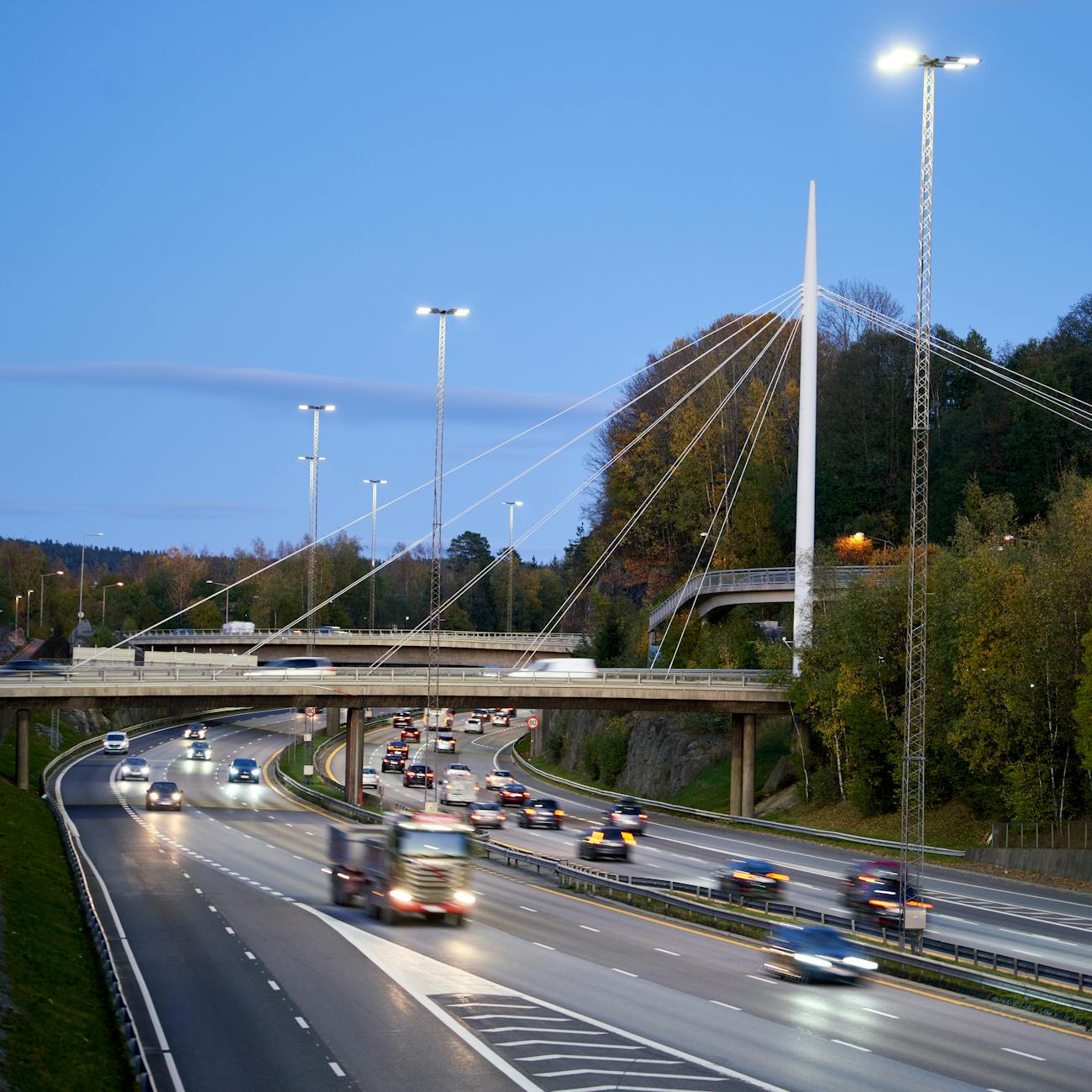
Lighting Technologies: Lighting technologies refer to the different methods, systems, and devices used to illuminate spaces for various purposes. In the context of health and social care, proper lighting systems are crucial for creating a safe and comfortable environment for patients, residents, and staff. Understanding key lighting technologies is essential for designing effective lighting solutions that promote well-being and enhance the quality of care provided.
LED Lighting: LED lighting, or Light Emitting Diode lighting, is a popular and energy-efficient lighting technology that has revolutionized the lighting industry. LEDs are semiconductor devices that convert electricity into light through the movement of electrons. They offer numerous benefits, including long lifespan, low energy consumption, and high durability. LED lighting is widely used in healthcare facilities, as it provides bright, uniform light that can improve visibility and reduce eye strain. Additionally, LEDs can be dimmed and controlled easily, allowing for customizable lighting solutions.
Fluorescent Lighting: Fluorescent lighting is another common type of lighting technology that uses a tube filled with mercury vapor to produce light. When electricity passes through the mercury vapor, it creates ultraviolet light, which then interacts with the phosphor coating inside the tube to produce visible light. Fluorescent lighting is known for its energy efficiency and long lifespan. However, it can produce a flickering effect that may cause discomfort or headaches for some individuals. In healthcare settings, fluorescent lighting is often used in areas where bright, white light is needed, such as examination rooms or surgical suites.
Halogen Lighting: Halogen lighting is a type of incandescent lighting that uses a tungsten filament enclosed in a small, transparent envelope filled with a halogen gas. When electricity passes through the filament, it heats up and produces light. Halogen lighting offers a bright, white light that is similar to natural daylight, making it ideal for task lighting applications. However, halogen bulbs can get very hot, posing a fire hazard if not used properly. In healthcare environments, halogen lighting may be used in specific areas where focused, intense light is required, such as in operating rooms or procedure rooms.
CFL Lighting: Compact Fluorescent Lamp (CFL) lighting is a more compact and energy-efficient version of traditional fluorescent lighting. CFL bulbs use the same technology as fluorescent tubes but are coiled or twisted into a compact shape. They provide bright, cool light that is suitable for general lighting applications. CFL lighting is known for its energy efficiency and long lifespan, making it a popular choice for residential and commercial spaces. In healthcare settings, CFL lighting may be used in common areas, hallways, or patient rooms to provide adequate illumination while saving energy.
Smart Lighting: Smart lighting refers to lighting systems that are connected to a network and can be controlled remotely using a smartphone, tablet, or computer. These systems often include sensors, timers, and dimmers that allow for personalized lighting settings based on occupancy, time of day, or user preferences. Smart lighting can help improve energy efficiency, enhance security, and create a more comfortable environment for occupants. In healthcare facilities, smart lighting systems can be used to adjust light levels in patient rooms, corridors, or waiting areas to promote healing and well-being.
Human-Centric Lighting: Human-centric lighting is a lighting design approach that aims to mimic the natural light cycle to support human health and well-being. This type of lighting considers the physiological and psychological effects of light on individuals and adjusts lighting conditions accordingly. Human-centric lighting systems may change color temperature, intensity, and direction of light throughout the day to simulate natural sunlight patterns. In healthcare settings, human-centric lighting can help regulate circadian rhythms, improve sleep quality, and reduce stress for patients and staff.
Color Temperature: Color temperature refers to the color appearance of light emitted by a light source, measured in Kelvin (K). Lower color temperatures (below 3000K) produce warm, yellowish light similar to incandescent bulbs, while higher color temperatures (above 5000K) produce cool, bluish light similar to daylight. Color temperature can affect the mood, visibility, and aesthetics of a space. In healthcare environments, selecting the appropriate color temperature is crucial for creating a comfortable and functional lighting atmosphere. For example, warm light may be used in patient rooms to promote relaxation, while cool light may be used in surgical suites for better visibility.
Lighting Controls: Lighting controls are devices or systems that allow users to adjust and regulate the intensity, color, and timing of light sources. Common lighting controls include dimmers, timers, sensors, and programmable switches. These controls can help optimize energy usage, enhance visual comfort, and create tailored lighting environments. In healthcare facilities, lighting controls play a vital role in providing adequate illumination for different tasks and activities. For example, dimmers may be used in patient rooms to adjust light levels based on individual preferences, while sensors may be used in corridors to save energy when spaces are unoccupied.
Task Lighting: Task lighting is a type of lighting that is specifically designed to illuminate a particular area or task. It provides focused, directional light that enhances visibility and reduces eye strain when performing tasks such as reading, writing, or working on a computer. Task lighting fixtures may include desk lamps, under-cabinet lights, or pendant lights that can be adjusted to direct light where it is needed most. In healthcare settings, task lighting is essential in areas where precise illumination is required, such as examination rooms, nursing stations, or surgical suites.
Emergency Lighting: Emergency lighting is a critical component of building safety and is designed to provide illumination in the event of a power outage or emergency situation. Emergency lighting systems include battery-powered lights, exit signs, and pathway lighting that help guide occupants to safety during emergencies. In healthcare facilities, emergency lighting is essential to ensure the safety and well-being of patients, staff, and visitors. Regular testing and maintenance of emergency lighting systems are necessary to ensure they function properly when needed.
Lighting Design: Lighting design is the process of planning and implementing lighting solutions that meet the functional, aesthetic, and ergonomic needs of a space. Lighting designers consider factors such as light levels, color temperature, glare, and energy efficiency when creating lighting layouts. Effective lighting design can enhance the overall ambiance of a space, improve visual comfort, and support specific activities or tasks. In healthcare environments, lighting design plays a crucial role in creating healing environments that promote patient well-being and staff productivity.
Daylighting: Daylighting is the practice of using natural daylight to illuminate interior spaces through windows, skylights, or light wells. Daylighting can reduce the need for artificial lighting, save energy, and create a connection to the outdoors for occupants. Proper daylighting design considers factors such as building orientation, window size, and shading to optimize natural light levels and minimize glare. In healthcare facilities, daylighting can help create a healing environment that benefits patients, staff, and visitors. However, challenges such as glare control and daylight harvesting must be addressed to ensure optimal lighting performance.
Lighting Maintenance: Lighting maintenance involves regular inspection, cleaning, and repair of lighting fixtures to ensure optimal performance and safety. Proper lighting maintenance can extend the lifespan of light sources, reduce energy consumption, and prevent potential hazards such as flickering or overheating. In healthcare settings, lighting maintenance is essential to provide a safe and comfortable environment for patients and staff. Routine maintenance tasks may include replacing burnt-out bulbs, cleaning light fixtures, and checking for signs of wear or damage. Establishing a comprehensive lighting maintenance plan can help ensure that lighting systems operate efficiently and effectively.
Lighting Regulations: Lighting regulations are standards and guidelines set by regulatory bodies to ensure that lighting systems meet specific requirements for safety, energy efficiency, and performance. Compliance with lighting regulations is essential for maintaining a safe and functional environment for occupants. In healthcare facilities, lighting regulations may cover aspects such as emergency lighting, light levels, color rendering, and glare control. It is important for lighting designers and facility managers to stay informed about current lighting regulations and codes to ensure that lighting systems meet the necessary standards.
Lighting Retrofit: A lighting retrofit involves upgrading or replacing existing lighting fixtures with more energy-efficient and advanced technologies. Retrofitting lighting systems can help reduce energy consumption, improve lighting quality, and lower maintenance costs. Common retrofit solutions include replacing incandescent bulbs with LEDs, installing lighting controls, or upgrading fluorescent fixtures to more efficient options. In healthcare facilities, lighting retrofits can not only save energy and reduce operating costs but also enhance the overall lighting environment for patients, staff, and visitors. Proper planning and implementation of lighting retrofits are essential to maximize the benefits of upgraded lighting systems.
Light Pollution: Light pollution refers to the excessive, misdirected, or intrusive artificial light that can disrupt natural ecosystems, wildlife, and human health. Light pollution can result from sources such as streetlights, advertisements, and building facades that emit light into the night sky or neighboring properties. In healthcare settings, light pollution can affect patient recovery, disrupt sleep patterns, and contribute to visual discomfort for staff. Mitigating light pollution through proper lighting design, shielding, and control measures is essential to create a healing environment that supports well-being and sustainability.
Energy Efficiency: Energy efficiency refers to the ability of a lighting system to produce the desired light output while minimizing energy consumption and waste. Energy-efficient lighting technologies, such as LEDs and CFLs, can help reduce electricity usage, lower operating costs, and decrease environmental impact. In healthcare facilities, energy efficiency is a key consideration when designing lighting systems to meet sustainability goals and regulatory requirements. Implementing energy-efficient lighting solutions can not only save money but also contribute to a healthier and more environmentally friendly healthcare environment.
Wellness Lighting: Wellness lighting focuses on creating lighting environments that support human health, well-being, and productivity. This approach considers the biological effects of light on circadian rhythms, sleep patterns, and mood regulation. Wellness lighting systems may include tunable white light, dynamic lighting controls, and personalized lighting scenarios that promote healing and comfort. In healthcare settings, wellness lighting can play a significant role in enhancing patient recovery, reducing stress, and improving staff performance. By incorporating wellness lighting principles into design strategies, healthcare facilities can create healing environments that prioritize the holistic well-being of occupants.
Lighting Simulation: Lighting simulation is a computer-based tool used to predict and analyze the performance of lighting systems in a virtual environment. Lighting designers can use simulation software to model light distribution, color rendering, glare, and energy usage before implementing a lighting design. By simulating different lighting scenarios, designers can optimize lighting layouts, assess visual comfort, and evaluate the overall effectiveness of the lighting solution. In healthcare projects, lighting simulation can help ensure that lighting systems meet the specific needs of patients, staff, and visitors while achieving energy efficiency and compliance with lighting standards.
Dynamic Lighting: Dynamic lighting systems allow for the adjustment of light levels, color temperature, and intensity throughout the day to mimic natural daylight patterns. These systems can help regulate circadian rhythms, improve mood, and enhance visual comfort for occupants. Dynamic lighting solutions may include tunable white light fixtures, automated controls, and user-programmable settings that adapt to changing lighting conditions. In healthcare environments, dynamic lighting can be used in patient rooms, treatment areas, or common spaces to create a healing environment that supports recovery and well-being. Implementing dynamic lighting systems requires careful planning and coordination to ensure optimal lighting performance and user satisfaction.
Lighting Controls Integration: Lighting controls integration involves the coordination of different lighting control systems to create a seamless and interconnected lighting environment. Integrated lighting controls allow for centralized management, real-time monitoring, and synchronized operation of multiple lighting systems. This approach can enhance energy efficiency, improve user experience, and streamline maintenance procedures. In healthcare facilities, lighting controls integration can help optimize lighting performance, maximize operational efficiency, and ensure compliance with lighting regulations. By integrating lighting controls with building automation systems, healthcare facilities can achieve a higher level of lighting functionality and flexibility to meet the diverse needs of occupants.
Advanced Lighting Technologies: Advanced lighting technologies encompass innovative lighting solutions that push the boundaries of traditional lighting design and functionality. These technologies may include tunable white light, circadian lighting, OLEDs (Organic Light-Emitting Diodes), and Li-Fi (Light Fidelity) systems. Advanced lighting technologies offer unique benefits such as improved color rendering, enhanced visual comfort, and increased energy efficiency. In healthcare applications, advanced lighting technologies can transform the lighting environment to support healing, comfort, and productivity. Understanding the capabilities and limitations of advanced lighting technologies is crucial for designing lighting solutions that meet the specific requirements of healthcare settings and enhance the overall quality of care provided.
Challenges in Lighting Design: Designing proper lighting systems for health and social care settings comes with various challenges that must be addressed to ensure optimal lighting performance and user satisfaction. Some common challenges include:
- Balancing energy efficiency with lighting quality: Achieving energy savings while maintaining adequate light levels and visual comfort. - Managing glare and reflections: Minimizing glare and reflections to prevent visual discomfort and enhance visibility. - Addressing circadian lighting needs: Aligning lighting design with circadian rhythms to support well-being and healing. - Integrating lighting controls: Coordinating different lighting control systems to create a cohesive and user-friendly lighting environment. - Mitigating light pollution: Controlling light spill and glare to reduce light pollution and create a sustainable lighting environment. - Adapting to changing technology: Keeping pace with advancements in lighting technologies and incorporating new innovations into lighting design strategies.
By understanding and addressing these challenges, lighting designers and healthcare professionals can create lighting solutions that enhance the quality of care, promote well-being, and contribute to a healing environment for patients, residents, and staff.
Key takeaways
- In the context of health and social care, proper lighting systems are crucial for creating a safe and comfortable environment for patients, residents, and staff.
- LED Lighting: LED lighting, or Light Emitting Diode lighting, is a popular and energy-efficient lighting technology that has revolutionized the lighting industry.
- When electricity passes through the mercury vapor, it creates ultraviolet light, which then interacts with the phosphor coating inside the tube to produce visible light.
- Halogen Lighting: Halogen lighting is a type of incandescent lighting that uses a tungsten filament enclosed in a small, transparent envelope filled with a halogen gas.
- In healthcare settings, CFL lighting may be used in common areas, hallways, or patient rooms to provide adequate illumination while saving energy.
- Smart Lighting: Smart lighting refers to lighting systems that are connected to a network and can be controlled remotely using a smartphone, tablet, or computer.
- Human-Centric Lighting: Human-centric lighting is a lighting design approach that aims to mimic the natural light cycle to support human health and well-being.