
Environmental Management in Mining
Environmental Management in Mining:
Environmental Management in Mining:
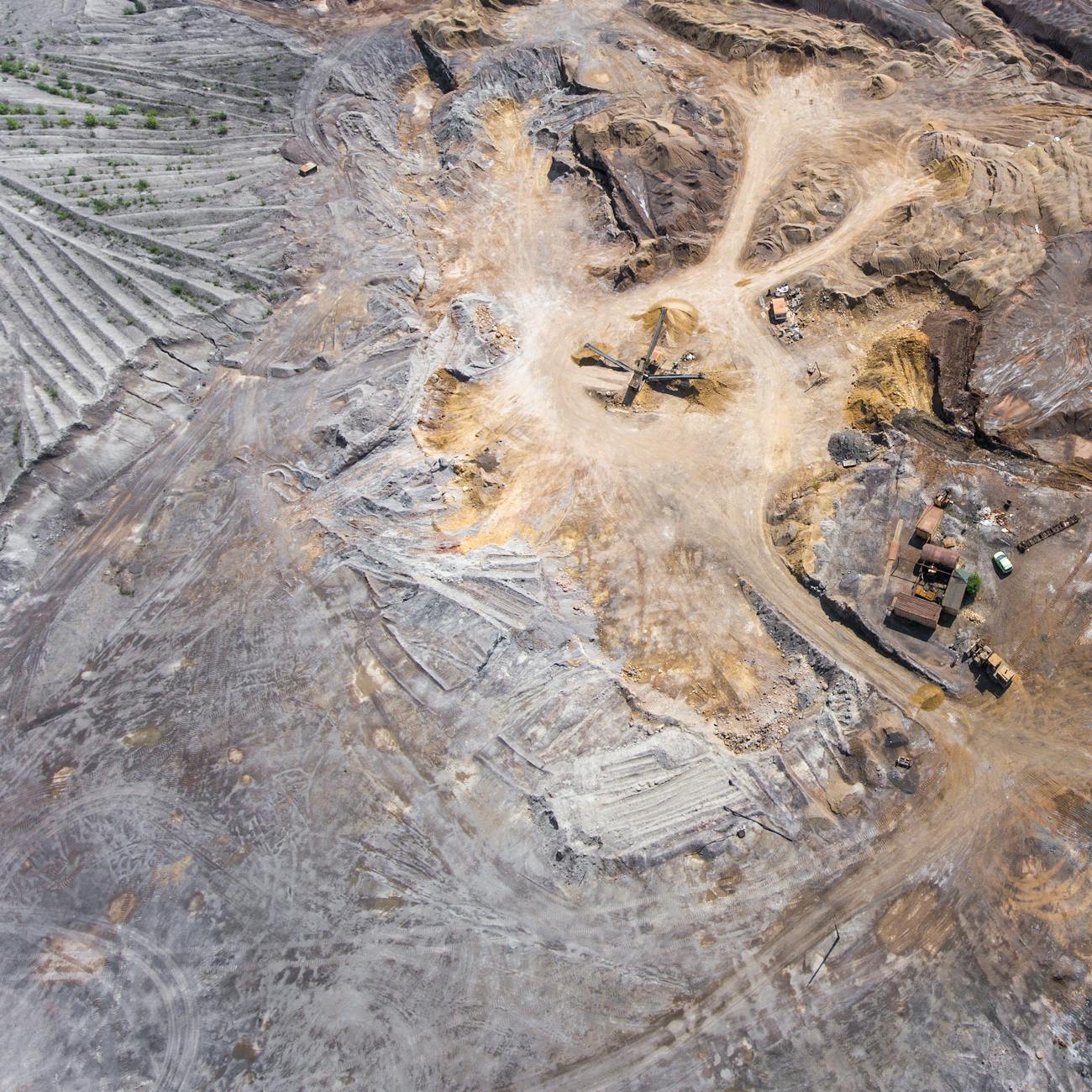
Mining activities have a significant impact on the environment, often leading to various environmental issues such as habitat destruction, water pollution, air pollution, and soil contamination. Environmental management in mining is crucial to minimize these impacts and ensure sustainable mining practices. This involves implementing strategies and measures to mitigate environmental risks, comply with regulations, and promote environmental stewardship.
Key Terms and Vocabulary:
1. Environmental Impact Assessment (EIA): A process to evaluate the potential environmental impacts of a proposed project or development, including mining operations. EIAs help identify potential risks and develop strategies to minimize or mitigate these impacts.
2. Environmental Management Plan (EMP): A detailed plan that outlines how environmental impacts will be managed and mitigated throughout the life cycle of a mining project. The EMP includes strategies for monitoring, reporting, and compliance with environmental regulations.
3. Rehabilitation: The process of restoring the land and ecosystems affected by mining activities to a state similar to or better than its original condition. This may involve re-vegetation, soil remediation, and habitat restoration.
4. Biodiversity: The variety of living organisms in a particular habitat or ecosystem. Mining activities can disrupt biodiversity through habitat destruction, fragmentation, and contamination. Biodiversity conservation is essential for maintaining ecosystem services and resilience.
5. Water Management: The management of water resources to prevent pollution, minimize water consumption, and ensure water quality. Mining operations require water for various processes, and proper water management is crucial to avoid water scarcity and contamination.
6. Air Quality: The condition of the air in a specific area, often affected by emissions from mining activities such as dust, particulate matter, and gases. Monitoring air quality and implementing control measures are essential to protect human health and the environment.
7. Noise Pollution: Excessive or disruptive noise from mining operations that can impact wildlife, communities, and workers' health. Noise mitigation measures, such as sound barriers and equipment modifications, are essential to minimize noise pollution.
8. Waste Management: The collection, disposal, and treatment of waste generated by mining activities, including tailings, waste rock, and hazardous materials. Proper waste management practices are necessary to prevent pollution and comply with regulations.
9. Sustainability: The ability to meet the needs of the present without compromising the ability of future generations to meet their own needs. Sustainable mining practices focus on environmental, social, and economic considerations to ensure long-term viability.
10. Stakeholder Engagement: Involving and communicating with stakeholders, including local communities, government agencies, and non-governmental organizations, to address environmental concerns, gather feedback, and build trust. Effective stakeholder engagement is essential for successful environmental management in mining.
11. Regulatory Compliance: Ensuring that mining operations comply with environmental laws, regulations, and permits established by government authorities. Compliance with regulatory requirements is essential to avoid fines, penalties, and legal implications.
12. Best Available Techniques (BAT): The most effective and advanced methods, technologies, and practices for reducing environmental impacts in mining operations. Implementing BAT helps minimize pollution, conserve resources, and improve overall environmental performance.
13. Greenhouse Gas Emissions: Gases, such as carbon dioxide and methane, released into the atmosphere during mining activities, contributing to climate change. Managing and reducing greenhouse gas emissions through energy efficiency and renewable energy sources are essential for environmental sustainability.
14. Ecological Footprint: The impact of human activities on the environment, including mining, measured by the amount of resources consumed and waste generated. Calculating and reducing the ecological footprint of mining operations is crucial for minimizing environmental degradation.
15. Life Cycle Assessment (LCA): A systematic analysis of the environmental impacts of a product, process, or service throughout its life cycle, from extraction to disposal. Conducting LCAs helps identify opportunities for environmental improvement and sustainable decision-making in mining.
16. Contaminated Sites: Areas affected by pollution and hazardous substances from mining activities, posing risks to human health and the environment. Remediating contaminated sites through clean-up and restoration measures is essential for environmental protection.
17. Risk Assessment: The process of evaluating potential hazards, risks, and consequences associated with mining activities to develop strategies for prevention and mitigation. Conducting risk assessments helps prioritize environmental management efforts and ensure safe operations.
18. Environmental Monitoring: The systematic collection and analysis of environmental data to track changes, trends, and impacts of mining activities on the environment. Monitoring air, water, soil quality, and biodiversity are essential for early detection of environmental issues.
19. Corporate Social Responsibility (CSR): The ethical and sustainable business practices that consider the social, environmental, and economic impacts of mining operations on stakeholders and communities. Embracing CSR principles is crucial for building trust, reputation, and long-term success in the mining industry.
20. Adaptive Management: A flexible and iterative approach to environmental management that allows for adjustments based on new information, feedback, and changing conditions. Implementing adaptive management practices helps address uncertainties and improve decision-making in complex mining environments.
Challenges and Practical Applications:
Environmental management in mining faces various challenges, including balancing economic development with environmental protection, addressing legacy issues from past mining activities, and ensuring regulatory compliance in diverse jurisdictions. Practical applications of environmental management in mining include:
- Implementing sustainable mining practices to minimize environmental impacts and promote responsible resource extraction. - Engaging with stakeholders to address environmental concerns, build partnerships, and enhance transparency in mining operations. - Developing and implementing environmental management systems to monitor, evaluate, and improve environmental performance in mining activities. - Investing in research and innovation to develop new technologies, practices, and solutions for environmental sustainability in the mining industry. - Collaborating with government agencies, NGOs, and local communities to address environmental issues, share best practices, and support ecosystem restoration efforts.
Environmental management in mining plays a critical role in ensuring the long-term viability of mining operations and protecting the environment for future generations. By integrating environmental considerations into decision-making processes, adopting best practices, and fostering collaboration, the mining industry can achieve sustainable development and minimize its environmental footprint.
Key takeaways
- Mining activities have a significant impact on the environment, often leading to various environmental issues such as habitat destruction, water pollution, air pollution, and soil contamination.
- Environmental Impact Assessment (EIA): A process to evaluate the potential environmental impacts of a proposed project or development, including mining operations.
- Environmental Management Plan (EMP): A detailed plan that outlines how environmental impacts will be managed and mitigated throughout the life cycle of a mining project.
- Rehabilitation: The process of restoring the land and ecosystems affected by mining activities to a state similar to or better than its original condition.
- Mining activities can disrupt biodiversity through habitat destruction, fragmentation, and contamination.
- Mining operations require water for various processes, and proper water management is crucial to avoid water scarcity and contamination.
- Air Quality: The condition of the air in a specific area, often affected by emissions from mining activities such as dust, particulate matter, and gases.