
Design for Additive Manufacturing
Design for Additive Manufacturing (DfAM)
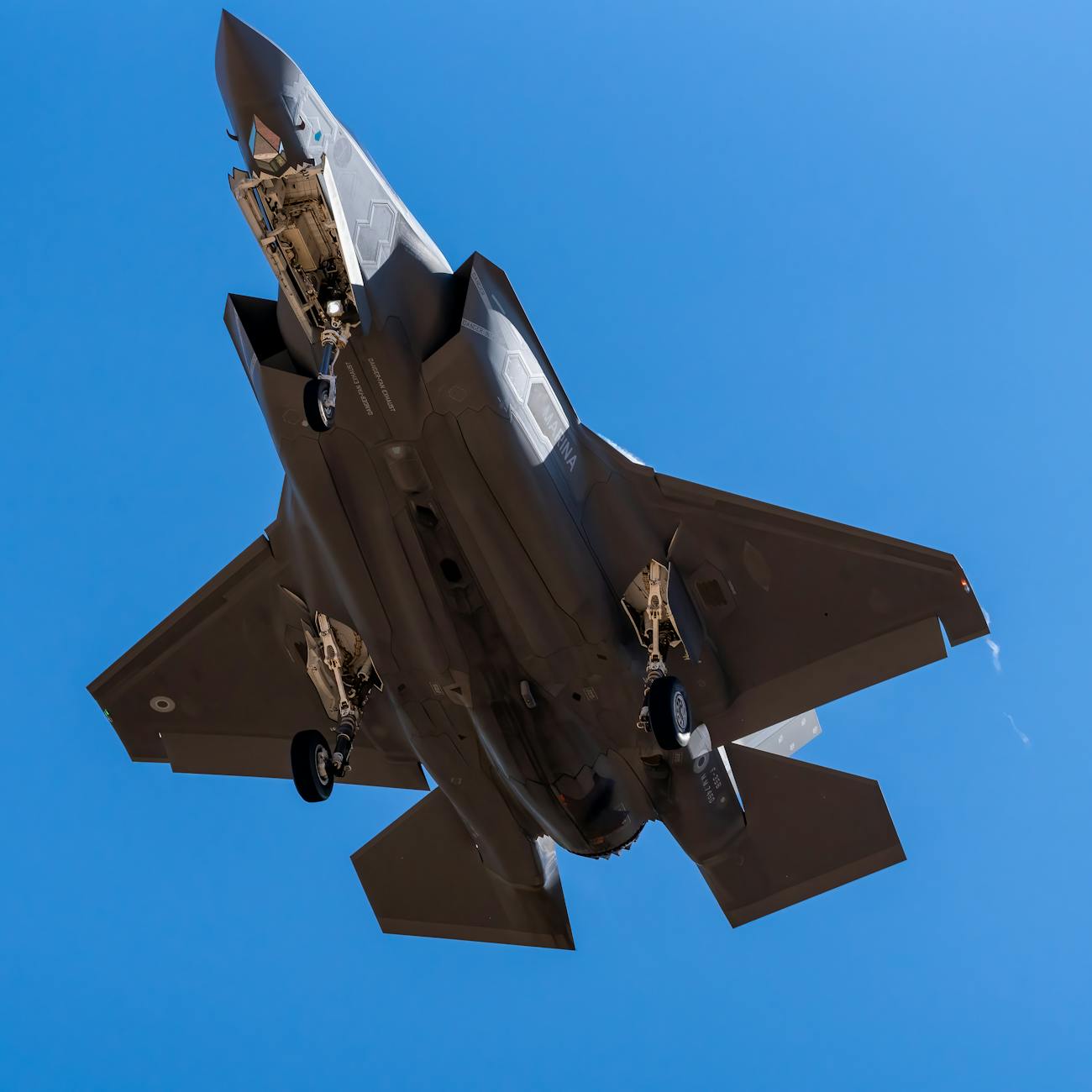
Design for Additive Manufacturing (DfAM)
Design for Additive Manufacturing (DfAM) is a crucial aspect of additive manufacturing that focuses on optimizing the design of parts and products to fully leverage the capabilities of additive manufacturing technologies. DfAM involves designing parts with the unique characteristics and constraints of additive manufacturing processes in mind to maximize efficiency, performance, and cost-effectiveness.
DfAM is essential for unlocking the full potential of additive manufacturing, as traditional design approaches may not fully exploit the benefits of additive manufacturing technologies. By adopting DfAM principles, engineers and designers can create innovative and complex geometries that were previously impossible or impractical to produce using conventional manufacturing methods.
Key principles of DfAM include designing for function rather than form, optimizing designs for additive manufacturing processes, minimizing material usage, and reducing the number of components through the use of complex geometries and lattice structures. By applying these principles, designers can create parts that are lighter, stronger, and more efficient than traditional designs.
DfAM also involves considering post-processing requirements, such as support structures, surface finishing, and heat treatment, during the design phase to minimize the need for secondary operations and improve overall part quality. By integrating these considerations into the design process, manufacturers can streamline production workflows and reduce lead times.
In the context of military equipment, DfAM plays a critical role in enhancing the performance, durability, and functionality of parts and components used in defense applications. By leveraging the design freedom offered by additive manufacturing, military organizations can create customized and lightweight parts that meet the specific requirements of their missions.
Additive Manufacturing (AM)
Additive Manufacturing (AM), also known as 3D printing, is a manufacturing process that builds objects layer by layer from digital 3D models. Unlike traditional subtractive manufacturing methods, which involve cutting or shaping material to create a part, additive manufacturing adds material layer by layer to produce complex geometries with high precision and accuracy.
There are several types of additive manufacturing technologies, including Fused Deposition Modeling (FDM), Stereolithography (SLA), Selective Laser Sintering (SLS), and Direct Metal Laser Sintering (DMLS). Each technology has its own advantages and limitations, making it suitable for specific applications and materials.
AM offers numerous benefits, such as the ability to create complex geometries, reduce material waste, and produce customized parts on-demand. These advantages make AM an attractive option for a wide range of industries, including aerospace, automotive, healthcare, and defense.
In the context of military equipment, AM is used to produce lightweight and durable parts for weapons, vehicles, and protective gear. By leveraging AM technologies, military organizations can reduce lead times, lower production costs, and improve operational readiness by quickly replacing damaged or obsolete parts.
Topology Optimization
Topology Optimization is a computational design approach that uses algorithms to generate optimized structures based on predefined design criteria and constraints. By iteratively removing material from a given design space, topology optimization identifies the most efficient and lightweight configurations that meet the desired performance requirements.
Topology optimization is particularly well-suited for additive manufacturing, as it enables designers to create complex lattice structures and organic shapes that are difficult or impossible to produce using traditional manufacturing methods. These optimized designs can help reduce material usage, improve part strength, and enhance overall performance.
One of the key advantages of topology optimization is its ability to generate novel and unconventional designs that challenge traditional design paradigms. By exploring a wide range of design possibilities, engineers can discover innovative solutions that maximize the benefits of additive manufacturing technologies.
In the context of military equipment, topology optimization is used to create lightweight and high-strength components for weapons, vehicles, and equipment. By applying topology optimization techniques, military organizations can enhance the performance and durability of critical parts while reducing weight and material costs.
Lattice Structures
Lattice Structures are complex geometric patterns that consist of interconnected beams, struts, and nodes. These structures are characterized by their high strength-to-weight ratio, flexibility, and energy absorption properties, making them ideal for applications where weight reduction and structural integrity are critical.
Lattice structures are commonly used in additive manufacturing to create lightweight and strong parts that exhibit enhanced mechanical properties compared to solid components. By adjusting the geometry and density of the lattice structure, designers can tailor the mechanical performance of the part to meet specific requirements.
One of the key advantages of lattice structures is their ability to reduce material usage without compromising strength or stiffness. By removing unnecessary material from the design, engineers can create parts that are lighter, more efficient, and cost-effective to produce.
In the context of military equipment, lattice structures are used to fabricate armor panels, protective gear, and structural components for vehicles and aircraft. By incorporating lattice structures into the design of military equipment, manufacturers can enhance the performance and survivability of critical components while reducing weight and material costs.
Design Freedom
Design Freedom refers to the ability to create complex and innovative geometries that are not constrained by the limitations of traditional manufacturing processes. Additive manufacturing offers designers unprecedented freedom to explore new design concepts, optimize part performance, and push the boundaries of what is possible in terms of shape and functionality.
With additive manufacturing, designers can create parts with intricate internal features, organic shapes, and customized structures that would be difficult or impossible to produce using conventional manufacturing methods. This design freedom enables engineers to develop novel solutions that improve efficiency, reduce weight, and enhance performance.
By leveraging design freedom, manufacturers can optimize parts for specific applications, reduce material waste, and improve overall product quality. Additive manufacturing empowers designers to think outside the box and explore unconventional design approaches that maximize the benefits of additive manufacturing technologies.
In the context of military equipment, design freedom plays a critical role in developing lightweight and durable components for weapons, vehicles, and protective gear. By embracing design freedom, military organizations can create customized solutions that meet the unique requirements of their missions and enhance operational capabilities.
Generative Design
Generative Design is a design methodology that uses algorithms to explore a vast range of design possibilities and automatically generate optimized solutions based on predefined objectives and constraints. By simulating and evaluating multiple design iterations, generative design enables designers to discover innovative solutions that maximize performance and efficiency.
Generative design is particularly well-suited for additive manufacturing, as it allows designers to create complex geometries and organic shapes that leverage the unique capabilities of additive manufacturing technologies. By generating optimized designs, engineers can reduce material usage, improve part strength, and enhance overall performance.
One of the key advantages of generative design is its ability to generate designs that are not intuitive or feasible through traditional design methods. By harnessing the power of algorithms and simulations, generative design unlocks new design possibilities and challenges conventional design paradigms.
In the context of military equipment, generative design is used to create lightweight and high-strength components for weapons, vehicles, and equipment. By applying generative design techniques, military organizations can optimize the performance and durability of critical parts while reducing weight and material costs.
Support Structures
Support Structures are temporary structures that are used to support overhanging features and prevent warping or distortion during the additive manufacturing process. As layers of material are built up, support structures provide stability and prevent the part from collapsing or deforming before it is fully solidified.
Support structures are essential for additive manufacturing processes that involve complex geometries, intricate details, or large overhangs that would otherwise be difficult to print without additional support. By strategically placing support structures, designers can ensure the successful fabrication of parts with challenging geometries.
One of the challenges of support structures is their removal after the printing process is complete. Support structures are typically designed to be easily detachable or soluble in a post-processing solution to minimize manual labor and reduce the risk of damaging the printed part during removal.
In the context of military equipment, support structures are used to fabricate components with complex geometries, such as weapon mounts, brackets, and protective covers. By incorporating support structures into the design process, manufacturers can produce high-quality parts with intricate features that meet the requirements of military applications.
Material Selection
Material Selection is a critical aspect of additive manufacturing that involves choosing the appropriate material for a specific application based on performance requirements, environmental conditions, and cost considerations. Additive manufacturing technologies support a wide range of materials, including plastics, metals, ceramics, and composites, each with unique properties and characteristics.
The selection of materials for additive manufacturing depends on factors such as mechanical strength, thermal stability, chemical resistance, and electrical conductivity. By understanding the properties of different materials, designers can optimize part performance, durability, and functionality for specific applications.
One of the key challenges of material selection in additive manufacturing is ensuring compatibility between the chosen material and the additive manufacturing process. Each additive manufacturing technology has specific material requirements and limitations that must be considered when selecting a material for a given application.
In the context of military equipment, material selection is crucial for producing parts with the required mechanical properties, durability, and performance characteristics. By choosing the right materials for additive manufacturing, military organizations can ensure that their components meet the stringent requirements of defense applications and withstand harsh operating conditions.
Post-Processing
Post-Processing refers to the additional operations and treatments that are performed on a part after it has been fabricated using additive manufacturing. Post-processing steps may include removing support structures, surface finishing, heat treatment, and inspection to improve part quality, functionality, and appearance.
Post-processing is an essential part of the additive manufacturing workflow, as it ensures that parts meet the required specifications, tolerances, and quality standards. By carefully managing post-processing operations, manufacturers can enhance the overall performance and aesthetics of printed parts.
One of the challenges of post-processing in additive manufacturing is the need to balance the benefits of secondary operations with the added time, cost, and complexity they introduce to the manufacturing process. Manufacturers must optimize post-processing workflows to minimize lead times and production costs while maintaining part quality.
In the context of military equipment, post-processing plays a critical role in producing high-quality components for weapons, vehicles, and protective gear. By integrating post-processing operations into the additive manufacturing workflow, military organizations can ensure that their parts meet the stringent requirements of defense applications and perform reliably in the field.
Quality Control
Quality Control is a set of procedures and processes that are implemented to ensure that parts fabricated using additive manufacturing meet the required specifications, tolerances, and quality standards. Quality control measures may include inspections, testing, and documentation to verify part integrity, functionality, and performance.
Quality control is essential for additive manufacturing, as it helps manufacturers identify and address defects, errors, and inconsistencies in printed parts before they are used in critical applications. By establishing robust quality control protocols, manufacturers can minimize the risk of part failure and ensure the overall reliability of printed components.
One of the challenges of quality control in additive manufacturing is the need to validate the accuracy and repeatability of the additive manufacturing process. Manufacturers must implement rigorous testing procedures and quality assurance practices to verify part quality and consistency across multiple production runs.
In the context of military equipment, quality control is paramount for producing components that meet the stringent requirements of defense applications. By implementing comprehensive quality control measures, military organizations can ensure that their parts are reliable, durable, and capable of withstanding the demands of military operations.
Key takeaways
- Design for Additive Manufacturing (DfAM) is a crucial aspect of additive manufacturing that focuses on optimizing the design of parts and products to fully leverage the capabilities of additive manufacturing technologies.
- By adopting DfAM principles, engineers and designers can create innovative and complex geometries that were previously impossible or impractical to produce using conventional manufacturing methods.
- By applying these principles, designers can create parts that are lighter, stronger, and more efficient than traditional designs.
- DfAM also involves considering post-processing requirements, such as support structures, surface finishing, and heat treatment, during the design phase to minimize the need for secondary operations and improve overall part quality.
- By leveraging the design freedom offered by additive manufacturing, military organizations can create customized and lightweight parts that meet the specific requirements of their missions.
- Unlike traditional subtractive manufacturing methods, which involve cutting or shaping material to create a part, additive manufacturing adds material layer by layer to produce complex geometries with high precision and accuracy.
- There are several types of additive manufacturing technologies, including Fused Deposition Modeling (FDM), Stereolithography (SLA), Selective Laser Sintering (SLS), and Direct Metal Laser Sintering (DMLS).