
Energy Economics Fundamentals
Energy Economics Fundamentals:
Energy Economics Fundamentals:
Energy Economics is a branch of economics that focuses on energy production, distribution, and consumption. It explores how energy markets function, the impact of energy policies on the economy, and the relationship between energy and the environment. This course will provide a comprehensive overview of key terms and vocabulary in Energy Economics and Financing that are essential for understanding the complex dynamics of the energy industry.
1. Energy: Energy is the capacity to do work. It is essential for all economic activities, such as transportation, manufacturing, and heating. Energy can be classified into two broad categories: renewable energy, which comes from natural resources like sunlight and wind, and non-renewable energy, which comes from sources like fossil fuels.
2. Energy Economics: Energy Economics is the study of how energy resources are allocated and utilized. It examines the economic implications of energy production, consumption, and policies. Energy economists analyze market trends, price fluctuations, and the impact of government regulations on the energy sector.
3. Energy Market: An energy market is a platform where buyers and sellers trade energy products, such as electricity, natural gas, and oil. These markets can be organized as spot markets, where prices are determined in real-time, or as forward markets, where contracts are traded for future delivery.
4. Supply and Demand: Supply and demand are fundamental concepts in economics that determine the price of goods and services, including energy. The law of supply states that as the price of a product increases, producers are willing to supply more of it. On the other hand, the law of demand states that as the price of a product increases, consumers are willing to buy less of it.
5. Energy Pricing: Energy pricing refers to the process of determining the cost of energy products. Prices can be influenced by factors such as production costs, market conditions, government policies, and international events. Understanding energy pricing is crucial for energy producers, consumers, and policymakers.
6. Energy Policy: Energy policy includes government decisions and regulations that impact the energy sector. Policies can address issues such as energy security, environmental protection, and sustainable development. Energy policies can have far-reaching effects on the economy and society.
7. Energy Efficiency: Energy efficiency is the practice of using less energy to achieve the same level of output. It involves adopting technologies and practices that reduce energy waste and improve productivity. Energy efficiency is a key strategy for reducing energy costs and environmental impact.
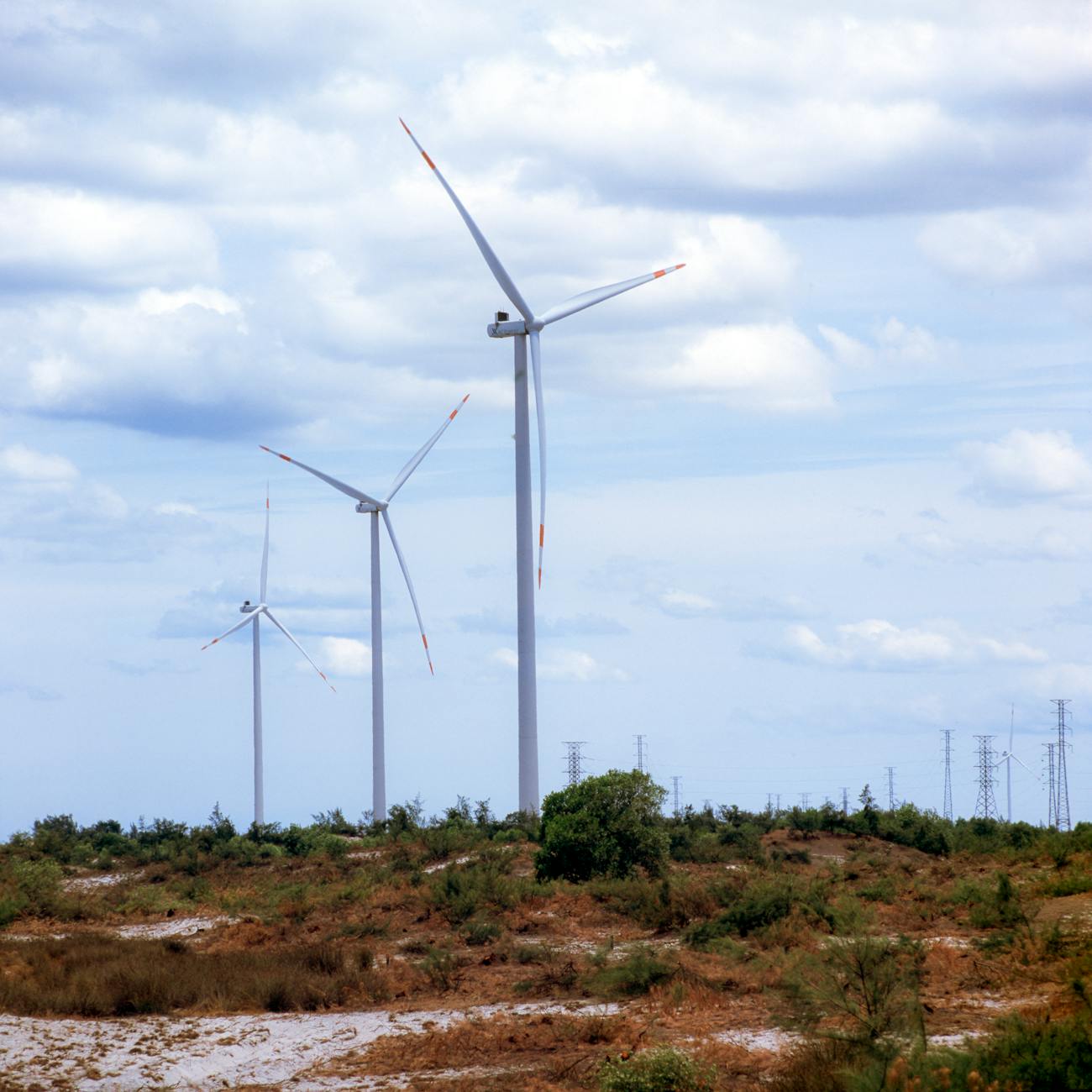
8. Renewable Energy: Renewable energy comes from sources that are naturally replenished, such as sunlight, wind, and water. It is considered a sustainable alternative to fossil fuels because it produces fewer greenhouse gas emissions. Examples of renewable energy sources include solar power, wind power, and hydropower.
9. Non-Renewable Energy: Non-renewable energy comes from sources that are finite and will eventually be depleted, such as oil, coal, and natural gas. These energy sources are associated with environmental pollution and climate change. Non-renewable energy remains a significant part of the global energy mix, despite efforts to transition to cleaner alternatives.
10. Energy Transition: Energy transition refers to the shift from traditional fossil fuels to renewable energy sources. It involves phasing out polluting energy sources and adopting cleaner technologies. Energy transition is driven by concerns about climate change, energy security, and sustainable development.
11. Energy Security: Energy security is the assurance of a reliable and affordable energy supply. It is essential for economic stability and national security. Energy security can be threatened by factors such as geopolitical conflicts, natural disasters, and supply chain disruptions.
12. Energy Independence: Energy independence is the ability of a country to meet its energy needs without relying on imports. It is often seen as a strategic goal to reduce vulnerability to external shocks and geopolitical risks. Achieving energy independence requires a diverse energy mix and efficient energy infrastructure.
13. Energy Subsidies: Energy subsidies are financial incentives provided by governments to support energy production or consumption. Subsidies can take the form of tax breaks, grants, or price controls. While subsidies can promote energy access and affordability, they can also distort market prices and hinder energy efficiency.
14. Carbon Pricing: Carbon pricing is a policy tool to reduce greenhouse gas emissions by putting a price on carbon dioxide. It can take the form of a carbon tax, which taxes emissions directly, or a cap-and-trade system, which sets a limit on emissions and allows trading of emission permits. Carbon pricing aims to internalize the costs of climate change and incentivize cleaner energy production.
15. Energy Equity: Energy equity refers to the fair distribution of energy resources and benefits among different groups in society. It addresses issues of energy access, affordability, and social justice. Energy equity is essential for ensuring that all individuals have access to reliable and affordable energy services.
16. Energy Poverty: Energy poverty is the lack of access to modern energy services, such as electricity and clean cooking fuels. It affects billions of people worldwide, particularly in developing countries. Energy poverty can have negative impacts on health, education, and economic development.
17. Energy Efficiency Financing: Energy efficiency financing involves providing capital for energy efficiency projects, such as building upgrades and appliance replacements. Financing options can include loans, grants, and performance-based contracts. Energy efficiency financing can help businesses and households reduce energy costs and carbon emissions.
18. Energy Transition Investment: Energy transition investment refers to funding projects that support the transition to a low-carbon energy system. Investments can be made in renewable energy infrastructure, energy storage technologies, and energy efficiency measures. Energy transition investment plays a crucial role in decarbonizing the economy and combating climate change.
19. Energy Market Regulation: Energy market regulation involves government oversight of energy markets to ensure fair competition, consumer protection, and environmental sustainability. Regulations can cover areas such as market structure, pricing mechanisms, and emission standards. Effective regulation is essential for promoting a well-functioning energy market.
20. Energy Risk Management: Energy risk management involves identifying and mitigating risks associated with energy investments and operations. Risks can include price volatility, supply disruptions, and regulatory changes. Effective risk management strategies can help energy companies protect their assets and optimize their financial performance.
By mastering the key terms and concepts in Energy Economics and Financing, you will be better equipped to navigate the complexities of the energy industry, make informed decisions, and contribute to a more sustainable energy future. Energy plays a crucial role in the global economy and society, and understanding its economic fundamentals is essential for shaping a more resilient and efficient energy system.
Key takeaways
- This course will provide a comprehensive overview of key terms and vocabulary in Energy Economics and Financing that are essential for understanding the complex dynamics of the energy industry.
- Energy can be classified into two broad categories: renewable energy, which comes from natural resources like sunlight and wind, and non-renewable energy, which comes from sources like fossil fuels.
- Energy economists analyze market trends, price fluctuations, and the impact of government regulations on the energy sector.
- These markets can be organized as spot markets, where prices are determined in real-time, or as forward markets, where contracts are traded for future delivery.
- Supply and Demand: Supply and demand are fundamental concepts in economics that determine the price of goods and services, including energy.
- Prices can be influenced by factors such as production costs, market conditions, government policies, and international events.
- Policies can address issues such as energy security, environmental protection, and sustainable development.