
Treatment Planning in VR Therapy
Treatment Planning in VR Therapy
Treatment Planning in VR Therapy
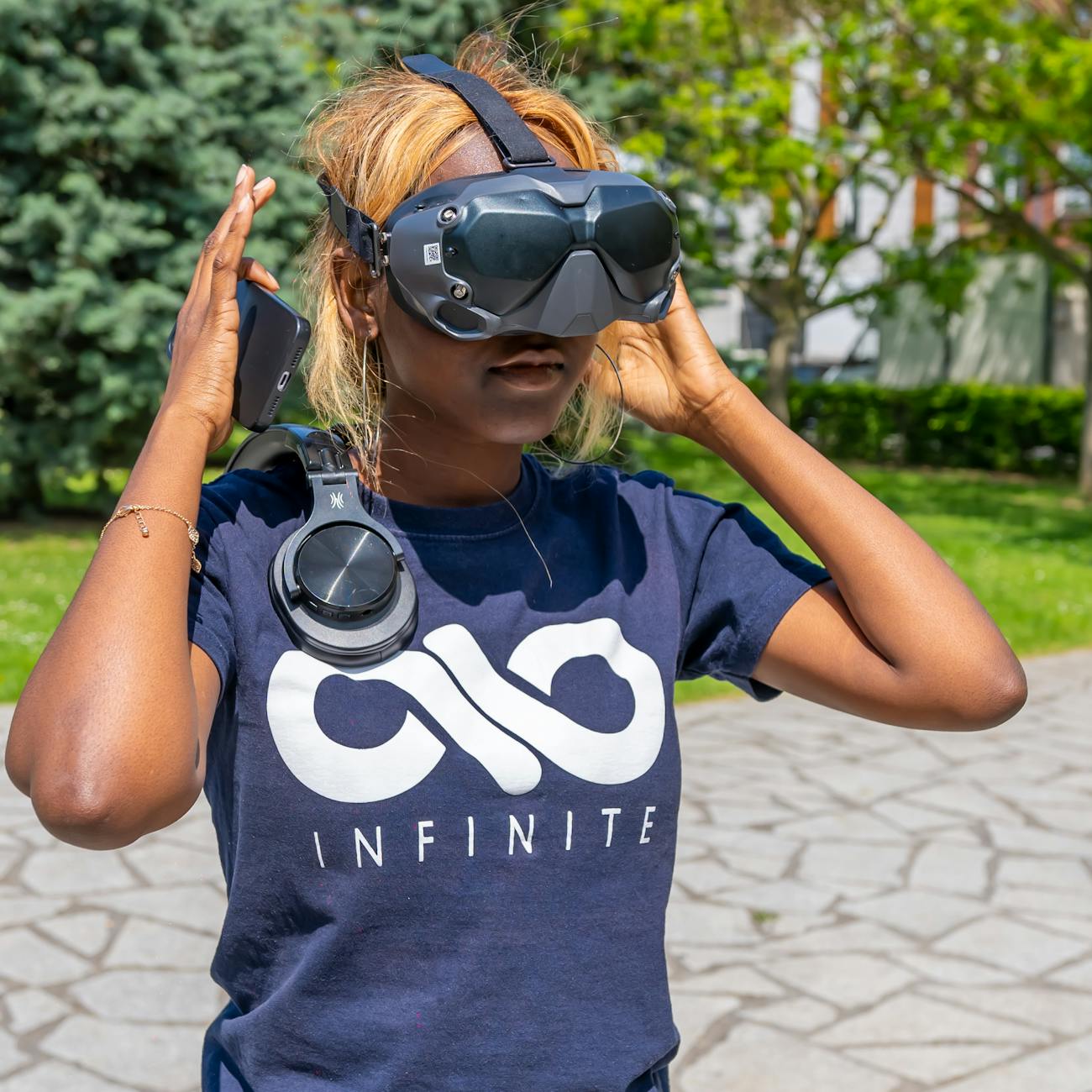
In the context of Virtual Reality (VR) Therapy, treatment planning is a crucial aspect of the therapeutic process. It involves the systematic development of a plan that outlines the goals, objectives, interventions, and strategies to address the client's mental health issues using VR technology. Treatment planning in VR therapy is a collaborative process between the therapist and the client, aimed at achieving positive therapeutic outcomes through immersive virtual experiences.
Key Terms and Vocabulary
1. Virtual Reality (VR): Virtual Reality refers to a computer-generated environment that simulates a real-world experience. In VR therapy, clients are immersed in virtual environments that replicate real-life situations to address psychological issues such as anxiety, phobias, PTSD, and more.
2. Therapeutic Alliance: The therapeutic alliance is the relationship between the therapist and the client, based on trust, collaboration, and empathy. A strong therapeutic alliance is essential for the success of VR therapy treatment planning.
3. Assessment: Assessment involves gathering information about the client's mental health issues, strengths, and challenges. In VR therapy, assessments may include psychological evaluations, VR experiences, and clinical interviews.
4. Goal Setting: Goal setting is the process of establishing specific, measurable, achievable, relevant, and time-bound objectives for therapy. In VR therapy, goals may focus on reducing anxiety, improving social skills, or overcoming phobias.
5. Immersion: Immersion refers to the feeling of being fully absorbed in a virtual environment. In VR therapy, immersion plays a crucial role in enhancing the therapeutic experience and promoting emotional engagement.
6. Presence: Presence is the sense of "being there" in a virtual environment. High levels of presence in VR therapy can enhance the client's emotional response and therapeutic outcomes.
7. Exposure Therapy: Exposure therapy is a therapeutic technique that involves gradually exposing the client to feared situations or stimuli to reduce anxiety and fear responses. In VR therapy, exposure therapy can be conducted in a safe and controlled virtual environment.
8. Behavioral Activation: Behavioral activation is a therapeutic approach that focuses on increasing engagement in rewarding activities to improve mood and motivation. In VR therapy, behavioral activation can be used to simulate enjoyable and fulfilling experiences.
9. Cognitive Behavioral Therapy (CBT): CBT is a form of psychotherapy that focuses on changing negative thought patterns and behaviors to improve mental health. In VR therapy, CBT principles can be integrated into treatment planning to address maladaptive thoughts and behaviors.
10. Telehealth: Telehealth refers to the use of technology to deliver healthcare services remotely. In VR therapy, telehealth platforms can be used for virtual sessions, assessments, and treatment planning.
11. Virtual Environment: A virtual environment is a computer-generated space that simulates real-world scenarios. In VR therapy, virtual environments are designed to facilitate therapeutic interventions, such as exposure therapy, relaxation exercises, and social skills training.
12. Simulation: Simulation involves replicating real-life scenarios or experiences in a virtual environment. In VR therapy, simulations can be used to practice coping strategies, social interactions, and problem-solving skills.
13. Presence Induction Techniques: Presence induction techniques are strategies used to enhance the sense of presence in a virtual environment. Examples include 3D audio, haptic feedback, and realistic graphics.
14. Psychophysiological Monitoring: Psychophysiological monitoring involves measuring physiological responses such as heart rate, skin conductance, and muscle tension during VR therapy sessions. This data can provide valuable insights into the client's emotional state and progress.
15. Empathy: Empathy is the ability to understand and share the feelings of another person. Therapists in VR therapy must demonstrate empathy to build rapport, validate the client's experiences, and foster a safe therapeutic environment.
16. Virtual Reality Exposure Therapy (VRET): VRET is a specialized form of exposure therapy that uses VR technology to simulate anxiety-provoking situations in a controlled and immersive environment. VRET is effective for treating phobias, PTSD, and other anxiety disorders.
17. Presence Fidelity: Presence fidelity refers to the degree to which a virtual environment accurately reflects real-world stimuli and interactions. High presence fidelity is essential for creating a sense of immersion and engagement in VR therapy.
18. Self-efficacy: Self-efficacy is the belief in one's ability to succeed in specific situations or accomplish goals. In VR therapy, enhancing self-efficacy through virtual experiences can empower clients to overcome challenges and build confidence.
19. Behavioral Rehearsal: Behavioral rehearsal involves practicing new behaviors or coping skills in a safe environment. In VR therapy, clients can engage in behavioral rehearsal to prepare for real-life situations and improve their response to stressors.
20. Therapeutic Presence: Therapeutic presence refers to the therapist's ability to be fully engaged, attentive, and emotionally present during therapy sessions. Therapeutic presence is essential for building trust, promoting self-disclosure, and facilitating therapeutic progress.
Practical Applications
1. Phobia Treatment: VR therapy can be used to treat phobias such as fear of flying, heights, or public speaking. By exposing clients to virtual simulations of feared situations, therapists can help them gradually confront and overcome their fears in a controlled and supportive environment.
2. Anxiety Management: VR therapy can be effective for managing anxiety symptoms by providing relaxation exercises, stress-reduction techniques, and exposure therapy in virtual environments. Clients can practice coping strategies and mindfulness techniques to reduce anxiety and improve emotional regulation.
3. Social Skills Training: VR therapy can be used to improve social skills and communication abilities in clients with social anxiety or autism spectrum disorder. Virtual scenarios can simulate social interactions, assertiveness training, and conflict resolution exercises to enhance interpersonal skills and self-confidence.
4. PTSD Treatment: VR therapy is a valuable tool for treating PTSD symptoms by providing exposure therapy for traumatic memories or triggers. Clients can revisit traumatic events in a safe and controlled virtual environment to process emotions, reframe negative beliefs, and reduce distressing symptoms.
5. Stress Management: VR therapy can help clients learn stress management techniques through relaxation exercises, mindfulness practices, and biofeedback training. Virtual environments can provide a soothing and calming space for clients to practice self-soothing strategies and improve emotional well-being.
Challenges
1. Technical Issues: VR therapy relies on technology that may encounter technical glitches, connectivity problems, or hardware malfunctions. Therapists must be prepared to troubleshoot issues and ensure a smooth therapeutic experience for clients.
2. Ethical Considerations: Ethical concerns in VR therapy include data privacy, informed consent, confidentiality, and professional boundaries. Therapists must uphold ethical standards and guidelines to protect clients' rights and well-being during virtual sessions.
3. Clinical Supervision: Therapists practicing VR therapy may require specialized training, supervision, and consultation to ensure competence and adherence to best practices. Clinical supervision can provide guidance, feedback, and support for therapists navigating the complexities of virtual interventions.
4. Cultural Sensitivity: Cultural factors, beliefs, and values may influence clients' perceptions of VR therapy and their willingness to engage in virtual interventions. Therapists must be culturally competent, respectful, and responsive to diverse backgrounds to provide effective and inclusive care.
5. Client Resistance: Some clients may have reservations or skepticism about VR therapy, particularly if they are unfamiliar with the technology or uncomfortable with immersive experiences. Therapists must address client concerns, provide education, and build trust to overcome resistance and enhance engagement in virtual treatment.
Overall, treatment planning in VR therapy involves a comprehensive and individualized approach to address clients' mental health needs through immersive and interactive virtual experiences. By integrating evidence-based techniques, therapeutic principles, and technology innovations, therapists can enhance the effectiveness and accessibility of mental health interventions in virtual environments.
Key takeaways
- Treatment planning in VR therapy is a collaborative process between the therapist and the client, aimed at achieving positive therapeutic outcomes through immersive virtual experiences.
- In VR therapy, clients are immersed in virtual environments that replicate real-life situations to address psychological issues such as anxiety, phobias, PTSD, and more.
- Therapeutic Alliance: The therapeutic alliance is the relationship between the therapist and the client, based on trust, collaboration, and empathy.
- Assessment: Assessment involves gathering information about the client's mental health issues, strengths, and challenges.
- Goal Setting: Goal setting is the process of establishing specific, measurable, achievable, relevant, and time-bound objectives for therapy.
- In VR therapy, immersion plays a crucial role in enhancing the therapeutic experience and promoting emotional engagement.
- High levels of presence in VR therapy can enhance the client's emotional response and therapeutic outcomes.