
History of Antique Pottery
Antique pottery holds a special place in the world of art and history, offering a glimpse into the lives and cultures of the past. Understanding the key terms and vocabulary related to antique pottery is essential for anyone interested in i…
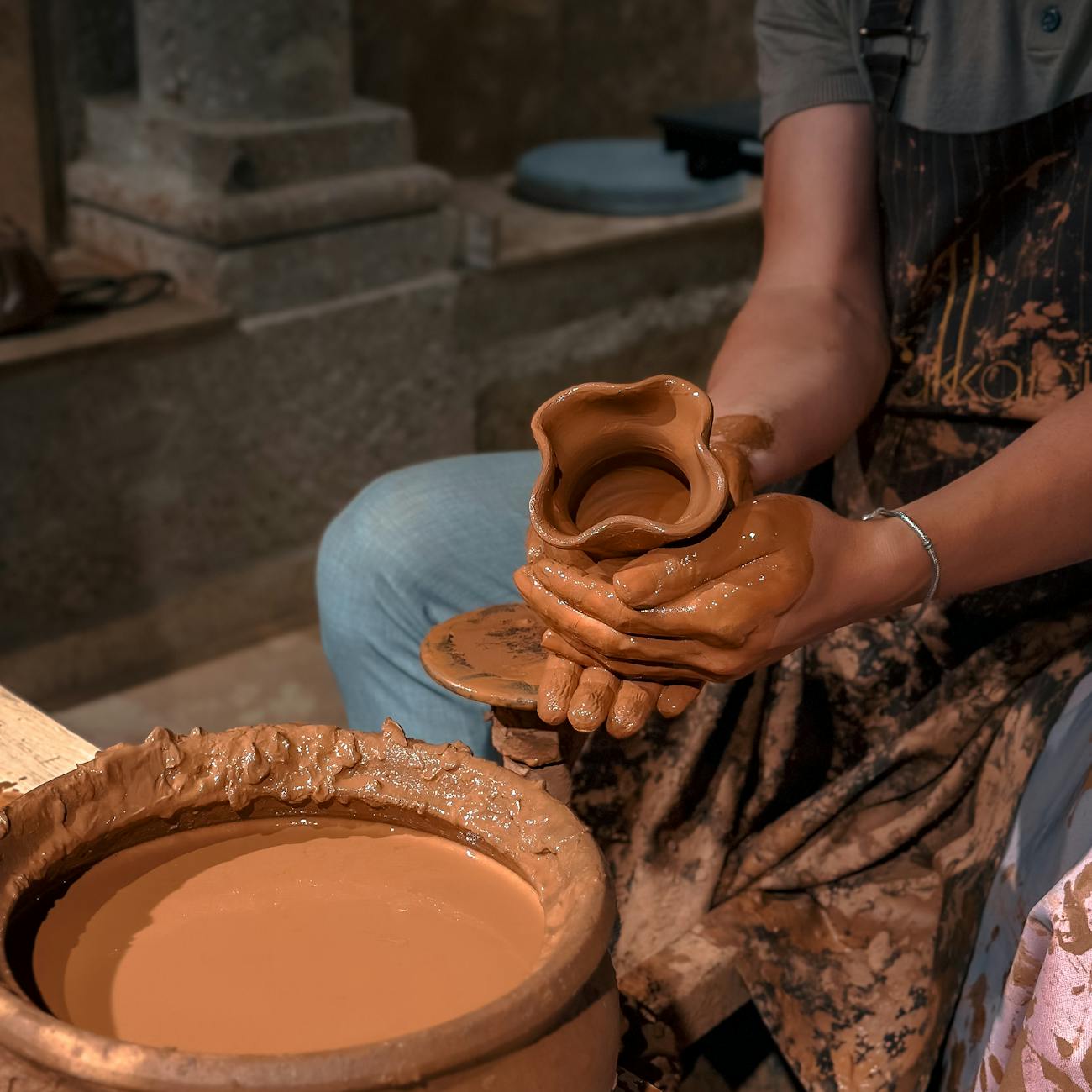
Antique pottery holds a special place in the world of art and history, offering a glimpse into the lives and cultures of the past. Understanding the key terms and vocabulary related to antique pottery is essential for anyone interested in identifying and appreciating these historical artifacts. In this course, we will explore the history of antique pottery, from its origins to its various styles and techniques. Let's delve into the key terms you need to know to become a proficient antique pottery identifier.
**Pottery**: Pottery refers to objects made of clay that have been shaped and then fired at high temperatures to harden them. These objects can range from simple vessels to intricate sculptures and are often decorated with glazes or painted designs.
**Antique**: An antique is an object that is at least 100 years old and is valued for its historical significance, craftsmanship, and rarity. Antique pottery can provide valuable insights into the culture, technology, and artistic practices of the past.
**Identification**: Identification in the context of antique pottery involves recognizing the characteristics, style, and origin of a piece based on various visual cues, such as shape, decoration, and markings. It requires a combination of knowledge, experience, and attention to detail.
**Global Certificate**: A Global Certificate in Antique Pottery Identification signifies that the holder has completed a comprehensive course on identifying and analyzing antique pottery from various cultures and time periods. It demonstrates expertise in the field of antique pottery.
**History**: The history of antique pottery spans thousands of years and encompasses a wide variety of styles, techniques, and cultural influences. Studying the history of antique pottery can provide valuable insights into the evolution of art and technology.
**Origins**: The origins of pottery can be traced back to ancient civilizations such as the Egyptians, Greeks, and Chinese, who were among the first to develop the art of working with clay. Understanding the origins of pottery is crucial for identifying and dating antique pieces.
**Styles**: Antique pottery comes in a range of styles, each reflecting the artistic traditions and influences of a particular time and place. Some common styles include Ancient Greek, Roman, Chinese, and Islamic pottery, each with its distinctive characteristics.
**Techniques**: Pottery techniques refer to the methods used to shape, decorate, and fire clay objects. These techniques can vary widely depending on the culture and time period, with some examples including wheel throwing, hand building, glazing, and painting.
**Ceramics**: Ceramics are objects made from clay that have been fired to create a hard, durable material. Pottery is a subset of ceramics, specifically referring to objects made from clay that are used for practical or decorative purposes.
**Clay**: Clay is a naturally occurring material composed of fine particles that can be molded and shaped when wet and then hardened through firing. Different types of clay have distinct properties that affect the final appearance and durability of pottery.
**Glaze**: Glaze is a glass-like coating applied to pottery before firing to create a smooth, shiny surface and enhance the colors and designs. Glazes can be transparent or opaque and come in a variety of colors and textures.
**Kiln**: A kiln is a furnace used to fire pottery at high temperatures, typically between 1,800 and 2,400 degrees Fahrenheit. Firing pottery in a kiln is essential for hardening the clay and transforming it into a durable, long-lasting material.
**Decoration**: Decoration refers to the embellishments added to pottery to enhance its appearance and convey artistic or symbolic meaning. Decorative techniques can include painting, carving, incising, and molding.
**Markings**: Markings on antique pottery can provide valuable clues about its origin, age, and maker. These markings may include signatures, stamps, labels, or symbols that help identify and authenticate the piece.
**Provenance**: Provenance refers to the documented history of an antique pottery piece, including information about its previous owners, exhibitions, and sales. A strong provenance can increase the value and authenticity of a piece.
**Authentication**: Authentication involves verifying the authenticity and provenance of an antique pottery piece through research, analysis, and comparison with known examples. Authenticating a piece requires expertise and access to relevant resources.
**Appraisal**: Appraisal is the process of determining the value of an antique pottery piece based on factors such as rarity, condition, provenance, and market demand. An accurate appraisal is essential for buying, selling, or insuring antique pottery.
**Dating**: Dating antique pottery involves determining the age of a piece based on stylistic, technical, and historical evidence. Methods for dating pottery include carbon dating, thermoluminescence dating, and stylistic analysis.
**Collecting**: Collecting antique pottery is a popular hobby and a way to preserve and appreciate historical artifacts. Collectors may focus on specific styles, periods, or regions of pottery, acquiring pieces for their aesthetic value or historical significance.
**Restoration**: Restoration is the process of repairing and preserving damaged antique pottery to restore its original appearance and structural integrity. Restorers use specialized techniques and materials to repair cracks, chips, and other imperfections.
**Conservation**: Conservation involves the long-term care and preservation of antique pottery to prevent deterioration and protect it for future generations. Proper storage, handling, and display are essential for conserving antique pottery.
**Challenges**: Identifying and authenticating antique pottery can present several challenges, including the proliferation of forgeries, the lack of documented provenance, and the difficulty of dating pieces accurately. Overcoming these challenges requires expertise, diligence, and access to resources.
**Market Trends**: Market trends in antique pottery can influence the value and demand for different styles and periods of pottery. Understanding current market trends can help collectors, dealers, and appraisers make informed decisions about buying and selling antique pottery.
**Ethical Considerations**: Ethical considerations in the world of antique pottery include issues such as provenance research, the repatriation of looted artifacts, and the responsible acquisition and sale of cultural heritage objects. Respecting ethical guidelines is essential for preserving the integrity of the art market.
**Online Resources**: Online resources such as museum databases, auction catalogs, and scholarly articles can be valuable tools for researching and identifying antique pottery. These resources provide access to a wealth of information and images that can aid in the identification process.
**Hands-On Experience**: Hands-on experience with antique pottery, such as visiting museums, attending auctions, and handling authentic pieces, is essential for developing a keen eye and deepening your understanding of different styles and techniques. Practical experience complements theoretical knowledge and enhances your ability to identify and appreciate antique pottery.
**Community**: Engaging with the antique pottery community, whether through online forums, local clubs, or professional organizations, can provide valuable opportunities for networking, learning, and sharing knowledge. Connecting with fellow enthusiasts and experts can enrich your experience and help you stay informed about the latest developments in the field.
**Continuing Education**: Continuing education in antique pottery identification involves staying current with the latest research, attending workshops and conferences, and pursuing advanced courses to deepen your expertise. Lifelong learning is essential for evolving as a knowledgeable and skilled antique pottery identifier.
**Final Thoughts**: Antique pottery is a rich and fascinating field that offers endless opportunities for exploration and discovery. By mastering the key terms and concepts related to antique pottery identification, you can develop a deeper appreciation for these historical artifacts and contribute to the preservation and study of our cultural heritage. Embrace the challenges, seek out new knowledge, and let your passion for antique pottery guide you on a rewarding journey through the art and history of the past.
Key takeaways
- Understanding the key terms and vocabulary related to antique pottery is essential for anyone interested in identifying and appreciating these historical artifacts.
- **Pottery**: Pottery refers to objects made of clay that have been shaped and then fired at high temperatures to harden them.
- **Antique**: An antique is an object that is at least 100 years old and is valued for its historical significance, craftsmanship, and rarity.
- **Identification**: Identification in the context of antique pottery involves recognizing the characteristics, style, and origin of a piece based on various visual cues, such as shape, decoration, and markings.
- **Global Certificate**: A Global Certificate in Antique Pottery Identification signifies that the holder has completed a comprehensive course on identifying and analyzing antique pottery from various cultures and time periods.
- **History**: The history of antique pottery spans thousands of years and encompasses a wide variety of styles, techniques, and cultural influences.
- **Origins**: The origins of pottery can be traced back to ancient civilizations such as the Egyptians, Greeks, and Chinese, who were among the first to develop the art of working with clay.