
Unit 6: Indications and Contraindications for UV Therapy
Indications and Contraindications for UV Therapy
Indications and Contraindications for UV Therapy
UV therapy, also known as phototherapy, is a treatment modality that utilizes ultraviolet (UV) light to manage various skin conditions and other medical issues. Understanding the indications and contraindications for UV therapy is crucial to ensure safe and effective treatment outcomes. In this unit, we will explore the key terms and vocabulary related to indications and contraindications for UV therapy.
Indications
Indications refer to the conditions or situations in which UV therapy is recommended or beneficial. These are the specific reasons why UV therapy may be prescribed by healthcare providers. Understanding the indications for UV therapy is essential for identifying patients who are likely to benefit from this treatment modality.
1. Psoriasis: Psoriasis is a chronic skin condition characterized by red, scaly patches on the skin. UV therapy is a common treatment option for psoriasis, as UV light can help slow down the growth of skin cells and reduce inflammation.
2. Vitiligo: Vitiligo is a skin disorder that causes the loss of skin pigment, resulting in white patches on the skin. UV therapy can help stimulate the production of melanin in the skin, potentially reducing the appearance of vitiligo.
3. Atopic Dermatitis: Atopic dermatitis, also known as eczema, is a skin condition characterized by red, itchy patches on the skin. UV therapy can help reduce inflammation and itching associated with atopic dermatitis, leading to symptom relief.
4. Pruritus: Pruritus, or itching, can be a symptom of various skin conditions, including psoriasis and eczema. UV therapy can help alleviate itching by reducing inflammation and promoting healing of the skin.
5. Acne: UV therapy, specifically blue light therapy, can be effective in treating acne by targeting acne-causing bacteria on the skin. This can help reduce inflammation and improve overall skin health.
6. Skin Cancer: UV therapy is sometimes used in the treatment of certain types of skin cancer, such as cutaneous T-cell lymphoma. UV light can target cancerous cells and help slow down their growth.
7. Seasonal Affective Disorder (SAD): UV therapy, in the form of light therapy, is a common treatment for seasonal affective disorder. Exposure to bright light can help regulate circadian rhythms and improve mood in individuals with SAD.
Contraindications
Contraindications are conditions or situations in which UV therapy should be avoided or used with caution due to potential risks or adverse effects. Identifying contraindications is essential to ensure the safety of patients undergoing UV therapy and to prevent any harmful consequences.
1. Skin Cancer: While UV therapy can be used to treat certain types of skin cancer, it is contraindicated in individuals with a history of melanoma or other types of skin cancer. UV light exposure can potentially stimulate the growth of cancerous cells in these individuals.
2. Pregnancy: UV therapy is generally contraindicated during pregnancy, as exposure to UV light can potentially harm the developing fetus. Pregnant women should avoid UV therapy unless specifically recommended by a healthcare provider.
3. Photosensitivity: Individuals with photosensitivity disorders, such as lupus or porphyria, should avoid UV therapy, as exposure to UV light can trigger or exacerbate symptoms of these conditions. UV therapy can potentially worsen skin rashes and other symptoms in photosensitive individuals.
4. Immunosuppression: Patients who are immunosuppressed, either due to medications or underlying medical conditions, should use caution when undergoing UV therapy. UV light exposure can suppress the immune system further, increasing the risk of infections and other complications.
5. Medications: Certain medications can increase sensitivity to UV light and make individuals more prone to sunburn or other adverse effects. Patients taking photosensitizing medications should consult with their healthcare provider before undergoing UV therapy.
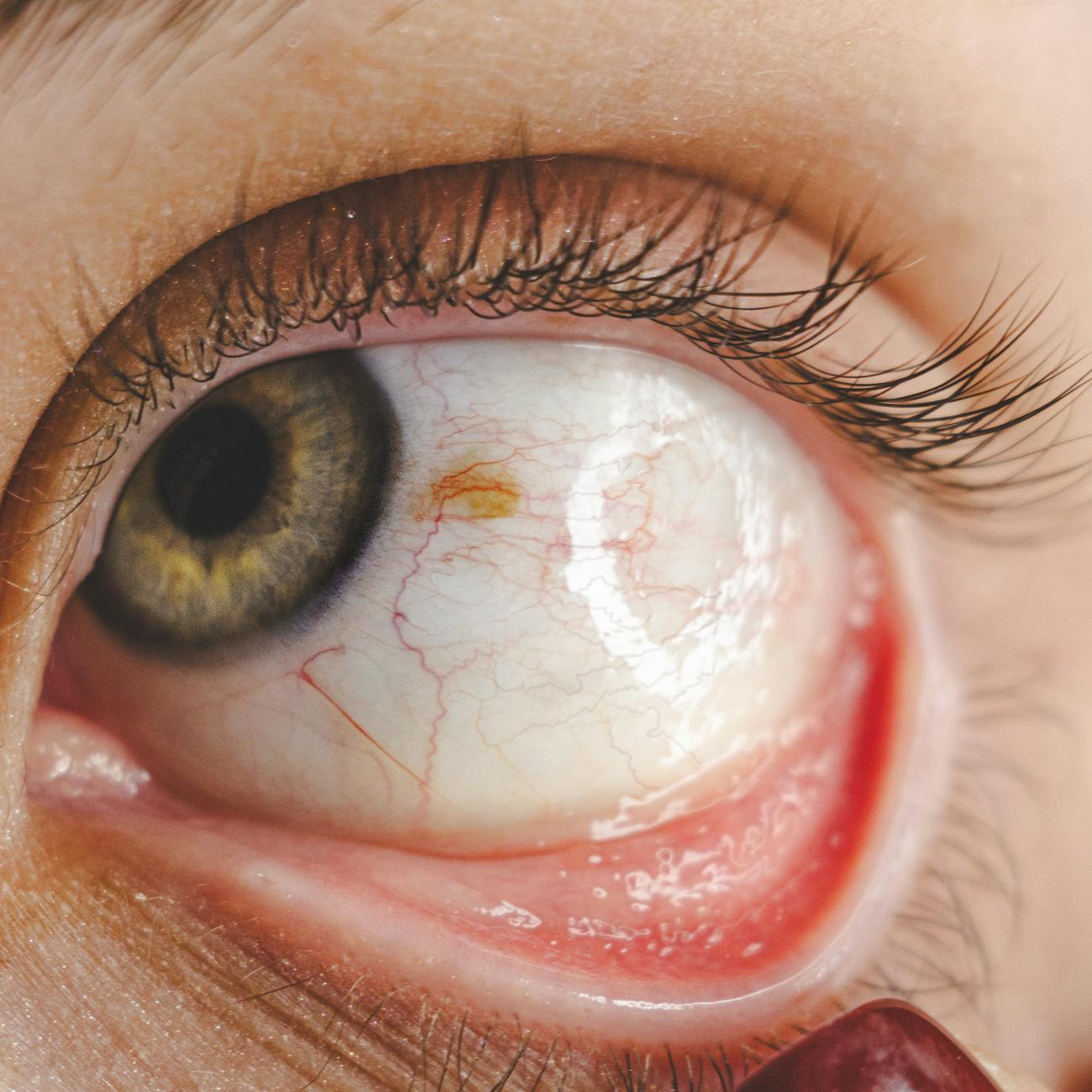
6. Eye Conditions: UV therapy can potentially cause damage to the eyes, especially if proper eye protection is not used during treatment. Individuals with eye conditions, such as cataracts or retinal disorders, should use caution when undergoing UV therapy.
7. Photosensitive Skin: Individuals with photosensitive skin, such as those with albinism or certain genetic disorders, should avoid UV therapy, as it can lead to sunburn and skin damage. These individuals are more susceptible to UV light-induced skin injuries.
Precautions
In addition to contraindications, there are certain precautions that should be taken into consideration when undergoing UV therapy. Precautions are measures that can help minimize risks and ensure the safety and effectiveness of UV therapy treatments.
1. Eye Protection: Proper eye protection, such as goggles or sunglasses, should be worn during UV therapy to prevent damage to the eyes. UV light can cause eye irritation, cataracts, and other eye conditions if not adequately protected.
2. Skin Protection: Patients undergoing UV therapy should protect their skin from excessive UV exposure by applying sunscreen or covering up exposed skin. This can help prevent sunburn and reduce the risk of skin damage.
3. Monitoring: Healthcare providers should closely monitor patients undergoing UV therapy to assess treatment response and detect any adverse effects. Regular follow-up visits can help ensure the safety and effectiveness of UV therapy.
4. Dose Adjustment: The dose of UV light used in therapy should be carefully monitored and adjusted based on individual patient characteristics, such as skin type and condition severity. Proper dosing can optimize treatment outcomes and minimize risks.
5. Hydration: Patients undergoing UV therapy should stay well-hydrated to prevent dehydration, especially during prolonged exposure to UV light. Proper hydration can help maintain skin health and reduce the risk of adverse effects.
6. Skin Care: Proper skin care, including moisturizing and gentle cleansing, is essential for individuals undergoing UV therapy. UV light can dry out the skin and increase the risk of irritation, so maintaining skin hydration is crucial.
7. Consultation: Patients considering UV therapy should consult with a healthcare provider to discuss the potential risks and benefits of treatment. A thorough evaluation can help determine if UV therapy is a suitable option for the individual.
Challenges
Despite the benefits of UV therapy in treating various skin conditions, there are challenges and considerations that healthcare providers and patients may face when utilizing this treatment modality. Addressing these challenges is essential to ensure optimal treatment outcomes and patient safety.
1. Compliance: One of the challenges of UV therapy is patient compliance with treatment protocols. UV therapy often requires multiple sessions over a period of time, and some patients may struggle to adhere to the recommended treatment schedule.
2. Side Effects: Common side effects of UV therapy include skin redness, itching, and dryness. Patients may experience discomfort or irritation during and after treatment sessions, which can impact treatment adherence and quality of life.
3. Cost: UV therapy can be costly, especially if multiple sessions are required for optimal results. Financial considerations may limit access to UV therapy for some patients, leading to disparities in treatment availability and outcomes.
4. Long-term Risks: Prolonged or excessive UV light exposure can increase the risk of skin damage, premature aging, and skin cancer. Healthcare providers must balance the benefits of UV therapy with the potential long-term risks associated with UV light exposure.
5. Alternative Treatments: There are alternative treatment options available for many of the conditions treated with UV therapy, such as topical medications, oral medications, or biologic therapies. Healthcare providers and patients may need to consider the efficacy and safety of these alternatives when deciding on a treatment plan.
6. Regulatory Considerations: UV therapy devices are regulated by government agencies to ensure safety and effectiveness. Healthcare providers must adhere to regulatory guidelines when using UV therapy equipment and follow best practices to minimize risks.
7. Education and Training: Healthcare providers who administer UV therapy should undergo specialized training to ensure proper technique and patient care. Continuing education on the latest advancements in UV therapy is essential to deliver high-quality treatment to patients.
In conclusion, understanding the indications and contraindications for UV therapy is essential for healthcare providers to deliver safe and effective treatment to patients. By recognizing the specific conditions where UV therapy is beneficial and avoiding situations where it may pose risks, healthcare providers can optimize treatment outcomes and promote patient well-being. Additionally, addressing challenges and considerations related to UV therapy can help improve treatment adherence, safety, and overall patient satisfaction.
Key takeaways
- UV therapy, also known as phototherapy, is a treatment modality that utilizes ultraviolet (UV) light to manage various skin conditions and other medical issues.
- Understanding the indications for UV therapy is essential for identifying patients who are likely to benefit from this treatment modality.
- UV therapy is a common treatment option for psoriasis, as UV light can help slow down the growth of skin cells and reduce inflammation.
- Vitiligo: Vitiligo is a skin disorder that causes the loss of skin pigment, resulting in white patches on the skin.
- Atopic Dermatitis: Atopic dermatitis, also known as eczema, is a skin condition characterized by red, itchy patches on the skin.
- Pruritus: Pruritus, or itching, can be a symptom of various skin conditions, including psoriasis and eczema.
- Acne: UV therapy, specifically blue light therapy, can be effective in treating acne by targeting acne-causing bacteria on the skin.