
Emergency Management for Dams
Emergency Management for Dams is a critical aspect of dam engineering that focuses on preparing for and responding to emergencies that may occur at dams. It involves developing plans, procedures, and strategies to mitigate risks, protect th…
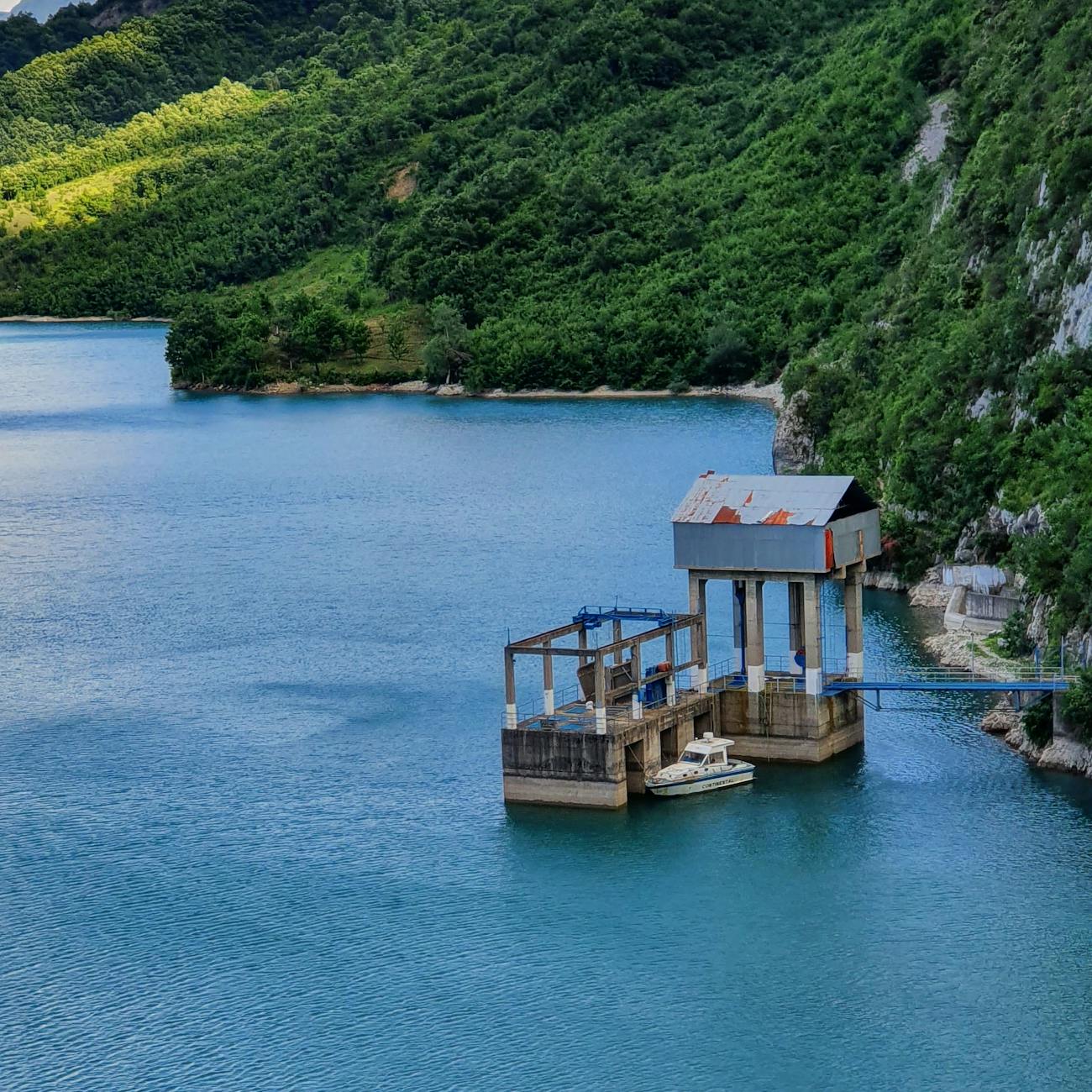
Emergency Management for Dams is a critical aspect of dam engineering that focuses on preparing for and responding to emergencies that may occur at dams. It involves developing plans, procedures, and strategies to mitigate risks, protect the safety of people and property, and minimize the impact of emergencies on the environment. In this course, we will cover key terms and vocabulary related to Emergency Management for Dams to help you understand the concepts and principles involved in this field.
1. **Emergency Management:** Emergency management refers to the process of preparing for, responding to, recovering from, and mitigating the impacts of emergencies or disasters. It involves a coordinated and integrated approach to managing emergencies to protect lives, property, and the environment.
2. **Risk Assessment:** Risk assessment is the process of identifying, analyzing, and evaluating potential risks and hazards that may affect a dam. It helps in understanding the likelihood and consequences of different scenarios and determining the best strategies to manage and mitigate risks.
3. **Emergency Response Plan (ERP):** An Emergency Response Plan is a document that outlines the procedures, protocols, and responsibilities for responding to emergencies at a dam. It provides a framework for coordinating emergency response efforts and ensuring a timely and effective response to emergencies.
4. **Emergency Action Plan (EAP):** An Emergency Action Plan is a subset of the Emergency Response Plan that specifically addresses actions to be taken in the event of an imminent dam failure or other emergency that requires immediate action to protect lives and property downstream.
5. **Dam Safety:** Dam safety refers to the measures and practices implemented to ensure the safe operation and maintenance of dams. It includes monitoring, inspection, maintenance, and emergency preparedness to prevent dam failures and protect downstream communities.
6. **Failure Modes and Effects Analysis (FMEA):** Failure Modes and Effects Analysis is a systematic method for identifying and analyzing potential failure modes of a system, such as a dam, and evaluating their consequences. It helps in prioritizing risks and developing strategies to mitigate them.
7. **Consequence Assessment:** Consequence assessment is the process of evaluating the potential impacts of an emergency or disaster, such as a dam failure, on people, property, and the environment. It helps in understanding the severity of the potential consequences and planning appropriate response measures.
8. **Risk Management:** Risk management is the process of identifying, assessing, and prioritizing risks, and implementing strategies to minimize, monitor, and control the impact of risks. It involves a proactive approach to managing risks and ensuring the safety and security of dams.
9. **Incident Command System (ICS):** The Incident Command System is a standardized organizational structure and management system used to coordinate emergency response activities. It provides a clear chain of command, roles, and responsibilities for responders during emergencies.
10. **Emergency Operations Center (EOC):** An Emergency Operations Center is a facility where emergency management personnel coordinate and manage response and recovery activities during emergencies. It serves as a central hub for communication, decision-making, and resource coordination.
11. **Evacuation:** Evacuation is the process of moving people from a potentially dangerous area, such as downstream of a dam, to a safer location during an emergency. It is a critical component of emergency management to protect lives and ensure the safety of communities at risk.
12. **Warning Systems:** Warning systems are tools and mechanisms used to alert people of an impending emergency, such as a dam failure. They include sirens, alarms, messages, and other communication methods to notify communities and individuals of potential threats.
13. **Dam Failure:** Dam failure is the complete or partial collapse of a dam structure, resulting in the release of water and the potential for flooding downstream. It is a catastrophic event that can cause significant damage to property, infrastructure, and the environment.
14. **Emergency Exercise:** An emergency exercise is a simulated scenario designed to test and evaluate the effectiveness of emergency response plans, procedures, and systems. It helps in identifying strengths and weaknesses in emergency management practices and improving response capabilities.
15. **Mutual Aid Agreements:** Mutual aid agreements are formal agreements between organizations or jurisdictions to provide assistance and resources to each other during emergencies. They facilitate coordination and collaboration in emergency response efforts and enhance the capacity to manage emergencies effectively.
16. **Public Information and Communication:** Public information and communication involve disseminating timely and accurate information to the public during emergencies. It helps in providing instructions, updates, and warnings to communities at risk and promoting public awareness and preparedness.
17. **Emergency Shelter:** An emergency shelter is a temporary facility set up to provide housing, food, and basic necessities to people displaced by emergencies, such as dam failures or floods. It serves as a safe haven for evacuees until they can return to their homes.
18. **Hazard Mitigation:** Hazard mitigation is the process of reducing or eliminating the risks and vulnerabilities associated with hazards, such as dam failures. It involves implementing structural and non-structural measures to minimize the impact of hazards on people, property, and the environment.
19. **Crisis Management:** Crisis management refers to the process of managing and resolving crises, such as dam failures, through effective decision-making, communication, and coordination. It involves responding to emergencies swiftly and decisively to minimize disruptions and restore normalcy.
20. **Recovery and Rehabilitation:** Recovery and rehabilitation are the phases of emergency management that focus on restoring and rebuilding communities and infrastructure affected by emergencies. It involves assessing damages, providing assistance to affected individuals, and implementing long-term recovery plans.
In this course, you will learn how to apply these key terms and concepts in the context of Emergency Management for Dams to effectively prepare for and respond to emergencies. By understanding the principles of risk assessment, emergency planning, and crisis management, you will be better equipped to ensure the safety and security of dams and surrounding communities. Through practical examples, case studies, and hands-on exercises, you will gain the knowledge and skills needed to manage emergencies at dams effectively and protect lives and property.
Key takeaways
- It involves developing plans, procedures, and strategies to mitigate risks, protect the safety of people and property, and minimize the impact of emergencies on the environment.
- **Emergency Management:** Emergency management refers to the process of preparing for, responding to, recovering from, and mitigating the impacts of emergencies or disasters.
- It helps in understanding the likelihood and consequences of different scenarios and determining the best strategies to manage and mitigate risks.
- **Emergency Response Plan (ERP):** An Emergency Response Plan is a document that outlines the procedures, protocols, and responsibilities for responding to emergencies at a dam.
- It includes monitoring, inspection, maintenance, and emergency preparedness to prevent dam failures and protect downstream communities.
- **Failure Modes and Effects Analysis (FMEA):** Failure Modes and Effects Analysis is a systematic method for identifying and analyzing potential failure modes of a system, such as a dam, and evaluating their consequences.
- **Consequence Assessment:** Consequence assessment is the process of evaluating the potential impacts of an emergency or disaster, such as a dam failure, on people, property, and the environment.