
Surgical Hair Loss Solutions
Surgical Hair Loss Solutions
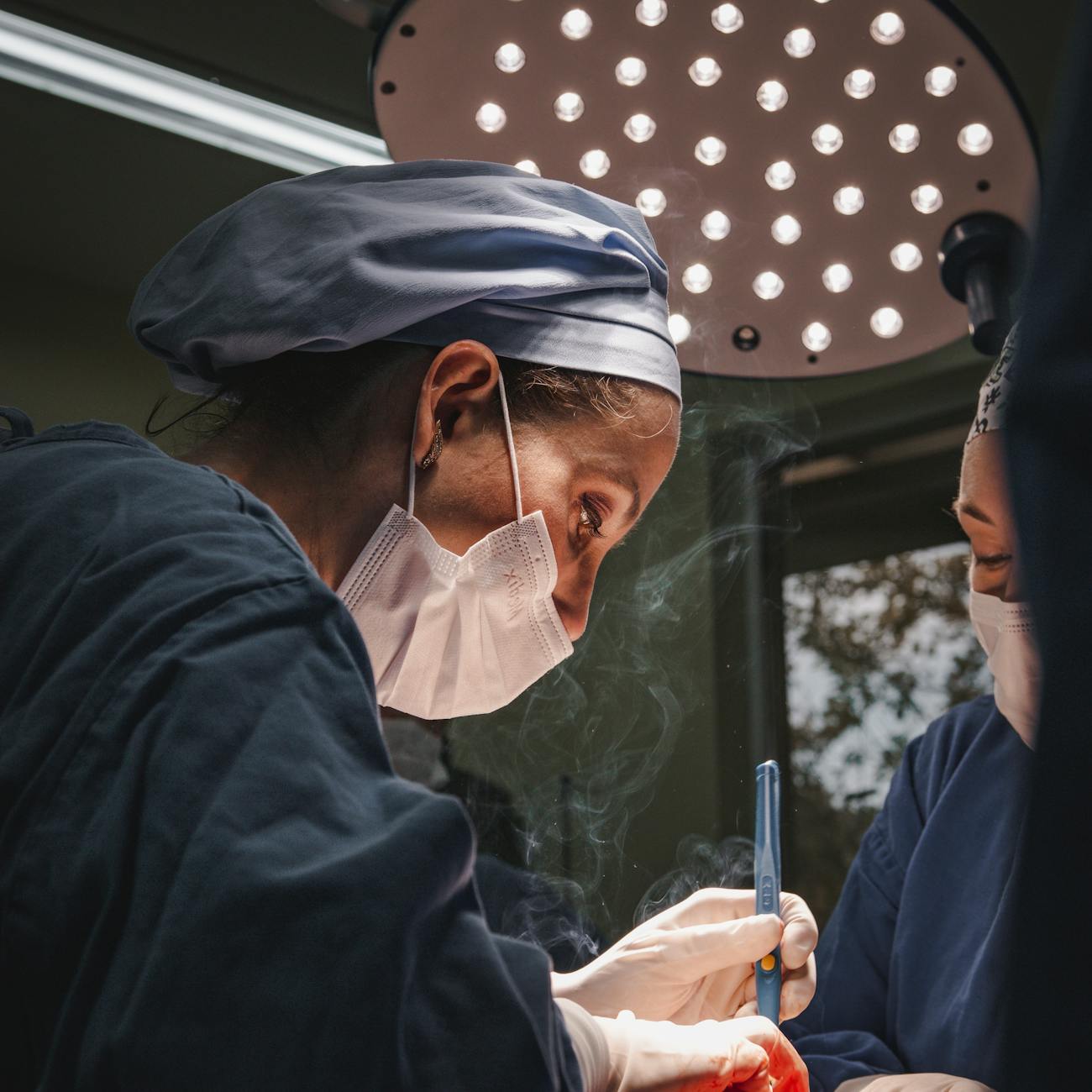
Surgical Hair Loss Solutions
Surgical hair loss solutions refer to the various procedures and techniques used to address hair loss through surgical means. These solutions are typically recommended for individuals who have experienced significant hair loss and are looking for more permanent and effective options to restore their hair. Surgical hair loss solutions are often considered when non-surgical treatments such as medications or topical solutions have not produced satisfactory results.
Key Terms and Vocabulary
1. Hair Transplant
A hair transplant is a surgical procedure that involves moving hair follicles from one part of the body (usually the back or sides of the head) to the balding or thinning areas. There are two main types of hair transplant techniques: follicular unit transplantation (FUT) and follicular unit extraction (FUE). FUT involves removing a strip of skin from the donor area, while FUE involves extracting individual hair follicles one by one.
Hair transplants are often used to treat male pattern baldness or androgenetic alopecia, but they can also be used to restore hair in other areas of the body such as the eyebrows or beard. The results of a hair transplant are typically permanent, as the transplanted hair follicles continue to grow naturally in their new location.
2. Scalp Reduction
Scalp reduction is a surgical procedure that involves removing a portion of the scalp with no hair and stretching the remaining skin to cover the balding area. This procedure is most commonly used to treat large areas of baldness or thinning hair. Scalp reduction can be performed in conjunction with a hair transplant to achieve more natural-looking results.
Scalp reduction is a more invasive procedure compared to hair transplants and may require a longer recovery time. However, it can be an effective solution for individuals with extensive hair loss who are looking for a more comprehensive approach to hair restoration.
3. Scalp Flap Surgery
Scalp flap surgery is a technique used to move a section of healthy scalp with hair from one part of the head to another. This procedure involves creating a flap of skin with its blood supply intact and repositioning it over the balding area. Scalp flap surgery is often used to cover larger areas of baldness or to reconstruct hairlines in cases of severe hair loss.
Scalp flap surgery can produce dramatic results, but it is a more complex and invasive procedure compared to other surgical hair loss solutions. The success of scalp flap surgery depends on the skill and experience of the surgeon, as well as the patient's individual hair loss pattern and goals.
4. Platelet-Rich Plasma (PRP) Therapy
Platelet-rich plasma (PRP) therapy is a non-surgical procedure that involves injecting a concentration of the patient's own platelets into the scalp to stimulate hair growth. PRP contains growth factors that promote hair follicle regeneration and improve hair density. PRP therapy is often used as a standalone treatment or in conjunction with other hair loss solutions to enhance results.
PRP therapy is a minimally invasive procedure that can be performed in a clinic setting. Multiple sessions may be required to achieve optimal results, and maintenance treatments are often recommended to sustain hair growth over time. PRP therapy is suitable for both men and women with various types of hair loss.
5. Hair Grafting
Hair grafting is a technique used to transplant small clusters of hair follicles (grafts) from the donor area to the recipient area. This procedure is commonly used in combination with hair transplants to achieve a more natural-looking hairline. Hair grafting allows for precise placement of hair follicles to create a dense and aesthetically pleasing result.
Hair grafting can be performed using different techniques such as single grafting, double grafting, or triple grafting, depending on the desired outcome. The success of hair grafting depends on the quality of the donor hair and the skill of the surgeon in implanting the grafts at the correct angle and density.
6. Robotic Hair Restoration
Robotic hair restoration is a cutting-edge technology that uses robotic systems to assist in the extraction and transplantation of hair follicles during a hair transplant procedure. The robotic system is programmed to identify and extract individual hair follicles with precision, reducing the risk of human error and improving the overall outcome of the surgery.
Robotic hair restoration offers several advantages over traditional hair transplant techniques, including faster extraction times, higher accuracy in follicle selection, and minimal scarring. However, robotic hair restoration may not be suitable for all patients, and it is essential to consult with a qualified surgeon to determine the most appropriate treatment plan.
7. Donor Dominance
Donor dominance is a fundamental principle in hair transplantation that describes the ability of hair follicles taken from a donor site to continue growing and producing hair in their new location. Hair follicles from the back and sides of the head are genetically resistant to the effects of dihydrotestosterone (DHT), the hormone responsible for hair loss in male pattern baldness.
Donor dominance is crucial in ensuring the success of a hair transplant procedure, as it determines the long-term viability of the transplanted hair follicles. By selecting donor hair that is resistant to DHT, surgeons can create a more permanent and natural-looking result for their patients.
8. Shock Loss
Shock loss is a temporary shedding of hair that occurs after a hair transplant or other surgical hair loss solution. This phenomenon is a normal part of the healing process and typically occurs within the first few weeks following the procedure. Shock loss can be alarming for patients, as they may notice increased hair shedding in the treated area.
Shock loss is usually temporary, and the hair will begin to regrow within a few months after the procedure. It is essential for patients to understand that shock loss is a natural response to the trauma of surgery and does not indicate a failed procedure. Proper post-operative care and follow-up appointments with the surgeon can help manage shock loss and ensure optimal hair growth results.
9. Follicular Unit Extraction (FUE)
Follicular unit extraction (FUE) is a hair transplant technique that involves extracting individual hair follicles from the donor area using a small, specialized tool. FUE is a minimally invasive procedure that does not require the removal of a strip of skin, as in follicular unit transplantation (FUT). This technique allows for more precise extraction of hair follicles and faster healing times for patients.
FUE is suitable for patients who prefer a less invasive hair transplant procedure or have limited donor hair available for transplantation. The results of FUE are typically natural-looking, with minimal scarring in the donor area. However, FUE may require more time and expertise on the part of the surgeon compared to FUT.
10. Follicular Unit Transplantation (FUT)
Follicular unit transplantation (FUT) is a traditional hair transplant technique that involves removing a strip of skin from the donor area and dissecting it into individual follicular units for transplantation. FUT allows for the transplantation of a large number of hair follicles in a single session, making it a suitable option for patients with extensive hair loss.
FUT is a more invasive procedure compared to FUE and may result in a linear scar in the donor area. However, FUT can provide excellent coverage and density for patients seeking maximum hair restoration. The success of FUT depends on the surgeon's skill in extracting and implanting the follicular units to achieve natural-looking results.
11. Hairline Design
Hairline design is a crucial aspect of surgical hair loss solutions that involves creating a natural and aesthetically pleasing hairline for the patient. The hairline defines the frame of the face and plays a significant role in the overall appearance of the hair transplant results. A well-designed hairline should complement the patient's facial features and age-appropriate hair density.
Hairline design requires careful consideration of factors such as hair texture, hair color, facial symmetry, and patient preferences. The surgeon may use techniques such as feathering, irregular spacing, and angulation to create a soft and gradual transition from the transplanted hair to the existing hair. Customized hairline design is essential to achieving a successful and harmonious outcome in surgical hair loss solutions.
12. Graft Survival Rate
Graft survival rate refers to the percentage of transplanted hair follicles that successfully take root and continue to grow after a hair transplant procedure. The success of a hair transplant depends on the survival rate of the transplanted grafts, as higher survival rates result in better overall hair growth and coverage. Factors such as surgical technique, patient health, and post-operative care can influence the graft survival rate.
Graft survival rate is typically measured in the weeks and months following a hair transplant, as the transplanted hair follicles go through a growth cycle. It is essential for patients to follow the surgeon's post-operative instructions carefully to optimize graft survival and achieve desired hair restoration results. Regular follow-up appointments with the surgeon can help monitor the progress of graft survival and address any concerns or issues that may arise.
13. Hair Density
Hair density refers to the number of hair follicles present in a given area of the scalp. Hair density plays a crucial role in determining the overall appearance of the hair and can vary widely among individuals. Hair density is often measured in units per square centimeter (cm²) and can influence the success of surgical hair loss solutions such as hair transplants.
Hair density is an important consideration in hair transplant procedures, as achieving natural-looking results requires matching the density of the transplanted hair with the existing hair. Surgeons may use techniques such as micrografting or dense packing to create a more uniform and aesthetically pleasing distribution of hair follicles. Understanding the concept of hair density is essential for both patients and surgeons to set realistic expectations and goals for hair restoration treatments.
14. Donor Area
The donor area is the region of the scalp or body where hair follicles are harvested for use in a hair transplant procedure. The donor area typically includes the back and sides of the head, where hair is genetically resistant to hair loss and can be safely extracted for transplantation. The quality and quantity of hair in the donor area play a critical role in the success of a hair transplant.
The donor area is carefully selected by the surgeon based on factors such as hair density, hair texture, and hair quality. It is essential to preserve the integrity of the donor area during the extraction process to ensure optimal results and minimize the risk of complications. The donor area should be assessed thoroughly before a hair transplant to determine its suitability for harvesting hair follicles.
15. Recipient Area
The recipient area is the balding or thinning area of the scalp where hair follicles are transplanted during a hair restoration procedure. The recipient area is carefully chosen by the surgeon to achieve the desired coverage and density for the patient. The success of a hair transplant depends on the proper placement of hair follicles in the recipient area to create a natural-looking result.
The recipient area may require pre-operative preparation to ensure optimal conditions for hair transplantation. Factors such as scalp laxity, skin quality, and blood supply can influence the outcome of the procedure. The surgeon will assess the recipient area during the initial consultation and develop a customized treatment plan to address the patient's specific hair loss concerns.
16. Hair Follicle Growth Cycle
The hair follicle growth cycle refers to the three main phases of hair growth: anagen (growth phase), catagen (transitional phase), and telogen (resting phase). Understanding the hair follicle growth cycle is essential for predicting the outcome of surgical hair loss solutions and managing patient expectations. Hair follicles go through a natural cycle of growth, shedding, and regeneration, which can vary in duration and intensity among individuals.
The hair follicle growth cycle is influenced by factors such as genetics, age, hormones, and environmental conditions. Hair transplant surgeons consider the growth cycle when planning a hair restoration procedure to ensure the long-term viability of the transplanted hair follicles. Patients may experience variations in hair growth and shedding as the transplanted hair follicles adapt to their new environment.
17. Post-Operative Care
Post-operative care refers to the instructions and guidelines provided to patients following a surgical hair loss solution to promote healing, prevent complications, and optimize results. Proper post-operative care is essential for the success of hair transplant procedures and can significantly impact the recovery process. Patients are advised to follow the surgeon's recommendations carefully to ensure a smooth and successful recovery.
Post-operative care may include instructions on wound care, medication use, activity restrictions, and follow-up appointments. Patients should avoid strenuous activities, exposure to sunlight, and smoking during the recovery period to minimize the risk of complications. Regular communication with the surgeon and adherence to post-operative care instructions can help patients achieve the best possible outcome from their surgical hair loss solution.
18. Hair Loss Patterns
Hair loss patterns refer to the specific distribution and progression of hair loss on the scalp, which can vary among individuals based on genetic factors and hormonal influences. Common hair loss patterns include male pattern baldness (androgenetic alopecia), female pattern hair loss, alopecia areata, and telogen effluvium. Understanding hair loss patterns is essential for diagnosing the underlying cause of hair loss and determining the most appropriate treatment approach.
Hair loss patterns can be classified using standardized scales such as the Norwood-Hamilton scale for male pattern baldness or the Ludwig scale for female pattern hair loss. These scales help surgeons assess the extent of hair loss and plan an effective treatment strategy. Identifying the specific hair loss pattern is crucial for selecting the most suitable surgical hair loss solution and achieving optimal results for the patient.
19. Hair Follicle Preservation
Hair follicle preservation refers to the techniques and strategies used to protect and maintain healthy hair follicles during a hair transplant procedure. Preserving the integrity of the hair follicles is essential for ensuring their long-term viability and promoting successful hair growth after transplantation. Surgeons use specialized tools and meticulous handling techniques to minimize trauma to the hair follicles during extraction and implantation.
Hair follicle preservation techniques may include keeping the harvested follicles in a nutrient-rich solution, minimizing the time between extraction and implantation, and ensuring proper hydration and temperature control. By focusing on hair follicle preservation, surgeons can maximize the survival rate of transplanted hair follicles and optimize the overall outcome of the hair restoration procedure.
20. Hair Loss Evaluation
Hair loss evaluation is the process of assessing the extent and underlying cause of hair loss in a patient to determine the most appropriate treatment approach. A comprehensive hair loss evaluation typically includes a medical history review, physical examination, scalp analysis, and diagnostic tests such as blood work or scalp biopsy. The evaluation helps surgeons identify the type and pattern of hair loss and develop a personalized treatment plan for the patient.
Hair loss evaluation may also involve discussing the patient's goals, expectations, and concerns regarding hair restoration. Surgeons use various assessment tools and techniques to evaluate hair loss, including digital imaging, trichoscopy, and dermoscopy. A thorough hair loss evaluation is essential for guiding treatment decisions and achieving successful outcomes in surgical hair loss solutions.
21. Hair Multiplication
Hair multiplication is a theoretical concept in hair restoration that involves cloning or multiplying hair follicles in a laboratory setting to create an unlimited supply of donor hair for transplantation. The goal of hair multiplication is to overcome limitations in donor hair availability and provide a more sustainable and effective solution for hair loss. Several research studies and clinical trials are exploring the feasibility of hair multiplication techniques.
Hair multiplication techniques may involve the use of stem cells, growth factors, or tissue engineering to generate new hair follicles from existing hair cells. While hair multiplication is still in the experimental stages, it holds promise for revolutionizing the field of hair restoration and offering new possibilities for patients with advanced hair loss. Continued research and advancements in technology are essential for realizing the full potential of hair multiplication in the future.
22. Follicular Unit Micrografting
Follicular unit micrografting is a hair transplant technique that involves transplanting small clusters of hair follicles (micrografts) in a precise and strategic manner to achieve natural-looking results. Micrografting allows surgeons to customize the distribution and density of hair follicles in the recipient area for optimal coverage and aesthetics. This technique is commonly used in conjunction with other hair restoration procedures to enhance the overall outcome.
Follicular unit micrografting requires meticulous attention to detail and a high level of surgical skill to ensure the successful integration of transplanted hair follicles. Surgeons may use specialized instruments such as microscopes or implanters to place micrografts with accuracy and precision. By focusing on follicular unit micrografting, surgeons can create a seamless and harmonious hairline that complements the patient's natural features.
23. Hair Loss Medications
Hair loss medications are non-surgical treatment options that are commonly used to manage androgenetic alopecia and other forms of hair loss. These medications work by blocking the effects of dihydrotestosterone (DHT), a hormone that contributes to hair follicle miniaturization and hair loss. Common hair loss medications include minoxidil (Rogaine) and finasteride (Propecia), which are available in topical or oral forms.
Hair loss medications can help slow down hair loss, promote hair regrowth, and improve hair density in some patients. However, these medications may have side effects or limitations, and their effectiveness can vary from person to person. It is essential for patients to consult with a healthcare provider before starting any hair loss medication to assess the risks and benefits of treatment.
24. Hair Restoration Surgeon
A hair restoration surgeon is a medical professional specializing in the diagnosis and treatment of hair loss through surgical and non-surgical interventions. Hair restoration surgeons undergo specialized training in hair transplantation techniques, scalp surgery, and aesthetic procedures to provide comprehensive care for patients with hair loss. Surgeons may be certified by professional organizations such as the International Society of Hair Restoration Surgery (ISHRS).
Hair restoration surgeons work closely with patients to assess their hair loss concerns, develop personalized treatment plans, and perform surgical procedures to restore hair growth. Surgeons use advanced technologies and techniques to achieve natural-looking results and enhance patient satisfaction. Choosing a qualified and experienced hair restoration surgeon is essential for obtaining safe and effective surgical hair loss solutions.
25. Hair Loss Support Groups
Hair loss support groups are community organizations or online forums that provide emotional support, education, and resources for individuals experiencing hair loss. These groups offer a platform for individuals to share their experiences, seek advice, and connect with others facing similar challenges related to hair loss. Hair loss support groups can be beneficial for promoting self-esteem, confidence, and acceptance among individuals with hair loss.
Hair loss support groups may focus on specific types of hair loss, treatment options, or coping strategies for managing the emotional impact of hair loss. Participants in support groups can access information about hair restoration treatments, lifestyle modifications, and self-care practices to improve their quality of life. Joining a hair loss support group can help individuals feel empowered and supported in their journey toward hair restoration.
Conclusion
Surgical hair loss solutions encompass a range of procedures
Key takeaways
- These solutions are typically recommended for individuals who have experienced significant hair loss and are looking for more permanent and effective options to restore their hair.
- A hair transplant is a surgical procedure that involves moving hair follicles from one part of the body (usually the back or sides of the head) to the balding or thinning areas.
- Hair transplants are often used to treat male pattern baldness or androgenetic alopecia, but they can also be used to restore hair in other areas of the body such as the eyebrows or beard.
- Scalp reduction is a surgical procedure that involves removing a portion of the scalp with no hair and stretching the remaining skin to cover the balding area.
- However, it can be an effective solution for individuals with extensive hair loss who are looking for a more comprehensive approach to hair restoration.
- Scalp flap surgery is often used to cover larger areas of baldness or to reconstruct hairlines in cases of severe hair loss.
- The success of scalp flap surgery depends on the skill and experience of the surgeon, as well as the patient's individual hair loss pattern and goals.