
Transport Economics and Policy
Transport Economics and Policy are fundamental components of the Postgraduate Certificate in Transport and Logistics Engineering. Understanding key terms and vocabulary in this field is crucial for professionals looking to excel in the tran…
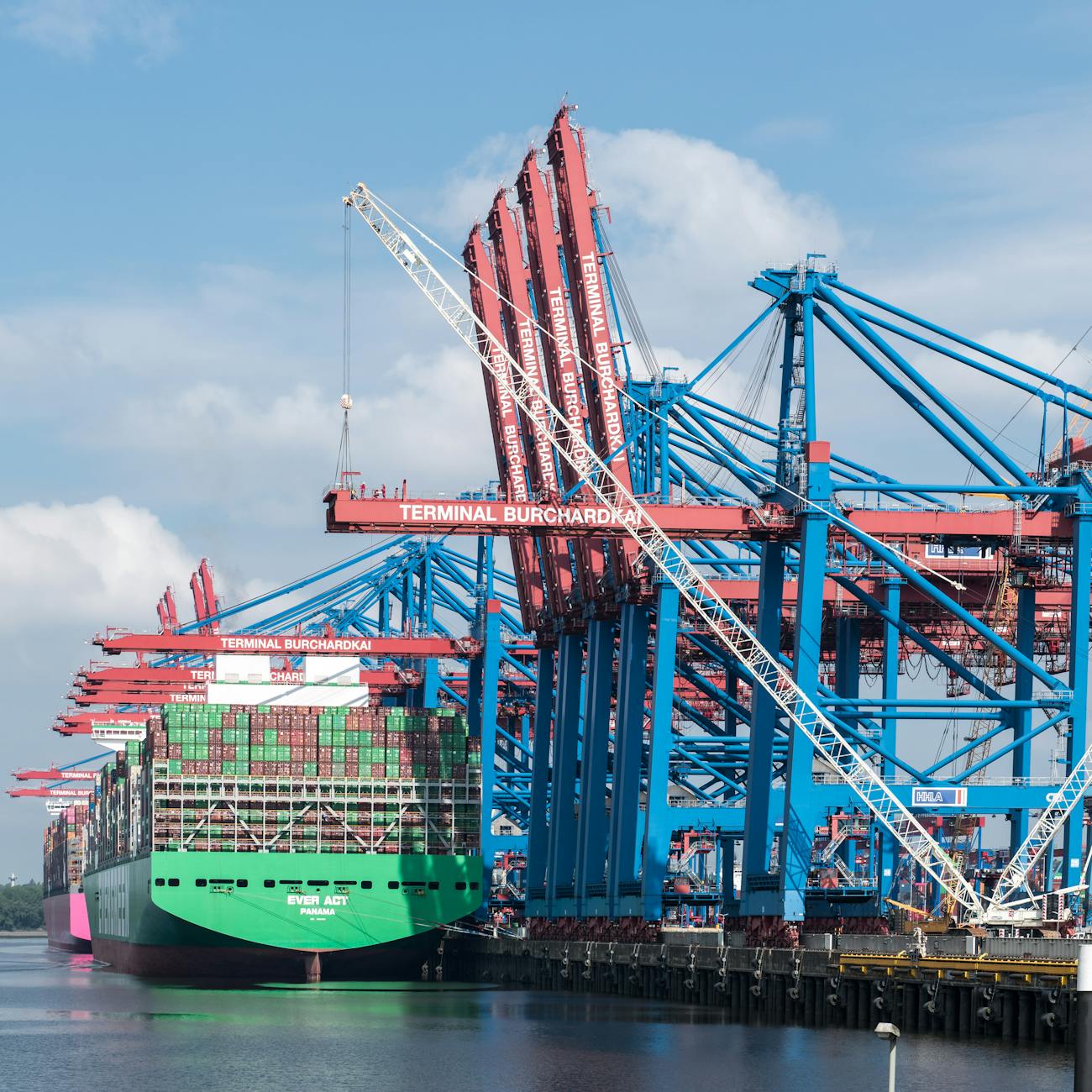
Transport Economics and Policy are fundamental components of the Postgraduate Certificate in Transport and Logistics Engineering. Understanding key terms and vocabulary in this field is crucial for professionals looking to excel in the transportation industry. Let's delve into the essential concepts that form the backbone of Transport Economics and Policy.
**1. Demand and Supply in Transportation:**
**Demand:** The quantity of transportation services that consumers are willing and able to purchase at a given price and time. For example, commuters demanding public transportation services during peak hours.
**Supply:** The quantity of transportation services that providers are willing and able to offer at a given price and time. For instance, a bus company supplying bus services on a specific route.
**Equilibrium:** The point where the quantity demanded equals the quantity supplied, leading to a balance in the transportation market. Equilibrium in transportation ensures efficient allocation of resources.
**2. Elasticity in Transportation:**
**Price Elasticity of Demand:** Measures the responsiveness of the quantity demanded of transportation services to a change in price. For instance, if a slight increase in bus fares leads to a significant decrease in ridership, the demand for bus services is elastic.
**Income Elasticity of Demand:** Indicates how changes in income affect the demand for transportation services. For example, luxury car demand is income elastic as it increases more than proportionately with income.
**Cross Elasticity of Demand:** Reflects how the demand for one mode of transportation is affected by changes in the price of another mode. For instance, if the price of train tickets rises, the demand for bus services may increase.
**3. Cost Concepts in Transportation:**
**Fixed Costs:** Expenses that do not change with the level of transportation output. For example, the lease payment for a warehouse used for storing goods.
**Variable Costs:** Costs that fluctuate with the level of transportation output. For instance, fuel costs for a trucking company increase with the number of miles driven.
**Total Costs:** The sum of fixed and variable costs incurred in providing transportation services. Understanding total costs is vital for pricing strategies and profit maximization.
**4. Economies of Scale and Scope in Transportation:**
**Economies of Scale:** Occur when the average cost of providing transportation services decreases as the scale of operations increases. For instance, a larger airline may benefit from lower average costs per passenger due to spreading fixed costs over more flights.
**Economies of Scope:** Arise when joint production of multiple transportation services results in lower costs than producing them separately. For example, a logistics company offering both warehousing and transportation services may achieve cost savings through shared resources.
**5. Pricing Strategies in Transportation:**
**Marginal Cost Pricing:** Setting prices equal to the marginal cost of providing an additional unit of transportation service. Marginal cost pricing promotes efficiency and allocative effectiveness.
**Average Cost Pricing:** Establishing prices based on average costs, including both fixed and variable costs. Average cost pricing may lead to underpricing or overpricing if costs are not accurately calculated.
**Peak Load Pricing:** Charging higher prices during peak demand periods to manage congestion and encourage off-peak travel. Peak load pricing aims to balance supply and demand efficiently.
**6. Market Structure in Transportation:**
**Perfect Competition:** A market structure with many buyers and sellers of homogeneous transportation services. In perfect competition, no single entity can influence prices.
**Monopoly:** A market structure dominated by a single provider of transportation services, giving them significant market power. Monopolies can lead to higher prices and reduced consumer choice.
**Oligopoly:** A market structure characterized by a few large providers of transportation services that dominate the market. Oligopolies may engage in price collusion or non-price competition to maintain market share.
**7. Regulation and Deregulation in Transportation:**
**Regulation:** Government intervention in the transportation industry to ensure safety, fair competition, and consumer protection. Regulations may include licensing requirements, price controls, and service quality standards.
**Deregulation:** Removing government restrictions on entry, pricing, and service provision in the transportation sector. Deregulation aims to promote competition, innovation, and efficiency in the industry.
**8. Externalities in Transportation:**
**Positive Externality:** Benefits generated by transportation activities that are not reflected in market prices. For example, a new public transit system reducing traffic congestion and pollution for all road users.
**Negative Externality:** Costs imposed on society by transportation activities that are not borne by the parties involved. For instance, air pollution from vehicle emissions impacting public health and the environment.
**Internalizing Externalities:** Adjusting prices or implementing policies to account for external costs or benefits associated with transportation activities. Internalizing externalities can lead to more socially optimal outcomes.
**9. Sustainable Transportation:**
**Green Transportation:** Modes of transportation that prioritize environmental sustainability, such as public transit, cycling, and electric vehicles. Green transportation aims to reduce carbon emissions and promote eco-friendly mobility.
**Transportation Demand Management (TDM):** Strategies to reduce travel demand or shift it to more sustainable modes, such as carpooling, telecommuting, and congestion pricing. TDM initiatives help alleviate traffic congestion and improve air quality.
**Multimodal Transportation:** Integrating different modes of transportation, such as rail, road, and waterways, to provide seamless and efficient travel options. Multimodal transportation enhances connectivity and reduces reliance on single modes.
**10. Public-Private Partnerships (PPPs) in Transportation:**
**PPPs:** Collaborative arrangements between public and private entities to finance, operate, and maintain transportation infrastructure or services. PPPs leverage the strengths of both sectors to deliver projects efficiently.
**Build-Operate-Transfer (BOT):** A common PPP model where a private entity finances, builds, and operates a transportation project before transferring ownership to the public sector after a specified period. BOT projects help mobilize private investment in infrastructure development.
**Challenges in Transport Economics and Policy:**
**Congestion:** Traffic congestion leads to increased travel times, fuel consumption, and emissions, impacting the efficiency and sustainability of transportation systems.
**Infrastructure Funding:** Securing adequate funding for maintaining and expanding transportation infrastructure is a persistent challenge faced by governments and industry stakeholders.
**Technological Disruption:** Rapid advancements in technology, such as autonomous vehicles and ride-sharing platforms, are reshaping the transportation landscape and require policy adaptations.
**Conclusion:**
Transport Economics and Policy play a vital role in shaping the efficiency, sustainability, and accessibility of transportation systems worldwide. By mastering key terms and concepts in this field, professionals can navigate complex challenges, optimize resource allocation, and drive innovation in the transport sector. Continual learning and adaptation to changing market dynamics are essential for success in the dynamic world of transportation economics and policy.
Key takeaways
- Understanding key terms and vocabulary in this field is crucial for professionals looking to excel in the transportation industry.
- **Demand:** The quantity of transportation services that consumers are willing and able to purchase at a given price and time.
- **Supply:** The quantity of transportation services that providers are willing and able to offer at a given price and time.
- **Equilibrium:** The point where the quantity demanded equals the quantity supplied, leading to a balance in the transportation market.
- **Price Elasticity of Demand:** Measures the responsiveness of the quantity demanded of transportation services to a change in price.
- **Income Elasticity of Demand:** Indicates how changes in income affect the demand for transportation services.
- **Cross Elasticity of Demand:** Reflects how the demand for one mode of transportation is affected by changes in the price of another mode.