
Ayurvedic Skincare Business and Marketing.
Ayurvedic Skincare Business and Marketing
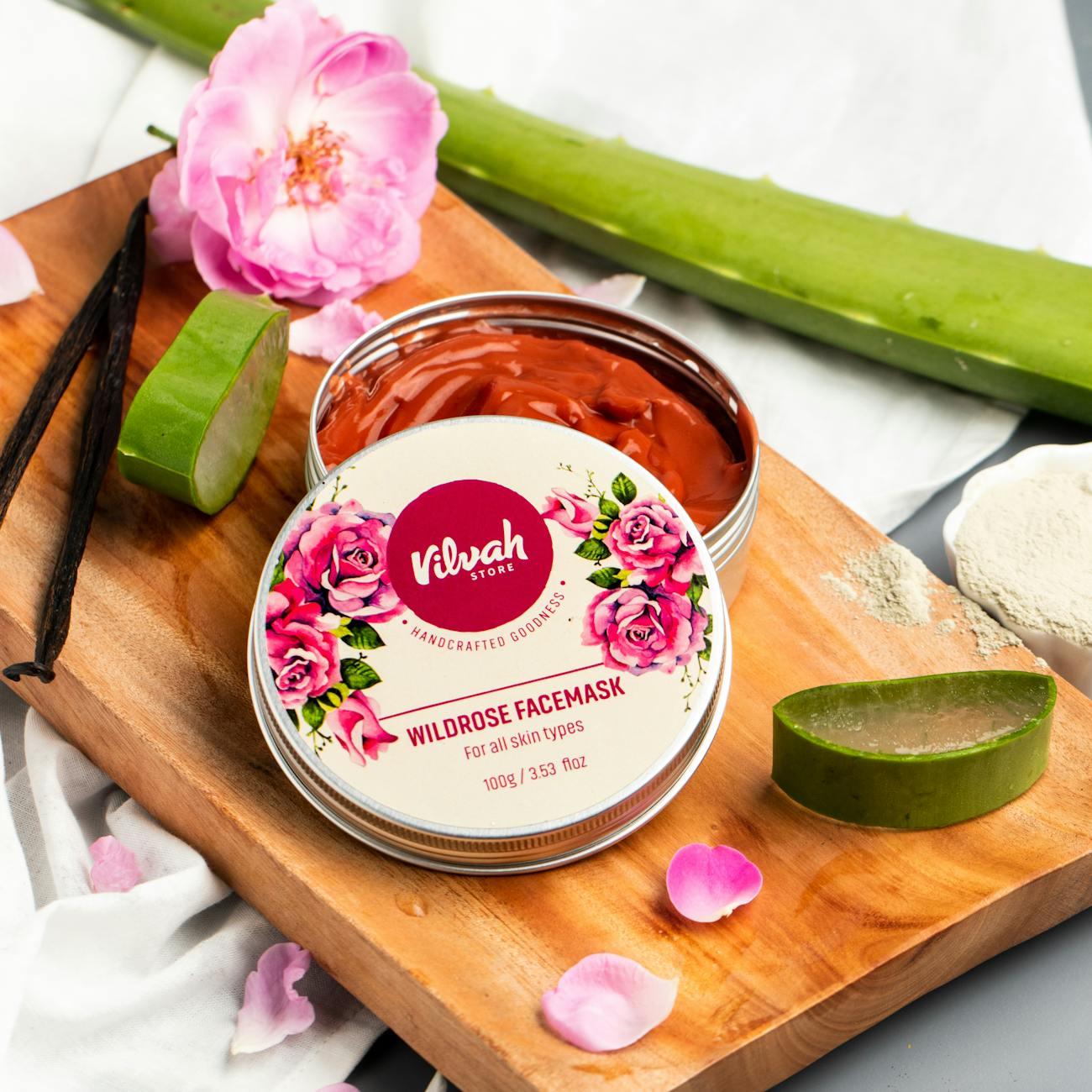
Ayurvedic Skincare Business and Marketing
Ayurveda, an ancient healing system that originated in India over 5,000 years ago, has gained popularity worldwide for its holistic approach to health and wellness. Ayurveda emphasizes the balance of mind, body, and spirit to achieve optimal health. In recent years, Ayurveda has also made its mark in the skincare industry with a focus on natural ingredients and personalized treatments. This has led to the rise of Ayurvedic skincare businesses that cater to individuals seeking natural and holistic solutions for their skincare needs.
In the Graduate Certificate in Ayurvedic Skincare, students learn key terms and vocabulary that are essential for understanding the Ayurvedic skincare business and marketing landscape. These terms help students navigate the unique challenges and opportunities in this industry, allowing them to develop successful strategies for launching and growing their own Ayurvedic skincare businesses. Let's explore some of the key terms and concepts related to Ayurvedic skincare business and marketing.
Ayurveda Ayurveda is a holistic healing system that focuses on achieving balance in the body, mind, and spirit to promote health and well-being. In Ayurveda, skincare is seen as an integral part of overall health, with a focus on natural ingredients and personalized treatments tailored to individual doshas (mind-body types).
Dosha In Ayurveda, doshas are the three fundamental energies that govern the functioning of the body and mind. The three doshas are Vata (air and ether), Pitta (fire and water), and Kapha (earth and water). Each individual has a unique combination of these doshas, which influence their physical, mental, and emotional characteristics. Understanding a person's dosha is key to providing personalized skincare treatments in Ayurveda.
Pitta Pitta is one of the three doshas in Ayurveda, representing the energy of fire and water. Individuals with a dominant Pitta dosha tend to have sensitive skin that is prone to inflammation and irritation. Pitta skincare products often focus on cooling and soothing ingredients to balance the fiery nature of Pitta.
Vata Vata is another dosha in Ayurveda, associated with the elements of air and ether. Vata skin tends to be dry, thin, and prone to premature aging. Vata skincare products typically contain nourishing and hydrating ingredients to restore balance and moisture to the skin.
Kapha Kapha is the third dosha in Ayurveda, representing the energies of earth and water. Kapha skin is often oily, congested, and prone to acne. Kapha skincare products aim to purify and detoxify the skin, using ingredients that are light and non-comedogenic.
Ayurvedic Skincare Ayurvedic skincare focuses on using natural ingredients and traditional Ayurvedic principles to promote healthy and radiant skin. Ayurvedic skincare products are free from harsh chemicals and synthetic fragrances, making them suitable for sensitive skin types. These products are often tailored to individual doshas to address specific skin concerns.
Herbal Ingredients Herbal ingredients play a key role in Ayurvedic skincare products, offering a range of benefits for the skin. Common herbal ingredients used in Ayurvedic skincare include neem, turmeric, sandalwood, aloe vera, and rose. Each herb has unique properties that help to nourish, heal, and protect the skin.
Ayurvedic Consultation An Ayurvedic consultation involves assessing an individual's dosha and overall health to determine the best skincare regimen for their unique needs. Ayurvedic practitioners may recommend specific products, dietary changes, and lifestyle modifications to promote healthy skin from the inside out.
Personalized Skincare Personalized skincare is a hallmark of Ayurvedic beauty, with treatments and products tailored to individual doshas and skin types. By addressing the root cause of skin issues, personalized skincare can help achieve long-lasting results and improve overall skin health.
Skincare Rituals Skincare rituals are an important part of Ayurvedic skincare, involving daily practices that promote self-care and well-being. These rituals may include cleansing, moisturizing, facial massage, and meditation to nourish the skin and calm the mind.
Ayurvedic Skincare Business An Ayurvedic skincare business focuses on creating and selling natural skincare products that are inspired by Ayurvedic principles. These businesses often emphasize sustainability, ethical sourcing, and transparency in their operations to appeal to eco-conscious consumers.
Marketing Strategies Marketing strategies for Ayurvedic skincare businesses may include content marketing, influencer partnerships, social media campaigns, and collaborations with spas and wellness centers. By highlighting the unique benefits of Ayurvedic skincare, businesses can attract customers who are seeking natural and holistic solutions for their skincare needs.
Brand Identity Brand identity is crucial for Ayurvedic skincare businesses to differentiate themselves in a competitive market. A strong brand identity conveys the values, mission, and unique selling points of the business, helping to build trust and loyalty with customers.
Certifications and Regulations Certifications and regulations play a key role in the Ayurvedic skincare industry, ensuring that products meet quality standards and adhere to ethical practices. Businesses may seek certifications such as USDA Organic, Cruelty-Free, and Fair Trade to demonstrate their commitment to sustainability and transparency.
Sustainability Practices Sustainability practices are increasingly important in the skincare industry, with consumers demanding eco-friendly and ethical products. Ayurvedic skincare businesses can adopt sustainable practices such as using recyclable packaging, sourcing ingredients responsibly, and minimizing waste to reduce their environmental impact.
Challenges and Opportunities Ayurvedic skincare businesses face challenges such as competition from mainstream beauty brands, educating consumers about Ayurveda, and sourcing high-quality ingredients. However, there are also opportunities for growth in the natural skincare market, as more consumers seek clean and holistic alternatives to conventional beauty products.
Customer Engagement Customer engagement is essential for building a loyal customer base and driving repeat business. Ayurvedic skincare businesses can engage customers through educational content, personalized recommendations, and interactive experiences to create a sense of community and connection with their brand.
Quality Control Quality control is crucial in the Ayurvedic skincare industry to ensure that products meet safety and efficacy standards. Businesses must conduct rigorous testing, adhere to good manufacturing practices, and maintain accurate labeling to protect the integrity of their brand and the health of their customers.
Distribution Channels Distribution channels play a key role in reaching customers and expanding market reach for Ayurvedic skincare businesses. Businesses can sell their products through online stores, brick-and-mortar retailers, spas, and wellness centers to reach a diverse audience of consumers interested in natural skincare solutions.
Product Development Product development is an ongoing process for Ayurvedic skincare businesses, involving research, testing, and innovation to create effective and appealing products. Businesses must stay informed about industry trends, consumer preferences, and scientific advancements to develop products that meet the evolving needs of their customers.
International Markets The Ayurvedic skincare industry has the potential for growth in international markets, as consumers worldwide seek natural and sustainable beauty products. Businesses can explore opportunities to expand into new regions, adapt their products to local preferences, and establish partnerships with distributors and retailers to reach a global audience.
Customer Reviews and Feedback Customer reviews and feedback are valuable sources of insight for Ayurvedic skincare businesses, providing information about product performance, customer satisfaction, and areas for improvement. Businesses can use customer feedback to refine their products, enhance their customer service, and build trust with their audience.
Innovative Ingredients Innovative ingredients are driving growth and innovation in the Ayurvedic skincare industry, with a focus on advanced botanicals, bioactive compounds, and cutting-edge technology. Businesses can differentiate themselves by incorporating novel ingredients that offer unique benefits for the skin and appeal to discerning consumers.
Industry Trends Staying informed about industry trends is essential for Ayurvedic skincare businesses to remain competitive and relevant in a rapidly evolving market. By monitoring trends in clean beauty, sustainability, wellness, and personalization, businesses can adapt their strategies and offerings to meet the changing needs and preferences of consumers.
Collaborations and Partnerships Collaborations and partnerships can help Ayurvedic skincare businesses expand their reach, build brand awareness, and access new markets. By collaborating with influencers, wellness experts, spas, and other like-minded brands, businesses can leverage shared audiences and resources to drive growth and engagement.
Digital Marketing Digital marketing is a powerful tool for Ayurvedic skincare businesses to connect with customers, promote their products, and drive sales online. Strategies such as social media marketing, email campaigns, influencer collaborations, and search engine optimization can help businesses reach a wider audience and increase brand visibility in the digital landscape.
Brand Positioning Brand positioning is the process of defining how a brand is perceived in the market relative to its competitors. Ayurvedic skincare businesses can differentiate themselves by highlighting their unique value proposition, target audience, and brand story to create a distinct and memorable brand identity that resonates with consumers.
Consumer Education Consumer education is essential for Ayurvedic skincare businesses to raise awareness about the benefits of Ayurveda, natural skincare, and personalized beauty routines. By providing educational content, workshops, and consultations, businesses can empower consumers to make informed decisions about their skincare and wellness practices.
Customer Loyalty Programs Customer loyalty programs can help Ayurvedic skincare businesses retain customers, encourage repeat purchases, and foster long-term relationships with their audience. By offering rewards, discounts, exclusive offers, and personalized experiences, businesses can incentivize loyalty and create a sense of value and appreciation for their customers.
Data Analytics Data analytics is a valuable tool for Ayurvedic skincare businesses to track and analyze customer behavior, sales performance, marketing effectiveness, and product insights. By leveraging data analytics tools and metrics, businesses can make informed decisions, optimize their strategies, and drive growth and profitability in a competitive market.
Regenerative Practices Regenerative practices focus on restoring and replenishing natural resources, ecosystems, and communities through sustainable and ethical business practices. Ayurvedic skincare businesses can adopt regenerative practices such as regenerative agriculture, carbon offsetting, and fair trade sourcing to minimize their environmental impact and contribute to positive social and environmental change.
Community Engagement Community engagement involves building relationships with customers, partners, and stakeholders to create a sense of belonging, trust, and shared values. Ayurvedic skincare businesses can engage with their community through events, workshops, social media, and collaborations to foster connections, feedback, and support for their brand and mission.
Supply Chain Transparency Supply chain transparency is essential for Ayurvedic skincare businesses to ensure ethical sourcing, fair labor practices, and environmental sustainability throughout their production process. Businesses can enhance supply chain transparency by partnering with certified suppliers, conducting audits, and communicating their sourcing practices and values to customers.
Brand Storytelling Brand storytelling is a powerful tool for Ayurvedic skincare businesses to connect with consumers on an emotional level, convey their values, and differentiate themselves in a crowded market. By sharing their brand story, mission, and impact, businesses can create a compelling narrative that resonates with customers and builds loyalty and trust for their brand.
Product Differentiation Product differentiation is key for Ayurvedic skincare businesses to stand out in a competitive market and attract customers looking for unique and effective skincare solutions. By emphasizing the benefits, ingredients, and results of their products, businesses can differentiate themselves from competitors and communicate their value proposition to consumers.
Strategic Partnerships Strategic partnerships can help Ayurvedic skincare businesses expand their reach, access new markets, and leverage complementary strengths and resources. By forming alliances with retailers, spas, influencers, and industry experts, businesses can amplify their brand visibility, credibility, and growth potential in the skincare industry.
Brand Reputation Management Brand reputation management is essential for Ayurvedic skincare businesses to maintain trust, credibility, and loyalty with their customers and stakeholders. By monitoring feedback, addressing issues promptly, and upholding high standards of quality and integrity, businesses can strengthen their brand reputation and build a positive and lasting relationship with their audience.
Product Packaging Product packaging plays a crucial role in Ayurvedic skincare businesses to protect and present their products, communicate brand identity, and appeal to consumers. Businesses can use sustainable packaging materials, eco-friendly designs, and informative labeling to enhance the perceived value and environmental impact of their products.
Product Testing and Safety Product testing and safety are paramount for Ayurvedic skincare businesses to ensure that their products are safe, effective, and compliant with regulatory standards. Businesses must conduct rigorous testing, quality control, and safety assessments to guarantee the efficacy, purity, and integrity of their products and protect the health and well-being of their customers.
Consumer Trust and Transparency Consumer trust and transparency are essential for Ayurvedic skincare businesses to build credibility, loyalty, and long-term relationships with their customers. By practicing transparency in their sourcing, production, and communication, businesses can earn the trust and confidence of consumers who value ethical, sustainable, and authentic beauty products.
Brand Values and Ethics Brand values and ethics form the foundation of Ayurvedic skincare businesses, guiding their decisions, actions, and relationships with customers, employees, and stakeholders. By upholding values such as sustainability, integrity, and social responsibility, businesses can demonstrate their commitment to ethical practices and create a positive impact on people and the planet.
Market Segmentation Market segmentation involves dividing the target market into distinct groups based on demographics, behaviors, and preferences to better understand and serve the needs of different customer segments. Ayurvedic skincare businesses can use market segmentation to identify and target specific customer segments, tailor their products and messaging, and optimize their marketing strategies for maximum impact and relevance.
Brand Recognition Brand recognition is the level of awareness and familiarity that consumers have with a brand, its products, and its values. Ayurvedic skincare businesses can build brand recognition through consistent branding, quality products, positive customer experiences, and strategic marketing efforts that reinforce their unique selling points and differentiate them from competitors in the market.
Customer Satisfaction Customer satisfaction is a key indicator of success for Ayurvedic skincare businesses, reflecting the extent to which customers are happy, loyal, and engaged with the brand and its products. By delivering high-quality products, excellent customer service, and personalized experiences, businesses can cultivate customer satisfaction, loyalty, and advocacy for their brand.
Market Research Market research is essential for Ayurvedic skincare businesses to gather insights, trends, and data on the skincare market, consumer preferences, competitors, and industry dynamics. By conducting market research, businesses can identify opportunities, assess risks, and make informed decisions to develop strategies that resonate with their target audience and drive growth and profitability.
Product Positioning Product positioning is the process of defining how a product is perceived by consumers relative to competitors in the market. Ayurvedic skincare businesses can position their products based on unique benefits, ingredients, pricing, and target audience to create a compelling and differentiated value proposition that appeals to consumers looking for natural, holistic, and effective skincare solutions.
Customer Acquisition Customer acquisition is the process of attracting and converting new customers to purchase products or services from a business. Ayurvedic skincare businesses can acquire customers through various channels such as social media, influencer marketing, advertising, partnerships, and events, by offering compelling products, value, and experiences that resonate with their target audience and inspire them to try and buy their products.
Customer Retention Customer retention is the ability of a business to keep customers engaged, satisfied, and loyal over time, leading to repeat purchases and long-term relationships. Ayurvedic skincare businesses can retain customers by providing exceptional products, personalized experiences, rewards, and incentives that create value, trust, and connection with their audience, and inspire them to continue using and advocating for their brand.
Product Innovation Product innovation is crucial for Ayurvedic skincare businesses to stay competitive, relevant, and differentiated in a fast-paced and evolving market. By investing in research, development, and creativity, businesses can introduce new products, formulations, and technologies that meet the changing needs and preferences of consumers, drive excitement, and maintain a competitive edge in the skincare industry.
Consumer Behavior Consumer behavior refers to the actions, attitudes, and decision-making processes that consumers exhibit when researching, evaluating, purchasing, and using products or services. Ayurvedic skincare businesses can analyze consumer behavior to understand the motivations, preferences, and needs of their target audience, and tailor their products, messaging, and strategies to resonate with consumers and drive engagement, loyalty, and sales.
Competitive Analysis Competitive analysis involves evaluating and benchmarking the strengths, weaknesses, opportunities, and threats of competitors in the market to identify gaps, opportunities, and areas for differentiation and improvement. Ayurvedic skincare businesses can conduct competitive analysis to understand the competitive landscape, assess competitors' strategies, products, and positioning, and develop strategies that capitalize on their unique strengths and value proposition to gain a competitive advantage and grow their market share.
Brand Equity Brand equity is the perceived value and strength of a brand in the minds of consumers, reflected in their awareness, loyalty, perceptions, and associations with the brand. Ayurvedic skincare businesses can build brand equity through consistent branding, quality products, positive customer experiences, and strategic marketing efforts that create a strong, trusted, and differentiated brand identity that resonates with consumers and drives preference, loyalty, and advocacy for their brand.
Customer Journey The customer journey refers to the stages and touchpoints that a customer goes through when interacting with a brand, from awareness and consideration to purchase and loyalty. Ayurvedic skincare businesses can map the customer journey to understand the needs, preferences, and behaviors of customers at each stage, and optimize their products, messaging, and experiences to create a seamless, engaging, and personalized journey that drives conversion, satisfaction, and loyalty.
Product Lifecycle The product lifecycle is the progression of a product through stages of introduction, growth, maturity, and decline in the market, reflecting changes in demand, competition, and consumer preferences over time. Ayurvedic skincare businesses can manage the product lifecycle by monitoring sales, feedback, and trends, and adjusting their strategies, pricing, and promotions to maximize the product's lifespan, profitability, and relevance in the market.
Brand Identity Brand identity is the visual, verbal, and emotional expression of a brand, encompassing its values, personality, and positioning in the market. Ayurvedic skincare businesses can define their brand identity through logos, colors, typography, messaging, and experiences that convey their unique selling points, mission, and values, and create a strong, consistent, and recognizable brand identity that resonates with consumers and differentiates them from competitors in the market.
Market Segmentation Market segmentation involves dividing the target market into distinct groups based on demographics, behaviors, and preferences to
Key takeaways
- Ayurveda, an ancient healing system that originated in India over 5,000 years ago, has gained popularity worldwide for its holistic approach to health and wellness.
- These terms help students navigate the unique challenges and opportunities in this industry, allowing them to develop successful strategies for launching and growing their own Ayurvedic skincare businesses.
- In Ayurveda, skincare is seen as an integral part of overall health, with a focus on natural ingredients and personalized treatments tailored to individual doshas (mind-body types).
- Each individual has a unique combination of these doshas, which influence their physical, mental, and emotional characteristics.
- Individuals with a dominant Pitta dosha tend to have sensitive skin that is prone to inflammation and irritation.
- Vata skincare products typically contain nourishing and hydrating ingredients to restore balance and moisture to the skin.
- Kapha skincare products aim to purify and detoxify the skin, using ingredients that are light and non-comedogenic.