
Urban Combat Equipment Procurement
Urban combat equipment procurement is a critical component of urban warfare logistics. It involves the acquisition of supplies, tools, and resources necessary for military personnel to effectively engage in armed conflict within urban envir…
Urban combat equipment procurement is a critical component of urban warfare logistics. It involves the acquisition of supplies, tools, and resources necessary for military personnel to effectively engage in armed conflict within urban environments. This process requires a thorough understanding of key terms and vocabulary, which are outlined below.
1. Equipment: Equipment refers to the physical items and tools required for military operations, including weapons, protective gear, communication devices, and transportation assets. 2. Urban: An urban environment is a densely populated area characterized by buildings, infrastructure, and complex terrain. 3. Combat: Combat refers to the use of force in military operations, including the engagement of enemy forces and the defense of friendly forces. 4. Procurement: Procurement is the process of acquiring goods, services, and resources from external sources, typically through a formal bidding or contracting process. 5. Logistics: Logistics refers to the planning, coordination, and execution of military operations, including the movement of personnel, equipment, and supplies. 6. Supply Chain: A supply chain is the series of steps involved in the production, distribution, and delivery of goods and services, from raw materials to end users. 7. Requisition: A requisition is a formal request for supplies, equipment, or resources, typically submitted by a military unit or individual. 8. Contract: A contract is a legally binding agreement between two or more parties, outlining the terms and conditions of a transaction or relationship. 9. Acquisition: Acquisition refers to the process of obtaining goods, services, or resources, typically through a formal contracting or purchasing process. 10. Bid: A bid is a formal offer to provide goods, services, or resources at a specified price, typically submitted in response to a request for proposals or quotations. 11. Specification: A specification is a detailed description of the requirements and characteristics of a good, service, or resource, including performance, quality, and safety standards. 12. Standardization: Standardization refers to the process of establishing uniform standards and specifications for goods, services, or resources, to ensure interoperability and compatibility. 13. Interoperability: Interoperability refers to the ability of different systems, equipment, or platforms to work together seamlessly, without compatibility issues or communication barriers. 14. Life Cycle: The life cycle of a piece of equipment refers to its entire lifespan, from design and development to deployment, maintenance, and disposal. 15. Total Cost of Ownership: The total cost of ownership (TCO) refers to the total cost of acquiring, operating, maintaining, and disposing of a piece of equipment, including direct and indirect costs. 16. Performance-Based Logistics: Performance-based logistics (PBL) is a procurement approach that focuses on the outcomes or results achieved by the equipment, rather than the specific inputs or processes used to deliver those outcomes. 17. Sustainment: Sustainment refers to the ongoing support and maintenance of equipment, including repairs, upgrades, and replacements, to ensure its continued availability and effectiveness. 18. Reliability: Reliability refers to the ability of equipment to perform its intended functions under specified conditions, without failure or malfunction. 19. Maintainability: Maintainability refers to the ease and speed with which equipment can be repaired, maintained, or restored to full functionality, following a failure or malfunction. 20. Availability: Availability refers to the percentage of time that equipment is available and ready for use, taking into account scheduled and unscheduled downtime.
Urban combat equipment procurement involves a wide range of stakeholders, including military personnel, logistics specialists, procurement officers, contractors, and suppliers. Effective communication and collaboration are essential to ensure that the right equipment is procured, at the right time, and at the right cost. This requires a deep understanding of the technical specifications, performance requirements, and operational constraints of urban combat environments.
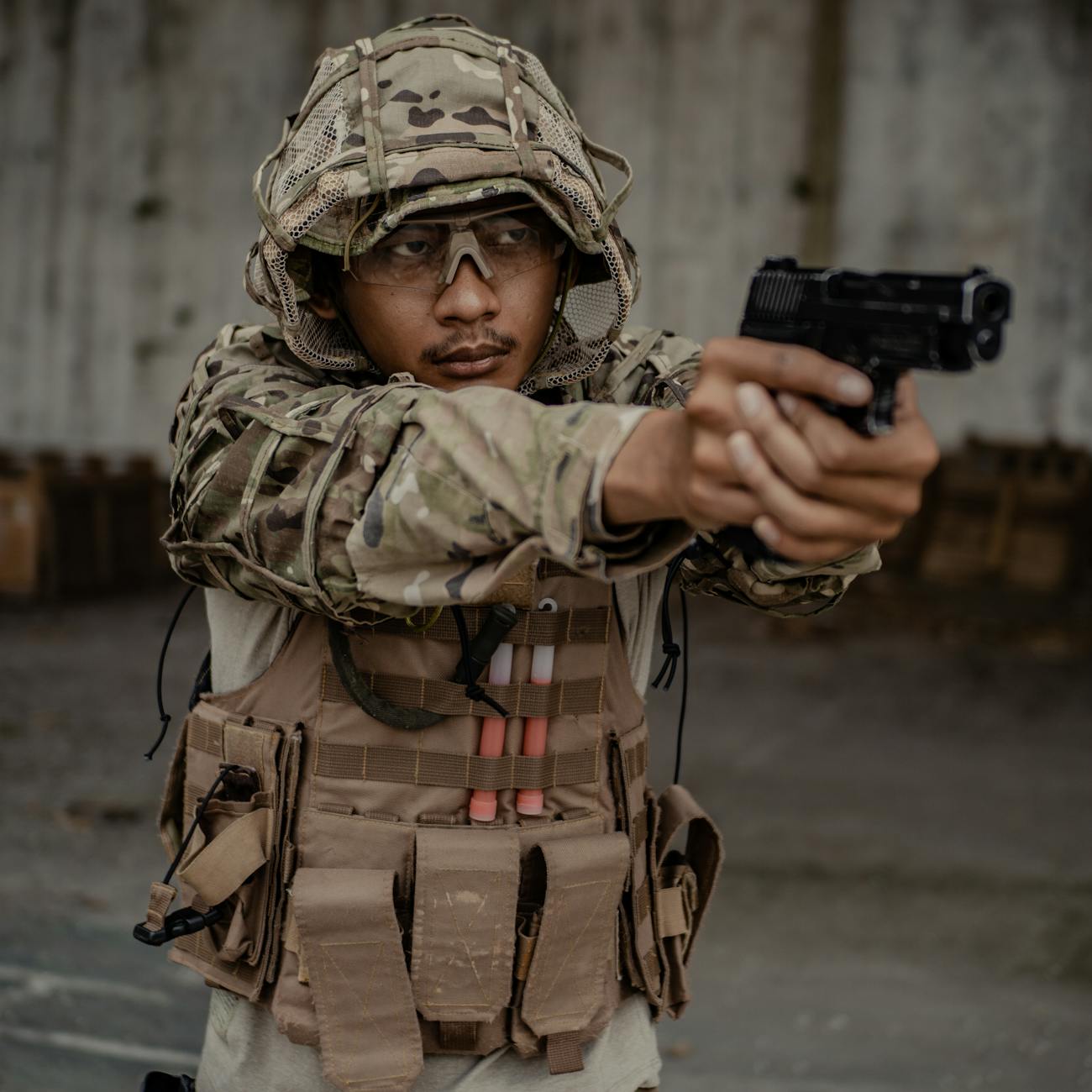
One example of urban combat equipment procurement is the acquisition of ballistic helmets for military personnel. A ballistic helmet is a type of protective gear designed to protect the head and neck from ballistic threats, such as bullets or shrapnel. When procuring ballistic helmets for urban combat, several key factors must be considered, including:
* Ballistic protection level: The ballistic protection level refers to the ability of the helmet to withstand different types and energies of ballistic threats, as specified by industry standards such as the National Institute of Justice (NIJ) or the European Committee for Standardization (CEN). * Comfort and fit: The helmet must be comfortable to wear for extended periods, and fit securely and snugly on the head, without obstructing vision or mobility. * Communication and sensory capabilities: The helmet may need to integrate with communication devices, night vision goggles, or other sensory equipment, to enable effective communication and situational awareness. * Weight and durability: The helmet must be lightweight enough for comfortable wear, but also durable enough to withstand the rigors of urban combat environments. * Cost and availability: The helmet must be affordable and available in sufficient quantities to meet the needs of the military unit or individual.
To ensure the successful procurement of ballistic helmets for urban combat, a comprehensive specification should be developed, outlining the technical, performance, and operational requirements. This specification should be based on a thorough analysis of the urban combat environment, including the types of threats and challenges that military personnel are likely to encounter. The specification should also take into account any relevant industry standards or regulations, such as the NIJ or CEN standards for ballistic protection.
Once the specification has been developed, a request for proposals or quotations can be issued to potential contractors or suppliers. The request should clearly outline the technical, performance, and operational requirements, as well as any other relevant information, such as delivery schedules, payment terms, and warranty provisions. Contractors or suppliers can then submit their bids, which should include a detailed proposal outlining their approach, timeline, and cost structure.
The procurement team can then evaluate the bids, taking into account factors such as price, quality, delivery time, and past performance. The team may also conduct site visits, product demonstrations, or other assessments to ensure that the proposed solution meets the technical, performance, and operational requirements. Based on this evaluation, a contract can be awarded to the selected contractor or supplier.
Throughout the life cycle of the ballistic helmet, ongoing maintenance and sustainment activities will be required to ensure its continued availability and effectiveness. This may include repairs, upgrades, or replacements, as well as regular inspections and testing to ensure that the helmet continues to meet the required performance standards. The total cost of ownership of the helmet should be taken into account when making decisions about maintenance and sustainment activities, to ensure that they are cost-effective and aligned with the military unit's overall objectives.
In conclusion, urban combat equipment procurement is a critical component of urban warfare logistics, requiring a deep understanding of the technical, performance, and operational requirements of urban combat environments. By following a rigorous procurement process, including the development of comprehensive specifications, evaluation of bids, and ongoing maintenance and sustainment activities, military units can ensure that they have the right equipment, at the right time, and at the right cost, to effectively engage in urban combat operations.
Key takeaways
- It involves the acquisition of supplies, tools, and resources necessary for military personnel to effectively engage in armed conflict within urban environments.
- Performance-Based Logistics: Performance-based logistics (PBL) is a procurement approach that focuses on the outcomes or results achieved by the equipment, rather than the specific inputs or processes used to deliver those outcomes.
- Urban combat equipment procurement involves a wide range of stakeholders, including military personnel, logistics specialists, procurement officers, contractors, and suppliers.
- A ballistic helmet is a type of protective gear designed to protect the head and neck from ballistic threats, such as bullets or shrapnel.
- * Communication and sensory capabilities: The helmet may need to integrate with communication devices, night vision goggles, or other sensory equipment, to enable effective communication and situational awareness.
- To ensure the successful procurement of ballistic helmets for urban combat, a comprehensive specification should be developed, outlining the technical, performance, and operational requirements.
- The request should clearly outline the technical, performance, and operational requirements, as well as any other relevant information, such as delivery schedules, payment terms, and warranty provisions.