
Civil-Military Relations in Unconventional Warfare
Civil-Military Relations in Unconventional Warfare (UW) refers to the relationship between civilian authorities and military forces in the context of irregular warfare, insurgencies, guerrilla warfare, and other forms of unconventional conf…
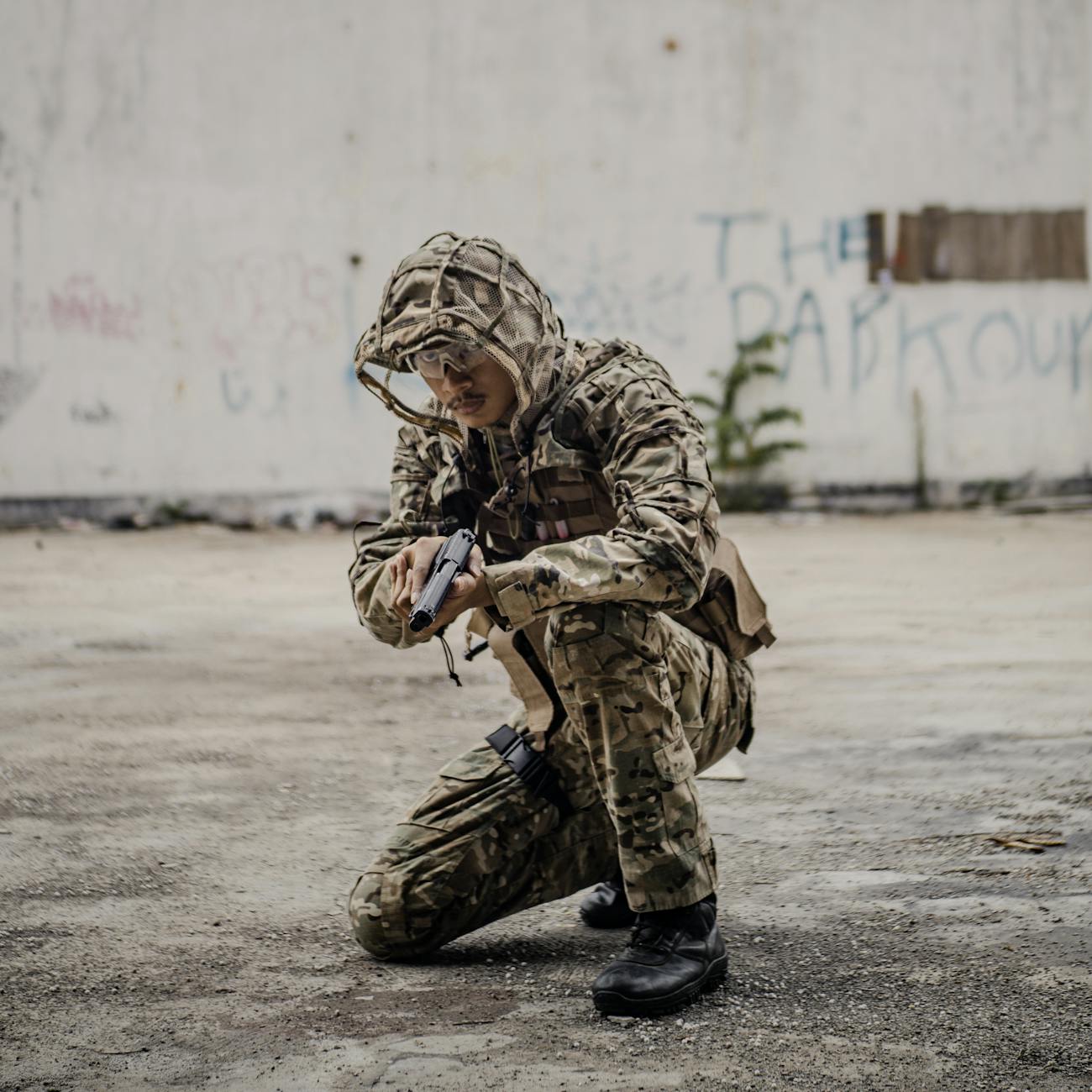
Civil-Military Relations in Unconventional Warfare (UW) refers to the relationship between civilian authorities and military forces in the context of irregular warfare, insurgencies, guerrilla warfare, and other forms of unconventional conflict. The study of civil-military relations in UW is a critical component of the Global Certificate in Study of Unconventional Warfare, as it deals with the complex challenges of maintaining a delicate balance between military power and civilian authority in the context of UW. This explanation will cover key terms and vocabulary related to civil-military relations in UW, providing examples, practical applications, and challenges.
1. Unconventional Warfare (UW): UW is a form of warfare that involves irregular forces, guerrilla tactics, and unconventional methods to achieve political or military objectives. UW is often characterized by a lack of clear boundaries between combatants and non-combatants, and the use of civilian infrastructure and resources to support military objectives. 2. Civilian Authority: Civilian authority refers to the legal and political power held by civilian leaders, such as government officials, politicians, and other non-military authorities. Civilian authority is responsible for making policy decisions related to UW, such as determining the objectives, rules of engagement, and resource allocation for UW operations. 3. Military Power: Military power refers to the physical and operational capabilities of military forces, such as weapon systems, logistics, and tactical expertise. Military power is responsible for executing UW operations in accordance with civilian authority and policy decisions. 4. Civil-Military Relations: Civil-military relations refer to the relationship between civilian authorities and military forces in the context of UW. Civil-military relations involve a delicate balance between civilian authority and military power, requiring clear communication, coordination, and cooperation between both parties. 5. Civil-Military Coordination: Civil-Military Coordination (CIMIC) is the process of coordinating civilian and military activities in the context of UW. CIMIC involves sharing information, resources, and expertise between civilian and military authorities to ensure that UW operations are conducted in accordance with civilian policy decisions and in a manner that minimizes harm to civilians and civilian infrastructure. 6. Civil-Military Cooperation: Civil-Military Cooperation (CIMIC) is the process of cooperating with civilian authorities and organizations to support UW operations. CIMIC involves working with civilian organizations, such as humanitarian agencies, non-governmental organizations, and local communities, to provide assistance, support, and protection to civilians affected by UW operations. 7. Unity of Command: Unity of Command is a principle of military organization that requires a single commander to be responsible for the planning and execution of a military operation. Unity of Command ensures clear lines of authority and accountability, and helps to prevent confusion and conflicting orders in the context of UW. 8. Civilian Control: Civilian Control is the principle that civilian authorities have ultimate authority and control over military forces. Civilian Control ensures that military power is subordinate to civilian authority and that UW operations are conducted in accordance with civilian policy decisions. 9. Military Professionalism: Military Professionalism is the ethical and legal standards that govern the conduct of military personnel. Military Professionalism requires military personnel to adhere to a code of conduct that emphasizes loyalty, duty, respect, selfless service, honor, integrity, and personal courage. 10. Civilian Immunity: Civilian Immunity is the principle that civilians are not legitimate targets in UW operations. Civilian Immunity requires military forces to take all necessary precautions to minimize harm to civilians and civilian infrastructure, and to respect the laws of war and the rules of engagement.
Examples:
* In the context of UW, civil-military relations can be challenging due to the complex and dynamic nature of UW operations. For example, in the early stages of the Iraq War, there were significant tensions between civilian leaders and military commanders over the conduct of UW operations. * CIMIC is critical in the context of UW, as it helps to ensure that military operations are conducted in a manner that minimizes harm to civilians and civilian infrastructure. For example, in the context of the conflict in Afghanistan, CIMIC efforts helped to provide medical assistance, food, and other forms of support to civilians affected by UW operations. * Military Professionalism is essential in the context of UW, as it helps to ensure that military personnel adhere to ethical and legal standards in the conduct of UW operations. For example, during the Malayan Emergency, military commanders emphasized the importance of respecting the laws of war and the rules of engagement, and of minimizing harm to civilians.
Practical Applications:
* Understanding civil-military relations in UW is critical for military personnel, government officials, and other stakeholders involved in UW operations. By understanding the principles of civil-military relations, military personnel can ensure that UW operations are conducted in a manner that is consistent with civilian policy decisions and that minimizes harm to civilians and civilian infrastructure. * CIMIC and CIMIC are essential components of UW operations, as they help to ensure that military operations are conducted in a manner that is consistent with civilian policy decisions and that minimizes harm to civilians and civilian infrastructure. By working with civilian organizations and local communities, military personnel can provide assistance, support, and protection to civilians affected by UW operations. * Military Professionalism is essential in the context of UW, as it helps to ensure that military personnel adhere to ethical and legal standards in the conduct of UW operations. By emphasizing the importance of respecting the laws of war and the rules of engagement, military commanders can help to minimize harm to civilians and civilian infrastructure.
Challenges:
* Civil-military relations in UW can be challenging due to the complex and dynamic nature of UW operations. Military personnel may have different priorities and objectives than civilian leaders, and may have different perspectives on the best way to conduct UW operations. * CIMIC and CIMIC can be challenging due to the need to coordinate and cooperate with a wide range of civilian organizations and local communities. Military personnel may have limited knowledge of the local culture, language, and social norms, making it difficult to communicate and work effectively with civilian organizations and local communities. * Military Professionalism can be challenging in the context of UW, as military personnel may be required to operate in complex and dynamic environments, where ethical and legal standards may be difficult to apply. Military personnel may be required to make difficult decisions in the heat of battle, where there may be conflicting ethical and legal considerations.
Conclusion:
In conclusion, civil-military relations in UW are a critical component of the Global Certificate in Study of Unconventional Warfare. Understanding the key terms and vocabulary related to civil-military relations in UW is essential for military personnel, government officials, and other stakeholders involved in UW operations. By understanding the principles of civil-military relations, CIMIC, CIMIC, and Military Professionalism, military personnel can ensure that UW operations are conducted in a manner that is consistent with civilian policy decisions and that minimizes harm to civilians and civilian infrastructure. While there are challenges associated with civil-military relations in UW, by working together and emphasizing the importance of ethical and legal standards, military personnel and civilian leaders can help to ensure the success of UW operations.
Key takeaways
- This explanation will cover key terms and vocabulary related to civil-military relations in UW, providing examples, practical applications, and challenges.
- CIMIC involves working with civilian organizations, such as humanitarian agencies, non-governmental organizations, and local communities, to provide assistance, support, and protection to civilians affected by UW operations.
- For example, in the context of the conflict in Afghanistan, CIMIC efforts helped to provide medical assistance, food, and other forms of support to civilians affected by UW operations.
- * Military Professionalism is essential in the context of UW, as it helps to ensure that military personnel adhere to ethical and legal standards in the conduct of UW operations.
- * Military Professionalism can be challenging in the context of UW, as military personnel may be required to operate in complex and dynamic environments, where ethical and legal standards may be difficult to apply.
- Understanding the key terms and vocabulary related to civil-military relations in UW is essential for military personnel, government officials, and other stakeholders involved in UW operations.