
Quality Management Systems
Quality Management Systems (QMS) play a crucial role in the pharmaceutical industry by ensuring that products are safe, effective, and of high quality. Understanding key terms and vocabulary related to QMS is essential for professionals wor…
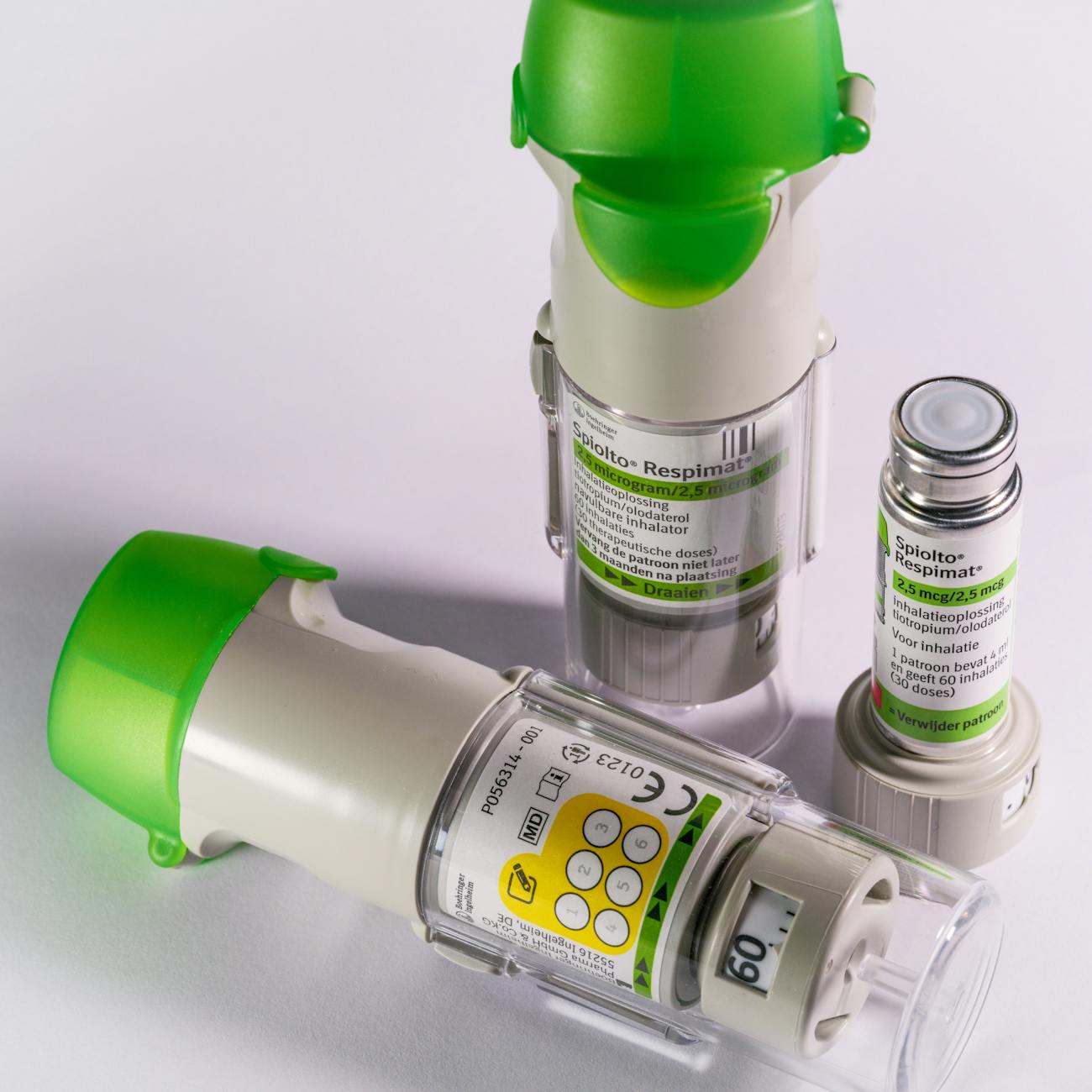
Quality Management Systems (QMS) play a crucial role in the pharmaceutical industry by ensuring that products are safe, effective, and of high quality. Understanding key terms and vocabulary related to QMS is essential for professionals working in this field. Let's delve into some of the important concepts in the Graduate Certificate in Quality Control in the Pharmaceutical Industry:
Quality Management:
Quality management involves coordinating and directing an organization to achieve its quality objectives. It encompasses all activities of the overall management function that determine the quality policy, objectives, and responsibilities, as well as implementing them by means such as quality planning, quality control, quality assurance, and quality improvement.
ISO 9001:
ISO 9001 is an international standard that specifies requirements for a quality management system (QMS). It is focused on meeting customer requirements and enhancing customer satisfaction. ISO 9001 sets out the criteria for a QMS and is based on a number of quality management principles including a strong customer focus, the involvement of top management, and a process approach.
GMP (Good Manufacturing Practices):
GMP refers to the regulations and guidelines that ensure that products are consistently produced and controlled according to quality standards. In the pharmaceutical industry, adherence to GMP is crucial to ensure the safety, quality, and efficacy of pharmaceutical products.
CAPA (Corrective and Preventive Action):
CAPA is a set of actions taken to eliminate the causes of an existing nonconformity or potential nonconformity. Corrective actions are taken to prevent recurrence of a detected nonconformity, while preventive actions are implemented to prevent the occurrence of a nonconformity.
Risk Management:
Risk management is the process of identifying, assessing, and controlling risks to an organization. In the pharmaceutical industry, risk management is essential to ensure the safety and efficacy of products. It involves identifying potential risks, evaluating their impact, and developing strategies to mitigate or eliminate them.
Validation and Qualification:
Validation and qualification are processes used to ensure that equipment, processes, and systems are fit for their intended purpose. Validation is the process of establishing documented evidence that provides a high degree of assurance that a specific process will consistently produce a product meeting its predetermined specifications and quality attributes. Qualification, on the other hand, is the process of establishing documented evidence that provides a high degree of assurance that a specific item will consistently perform in a specific manner.
Root Cause Analysis:
Root cause analysis is a method used to identify the underlying cause of a problem or nonconformity. By determining the root cause, organizations can implement effective corrective and preventive actions to prevent recurrence of the issue.
Change Control:
Change control is a systematic approach to managing all changes made to a product or system. It ensures that changes are properly evaluated, approved, implemented, and documented. In the pharmaceutical industry, change control is essential to maintain product quality and compliance with regulations.
Audit:
An audit is a systematic and independent examination of processes, systems, and records to determine whether activities and related results conform to planned arrangements and whether these arrangements are implemented effectively and are suitable to achieve the organization's objectives.
Documentation:
Documentation is a critical aspect of quality management in the pharmaceutical industry. It involves keeping records of processes, procedures, and specifications to ensure that products are manufactured in accordance with quality standards. Good documentation practices are essential for traceability, accountability, and compliance with regulations.
Deviation:
A deviation is a departure from an approved process or procedure. When a deviation occurs, it must be investigated to determine the root cause and appropriate corrective actions must be taken to prevent recurrence.
Quality Control:
Quality control is the process of ensuring that products meet specified requirements and standards. It involves monitoring and testing products to verify that they meet quality criteria. Quality control activities include sampling, testing, and inspection.
Quality Assurance:
Quality assurance is a proactive approach to preventing defects by ensuring that processes are designed and implemented correctly. It involves establishing processes to monitor and verify that products meet specified requirements. Quality assurance focuses on preventing issues before they occur.
Quality Policy:
A quality policy is a statement that communicates an organization's commitment to quality. It defines the organization's quality objectives and provides a framework for implementing quality management processes. The quality policy should be communicated and understood at all levels of the organization.
Supplier Quality Management:
Supplier quality management involves evaluating, selecting, and monitoring suppliers to ensure that they meet quality requirements. It is essential to have robust supplier quality management processes to ensure that raw materials and components used in pharmaceutical products meet quality standards.
Training and Competence:
Training and competence are critical aspects of quality management in the pharmaceutical industry. Employees must be adequately trained to perform their job functions effectively and have the necessary skills and knowledge to maintain product quality and compliance.
Nonconformity:
A nonconformity is a failure to meet specified requirements. Nonconformities can occur in processes, products, or systems and must be addressed through corrective and preventive actions to prevent recurrence.
Quality Objectives:
Quality objectives are specific goals that an organization sets to achieve its quality policy. These objectives should be measurable, achievable, and aligned with the organization's quality policy and strategic goals. Monitoring progress towards quality objectives is essential to ensure continuous improvement.
Quality Improvement:
Quality improvement is the ongoing effort to enhance processes, products, and systems to achieve better performance and meet customer requirements. Continuous improvement is a fundamental principle of quality management and involves identifying opportunities for improvement and implementing changes to achieve better results.
Continuous Improvement:
Continuous improvement is an ongoing effort to enhance processes, products, and systems to achieve better performance. It involves constantly seeking ways to improve efficiency, effectiveness, and quality. Continuous improvement is a key principle of quality management and is essential for maintaining competitiveness and meeting customer expectations.
These key terms and concepts are fundamental to understanding Quality Management Systems in the pharmaceutical industry. By mastering these concepts, professionals can effectively implement quality management processes, ensure product quality and safety, and comply with regulatory requirements.
Key takeaways
- Quality Management Systems (QMS) play a crucial role in the pharmaceutical industry by ensuring that products are safe, effective, and of high quality.
- Quality management involves coordinating and directing an organization to achieve its quality objectives.
- ISO 9001 sets out the criteria for a QMS and is based on a number of quality management principles including a strong customer focus, the involvement of top management, and a process approach.
- GMP refers to the regulations and guidelines that ensure that products are consistently produced and controlled according to quality standards.
- Corrective actions are taken to prevent recurrence of a detected nonconformity, while preventive actions are implemented to prevent the occurrence of a nonconformity.
- It involves identifying potential risks, evaluating their impact, and developing strategies to mitigate or eliminate them.
- Validation is the process of establishing documented evidence that provides a high degree of assurance that a specific process will consistently produce a product meeting its predetermined specifications and quality attributes.