
Public Policy and Advocacy
Public Policy and Advocacy are crucial components of the Postgraduate Certificate in Community Leadership and Resilience. These terms refer to the processes and practices of creating and implementing policies that address the needs and conc…
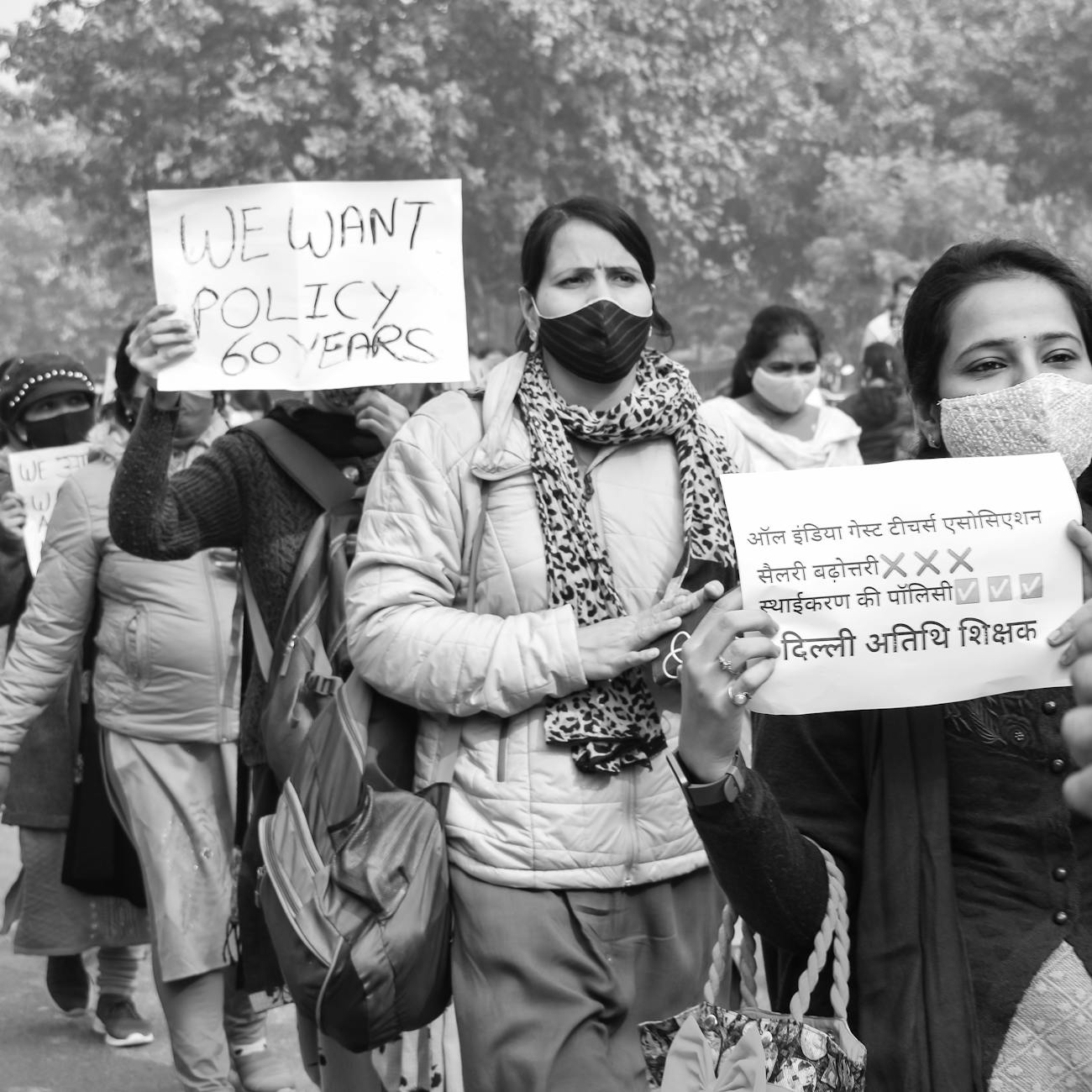
Public Policy and Advocacy are crucial components of the Postgraduate Certificate in Community Leadership and Resilience. These terms refer to the processes and practices of creating and implementing policies that address the needs and concerns of communities, as well as advocating for those policies to ensure they are inclusive, equitable, and effective. In this explanation, we will explore key terms and vocabulary related to public policy and advocacy.
Public Policy:
* Policy: A course of action or set of rules that guide decision-making and address specific issues or problems. * Public Policy: Policies that are created and implemented by government entities to address issues that affect the public good. * Policy Cycle: The stages that a policy goes through, including agenda-setting, policy formulation, adoption, implementation, evaluation, and termination. * Policy Analysis: The process of evaluating the impact and effectiveness of a policy, including its strengths, weaknesses, and unintended consequences. * Evidence-Based Policy: Policies that are based on research and data to ensure they are effective and address the root causes of problems.
Advocacy:
* Advocacy: The process of promoting and supporting a cause or issue, often through education, lobbying, and community organizing. * Advocacy Coalition: A group of individuals or organizations that come together to advocate for a common cause or issue. * Grassroots Advocacy: Advocacy efforts that are led by and involve members of a community, often through community organizing and engagement. * Lobbying: The practice of attempting to influence legislation or policy-making through direct communication with elected officials or their staff. * Public Affairs: The practice of managing an organization's relationships with government entities, the public, and other stakeholders to advance its interests and goals.
Policy Formulation:
* Policy Formulation: The process of developing and proposing policies to address specific issues or problems. * Stakeholder Analysis: The process of identifying and analyzing the interests and perspectives of individuals or groups who are affected by or have a stake in a particular policy. * Policy Brief: A concise document that outlines a policy issue, its context, and potential solutions. * Public Hearings: Meetings held by government entities to gather input and feedback from the public on proposed policies.
Policy Implementation:
* Policy Implementation: The process of putting a policy into action, often through the development and implementation of programs, regulations, and procedures. * Program Evaluation: The process of assessing the effectiveness and impact of a program or policy. * Implementation Science: The study of how to effectively implement evidence-based policies and programs in real-world settings.
Policy Evaluation:
* Policy Evaluation: The process of assessing the impact and effectiveness of a policy, often through the collection and analysis of data. * Cost-Benefit Analysis: A method for evaluating the costs and benefits of a policy, often used to determine its economic impact. * Outcome Evaluation: The process of assessing the impact of a policy on specific outcomes or outcomes.
Examples and Practical Applications:
* In the context of community leadership and resilience, public policy and advocacy can be used to address issues such as housing affordability, food insecurity, and access to healthcare. For example, a community advocacy coalition might work together to develop and propose a policy to increase funding for affordable housing programs. This policy could be based on evidence showing that affordable housing is critical for promoting community resilience and reducing poverty. * Once the policy is adopted, the coalition might then work to ensure its effective implementation, including the development and implementation of programs and regulations to support affordable housing. This could involve working with government entities, community organizations, and other stakeholders to ensure the policy is inclusive, equitable, and effective. * Throughout the policy cycle, the coalition might engage in policy evaluation to assess the impact and effectiveness of the policy. This could involve collecting and analyzing data on housing affordability, conducting cost-benefit analyses, and assessing outcomes related to housing stability and community resilience.
Challenges:
* One of the biggest challenges in public policy and advocacy is ensuring that policies are inclusive and equitable. This requires engaging with a diverse range of stakeholders, including those who are often marginalized or excluded from decision-making processes. It also requires addressing power imbalances and biases that can perpetuate inequality and discrimination. * Another challenge is ensuring that policies are evidence-based and effective. This requires access to high-quality data and research, as well as the ability to analyze and apply this information in policy formulation and implementation. * Finally, public policy and advocacy efforts often require significant resources, including time, money, and expertise. This can be a barrier for many community organizations and advocacy coalitions, particularly those that are working on issues with limited funding or support.
In conclusion, public policy and advocacy are essential components of community leadership and resilience. Understanding key terms and vocabulary related to these areas can help community leaders and advocates to effectively engage in policy formulation, implementation, and evaluation, and to promote inclusive, equitable, and effective policies that address the needs and concerns of their communities.
Key takeaways
- These terms refer to the processes and practices of creating and implementing policies that address the needs and concerns of communities, as well as advocating for those policies to ensure they are inclusive, equitable, and effective.
- * Policy Cycle: The stages that a policy goes through, including agenda-setting, policy formulation, adoption, implementation, evaluation, and termination.
- * Public Affairs: The practice of managing an organization's relationships with government entities, the public, and other stakeholders to advance its interests and goals.
- * Stakeholder Analysis: The process of identifying and analyzing the interests and perspectives of individuals or groups who are affected by or have a stake in a particular policy.
- * Policy Implementation: The process of putting a policy into action, often through the development and implementation of programs, regulations, and procedures.
- * Policy Evaluation: The process of assessing the impact and effectiveness of a policy, often through the collection and analysis of data.
- * Once the policy is adopted, the coalition might then work to ensure its effective implementation, including the development and implementation of programs and regulations to support affordable housing.