
Contractual Liability in Construction
Contractual Liability in Construction is a crucial topic in the field of construction insurance. It refers to the liability that arises from a contract entered into between two parties, where one party agrees to take on the legal risk of an…
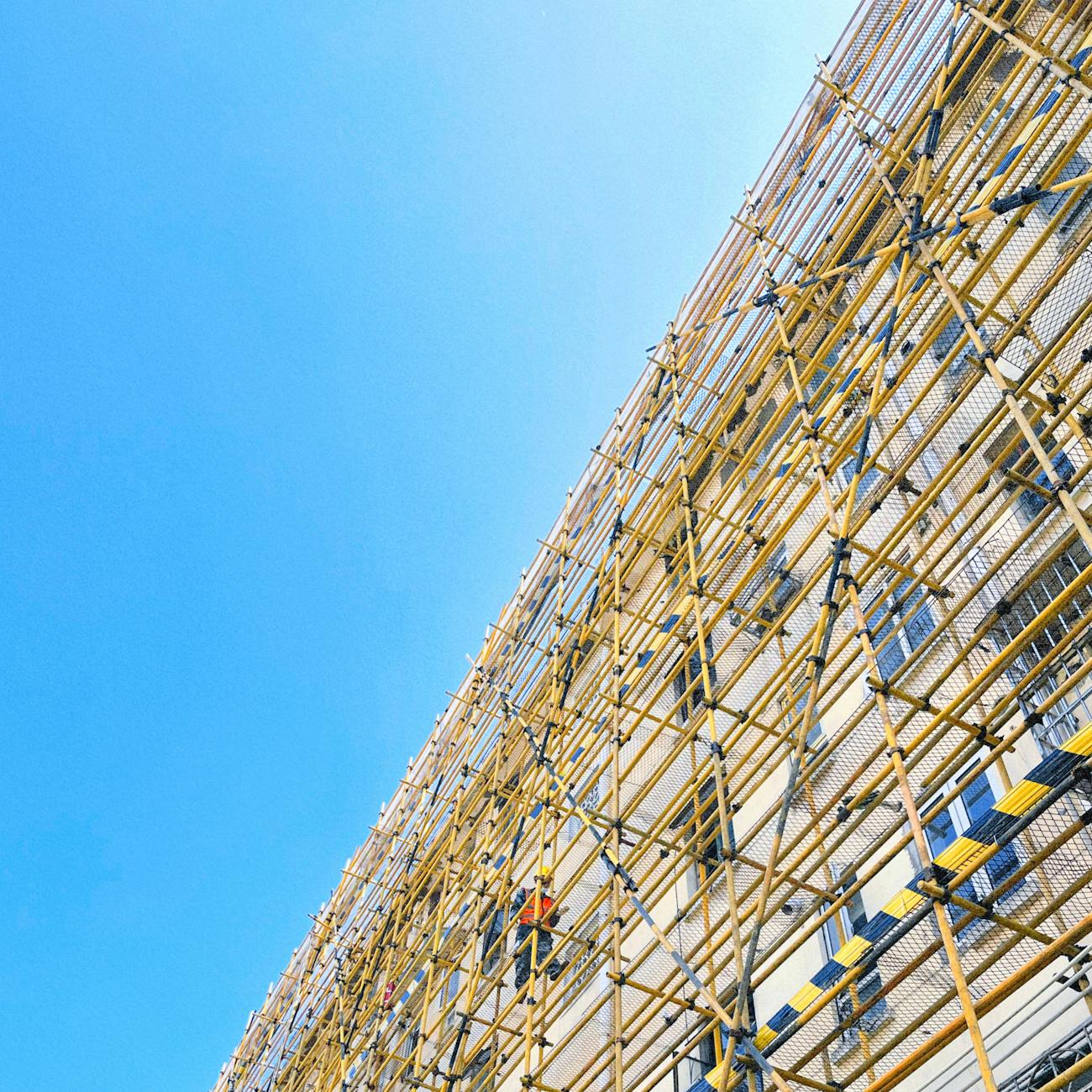
Contractual Liability in Construction is a crucial topic in the field of construction insurance. It refers to the liability that arises from a contract entered into between two parties, where one party agrees to take on the legal risk of another party, usually in exchange for payment. In this explanation, we will discuss the key terms and vocabulary related to Contractual Liability in Construction.
Contract: A contract is a legally binding agreement between two or more parties, which outlines the terms and conditions of their relationship. In construction projects, contracts are used to establish the scope of work, payment terms, and liability between the owner, contractor, and subcontractors.
Contractual Liability: Contractual liability refers to the liability that arises from a contract. In construction projects, contractual liability can arise from various types of contracts, such as construction contracts, design contracts, and subcontracts. Contractual liability can include both first-party and third-party liability.
First-Party Liability: First-party liability refers to the liability that a party has to themselves. In construction projects, first-party liability can arise from a contractor's own negligence or failure to perform their duties as agreed upon in the contract.
Third-Party Liability: Third-party liability refers to the liability that a party has to another party. In construction projects, third-party liability can arise from a contractor's negligence or failure to perform their duties as agreed upon in the contract, which results in harm or damage to a third party.
Indemnification: Indemnification is a contractual provision that requires one party to compensate another party for losses or damages incurred. In construction projects, indemnification provisions are often used to transfer risk from one party to another. For example, a contractor may agree to indemnify the owner for any damages caused by the contractor's negligence.
Hold Harmless: A hold harmless provision is a contractual clause that releases one party from liability for damages or losses caused by the other party. In construction projects, hold harmless provisions are often used to allocate risk between parties. For example, a subcontractor may agree to hold the contractor harmless for any damages caused by the subcontractor's negligence.
Additional Insured: An additional insured is a party that is added to an insurance policy as an insured, in addition to the named insured. In construction projects, additional insured provisions are often used to ensure that all parties involved in the project are covered by insurance. For example, a contractor may require a subcontractor to add the contractor as an additional insured on the subcontractor's insurance policy.
Insurance: Insurance is a contractual agreement between an insurer and an insured, where the insurer agrees to compensate the insured for losses or damages incurred. In construction projects, various types of insurance are used to manage risk, such as general liability insurance, workers' compensation insurance, and professional liability insurance.
Limits of Liability: The limits of liability refer to the maximum amount of coverage provided by an insurance policy. In construction projects, limits of liability should be sufficient to cover the potential risks and exposures of the project.
Deductible: A deductible is the amount of money that the insured must pay out of pocket before the insurance policy begins to cover losses or damages. In construction projects, deductibles are often used to reduce the cost of insurance premiums.
Exclusions: Exclusions are provisions in an insurance policy that exclude coverage for certain types of losses or damages. In construction projects, exclusions should be carefully reviewed to ensure that all potential risks and exposures are covered.
Excess and Umbrella Liability Insurance: Excess and umbrella liability insurance provide additional coverage above and beyond the limits of a primary insurance policy. In construction projects, excess and umbrella liability insurance can provide additional protection for catastrophic losses or damages.
Examples:
* A contractor enters into a construction contract with an owner to build a commercial building. The contract includes an indemnification provision requiring the contractor to compensate the owner for any damages caused by the contractor's negligence. * A subcontractor enters into a subcontract with a contractor to perform electrical work on a construction project. The subcontract includes a hold harmless provision requiring the subcontractor to release the contractor from liability for any damages caused by the subcontractor's negligence. * A contractor purchases general liability insurance with a limit of liability of $1 million and a deductible of $10,000. The policy includes exclusions for damage caused by earthquakes and floods. * A general contractor purchases excess and umbrella liability insurance with a limit of liability of $5 million, providing additional protection above and beyond the limits of the general liability insurance policy.
Practical Applications:
* Contractors and subcontractors should carefully review all contracts to ensure that they understand their contractual liabilities and obligations. * Contractors and subcontractors should ensure that they have sufficient insurance coverage to manage the risks and exposures of the project. * Contractors and subcontractors should carefully review all insurance policies to ensure that they understand the limits of liability, deductibles, and exclusions. * Contractors and subcontractors should consider purchasing excess and umbrella liability insurance to provide additional protection for catastrophic losses or damages.
Challenges:
* Contractual liability can be complex and difficult to understand, making it challenging for contractors and subcontractors to manage their risks and exposures. * Insurance policies can be lengthy and difficult to read, making it challenging for contractors and subcontractors to understand their coverage and limitations. * Exclusions in insurance policies can lead to coverage gaps, leaving contractors and subcontractors vulnerable to uncovered losses or damages. * The cost of insurance premiums can be high, making it challenging for contractors and subcontractors to afford sufficient coverage.
Conclusion:
Contractual liability is a critical aspect of construction projects that can significantly impact the risks and exposures of contractors and subcontractors. Understanding the key terms and vocabulary related to contractual liability can help contractors and subcontractors manage their risks and exposures, ensure sufficient insurance coverage, and avoid potential legal issues. By carefully reviewing contracts and insurance policies, contractors and subcontractors can protect themselves and their businesses, ensuring a successful and profitable project.
Key takeaways
- It refers to the liability that arises from a contract entered into between two parties, where one party agrees to take on the legal risk of another party, usually in exchange for payment.
- In construction projects, contracts are used to establish the scope of work, payment terms, and liability between the owner, contractor, and subcontractors.
- In construction projects, contractual liability can arise from various types of contracts, such as construction contracts, design contracts, and subcontracts.
- In construction projects, first-party liability can arise from a contractor's own negligence or failure to perform their duties as agreed upon in the contract.
- In construction projects, third-party liability can arise from a contractor's negligence or failure to perform their duties as agreed upon in the contract, which results in harm or damage to a third party.
- Indemnification: Indemnification is a contractual provision that requires one party to compensate another party for losses or damages incurred.
- Hold Harmless: A hold harmless provision is a contractual clause that releases one party from liability for damages or losses caused by the other party.