
Non-verbal Communication Techniques
Non-verbal Communication Techniques: Non-verbal communication is a crucial aspect of effective communication, especially when dealing with anxious patients. It involves the use of gestures, facial expressions, body language, and other non-v…
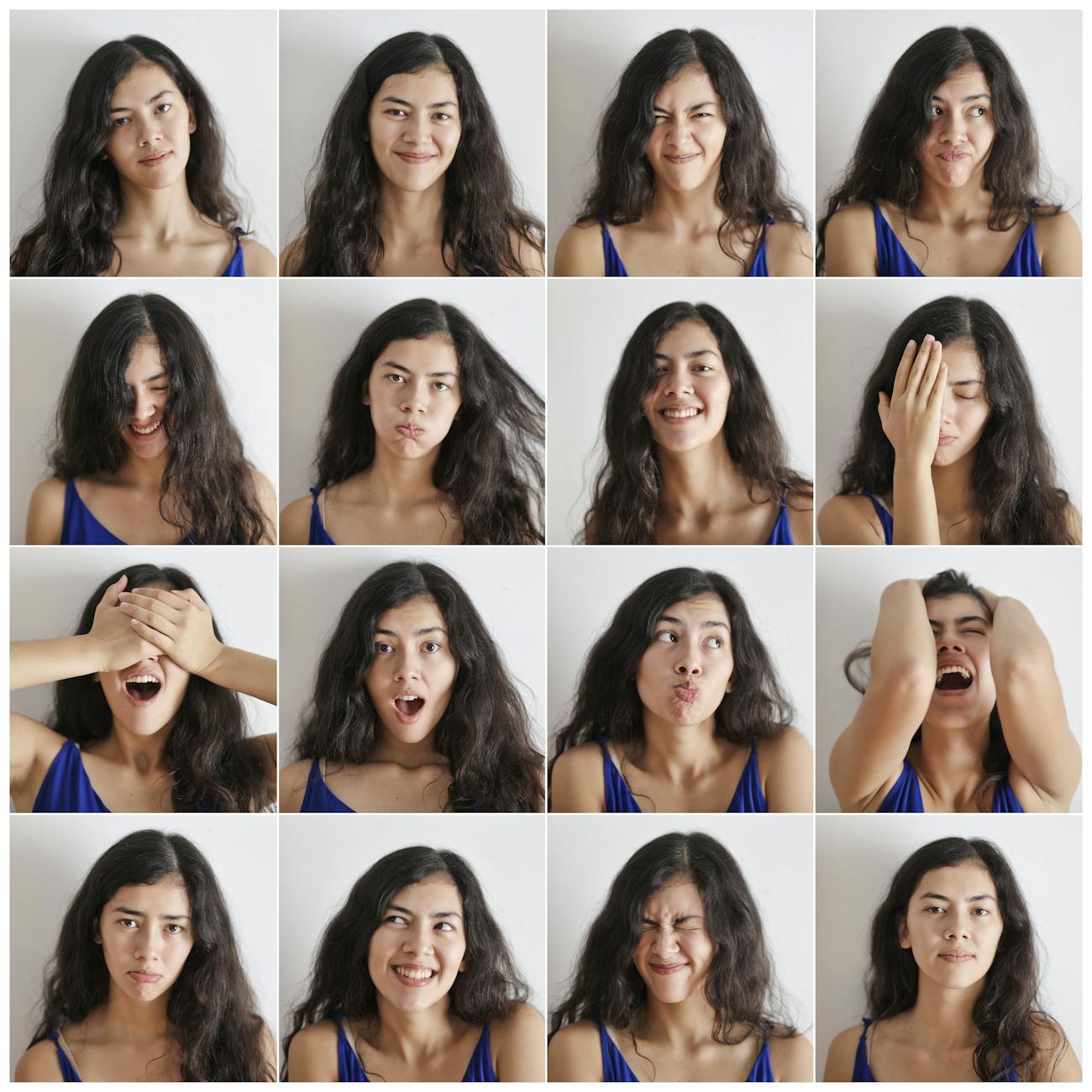
Non-verbal Communication Techniques: Non-verbal communication is a crucial aspect of effective communication, especially when dealing with anxious patients. It involves the use of gestures, facial expressions, body language, and other non-verbal cues to convey messages and emotions. In the context of healthcare, mastering non-verbal communication techniques can significantly improve patient satisfaction, adherence to treatment plans, and overall outcomes. In this course, we will explore key terms and vocabulary related to non-verbal communication techniques in the context of interacting with anxious patients.
1. Body Language: Body language plays a significant role in conveying emotions, intentions, and attitudes in communication. It includes gestures, posture, facial expressions, eye contact, and other physical movements. For example, crossing arms may signal defensiveness or resistance, while leaning in can indicate interest or engagement.
2. Facial Expressions: Facial expressions are powerful non-verbal cues that can convey a wide range of emotions, such as happiness, sadness, anger, fear, or surprise. It is essential to pay attention to facial expressions when communicating with anxious patients to gauge their emotional state and adjust your approach accordingly.
3. Gestures: Gestures refer to hand movements or body movements that accompany speech and can enhance the clarity and impact of the message. Common gestures include pointing, waving, nodding, or shaking the head. However, it is crucial to be mindful of cultural differences in interpreting gestures.
4. Eye Contact: Eye contact is a crucial aspect of non-verbal communication that can convey interest, attentiveness, trust, or respect. Maintaining appropriate eye contact with anxious patients can help build rapport and establish a connection. However, it is essential to be mindful of cultural norms around eye contact.
5. Proxemics: Proxemics refers to the study of personal space and how individuals use physical distance to communicate. Understanding proxemics can help healthcare professionals respect patients' personal boundaries and comfort levels during interactions. For example, standing too close to an anxious patient may increase their discomfort.
6. Paralinguistics: Paralinguistics refers to vocal elements such as tone of voice, pitch, volume, and speed of speech that convey meaning beyond the words spoken. Healthcare professionals can use paralinguistic cues to express empathy, reassurance, or understanding when communicating with anxious patients.
7. Posture: Posture refers to the way individuals position their bodies, including sitting, standing, or moving. Open and relaxed posture can signal approachability, while closed or tense posture may indicate discomfort or defensiveness. Healthcare professionals should pay attention to their posture when interacting with anxious patients.
8. Mirroring: Mirroring is a non-verbal communication technique where one person imitates the gestures, expressions, or body language of another to establish rapport and build connection. Mirroring can help create a sense of empathy and understanding between healthcare professionals and anxious patients.
9. Active Listening: Active listening is a crucial communication skill that involves fully engaging with the speaker, focusing on their words, tone, and body language, and providing feedback to demonstrate understanding. Active listening can help healthcare professionals validate the feelings of anxious patients and build trust.
10. Non-verbal Feedback: Non-verbal feedback involves using non-verbal cues such as nodding, smiling, or making eye contact to signal attentiveness, understanding, or agreement during communication. Providing non-verbal feedback can encourage anxious patients to express themselves and feel heard.
11. Empathy: Empathy is the ability to understand and share the feelings of another person. Demonstrating empathy through non-verbal cues such as facial expressions, tone of voice, and body language can help anxious patients feel supported, validated, and cared for during interactions with healthcare professionals.
12. Cultural Competence: Cultural competence refers to the ability to interact effectively with individuals from different cultural backgrounds, including understanding and respecting cultural norms, values, and communication styles. Healthcare professionals should be mindful of cultural differences in non-verbal communication when working with anxious patients from diverse backgrounds.
13. Emotional Intelligence: Emotional intelligence is the ability to recognize, understand, and manage one's emotions and those of others effectively. Healthcare professionals with high emotional intelligence can navigate challenging interactions with anxious patients, empathize with their feelings, and respond with sensitivity and compassion.
14. Trust Building: Building trust is essential in healthcare settings to establish a positive relationship between healthcare professionals and anxious patients. Non-verbal communication techniques such as maintaining eye contact, using open body language, and conveying empathy can help build trust and rapport over time.
15. Boundary Setting: Setting boundaries is crucial in healthcare interactions to maintain professionalism, respect patient autonomy, and ensure clear communication. Healthcare professionals should use non-verbal cues, such as body language and tone of voice, to establish boundaries while still demonstrating empathy and compassion towards anxious patients.
16. Non-verbal Communication Challenges: While non-verbal communication can enhance interactions with anxious patients, several challenges may arise, such as misinterpretation of cues, cultural differences in non-verbal expression, or unconscious biases affecting communication. Healthcare professionals should be aware of these challenges and continuously strive to improve their non-verbal communication skills.
In conclusion, mastering non-verbal communication techniques is essential for effective communication with anxious patients in healthcare settings. By understanding and utilizing body language, facial expressions, gestures, eye contact, and other non-verbal cues effectively, healthcare professionals can build rapport, demonstrate empathy, and create a supportive environment for anxious patients. By integrating key terms and vocabulary related to non-verbal communication techniques into practice, healthcare professionals can enhance patient satisfaction, adherence to treatment plans, and overall outcomes for anxious patients.
Key takeaways
- In the context of healthcare, mastering non-verbal communication techniques can significantly improve patient satisfaction, adherence to treatment plans, and overall outcomes.
- Body Language: Body language plays a significant role in conveying emotions, intentions, and attitudes in communication.
- Facial Expressions: Facial expressions are powerful non-verbal cues that can convey a wide range of emotions, such as happiness, sadness, anger, fear, or surprise.
- Gestures: Gestures refer to hand movements or body movements that accompany speech and can enhance the clarity and impact of the message.
- Eye Contact: Eye contact is a crucial aspect of non-verbal communication that can convey interest, attentiveness, trust, or respect.
- Understanding proxemics can help healthcare professionals respect patients' personal boundaries and comfort levels during interactions.
- Paralinguistics: Paralinguistics refers to vocal elements such as tone of voice, pitch, volume, and speed of speech that convey meaning beyond the words spoken.