
Smart Urban Planning and Design
Smart Urban Planning and Design is a multidisciplinary approach that integrates information and communication technology (ICT), data analysis, and urban design principles to create sustainable, efficient, and livable cities. This field requ…
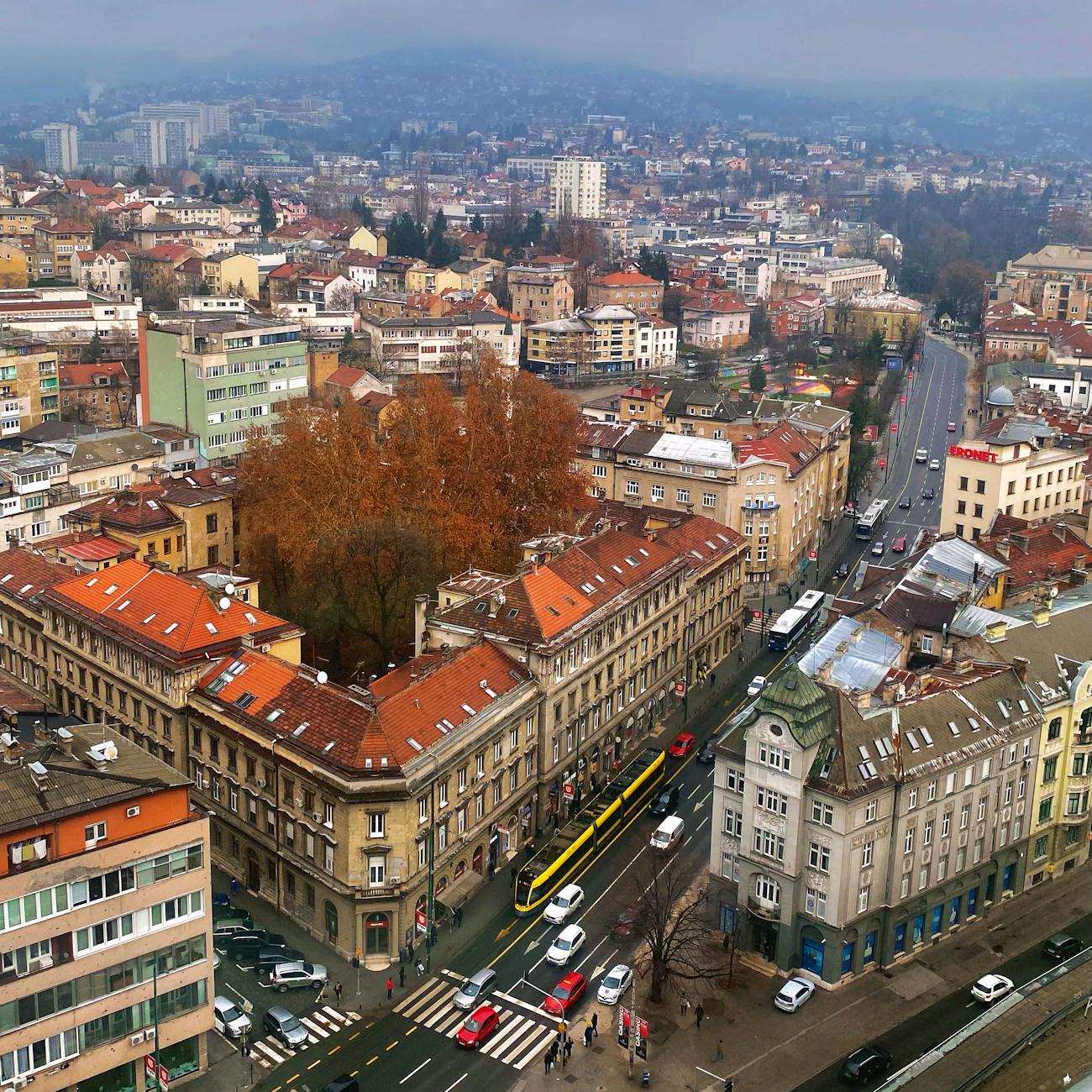
Smart Urban Planning and Design is a multidisciplinary approach that integrates information and communication technology (ICT), data analysis, and urban design principles to create sustainable, efficient, and livable cities. This field requires a solid understanding of various key terms and vocabularies, which are explained in detail below.
1. Smart Cities
Smart Cities are urban areas that leverage technology and data to improve infrastructure, services, and quality of life for citizens. These cities use ICT and other advanced technologies to enhance the efficiency of urban operations and services, promote economic growth, and foster sustainability.
2. Urban Planning
Urban Planning is a discipline that focuses on the design and development of urban areas, including land use, transportation, housing, and public spaces. Urban planners aim to create livable, sustainable, and equitable communities by balancing the needs of various stakeholders, such as residents, businesses, and the environment.
3. Smart Urban Planning
Smart Urban Planning combines traditional urban planning principles with ICT, data analysis, and other advanced technologies to create more efficient, sustainable, and livable urban environments. This approach enables planners to make data-driven decisions, optimize resource allocation, and engage citizens in the planning process.
4. Urban Design
Urban Design is the process of shaping the physical environment of cities, including the layout of streets, public spaces, and buildings. Urban designers aim to create aesthetically pleasing, functional, and sustainable urban environments that promote social interaction, physical activity, and mental well-being.
5. Smart Urban Design
Smart Urban Design integrates ICT and data analysis into the urban design process, enabling designers to create more responsive, adaptive, and interactive urban spaces. This approach allows designers to consider the needs and preferences of various stakeholders, such as residents, businesses, and visitors, in real-time, leading to more inclusive and equitable urban environments.
6. Internet of Things (IoT)
The Internet of Things (IoT) is a network of interconnected devices, sensors, and systems that communicate and exchange data over the internet. In the context of smart urban planning and design, IoT enables the collection of real-time data on various urban systems, such as traffic, air quality, and energy consumption, which can be used to optimize resource allocation and improve urban services.
7. Big Data
Big Data refers to large and complex sets of data that cannot be processed or analyzed using traditional data processing techniques. In smart urban planning and design, big data is used to gain insights into various urban systems, such as transportation, energy, and water, enabling planners and designers to make data-driven decisions and optimize resource allocation.
8. Data Analytics
Data Analytics is the process of examining and interpreting large and complex sets of data to gain insights and make informed decisions. In the context of smart urban planning and design, data analytics is used to analyze various urban systems, such as transportation, energy, and water, to optimize resource allocation and improve urban services.
9. Geographic Information Systems (GIS)
Geographic Information Systems (GIS) are software tools that enable the creation, management, and analysis of geographic data. In smart urban planning and design, GIS is used to create maps and visualizations of various urban systems, such as transportation, land use, and demographics, enabling planners and designers to make data-driven decisions and optimize resource allocation.
10. Urban Sensing
Urban Sensing is the process of collecting and analyzing data on various urban systems, such as traffic, air quality, and energy consumption, using sensors and other IoT devices. Urban sensing enables planners and designers to monitor and manage urban systems in real-time, leading to more efficient and sustainable urban environments.
11. Intelligent Transportation Systems (ITS)
Intelligent Transportation Systems (ITS) are technologies and systems that enable the collection, communication, and analysis of data on various transportation systems, such as traffic flow, public transit, and parking. ITS is used to optimize transportation systems, reduce congestion, and improve safety and mobility in urban areas.
12. Smart Grids
Smart Grids are electricity networks that use ICT and other advanced technologies to optimize energy generation, transmission, and distribution. Smart grids enable the integration of renewable energy sources, such as wind and solar, into the electricity network, leading to more sustainable and efficient urban energy systems.
13. Open Data
Open Data refers to data that is freely available and can be used, reused, and redistributed by anyone. In smart urban planning and design, open data is used to promote transparency, accountability, and citizen engagement in the urban planning process, enabling planners and designers to make data-driven decisions and optimize resource allocation.
14. Public Participation
Public Participation is the process of engaging citizens in the urban planning and design process, enabling them to voice their opinions and ideas on various urban issues. Public participation is essential in creating inclusive and equitable urban environments, ensuring that the needs and preferences of various stakeholders are considered in the planning and design process.
15. Sustainability
Sustainability refers to the ability of urban systems and environments to meet the needs of the present without compromising the ability of future generations to meet their own needs. In smart urban planning and design, sustainability is a key principle, guiding the design and development of urban systems and environments that are environmentally friendly, socially equitable, and economically viable.
In conclusion, smart urban planning and design is a multidisciplinary approach that combines traditional urban planning and design principles with ICT, data analysis, and other advanced technologies to create sustainable, efficient, and livable cities. Understanding the key terms and vocabularies used in this field is essential in creating inclusive and equitable urban environments that meet the needs of various stakeholders, including residents, businesses, and the environment. By leveraging data analytics, IoT, GIS, urban sensing, and other advanced technologies, planners and designers can make data-driven decisions, optimize resource allocation, and improve urban services, leading to more sustainable and livable urban environments.
Key takeaways
- Smart Urban Planning and Design is a multidisciplinary approach that integrates information and communication technology (ICT), data analysis, and urban design principles to create sustainable, efficient, and livable cities.
- These cities use ICT and other advanced technologies to enhance the efficiency of urban operations and services, promote economic growth, and foster sustainability.
- Urban planners aim to create livable, sustainable, and equitable communities by balancing the needs of various stakeholders, such as residents, businesses, and the environment.
- Smart Urban Planning combines traditional urban planning principles with ICT, data analysis, and other advanced technologies to create more efficient, sustainable, and livable urban environments.
- Urban designers aim to create aesthetically pleasing, functional, and sustainable urban environments that promote social interaction, physical activity, and mental well-being.
- This approach allows designers to consider the needs and preferences of various stakeholders, such as residents, businesses, and visitors, in real-time, leading to more inclusive and equitable urban environments.
- The Internet of Things (IoT) is a network of interconnected devices, sensors, and systems that communicate and exchange data over the internet.