
Introduction to Aura Reading
Aura Reading is the practice of perceiving and interpreting the human energy field, also known as the aura. The aura is believed to be a subtle emanation or radiation that surrounds a person and reflects their physical, emotional, mental, a…
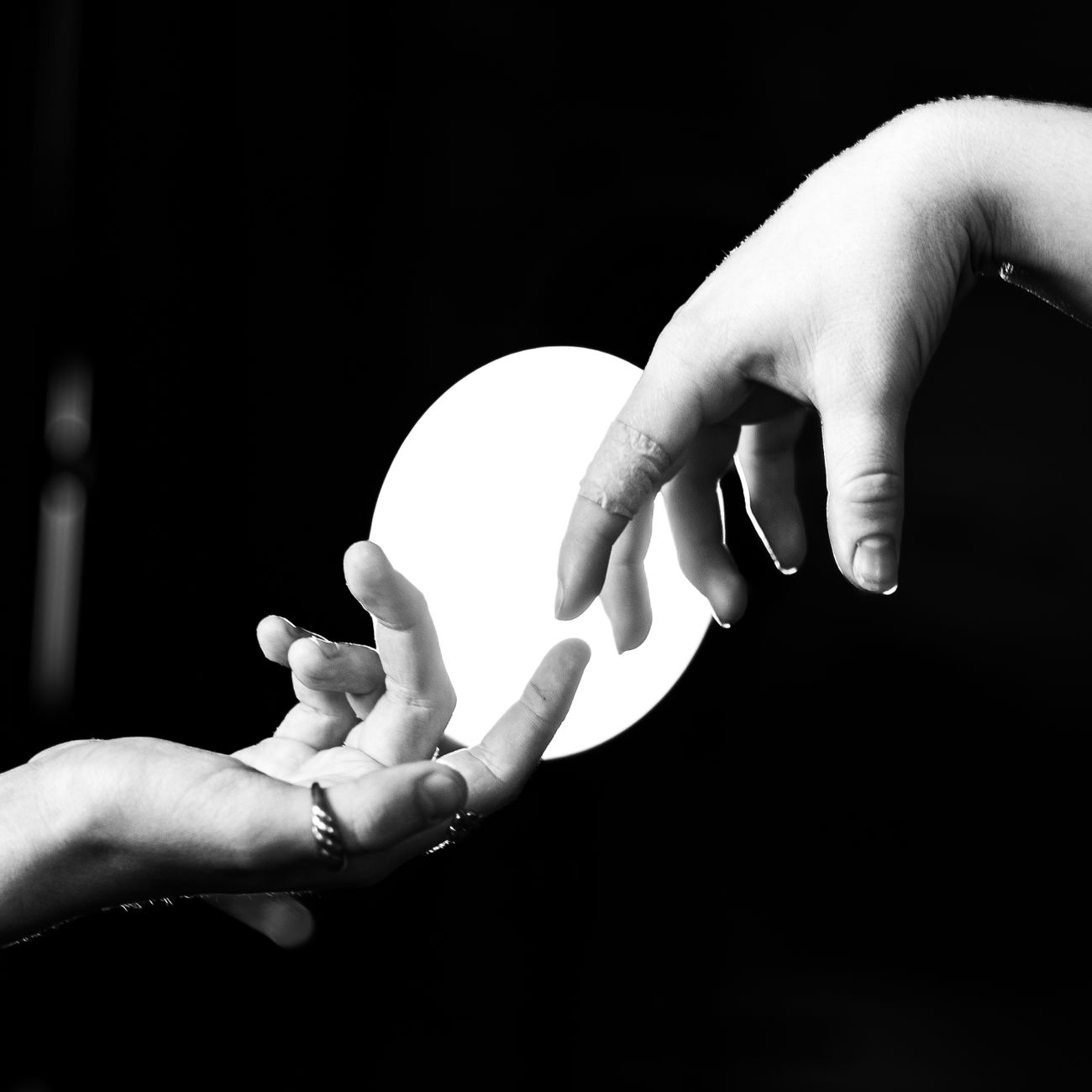
Aura Reading is the practice of perceiving and interpreting the human energy field, also known as the aura. The aura is believed to be a subtle emanation or radiation that surrounds a person and reflects their physical, emotional, mental, and spiritual state. In this explanation, we will explore key terms and vocabulary related to aura reading in the context of the Professional Certificate in Aura Reading.
1. Aura: The aura is the energy field that surrounds a person's physical body. It is often described as having layers or bands of energy that correspond to different aspects of a person's being, such as their emotional, mental, and spiritual states. The aura is not visible to the naked eye, but can be perceived and interpreted by trained aura readers. 2. Chakras: Chakras are energy centers in the human energy field that are believed to regulate the flow of energy in the body. There are seven main chakras, located along the spine from the base to the crown of the head. Each chakra corresponds to a different aspect of a person's being, such as their physical health, emotions, or spiritual connection. 3. Energy Medicine: Energy medicine is a branch of complementary and alternative medicine that focuses on the manipulation and balancing of the human energy field to promote health and well-being. Aura reading and other energy healing modalities, such as Reiki and acupuncture, fall under the umbrella of energy medicine. 4. Intuition: Intuition is the ability to perceive or know something without conscious reasoning or evidence. Aura readers often rely on their intuition to perceive and interpret the aura, as well as to diagnose and treat energy imbalances. 5. Subtle Energy: Subtle energy is a type of energy that is not detectable by conventional scientific instruments, but is believed to exist and to have an impact on the physical world. Aura readers work with subtle energy when they perceive and interpret the aura. 6. Aura Colors: Aura colors are believed to reflect a person's emotional, mental, and spiritual state. Different colors are associated with different qualities, such as red for passion and blue for calmness. Aura readers use the colors they perceive in the aura to interpret a person's state of being. 7. Aura Reading Techniques: There are several techniques used in aura reading, including scanning, sensing, and seeing. Scanning involves passing the hands over the aura to feel for energy imbalances. Sensing involves using the senses, such as touch or hearing, to perceive the aura. Seeing involves using the third eye or clairvoyant vision to see the aura. 8. Energy Healing: Energy healing is the practice of using energy to promote physical, emotional, and spiritual well-being. Aura readers may use energy healing techniques, such as laying on of hands or distant healing, to balance the energy in the aura and promote healing. 9. Aura Photography: Aura photography is a technique used to capture an image of the aura. Aura cameras use biofeedback mechanisms, such as hand sensors, to measure the electrical conductivity of the skin and translate it into colors that correspond to the aura. 10. Aura Interpretation: Aura interpretation is the process of analyzing the aura to gain insight into a person's physical, emotional, mental, and spiritual state. Aura readers use a variety of techniques, such as scanning, sensing, and seeing, to perceive the aura and interpret its colors and patterns.
Challenges:
1. Practice scanning your own aura or the aura of a friend or family member. Pay attention to any energy imbalances or areas of tension that you may perceive. 2. Experiment with different aura reading techniques, such as sensing or seeing, and compare your results. 3. Explore different aura colors and their associated meanings. Try to identify any colors that may be present in your own aura. 4. Try aura photography and compare the results to your own perceptions of your aura. 5. Practice energy healing techniques, such as laying on of hands or distant healing, and observe any changes in your own energy or the energy of others.
In conclusion, aura reading is a complex and multifaceted practice that involves perceiving and interpreting the human energy field. By understanding key terms and concepts, such as the aura, chakras, and energy medicine, aura readers can gain a deeper understanding of the human energy field and use this knowledge to promote health and well-being. Through practice and exploration, aura readers can develop their skills and become more proficient in aura reading and energy healing.
Key takeaways
- The aura is believed to be a subtle emanation or radiation that surrounds a person and reflects their physical, emotional, mental, and spiritual state.
- Energy Medicine: Energy medicine is a branch of complementary and alternative medicine that focuses on the manipulation and balancing of the human energy field to promote health and well-being.
- Practice energy healing techniques, such as laying on of hands or distant healing, and observe any changes in your own energy or the energy of others.
- By understanding key terms and concepts, such as the aura, chakras, and energy medicine, aura readers can gain a deeper understanding of the human energy field and use this knowledge to promote health and well-being.