
History and Development of Aura Reading
Aura Reading is a practice that involves perceiving and interpreting the energy field surrounding a person, animal, or object. This energy field, also known as an aura, is believed to reflect the physical, emotional, and spiritual state of …
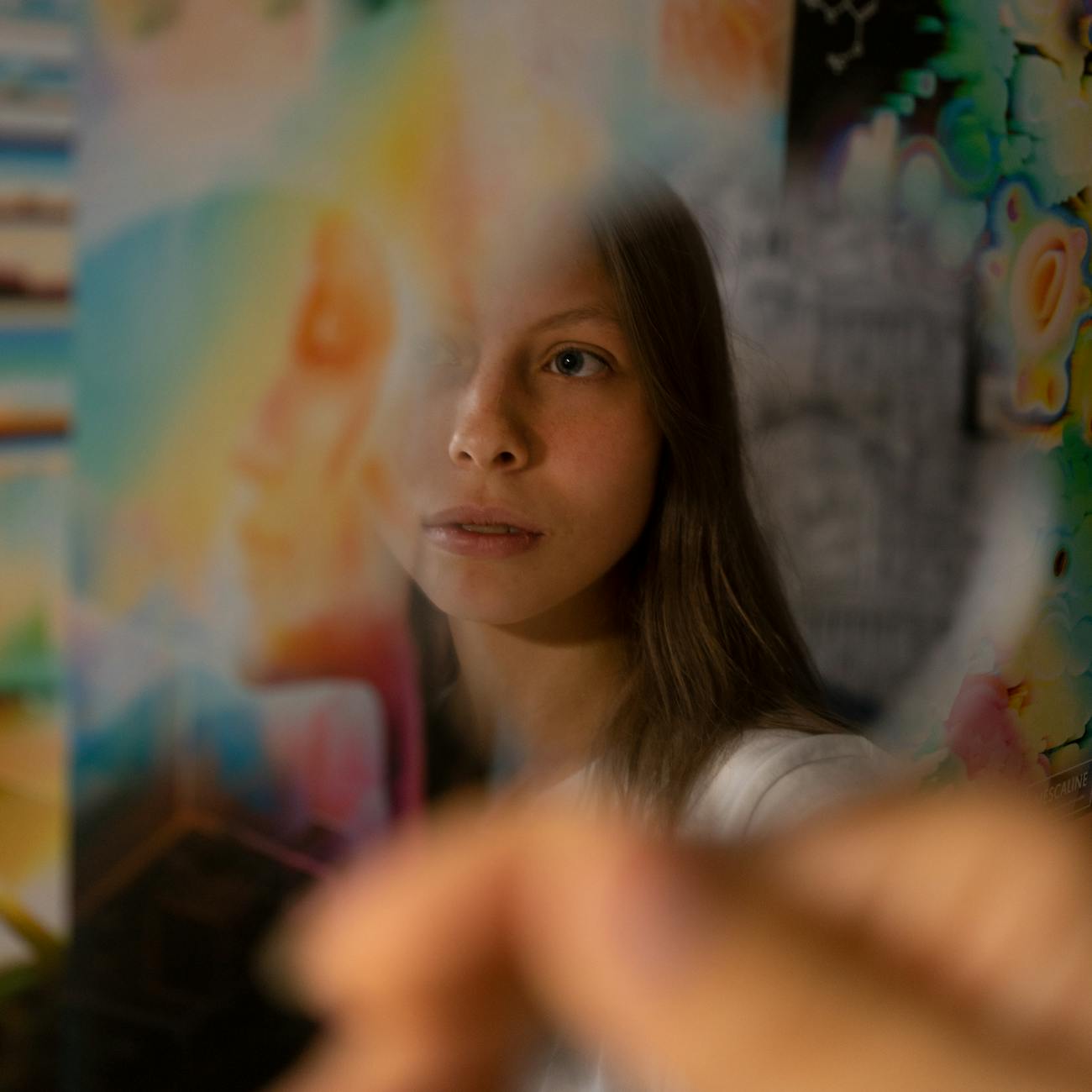
Aura Reading is a practice that involves perceiving and interpreting the energy field surrounding a person, animal, or object. This energy field, also known as an aura, is believed to reflect the physical, emotional, and spiritual state of the subject. In this Professional Certificate course, you will learn about the history and development of aura reading, as well as key terms and vocabulary related to the practice.
Aura: The energy field surrounding a person, animal, or object. An aura is often described as having different layers or levels, each corresponding to a different aspect of the subject's being. For example, the physical body may be surrounded by an etheric aura, while the emotional and mental bodies may be surrounded by astral and mental auras, respectively.
Chakra: A spinning wheel of energy located within the aura. There are seven main chakras, located along the spine, and each is associated with a different aspect of the subject's being. For example, the root chakra is associated with survival and grounding, while the crown chakra is associated with spiritual connection and enlightenment.
Etheric aura: The first layer of the aura, located closest to the physical body. The etheric aura is often described as having a bluish-gray color and is believed to reflect the subject's physical health and vitality.
Astral aura: The second layer of the aura, located just outside the etheric aura. The astral aura is often described as having a range of colors, from pastel to vivid, and is believed to reflect the subject's emotional state.
Mental aura: The third layer of the aura, located just outside the astral aura. The mental aura is often described as having a yellow or gold color and is believed to reflect the subject's thoughts and mental activity.
Causal aura: The fourth layer of the aura, located just outside the mental aura. The causal aura is often described as having a white or silver color and is believed to reflect the subject's karma and past lives.
Spiritual aura: The outermost layer of the aura, located just outside the causal aura. The spiritual aura is often described as having a golden or violet color and is believed to reflect the subject's connection to higher consciousness and spiritual realms.
Aura colors: The colors of the aura are believed to have specific meanings and to reflect different aspects of the subject's being. For example, red may indicate physical vitality and passion, while blue may indicate calmness and spiritual connection.
Aura interpretation: The process of interpreting the colors and patterns of the aura in order to gain insight into the subject's physical, emotional, and spiritual state.
Aura photography: The use of specialized cameras and film to capture images of the aura. Aura photography is often used as a tool for aura interpretation and can provide a visual record of the aura's colors and patterns.
Aura cleansing: The process of clearing and balancing the aura in order to promote physical, emotional, and spiritual well-being. Aura cleansing may involve techniques such as meditation, visualization, and the use of crystals or other healing tools.
Aura healing: The process of using the aura as a tool for healing and transformation. Aura healing may involve techniques such as energy work, chakra balancing, and visualization.
Aura reading challenges: As with any practice, aura reading has its challenges. Some common challenges include developing the ability to see or sense the aura, interpreting the colors and patterns of the aura, and maintaining a clear and balanced aura.
In this course, you will learn about the history and development of aura reading, as well as key terms and vocabulary related to the practice. You will also have the opportunity to practice aura reading and interpretation, and to explore the challenges and rewards of this fascinating practice.
The history of aura reading can be traced back thousands of years to ancient cultures such as China, India, and Egypt. In these cultures, aura reading was often practiced as a form of spiritual healing and divination. The concept of the aura was also discussed in early Christian writings, where it was referred to as the "glory of God" surrounding the body.
In the modern era, aura reading gained popularity in the late 19th and early 20th centuries, with the rise of spiritualism and the occult. During this time, aura reading was often practiced as a form of psychic reading and was popularized by mediums and psychics such as Edgar Cayce and Helena Blavatsky.
In the 1960s and 1970s, aura reading experienced a resurgence in popularity as part of the New Age movement. During this time, aura reading was often practiced as a form of self-discovery and personal growth, and was popularized by authors and teachers such as Carolyn Myss and Barbara Ann Brennan.
Today, aura reading is practiced by a wide variety of people, including energy healers, psychics, and spiritual seekers. Aura reading is often used as a tool for self-exploration, healing, and personal growth, and is also used in the fields of energy medicine and spiritual counseling.
In this course, you will learn about the history and development of aura reading, as well as key terms and vocabulary related to the practice. You will also have the opportunity to practice aura reading and interpretation, and to explore the challenges and rewards of this fascinating practice.
One of the key challenges of aura reading is developing the ability to see or sense the aura. This can be difficult, as the aura is often described as being subtle and elusive. However, with practice, it is possible to develop the ability to perceive the aura through techniques such as meditation, visualization, and energy work.
Another challenge of aura reading is interpreting the colors and patterns of the aura. While there are general guidelines for interpreting aura colors, it is important to remember that the meaning of aura colors can vary from person to person. For example, while red may indicate physical vitality and passion in one person, it may indicate anger or aggression in another.
In order to interpret the aura accurately, it is important to use a combination of intuition and knowledge. This means paying attention to the colors and patterns of the aura, as well as the subject's body language, facial expressions, and other nonverbal cues. It is also important to remember that the aura is a dynamic and changing energy field, and that the colors and patterns of the aura can shift and change over time.
In addition to the challenges of seeing and interpreting the aura, another challenge of aura reading is maintaining a clear and balanced aura. Aura cleansing and healing techniques can help to clear and balance the aura, but it is also important to be mindful of the thoughts, emotions, and experiences that can affect the aura. For example, negative thoughts and emotions can create blockages and imbalances in the aura, while positive thoughts and emotions can help to clear and balance the aura.
In this course, you will learn about the history and development of aura reading, as well as key terms and vocabulary related to the practice. You will also have the opportunity to practice aura reading and interpretation, and to explore the challenges and rewards of this fascinating practice. Through practice and dedication, you can develop your skills as an aura reader and gain a deeper understanding of the energy field that surrounds and connects us all.
Key takeaways
- In this Professional Certificate course, you will learn about the history and development of aura reading, as well as key terms and vocabulary related to the practice.
- For example, the physical body may be surrounded by an etheric aura, while the emotional and mental bodies may be surrounded by astral and mental auras, respectively.
- For example, the root chakra is associated with survival and grounding, while the crown chakra is associated with spiritual connection and enlightenment.
- The etheric aura is often described as having a bluish-gray color and is believed to reflect the subject's physical health and vitality.
- The astral aura is often described as having a range of colors, from pastel to vivid, and is believed to reflect the subject's emotional state.
- The mental aura is often described as having a yellow or gold color and is believed to reflect the subject's thoughts and mental activity.
- The causal aura is often described as having a white or silver color and is believed to reflect the subject's karma and past lives.