
Final Project in Immersive Theatre Lighting Design
Immersive Theatre Lighting Design: Key Terms and Vocabulary
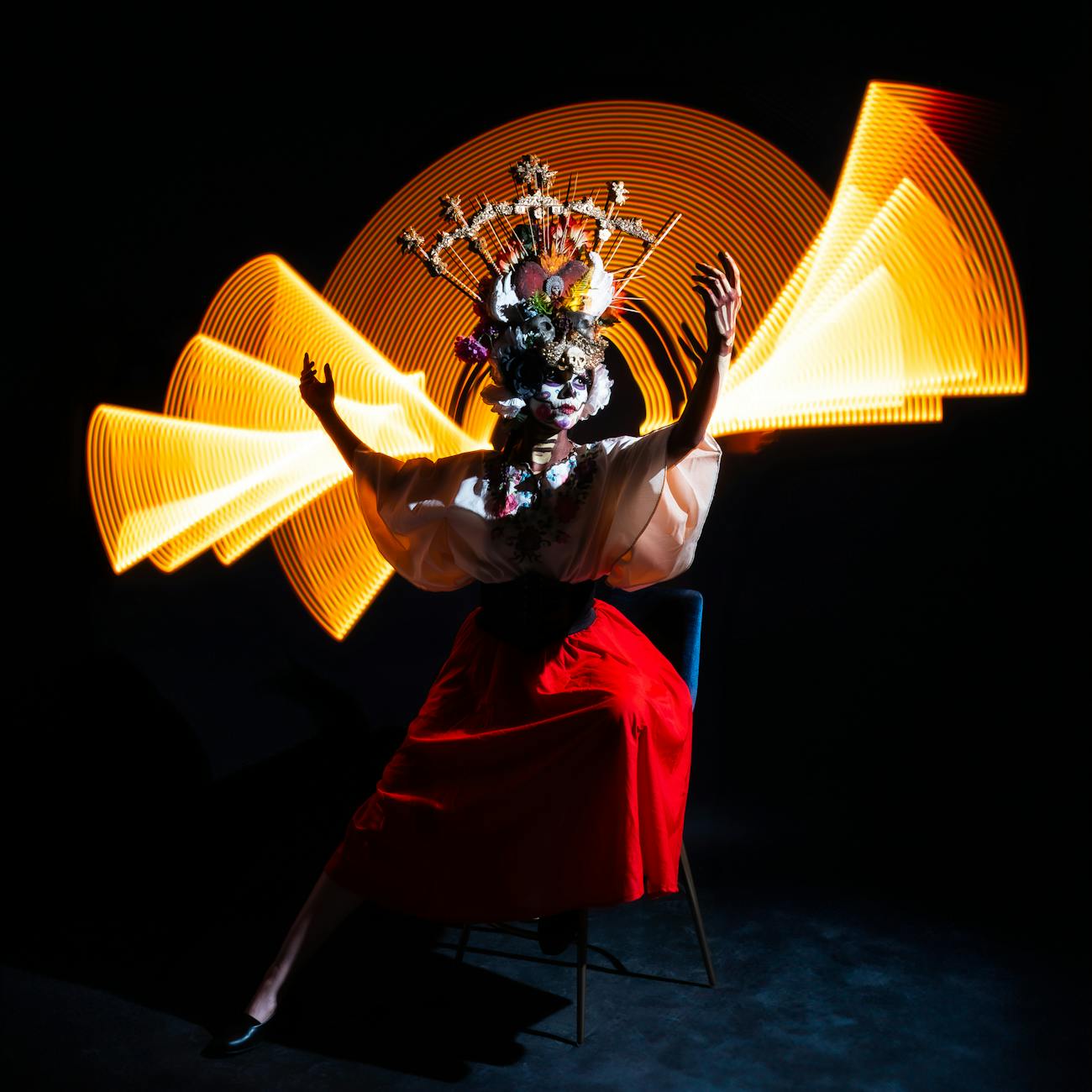
Immersive Theatre Lighting Design: Key Terms and Vocabulary
Immersive theatre aims to create a three-dimensional world that engages all the senses, breaking down the traditional barriers between actors and audiences. Effective lighting design plays a crucial role in establishing the atmosphere, guiding the audience's focus, and creating a cohesive visual narrative. Here are some essential terms and concepts related to immersive theatre lighting design:
1. Color Rendering Index (CRI): CRI is a quantitative measure of a light source's ability to reproduce the colors of various objects faithfully compared to a reference light source, typically natural daylight. A high CRI value (close to 100) indicates that a light source displays colors accurately, whereas a low CRI value (below 80) may distort the colors, affecting the overall visual experience. 2. Color Temperature: Color temperature is a characteristic of visible light, measured in degrees Kelvin (K). It indicates the warmth or coolness of the light source, ranging from warm yellowish tones (around 2000K) to cool bluish tones (around 10,000K). In immersive theatre, lighting designers carefully select color temperatures to evoke specific moods, emotions, or environments. 3. Light Intensity and Levels: Light intensity refers to the brightness of a light source, measured in lumens or footcandles (FC). In immersive theatre, lighting designers manipulate light intensity to create various effects, such as highlighting specific areas, directing attention, or creating contrast. Light levels can range from subtly lit backgrounds to intensely bright foregrounds. 4. Contrast and Lighting Ratios: Contrast is the difference in luminance between adjacent areas or objects. Lighting ratios compare the brightness of a subject to its surroundings, providing a quantitative measure of the contrast. High contrast scenes often feature bold, dramatic lighting, while low contrast scenes evoke softer, more subtle lighting effects. 5. Focus and Directionality: Focus refers to the sharpness of a light beam, while directionality describes the orientation of the light source. Focused light beams create crisp, precise lighting effects, whereas diffused light sources create soft, even lighting. Combining both techniques can enhance the visual storytelling in immersive theatre productions. 6. Gobos and Lighting Patterns: Gobos are steel or glass templates placed in the light path to create intricate patterns, shapes, or textures on surfaces. Lighting designers can use gobos to project patterns onto walls, floors, or performers, adding depth, dimension, and visual interest to the immersive environment. 7. Lighting Instruments and Fixtures: Lighting instruments, also known as fixtures, are devices used to produce, shape, and control light in theatrical productions. Common lighting instruments in immersive theatre include LED lights, moving lights, profilers, fresnels, and par cans. 8. Lighting Positions and Angles: Lighting positions refer to the location of the lighting instruments in relation to the stage or performance space. Angles determine the direction of the light, affecting the intensity, contrast, and overall aesthetic. Lighting designers employ various positions and angles to craft a visually engaging environment. 9. Cueing and Timing: Cueing refers to the process of pre-programming lighting effects, transitions, and sequences to coincide with the action on stage. Timing is crucial in immersive theatre lighting design, as lighting cues must seamlessly complement the performance and audience's experience. 10. Lighting Design Software: Lighting designers use specialized software to create, manipulate, and visualize lighting designs. These programs allow designers to experiment with different fixtures, positions, and effects, ensuring the lighting plan aligns with the overall vision for the production. 11. Safety Considerations: Lighting designers must adhere to strict safety guidelines when working with lighting equipment, electrical components, and stage rigging to prevent accidents and ensure the well-being of performers and audiences.
In summary, immersive theatre lighting design encompasses a wide range of concepts and techniques, including color rendering index, color temperature, light intensity, contrast, focus, gobos, lighting instruments, positions, cueing, and safety considerations. Mastering these terms and skills will help lighting designers create visually captivating and engaging experiences for immersive theatre productions.
Example: In a scene from an immersive theatre production, a lighting designer might use a high CRI light source with a warm color temperature (around 3000K) to create an inviting atmosphere. By manipulating light intensity, contrast, and focus, the designer can highlight specific performers or objects, while using gobos to project intricate patterns onto the stage. Careful cueing and timing ensure that the lighting effects complement the performance and audience's experience.
Practical Application: Experiment with different lighting instruments, positions, and angles to create various effects in an immersive theatre setting. Test how changing color temperature, intensity, and contrast influences the overall mood and atmosphere.
Challenge: Design a lighting plan for a 15-minute immersive theatre scene, incorporating several lighting techniques discussed in this explanation. Share your design with a colleague or mentor, seeking feedback on how effectively it enhances the storytelling and overall experience.
Key takeaways
- Immersive theatre aims to create a three-dimensional world that engages all the senses, breaking down the traditional barriers between actors and audiences.
- Safety Considerations: Lighting designers must adhere to strict safety guidelines when working with lighting equipment, electrical components, and stage rigging to prevent accidents and ensure the well-being of performers and audiences.
- Mastering these terms and skills will help lighting designers create visually captivating and engaging experiences for immersive theatre productions.
- Example: In a scene from an immersive theatre production, a lighting designer might use a high CRI light source with a warm color temperature (around 3000K) to create an inviting atmosphere.
- Practical Application: Experiment with different lighting instruments, positions, and angles to create various effects in an immersive theatre setting.
- Challenge: Design a lighting plan for a 15-minute immersive theatre scene, incorporating several lighting techniques discussed in this explanation.