
Storytelling and Dance
Storytelling and Dance are two integral components of the Advanced Skill Certificate in Creative Movement for Children. In this course, storytelling and dance are used as tools to promote children's creativity, self-expression, and physical…
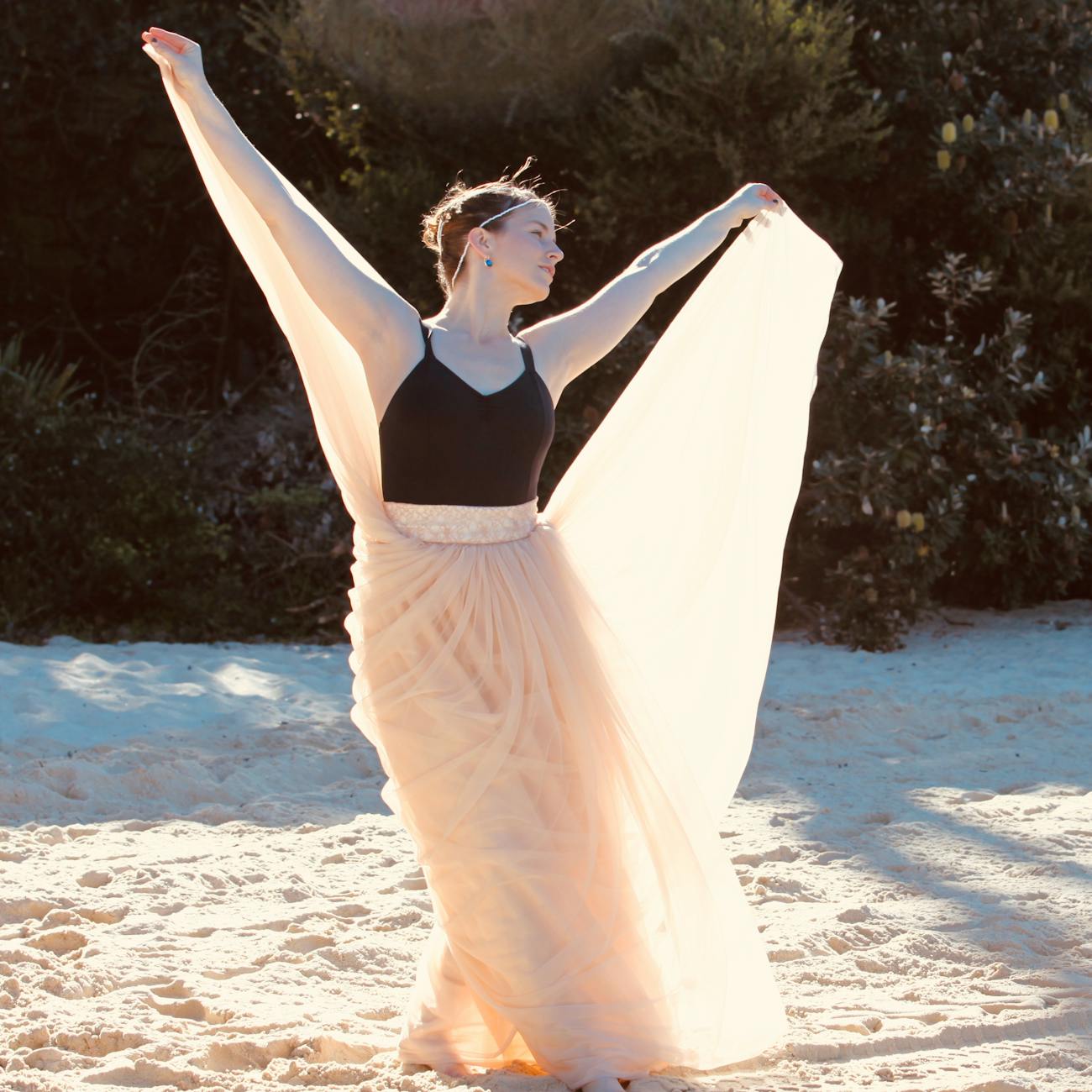
Storytelling and Dance are two integral components of the Advanced Skill Certificate in Creative Movement for Children. In this course, storytelling and dance are used as tools to promote children's creativity, self-expression, and physical development. Here are some key terms and vocabulary related to storytelling and dance:
1. Storytelling: Storytelling is the act of telling a story to an audience. It is a powerful tool for promoting literacy, creativity, and social-emotional development in children. 2. Narrative: A narrative is a story that has a beginning, middle, and end. It includes characters, settings, and a plot that unfolds over time. 3. Character: A character is a person or animal that appears in a story. Characters can be protagonists, antagonists, or minor characters. 4. Setting: The setting is the place where a story takes place. It can include physical locations, such as a forest or a city, as well as temporal settings, such as a specific time period. 5. Plot: The plot is the sequence of events that make up a story. It includes exposition, rising action, climax, falling action, and resolution. 6. Sequence: A sequence is a series of events that happen in a particular order. In storytelling, sequences help to structure the narrative and create a sense of continuity. 7. Creative movement: Creative movement is a form of dance that encourages self-expression and creativity. It involves exploring different movement patterns, shapes, and dynamics. 8. Choreography: Choreography is the process of creating and organizing movement sequences. It involves making decisions about spatial patterns, timing, and musicality. 9. Movement vocabulary: Movement vocabulary refers to the collection of movements that dancers use to create choreography. It includes basic movements, such as jumping, turning, and stretching, as well as more complex movements. 10. Spatial awareness: Spatial awareness is the ability to understand and navigate space. In dance, spatial awareness involves understanding the relationship between the body and the surrounding environment. 11. Dynamics: Dynamics refer to the quality of movement. It includes factors such as speed, force, and fluidity. 12. Body awareness: Body awareness is the ability to understand and control the body's movements. It involves developing proprioception, or the sense of the body's position and movement in space. 13. Improvisation: Improvisation is the act of creating movement or choreography spontaneously. It involves exploring movement ideas and responding to prompts or cues. 14. Theme: A theme is a central idea or message that runs throughout a story or dance piece. It can be explicit or implicit, and it often reflects the values or beliefs of the creator. 15. Symbolism: Symbolism is the use of symbols to convey meaning. In storytelling and dance, symbols can be used to represent ideas, emotions, or concepts. 16. Emotion: Emotion refers to the feelings or sensations that a story or dance piece evokes in the audience. It can be conveyed through movement, music, or narrative. 17. Authenticity: Authenticity refers to the quality of being genuine or true to oneself. In storytelling and dance, authenticity involves creating work that reflects one's own experiences, values, and perspectives. 18. Collaboration: Collaboration is the act of working together to create something new. In storytelling and dance, collaboration involves sharing ideas, giving and receiving feedback, and building on each other's strengths. 19. Assessment: Assessment is the process of evaluating learning and development. In the context of storytelling and dance, assessment might involve observing children's movements, listening to their stories, or asking for their feedback. 20. Differentiation: Differentiation is the practice of adapting instruction to meet the needs of individual learners. In storytelling and dance, differentiation might involve modifying movement sequences, providing additional support, or offering extension activities.
Examples:
* In a storytelling session, a teacher might use props, such as puppets or pictures, to help children visualize the narrative. * In a dance class, a teacher might encourage children to experiment with different movement patterns, such as jumping, rolling, or spinning. * In a collaborative project, children might work together to create a story or dance piece that reflects their shared experiences or interests.
Practical Applications:
* Teachers can use storytelling and dance as tools for promoting literacy, creativity, and physical development. * Children can use storytelling and dance as outlets for self-expression and communication. * Families can use storytelling and dance as ways to connect and build relationships.
Challenges:
* Teachers may need to differentiate instruction to meet the needs of individual learners. * Children may need support and guidance to develop their movement vocabulary and spatial awareness. * Collaborative projects may require careful planning and communication to ensure that all participants feel valued and heard.
In summary, storytelling and dance are two powerful tools for promoting creativity, self-expression, and physical development in children. By understanding key terms and vocabulary, teachers and families can support children's learning and development in these areas. Whether through solo or collaborative projects, storytelling and dance offer endless opportunities for exploration, creativity, and growth.
Key takeaways
- In this course, storytelling and dance are used as tools to promote children's creativity, self-expression, and physical development.
- In the context of storytelling and dance, assessment might involve observing children's movements, listening to their stories, or asking for their feedback.
- * In a collaborative project, children might work together to create a story or dance piece that reflects their shared experiences or interests.
- * Teachers can use storytelling and dance as tools for promoting literacy, creativity, and physical development.
- * Collaborative projects may require careful planning and communication to ensure that all participants feel valued and heard.
- Whether through solo or collaborative projects, storytelling and dance offer endless opportunities for exploration, creativity, and growth.