
Physical Accessibility
Physical Accessibility is a crucial aspect of designing spaces, products, services, and technologies that can be used by individuals with disabilities. It involves creating environments that are inclusive and can be accessed by everyone, re…
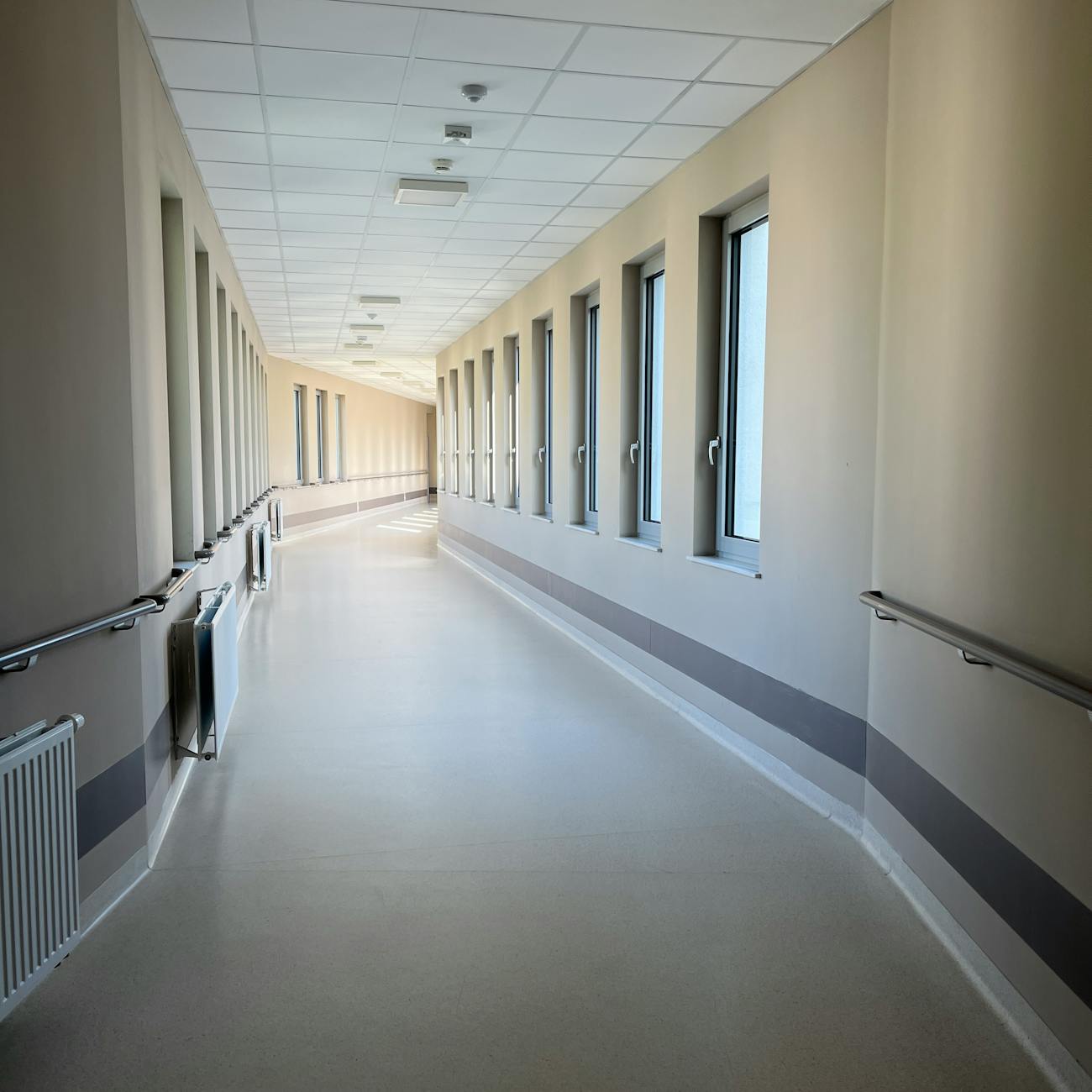
Physical Accessibility is a crucial aspect of designing spaces, products, services, and technologies that can be used by individuals with disabilities. It involves creating environments that are inclusive and can be accessed by everyone, regardless of their physical capabilities. In this section, we will explore key terms and vocabulary related to Physical Accessibility.
1. **Accessibility**: Accessibility refers to the design of products, devices, services, or environments for people with disabilities. It allows individuals to access, use, and benefit from these products or environments independently.
2. **Disability**: Disability is a physical or mental condition that limits a person's movements, senses, or activities. Disabilities can be permanent, temporary, or situational.
3. **Inclusion**: Inclusion is the practice of involving individuals with disabilities in all aspects of life, including education, employment, and social activities. It aims to create a society where everyone is valued and respected.
4. **Universal Design**: Universal Design is the concept of creating products, environments, and communication that can be used by all people, to the greatest extent possible, without the need for adaptation or specialized design.
5. **ADA (Americans with Disabilities Act)**: The Americans with Disabilities Act is a civil rights law that prohibits discrimination against individuals with disabilities in all areas of public life, including jobs, schools, transportation, and all public and private places that are open to the general public.
6. **Barrier**: A barrier is anything that prevents or restricts the access of individuals with disabilities to a space or service. Barriers can be physical, sensory, cognitive, or social.
7. **Ramp**: A ramp is an inclined plane that allows individuals using wheelchairs or other mobility devices to access a building or space that has steps. Ramps should be designed with specific dimensions and slopes to ensure safety and ease of use.
8. **Elevator**: An elevator is a vertical transportation device that allows individuals with mobility impairments to move between different floors of a building. Elevators should be equipped with features such as Braille buttons and auditory signals for individuals with visual or hearing impairments.
9. **Accessible Parking**: Accessible parking spaces are designated parking spots that are reserved for individuals with disabilities. These spaces are wider than regular parking spaces and are located close to building entrances to provide easy access.
10. **Door Width**: Door width is an important factor in physical accessibility. Doors should be wide enough to accommodate wheelchairs and mobility devices. The standard minimum width for an accessible door is usually around 32 inches.
11. **Clear Floor Space**: Clear floor space refers to the area in a room or space that is free of obstacles and allows individuals using wheelchairs to maneuver comfortably. Clear floor space is essential for accessibility and should be provided in key areas such as bathrooms and kitchens.
12. **Assistive Technology**: Assistive technology refers to devices, tools, or equipment that are designed to help individuals with disabilities perform tasks that they would otherwise have difficulty doing. Examples include screen readers, hearing aids, and mobility scooters.
13. **Wayfinding**: Wayfinding is the process of navigating through a built environment, such as a building or a public space. Good wayfinding design is essential for individuals with visual impairments or cognitive disabilities to orient themselves and find their way around.
14. **Tactile Paving**: Tactile paving consists of textured surfaces that are installed on sidewalks, pedestrian crossings, and other public spaces to provide cues to individuals with visual impairments. These tactile indicators help people navigate safely by using their sense of touch.
15. **Braille Signage**: Braille signage is designed for individuals with visual impairments to read information through touch. Braille is a tactile writing system that uses raised dots to represent letters and numbers. Braille signage is commonly used in public buildings, elevators, and restrooms.
16. **Accessible Technology**: Accessible technology refers to digital tools, software, or devices that are designed to be usable by individuals with disabilities. Accessible technology ensures that everyone can access and interact with digital content, websites, and applications.
17. **Mobility Device**: A mobility device is an assistive device that helps individuals with mobility impairments move around independently. Examples of mobility devices include wheelchairs, walkers, crutches, and scooters.
18. **Accessible Design Guidelines**: Accessible design guidelines are standards and recommendations that help designers and architects create spaces that are inclusive and accessible to individuals with disabilities. These guidelines cover a wide range of topics, including building codes, dimensions, and features that promote accessibility.
19. **Wayfinding Signs**: Wayfinding signs are visual cues that help people navigate through a space or environment. These signs provide information about directions, locations, and points of interest. Wayfinding signs should be designed with clear fonts, colors, and symbols for easy readability.
20. **Accessible Restrooms**: Accessible restrooms are designed to accommodate individuals with disabilities, including those who use wheelchairs or have mobility limitations. These restrooms should have features such as grab bars, accessible sinks, and toilets with appropriate heights.
21. **Accessible Public Transportation**: Accessible public transportation refers to transportation services that are designed to be used by individuals with disabilities. This includes buses, trains, subways, and other modes of public transportation that have features such as ramps, lifts, and priority seating.
22. **Inclusive Playground**: An inclusive playground is a play area that is designed to be accessible to children of all abilities, including those with disabilities. Inclusive playgrounds have features such as ramps, sensory play equipment, and wheelchair-accessible swings.
23. **ADA Compliance**: ADA compliance refers to adherence to the regulations and standards set forth by the Americans with Disabilities Act. Buildings, facilities, and services must comply with the ADA requirements to ensure equal access for individuals with disabilities.
24. **Accessible Housing**: Accessible housing refers to homes and apartments that are designed to accommodate individuals with disabilities. Accessible housing features may include wider doorways, lower countertops, and grab bars in bathrooms.
25. **Visual Impairment**: Visual impairment refers to a condition in which a person's vision is significantly limited, making it difficult to see or read. Visual impairments can range from partial sight to total blindness.
26. **Hearing Impairment**: Hearing impairment is a condition in which a person's ability to hear sounds is reduced or absent. Individuals with hearing impairments may use hearing aids, sign language, or other assistive devices to communicate.
27. **Curb Ramp**: A curb ramp is a sloped transition between a sidewalk and a street that allows individuals using wheelchairs or other mobility devices to cross safely. Curb ramps should be designed with specific slopes and dimensions to comply with accessibility standards.
28. **Accessible Seating**: Accessible seating refers to designated seating areas in public venues, such as theaters, stadiums, and concert halls, that are reserved for individuals with disabilities. These seating areas provide additional space and features to accommodate wheelchair users and their companions.
29. **Service Animal**: A service animal is a trained animal that provides assistance to individuals with disabilities. Service animals are allowed in public places and are protected under the ADA as necessary accommodations for individuals with disabilities.
30. **Accessible Website**: An accessible website is a website that is designed to be usable by individuals with disabilities. Accessible websites follow specific guidelines, such as providing alternative text for images, keyboard navigation, and clear headings for screen reader users.
31. **Accessible Education**: Accessible education refers to the practice of providing equal opportunities for individuals with disabilities to access and participate in educational programs. Accessible education includes accommodations such as accessible classrooms, materials, and assistive technology.
32. **Accessible Tourism**: Accessible tourism is a form of travel that caters to individuals with disabilities. Accessible tourism destinations, hotels, and attractions are designed to be inclusive and provide accommodations for individuals with a range of disabilities.
33. **Emergency Evacuation Plan**: An emergency evacuation plan is a set of procedures and protocols designed to safely evacuate individuals with disabilities in the event of an emergency, such as a fire or natural disaster. These plans should consider the specific needs of individuals with disabilities and provide accessible routes and assistance.
34. **Accessible Fitness Center**: An accessible fitness center is a gym or workout facility that is designed to be used by individuals with disabilities. Accessible fitness centers have features such as adjustable equipment, accessible entrances, and trained staff to assist individuals with disabilities.
35. **Accessible Technology Lab**: An accessible technology lab is a facility that provides access to assistive technology and resources for individuals with disabilities. These labs may offer specialized software, hardware, and training to help individuals with disabilities use technology effectively.
36. **Accessible Customer Service**: Accessible customer service refers to providing assistance and support to individuals with disabilities in a way that is respectful, inclusive, and accommodating. Customer service providers should be trained to communicate effectively and provide necessary accommodations.
37. **Accessible Play Area**: An accessible play area is a designated space that is designed to be inclusive and accessible to children with disabilities. Accessible play areas have features such as rubberized surfaces, sensory play equipment, and ramps for individuals with mobility impairments.
38. **Accessible Public Event**: An accessible public event is an event, such as a concert, festival, or conference, that is designed to be inclusive and accessible to individuals with disabilities. Accessible public events may provide features such as sign language interpreters, accessible seating, and alternative formats for materials.
39. **Accessible Transportation**: Accessible transportation refers to transportation services, such as buses, taxis, and paratransit, that are designed to be used by individuals with disabilities. Accessible transportation features may include wheelchair ramps, lifts, and securement systems.
40. **Emergency Preparedness**: Emergency preparedness refers to the planning and preparation for responding to emergencies and disasters. Individuals with disabilities may have specific needs and requirements during emergencies, and emergency preparedness plans should address these considerations.
In conclusion, understanding the key terms and vocabulary related to Physical Accessibility is essential for creating inclusive environments and ensuring equal access for individuals with disabilities. By incorporating accessible design principles, features, and technologies, we can promote inclusivity and provide opportunities for everyone to participate fully in society.
Accessibility is a critical aspect of creating inclusive environments for everyone, including people with disabilities. Physical accessibility refers to the design of spaces, buildings, products, and services to ensure they can be used by individuals with a wide range of abilities and disabilities. In the Certificate in Accessibility Consulting course, understanding the key terms and vocabulary related to physical accessibility is essential for effectively evaluating and improving the accessibility of various environments.
**1. Universal Design:** Universal Design is an approach to design that aims to create products, environments, and systems that are usable by all people, to the greatest extent possible, without the need for adaptation or specialized design. It focuses on inclusivity and considers the diversity of users' needs and abilities. For example, a ramp that allows both wheelchair users and people pushing strollers to access a building is an example of universal design.
**2. Barrier:** A barrier is any obstacle that prevents or limits access to a space, product, or service for individuals with disabilities. Barriers can be physical, sensory, cognitive, or technological in nature. Examples of barriers include stairs without a ramp for wheelchair users, doors that are too narrow for a wheelchair to pass through, or websites that are not compatible with screen readers.
**3. Accessibility Standards:** Accessibility standards are guidelines and regulations that specify the requirements for making products, environments, and services accessible to people with disabilities. These standards often cover aspects such as building codes, web accessibility, transportation, and communication. Adhering to accessibility standards is essential for ensuring compliance and promoting inclusivity.
**4. ADA (Americans with Disabilities Act):** The Americans with Disabilities Act (ADA) is a civil rights law that prohibits discrimination against individuals with disabilities in all areas of public life, including employment, education, transportation, and public accommodations. The ADA sets standards for accessibility in the United States and has had a significant impact on improving physical accessibility for people with disabilities.
**5. Assistive Technology:** Assistive technology refers to devices, equipment, or systems that help people with disabilities perform tasks that they would otherwise have difficulty or inability to do. Examples of assistive technology include screen readers for individuals with visual impairments, hearing aids for individuals with hearing loss, and speech-to-text software for individuals with mobility impairments.
**6. Wayfinding:** Wayfinding is the process of navigating through a physical environment, such as a building or outdoor space. Good wayfinding design is essential for people with disabilities to easily and independently move around and access different areas. This can include clear signage, tactile maps, and audible cues to assist individuals with visual impairments or cognitive disabilities.
**7. Accessible Route:** An accessible route is a path that allows individuals with disabilities to travel through a space, building, or outdoor area. Accessible routes must be free of barriers and obstacles, have an appropriate width for wheelchair users, and include features such as ramps, curb cuts, and handrails. Ensuring the presence of accessible routes is crucial for promoting physical accessibility.
**8. Curb Cut:** A curb cut is a sloped or lowered section of a curb that allows individuals using wheelchairs, walkers, or strollers to transition between a sidewalk and a street or parking lot. Curb cuts are essential for ensuring that people with mobility impairments can access public spaces safely and independently.
**9. Inclusive Design:** Inclusive design goes beyond accessibility by considering the needs of all users, regardless of their age, size, ability, or disability. It aims to create products, environments, and services that are usable and appealing to a diverse range of individuals. Inclusive design focuses on flexibility, simplicity, and user-centered approaches to address the needs of a broad audience.
**10. Environmental Barriers:** Environmental barriers refer to physical elements in the built environment that hinder or prevent individuals with disabilities from fully participating in activities or accessing spaces. These barriers can include stairs, narrow doorways, lack of elevators, inadequate signage, poor lighting, and uneven surfaces. Identifying and removing environmental barriers is crucial for improving physical accessibility.
**11. Accessible Parking:** Accessible parking spaces are designated parking spots that are reserved for individuals with disabilities. These spaces are wider than regular parking spots to accommodate wheelchair users and have adjacent access aisles to allow for safe and convenient transfer in and out of vehicles. Accessible parking must comply with specific dimensions and signage requirements to ensure accessibility.
**12. Sensory Disabilities:** Sensory disabilities refer to impairments in vision, hearing, touch, taste, or smell that impact an individual's ability to perceive and interact with their environment. Designing spaces and products with consideration for sensory disabilities is essential for ensuring that individuals with sensory impairments can navigate and use them effectively. Examples include providing tactile signage for individuals with visual impairments or visual alarms for individuals with hearing impairments.
**13. Mobility Impairments:** Mobility impairments affect an individual's ability to move around and interact with their environment. These impairments can result from conditions such as paralysis, amputation, arthritis, or muscular dystrophy. Designing spaces with features such as ramps, elevators, grab bars, and wide doorways is essential for accommodating individuals with mobility impairments and promoting their independence and accessibility.
**14. Cognitive Disabilities:** Cognitive disabilities impact an individual's ability to process information, understand instructions, and make decisions. Designing spaces and products with consideration for cognitive disabilities involves providing clear signage, simple instructions, visual cues, and consistent layouts to support individuals with cognitive impairments. This approach helps promote independence and accessibility for a diverse range of users.
**15. Inclusive Playgrounds:** Inclusive playgrounds are designed to provide play opportunities for children of all abilities, including those with disabilities. These playgrounds feature accessible equipment, sensory-rich elements, and inclusive design principles to ensure that children of varying ages and abilities can play together. Inclusive playgrounds promote social interaction, physical activity, and fun for all children, regardless of their disabilities.
**16. Accessible Technology:** Accessible technology refers to digital products, websites, software, and devices that are designed to be usable by individuals with disabilities. Accessible technology incorporates features such as screen reader compatibility, keyboard navigation, alt text for images, and adjustable font sizes to ensure that people with disabilities can access and interact with digital content effectively. Providing accessible technology is essential for promoting digital inclusion and accessibility.
**17. Ergonomics:** Ergonomics is the science of designing products, environments, and systems to optimize human well-being and performance. Ergonomic design considers factors such as comfort, efficiency, safety, and accessibility to create user-friendly and efficient solutions. Applying ergonomic principles in the design of physical spaces and products can improve accessibility and usability for individuals with disabilities.
**18. Home Modifications:** Home modifications involve making changes to a residential environment to accommodate the needs of individuals with disabilities and improve their independence and quality of life. These modifications can include installing grab bars, ramps, stair lifts, accessible bathrooms, and wider doorways to create a safe and accessible living space for people with disabilities. Home modifications play a crucial role in promoting physical accessibility within residential settings.
**19. Accessible Tourism:** Accessible tourism focuses on making travel destinations, accommodations, transportation, and activities accessible to individuals with disabilities. Accessible tourism initiatives include providing wheelchair-accessible tours, accessible hotel rooms, sign language interpreters, and transportation options for people with mobility impairments. By making tourism experiences inclusive and accessible, individuals with disabilities can enjoy travel opportunities and explore new destinations comfortably and safely.
**20. Social Model of Disability:** The social model of disability is a perspective that views disability as a result of barriers and discrimination in society, rather than as an inherent characteristic of individuals. According to this model, it is the environment, attitudes, and policies that create disability by preventing people with impairments from fully participating in society. By addressing and removing these barriers, the social model of disability aims to promote equality, inclusion, and accessibility for all individuals.
In conclusion, understanding the key terms and vocabulary related to physical accessibility is essential for effectively promoting inclusivity and removing barriers for individuals with disabilities. By incorporating universal design principles, adhering to accessibility standards, and considering the diverse needs of users, professionals in accessibility consulting can create more inclusive environments that benefit everyone. By addressing environmental barriers, providing accessible technology, and promoting inclusive design practices, physical accessibility can be improved to enhance the quality of life and independence for individuals with disabilities.
Key takeaways
- Physical Accessibility is a crucial aspect of designing spaces, products, services, and technologies that can be used by individuals with disabilities.
- **Accessibility**: Accessibility refers to the design of products, devices, services, or environments for people with disabilities.
- **Disability**: Disability is a physical or mental condition that limits a person's movements, senses, or activities.
- **Inclusion**: Inclusion is the practice of involving individuals with disabilities in all aspects of life, including education, employment, and social activities.
- **Universal Design**: Universal Design is the concept of creating products, environments, and communication that can be used by all people, to the greatest extent possible, without the need for adaptation or specialized design.
- **Barrier**: A barrier is anything that prevents or restricts the access of individuals with disabilities to a space or service.
- **Ramp**: A ramp is an inclined plane that allows individuals using wheelchairs or other mobility devices to access a building or space that has steps.