
Cell Lysis and DNA Release
Cell lysis is the process of breaking open cells to release their contents. This is a crucial step in many biological and biochemical experiments, including DNA extraction. There are several methods for cell lysis, each with its own advanta…
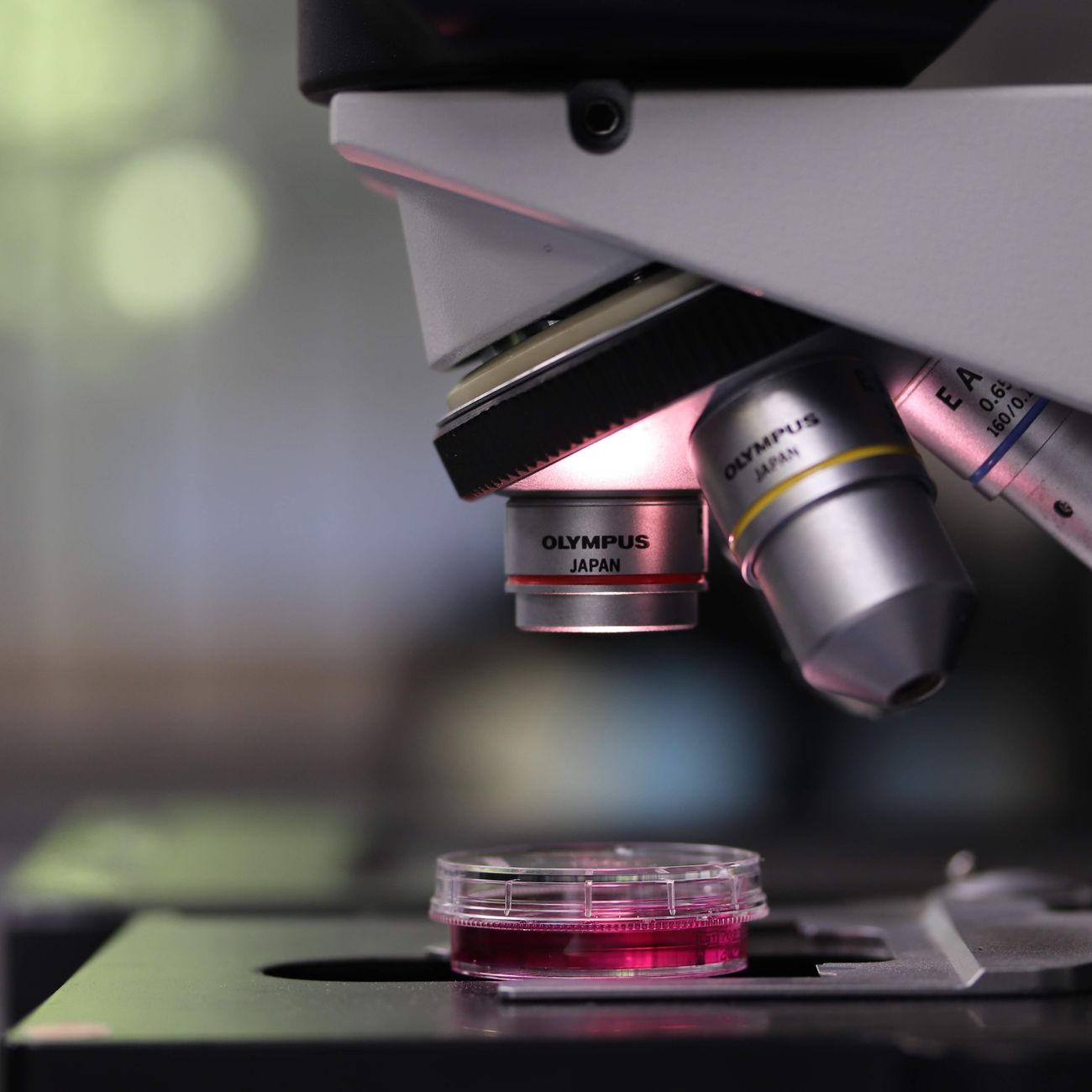
Cell lysis is the process of breaking open cells to release their contents. This is a crucial step in many biological and biochemical experiments, including DNA extraction. There are several methods for cell lysis, each with its own advantages and disadvantages. In this explanation, we will discuss the key terms and vocabulary related to cell lysis and DNA release in the context of a Certificate in DNA Extraction Techniques.
1. Cell lysis: Cell lysis is the process of disrupting the cell membrane to release the contents of the cell. This can be achieved through mechanical, enzymatic, or chemical methods. Mechanical methods include sonication, French press, and bead beating. Enzymatic methods involve the use of enzymes such as lysozyme or lysostaphin to break down the cell wall. Chemical methods involve the use of detergents, chaotropic agents, or hypotonic solutions to disrupt the cell membrane. 2. DNA release: After cell lysis, the DNA must be released from the nucleus and other cellular structures. This can be achieved through the use of detergents, chaotropic agents, or enzymes such as proteinase K. Detergents such as SDS (sodium dodecyl sulfate) or Triton X-100 solubilize the cell membrane and nuclear membrane, releasing the DNA. Chaotropic agents such as guanidine thiocyanate or sodium perchlorate disrupt hydrogen bonds and ionic bonds, releasing the DNA from proteins and other cellular structures. Proteinase K is an enzyme that digests proteins, releasing the DNA from protein complexes. 3. Lysis buffer: A lysis buffer is a solution that contains the necessary components for cell lysis and DNA release. A typical lysis buffer contains a detergent, a chaotropic agent, and proteinase K. The detergent disrupts the cell membrane and nuclear membrane, the chaotropic agent releases the DNA from proteins and other cellular structures, and proteinase K digests proteins, releasing the DNA. The composition of the lysis buffer may vary depending on the type of cells and the downstream application. 4. Mechanical lysis: Mechanical lysis is the process of disrupting the cell membrane using physical force. This can be achieved through sonication, French press, or bead beating. Sonication uses high-frequency sound waves to create cavitation bubbles that disrupt the cell membrane. French press uses high pressure to force the cells through a narrow opening, disrupting the cell membrane. Bead beating uses small beads to physically break open the cells. Mechanical lysis is useful for breaking open tough cell walls, such as those found in bacteria or fungi. 5. Enzymatic lysis: Enzymatic lysis is the process of disrupting the cell wall using enzymes. This is typically achieved using enzymes such as lysozyme or lysostaphin, which break down the peptidoglycan layer in the cell wall. Enzymatic lysis is useful for breaking open gram-positive bacteria, which have a thick cell wall. 6. Chemical lysis: Chemical lysis is the process of disrupting the cell membrane using chemicals. This can be achieved using detergents, chaotropic agents, or hypotonic solutions. Detergents such as SDS or Triton X-100 solubilize the cell membrane and nuclear membrane, releasing the DNA. Chaotropic agents such as guanidine thiocyanate or sodium perchlorate disrupt hydrogen bonds and ionic bonds, releasing the DNA from proteins and other cellular structures. Hypotonic solutions cause the cell to swell and burst due to osmotic pressure. Chemical lysis is useful for breaking open a wide variety of cells, including eukaryotic cells. 7. Phenol-chloroform extraction: Phenol-chloroform extraction is a method for purifying DNA from other cellular components. This method involves the use of phenol and chloroform to separate the aqueous phase (containing the DNA) from the organic phase (containing proteins and lipids). The aqueous phase is then precipitated with ethanol to obtain pure DNA. This method is useful for removing proteins and other contaminants from the DNA. 8. Ethanol precipitation: Ethanol precipitation is a method for concentrating and purifying DNA. This method involves the addition of ethanol to the DNA sample, which causes the DNA to precipitate out of solution. The DNA is then collected by centrifugation and washed with ethanol to remove any residual salts or contaminants. This method is useful for concentrating dilute DNA samples and removing small molecules such as salts and buffers. 9. Spin column: A spin column is a device used for purifying DNA. The DNA sample is loaded onto the spin column, which contains a filter membrane that retains the DNA while allowing smaller molecules to pass through. The column is then centrifuged, which causes the DNA to bind to the filter membrane and the smaller molecules to pass through. The DNA is then eluted from the column using a buffer. Spin columns are useful for purifying DNA from contaminants such as proteins, salts, and buffers. 10. Quality control: Quality control is the process of ensuring that the DNA sample is of high quality and free from contaminants. This can be achieved through the use of spectrophotometry, agarose gel electrophoresis, and PCR. Spectrophotometry is used to measure the concentration and purity of the DNA sample. Agarose gel electrophoresis is used to visualize the DNA sample and assess its integrity. PCR is used to amplify specific regions of the DNA sample and assess its purity. Quality control is essential for ensuring the success of downstream applications such as sequencing or cloning.
In summary, cell lysis and DNA release are crucial steps in DNA extraction techniques. There are several methods for cell lysis, including mechanical, enzymatic, and chemical methods. The choice of lysis method depends on the type of cells and the downstream application. After cell lysis, the DNA must be released from the nucleus and other cellular structures using detergents, chaotropic agents, or enzymes. The DNA is then purified using methods such as phenol-chloroform extraction, ethanol precipitation, or spin columns. Quality control is essential for ensuring the success of downstream applications. By understanding the key terms and vocabulary related to cell lysis and DNA release, students in a Certificate in DNA Extraction Techniques program can gain a deeper understanding of the DNA extraction process and its applications in molecular biology and genetics.
Challenges:
1. Develop a protocol for cell lysis and DNA release using a specific type of cells and a downstream application of your choice. 2. Compare and contrast the advantages and disadvantages of different methods for cell lysis and DNA release. 3. Design an experiment to assess the quality of a DNA sample after cell lysis and DNA release. 4. Explain the importance of quality control in DNA extraction techniques. 5. Discuss the ethical implications of DNA extraction techniques in forensic science or medical diagnostics.
Key takeaways
- In this explanation, we will discuss the key terms and vocabulary related to cell lysis and DNA release in the context of a Certificate in DNA Extraction Techniques.
- The detergent disrupts the cell membrane and nuclear membrane, the chaotropic agent releases the DNA from proteins and other cellular structures, and proteinase K digests proteins, releasing the DNA.
- After cell lysis, the DNA must be released from the nucleus and other cellular structures using detergents, chaotropic agents, or enzymes.
- Develop a protocol for cell lysis and DNA release using a specific type of cells and a downstream application of your choice.