
Legal Considerations in Farm Succession
Succession planning in the context of farming refers to the deliberate process by which a farm owner arranges for the orderly transfer of ownership, management, and operational control to the next generation or to an alternative party. It i…
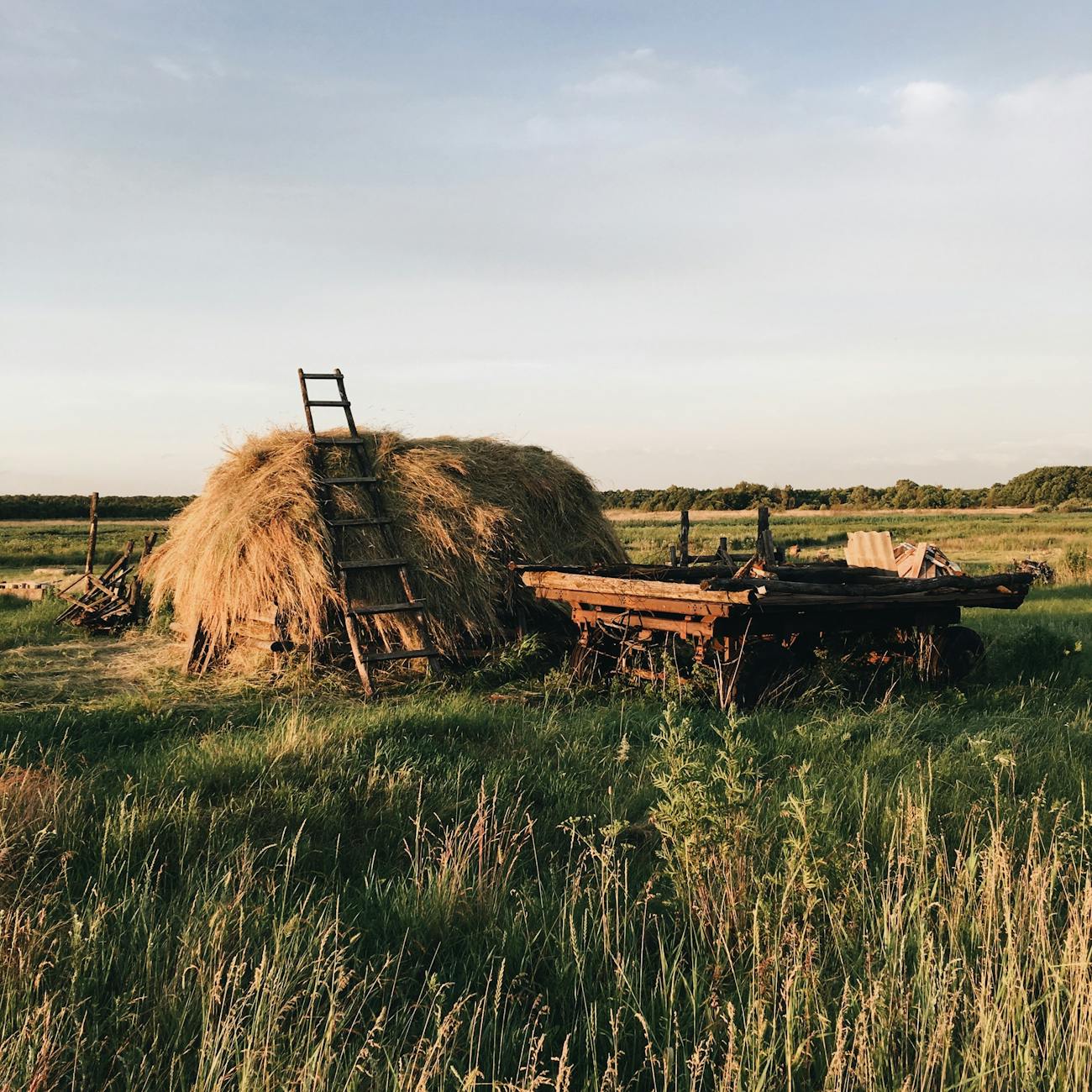
Succession planning in the context of farming refers to the deliberate process by which a farm owner arranges for the orderly transfer of ownership, management, and operational control to the next generation or to an alternative party. It is not merely a matter of deciding who will inherit the land; it encompasses legal, financial, tax, and relational dimensions. A robust succession plan reduces uncertainty, protects the farm’s continuity, and helps avoid disputes that could jeopardise the enterprise.
Estate is the totality of a person’s assets at death, including land, livestock, equipment, intellectual property, and any associated debts or liabilities. The estate is the subject of probate, the legal process that validates a will and distributes assets according to the deceased’s wishes or, in the absence of a valid will, according to intestacy rules. Understanding the composition of the estate is essential for evaluating tax exposure and for structuring the transfer of farm assets.
Probate is the court‑supervised procedure that confirms the validity of a will, appoints an executor, and authorises the distribution of the estate’s assets. In many jurisdictions, probate can be a lengthy and costly process, especially where the estate includes complex agricultural holdings. Strategies such as using trusts or joint ownership can mitigate probate delays and expenses.
Will is a legal document in which a testator specifies how their estate should be dealt with after death. For farm succession, a will may contain specific provisions regarding the division of land, the allocation of livestock, the continuation of farm businesses, and the appointment of trustees or executors. While a will is a fundamental tool, it must be drafted with precision to avoid ambiguities that could trigger disputes among heirs.
Trust is a fiduciary arrangement in which a settlor transfers legal title to assets to a trustee, who holds and manages those assets for the benefit of designated beneficiaries. Trusts are particularly useful in farm succession for several reasons: they can bypass probate, provide greater control over the timing of asset distribution, and facilitate tax planning. Common farm‑related trusts include the family trust, the life interest trust, and the grantor retained annuity trust (GRAT).
Joint tenancy is a form of co‑ownership where two or more parties own an undivided interest in property with the right of survivorship. Upon the death of one joint tenant, the surviving joint tenant automatically acquires the deceased’s share, avoiding probate. However, joint tenancy may not be appropriate where the goal is to preserve the farm for a specific heir, as it can override the testator’s expressed wishes.
Tenancy in common is another co‑ownership structure where each co‑owner holds a distinct share that can be transferred or bequeathed independently. This arrangement allows for more flexibility in succession planning, as each owner can dispose of their share through a will or trust, but it may also lead to fragmentation of the farm if not managed carefully.
Life interest (or usufruct) grants a beneficiary the right to enjoy the benefits of an asset—such as rental income or use of land—during their lifetime, after which the asset passes to another designated party. Life interests are frequently used to provide for a surviving spouse while ensuring that the farm ultimately passes to children or other heirs.
Usufruct is a civil‑law concept similar to a life interest, allowing a person to use and profit from property owned by another. In jurisdictions that recognise usufruct, it can be a powerful tool for balancing the needs of a retiring farmer with those of the next generation.
Agricultural tenancy refers to a lease arrangement where a tenant farms the land owned by a landlord. Succession planning often involves reviewing existing tenancy agreements to ensure they contain provisions for renewal, rent review, and termination that align with the long‑term goals of the farm family.
Farm business structure determines how the farm’s commercial activities are organised legally. Common structures include sole proprietorship, partnership, limited liability partnership (LLP), and corporation (or limited company). Each structure carries distinct implications for liability, tax treatment, and succession. For example, an LLP can facilitate the gradual transfer of partnership interests without exposing the farm to the personal liability of the retiring partner.
Limited liability partnership (LLP) combines the operational flexibility of a partnership with limited liability protection for its members. In farm succession, an LLP can be used to allocate profit‑sharing rights, voting rights, and capital contributions among family members, while shielding personal assets from business risks.
Corporation (or limited company) is a separate legal entity that can own land, equipment, and intellectual property. Incorporating the farm can simplify the transfer of shares, provide continuity beyond the life of any individual, and offer tax planning opportunities such as dividend distribution and capital gains exemptions. However, corporate governance requirements—such as directors’ duties and statutory filings—must be adhered to.
Family farm succession is the broader process that integrates legal mechanisms, tax strategies, and interpersonal dynamics to ensure that a farm remains viable across generations. It typically involves early engagement of heirs, professional advice, and the establishment of a clear timeline that aligns with retirement, tax planning windows, and market conditions.
Tax implications are central to any succession strategy. In most jurisdictions, the transfer of farm assets triggers capital gains tax (CGT) or inheritance tax (IHT) unless reliefs or exemptions apply. Understanding the interplay between CGT, IHT, and specific agricultural reliefs is essential for minimising the tax burden on heirs.
Capital gains tax (CGT) is levied on the increase in value of an asset between acquisition and disposal. When farm land is transferred on death, CGT is usually calculated on the market value at the date of death. Reliefs such as Agricultural Property Relief (APR) can reduce or eliminate CGT liability on qualifying farm assets.
Inheritance tax (IHT) is imposed on the value of an estate that passes to beneficiaries. In many jurisdictions, IHT thresholds and rates are progressive, and exemptions may apply for agricultural property, business property, or gifts made within a certain period before death. Effective planning often involves making strategic lifetime gifts to reduce the taxable estate.
Agricultural Property Relief (APR) is a relief that can reduce the taxable value of farm land for both CGT and IHT purposes, provided the land is used for agricultural purposes and certain conditions are met. APR typically offers up to 100 % relief on qualifying assets, but the relief may be limited if the land is no longer used for farming or if it has been transferred to a non‑agricultural purpose.
Business Property Relief (BPR) offers similar relief for non‑land business assets, such as farm machinery, livestock, and the goodwill of a farm enterprise. BPR can reduce the taxable value of these assets to as low as 25 % for IHT purposes, making it a vital component of tax‑efficient succession.
Farm lease is a contractual agreement that grants a tenant the right to use farm land for a specified period. Lease terms often include provisions for rent review, renewal options, and termination rights. When succession planning, it is important to ensure that lease terms are aligned with the long‑term vision for the farm, and that any rights of first refusal or pre‑emptive purchase are clearly defined.
Leasehold ownership means that a person holds a lease for a defined term, usually ranging from 30 to 99 years, rather than owning the freehold title. Leasehold interests can be transferred or inherited, but the underlying freehold owner retains ultimate control. Succession plans must consider the lease’s remaining term, any ground rent obligations, and the possibility of lease extension.
Freehold ownership confers permanent and absolute ownership of land and any structures thereon. Freehold is generally preferred for succession because it offers certainty of tenure and eliminates the need to renegotiate lease terms with a landlord. However, freehold may be subject to covenants, easements, or other encumbrances that affect its use.
Easement is a non‑exclusive right granted to a third party to use a portion of the land for a specific purpose, such as a right of way for livestock or utility access. Easements run with the land and bind successive owners. Identifying and managing easements is crucial to avoid future disputes that could impair farm operations.
Right of way is a specific type of easement that permits passage across land. In farming, rights of way are often needed for access to fields, movement of equipment, or delivery of livestock. When drafting succession documents, it is important to confirm that any rights of way are clearly documented and that they do not unduly restrict the future use of the farm.
Covenant is a binding promise in a deed that imposes obligations or restrictions on land use. Covenants can be positive (requiring certain actions) or restrictive (prohibiting certain actions). Common farm covenants include restrictions on building non‑agricultural structures or obligations to maintain hedgerows. Understanding existing covenants helps ensure that succession plans do not inadvertently breach enforceable obligations.
Restriction in this context refers to a limitation placed on the use of land, often recorded in a covenant. Restrictions may be imposed by planning authorities, environmental regulations, or private agreements. When planning succession, it is essential to verify that any intended changes to farm activities are permissible under existing restrictions.
Pre‑emption right (or right of first refusal) gives a designated party—often a family member or existing co‑owner—the opportunity to purchase an interest before it is offered to external parties. Pre‑emption rights are frequently embedded in family farm agreements to protect the farm from being sold outside the family.
Buy‑sell agreement is a contractual mechanism that outlines the terms under which a departing owner’s interest can be bought out by the remaining owners. The agreement typically sets a formula for valuation, payment terms, and triggers (such as death, retirement, or disability). In farm succession, a buy‑sell agreement can provide a clear path for the transfer of ownership while ensuring sufficient liquidity for the departing party.
Family agreement is a broader term encompassing any written arrangement among family members that governs the management, ownership, and succession of the farm. Family agreements may address profit sharing, decision‑making authority, dispute resolution mechanisms, and the roles of each family member. While not always legally binding, a well‑drafted family agreement can reduce tensions and provide a roadmap for future transitions.
Farm management agreement is a contract between the farm owner and a manager (who may be a family member) that sets out the duties, compensation, and performance expectations for managing day‑to‑day operations. This agreement can be a useful tool for gradually transitioning management responsibilities to the next generation while preserving continuity.
Guardianship may become relevant when an heir is a minor or lacks capacity. A guardian is appointed by the court to manage the minor’s interests until they reach the age of majority. Succession plans should anticipate the need for guardianship arrangements, including the selection of a trustworthy guardian and the establishment of clear instructions for farm stewardship.
Power of attorney (POA) is a legal instrument that authorises a designated person (the attorney‑in‑fact) to act on behalf of another (the donor) in financial or legal matters. A lasting POA can be invaluable when an ageing farmer becomes unable to manage affairs, allowing a trusted successor to make decisions without court intervention.
Director’s duties arise when a farm is incorporated as a company. Directors owe fiduciary duties to act in the best interests of the company, to avoid conflicts of interest, and to exercise reasonable care and skill. Understanding these duties is essential for family members who become directors, as breaches can lead to personal liability.
Fiduciary duty is the legal obligation to act loyally and in good faith for the benefit of another party. In farm succession, fiduciary duties may arise between trustees and beneficiaries, between directors and shareholders, or between partners in a partnership. Recognising and respecting fiduciary duties helps prevent claims of mismanagement or self‑dealing.
Conflict of interest occurs when a person’s personal interests could improperly influence their professional decisions. In a family farm, conflicts can arise when a sibling holds a managerial role while also being a beneficiary of a trust. Succession planning should include mechanisms—such as independent oversight or clear disclosure requirements—to manage conflicts.
Succession tax planning is the systematic approach to arranging the transfer of farm assets in a way that minimises tax liabilities. This may involve making use of reliefs, structuring ownership through trusts, employing lifetime gifting strategies, or timing transfers to coincide with favourable tax thresholds. Effective tax planning often requires coordination between legal, accounting, and valuation professionals.
Valuation is the process of determining the monetary worth of farm assets. Accurate valuation is crucial for calculating tax liabilities, setting fair purchase prices in buy‑sell agreements, and ensuring equitable division among heirs. Valuation methods include market comparison, income approach, and cost approach, each of which may be more appropriate for different asset classes (e.g., land versus livestock).
Appraisal is a formal valuation performed by a qualified professional, often required by tax authorities or lenders. An appraisal provides an independent, defensible estimate of value, which can be critical in disputes or in meeting regulatory requirements for relief claims.
Market value is the price that a willing buyer would pay and a willing seller would accept in an arm’s‑length transaction. Market value is the benchmark for most tax calculations and for determining the fair price in a succession transaction.
Fair market value is a nuanced term that incorporates not only price but also the consideration of any special conditions, such as the asset’s role in a family farm. For tax relief purposes, the valuation must reflect fair market value at the date of transfer, not a discounted value based on familial relationships.
Tax deferral strategies allow the postponement of tax liability to a later date, often when the taxpayer expects to be in a lower tax bracket. In farm succession, deferral can be achieved through rollover relief, where the gain on the transferred asset is deferred until the new owner disposes of the asset.
Rollover relief is a tax provision that permits the deferral of CGT when an asset is transferred in exchange for a similar asset, provided certain conditions are met. For farms, rollover relief can be used when land is transferred to a successor who continues farming the same land, thereby preserving the asset’s tax base.
Succession planning timeline outlines the key milestones and deadlines for implementing succession measures. Typical milestones include early engagement (often when the owner reaches middle age), asset valuation, drafting of wills and trusts, execution of buy‑sell agreements, and final transfer at retirement or death. A clear timeline helps coordinate legal, financial, and operational actions.
Contingency plan is a set of alternative actions to be taken if the primary succession strategy is disrupted—such as by premature death, illness, or market downturn. Contingency planning may involve secondary beneficiaries, alternative financing arrangements, or temporary management structures.
Dispute resolution mechanisms are essential components of any family farm succession plan. Common methods include mediation, arbitration, and, as a last resort, litigation. Including a dispute‑resolution clause in family agreements can provide a structured pathway for resolving disagreements without resorting to costly court battles.
Mediation is a facilitated negotiation process in which a neutral third party assists the disputants in reaching a mutually acceptable solution. Mediation is often preferred in family contexts because it preserves relationships and can be tailored to the specific dynamics of the farm.
Arbitration involves a neutral arbitrator who hears evidence and renders a binding decision. Arbitration can be faster and more private than court litigation, but it typically offers limited avenues for appeal.
Litigation is the formal process of resolving disputes through the courts. While sometimes unavoidable, litigation can be expensive, time‑consuming, and damaging to family cohesion. Succession plans should aim to minimise the likelihood of litigation by clearly documenting intentions and providing fair mechanisms for dispute resolution.
Legal counsel refers to solicitors, attorneys, or other qualified professionals who provide advice on the legal aspects of succession. Engaging legal counsel early ensures that documents are properly drafted, that tax reliefs are correctly claimed, and that any potential pitfalls are identified.
Solicitor is a legal professional who typically handles the preparation of wills, trusts, and conveyancing documents, and may also act as an executor or trustee. In farm succession, a solicitor with experience in agricultural law is valuable for navigating the specific regulatory landscape.
Conveyancer specialises in the transfer of property titles. A conveyancer ensures that the legal title to farm land is correctly transferred, that any encumbrances are identified, and that registration with the land registry is completed.
Registration is the process of recording ownership and interests in the land registry. Proper registration protects the new owner’s title and provides public notice of any rights, easements, or covenants affecting the land.
Land registry is the governmental body that maintains official records of land ownership, boundaries, and interests. Accurate registration is essential for establishing clear title and for preventing future disputes over ownership.
Title is the legal right to own and use a parcel of land. Title documents describe the nature of ownership (freehold, leasehold, joint tenancy, etc.) and list any encumbrances. Verifying title is a prerequisite before any transfer can be effected.
Deed is a formal written instrument that conveys an interest in land or creates an obligation, such as a covenant. Deeds must be executed in accordance with statutory requirements to be legally effective.
Encumbrance is any claim, lien, or restriction on a property that may affect its value or use. Common encumbrances include mortgages, easements, and restrictive covenants. Identifying encumbrances is vital for assessing the true cost of acquiring farm land.
Mortgage is a security interest in land granted to a lender as collateral for a loan. Mortgages may be necessary to finance the purchase of farm assets, and they must be considered when structuring succession to avoid over‑leveraging the incoming owner.
Charge is a type of encumbrance similar to a mortgage, often used in commercial contexts. A charge may be fixed (attached to a specific asset) or floating (covering a class of assets). Understanding any existing charges is essential for successful transfer of ownership.
Security refers to collateral provided to secure a loan or debt. In farm succession, security interests can limit the flexibility of the new owner, so plans often include strategies to release or refinance existing security.
Lien is a legal right to retain possession of property until a debt is satisfied. Liens can arise from unpaid taxes, contractor claims, or other obligations. Identifying and clearing liens before transfer helps ensure a clean title.
Agricultural scheme is a government‑run program that offers subsidies, grants, or other support to farmers who meet certain criteria, such as environmental stewardship or sustainable practices. Succession plans should consider the continuity of scheme participation, as eligibility may depend on the nature of ownership or management.
Stewardship refers to the responsible management of land, water, and biodiversity. Many agricultural schemes require a stewardship plan that outlines how the farm will protect soil health, water quality, and wildlife habitats. Succession planning must incorporate stewardship obligations to maintain eligibility for support.
Environmental regulation encompasses laws governing pollution, waste management, water use, and habitat protection. Compliance with environmental regulation is a non‑negotiable part of farm operation, and succession plans should ensure that new owners are aware of and capable of meeting these obligations.
Water rights are legal entitlements to use water from a source such as a river, stream, or aquifer. In many regions, water rights are separate from land ownership and can be transferred independently. Succession plans must address the transfer or licensing of water rights to avoid operational disruptions.
Biodiversity considerations are increasingly integrated into farm policy, with incentives for preserving native species and habitats. Succession planning may involve the creation of conservation easements or participation in biodiversity credit schemes, which can add value to the farm and provide tax benefits.
Carbon credits are tradable certificates representing a tonne of carbon dioxide or equivalent greenhouse gas reduced or sequestered. Farms that adopt carbon‑sequestration practices can generate credits that may be sold for additional income. Including carbon‑credit arrangements in succession plans can enhance the farm’s financial sustainability.
Subsidy is a financial assistance provided by government bodies to support agricultural activities. Subsidies may be tied to specific practices, such as organic farming or low‑input methods. Maintaining eligibility for subsidies often requires continuity of ownership or management, which must be reflected in the succession design.
CAP (Common Agricultural Policy) is the European Union’s framework for agricultural support, encompassing direct payments, market measures, and rural development programmes. Although the UK has diverged from CAP, many Commonwealth countries retain similar schemes. Understanding the interaction between CAP‑type payments and succession is essential for preserving income streams.
Estate duty is an older term for inheritance tax in some jurisdictions. While the specific name may vary, the principle remains: a tax on the transfer of the deceased’s estate. Succession planning must account for estate duty thresholds and potential reliefs.
Gift allowance is the amount an individual can give away during their lifetime without incurring tax. Strategic use of the gift allowance can reduce the size of the taxable estate, but must be carefully documented to avoid unintended tax consequences.
Lifetime exemption is a tax provision that allows a certain portion of an individual’s assets to be transferred tax‑free during their lifetime. The exemption amount may differ from the gift allowance and may be subject to specific conditions, such as the nature of the assets transferred.
Deemed disposition occurs when tax law treats a transfer of assets as a sale at market value, even though no actual sale takes place. Deemed dispositions can trigger CGT liability, making it critical to structure transfers in a way that minimises the impact of deemed disposals.
Beneficiary is a person or entity entitled to receive benefits from a trust, will, or other legal instrument. In farm succession, beneficiaries may include children, grandchildren, charitable organisations, or even the farm business itself.
Settlor is the person who creates a trust and transfers assets into it. The settlor’s intentions, as expressed in the trust deed, guide how the farm assets will be managed and distributed.
Trustee is the individual or corporate entity appointed to manage the trust assets in accordance with the trust deed and the law. Trustees owe fiduciary duties to the beneficiaries and must act prudently, especially when managing farm operations.
Beneficiary designation is the act of naming who will receive a particular asset, such as a share of the farm, livestock, or a cash bequest. Precise beneficiary designations help prevent ambiguity and disputes.
Successor is the person who inherits or assumes control of the farm assets. The term can refer to an heir, a purchaser under a buy‑sell agreement, or a trustee who becomes the farm’s manager.
Heir is a person legally entitled to inherit under the rules of intestacy or as named in a will. Heirs may have differing expectations and capabilities, making it important to align their roles with the farm’s needs.
Intestacy refers to the situation where a person dies without a valid will. In intestacy, the estate is distributed according to statutory rules, which may not reflect the deceased’s wishes for the farm. Preventing intestacy through proper will drafting is a key objective of succession planning.
Executor is the person appointed in a will to administer the estate, pay debts, and distribute assets. An executor with experience in farming can navigate the unique challenges of agricultural assets, such as livestock sales and land transfer procedures.
Administrator is the person appointed by the court to manage an intestate estate. Like an executor, an administrator must handle the practicalities of farm asset distribution, often under tighter time constraints.
Probate exemption is a threshold below which an estate does not have to go through probate. Certain agricultural assets may qualify for exemption, reducing administrative burdens.
Inheritance tax threshold is the value of an estate below which no inheritance tax is payable. Effective succession planning seeks to keep the farm’s taxable value under this threshold, either through reliefs or strategic gifting.
Tax efficient describes a strategy that minimises tax liability while complying with legal requirements. All succession measures should aim to be tax efficient, balancing short‑term cash flow with long‑term sustainability.
Liquidity is the availability of cash or cash‑equivalent assets to meet immediate financial obligations. Succession often requires liquidity to pay inheritance tax, buy out a retiring partner, or settle debts. Planning for liquidity may involve setting up life insurance policies, retaining cash reserves, or arranging financing.
Life insurance can be used to provide the necessary liquidity for tax payments or buy‑outs. A policy can be owned by the farm or a trust, with the proceeds earmarked for succession purposes.
Financing refers to the procurement of funds to facilitate the transfer of assets. Financing options include bank loans, seller financing, or structured payments over time. The choice of financing impacts cash flow and risk exposure for both the outgoing and incoming owners.
Seller financing is a arrangement where the seller provides a loan to the buyer to purchase the farm assets. This can be advantageous when external financing is limited, but it also creates a creditor‑debtor relationship that must be carefully documented.
Structured payment plans spread the purchase price over an agreed period, often with interest. Structured payments can ease the financial burden on the successor while ensuring the retiring owner receives fair value.
Capital reserve is a fund set aside to cover future capital expenditures, such as equipment replacement or land improvements. Maintaining a capital reserve within the succession plan helps preserve the farm’s long‑term viability.
Equity is the value of the farm’s assets minus its liabilities. Equity represents the wealth that can be transferred to heirs, and it is a key figure in valuation and tax calculations.
Debt restructuring may be required when the farm’s existing debt terms are unsuitable for the new ownership structure. Restructuring can involve renegotiating interest rates, extending repayment periods, or consolidating multiple loans.
Family limited partnership (FLP) is a partnership where family members hold partnership interests, often with a general partner (who controls the farm) and limited partners (who hold passive interests). FLPs can facilitate the gradual transfer of ownership while preserving control.
General partner in an FLP has management authority and unlimited liability, whereas a limited partner’s liability is limited to their capital contribution. Using a general partner structure can allow the senior farmer to retain operational control while transferring equity to heirs.
Limited partner holds a passive interest in the farm and is protected from personal liability beyond their investment. Limited partners can be children or grandchildren, enabling a phased transfer of ownership.
Equity transfer is the movement of ownership interest from one party to another. Equity transfers may be achieved through sale, gift, or inheritance, each with distinct tax and legal consequences.
Gift tax is a levy on the value of assets transferred as a gift during the donor’s lifetime. Gift tax thresholds and rates vary, and careful planning can keep gifts below the taxable limit.
Estate freeze is a tax strategy that locks in the current value of an estate for tax purposes, while future appreciation accrues to the beneficiaries. An estate freeze often involves issuing preferred shares to the senior farmer and common shares to the heirs.
Preferred shares carry fixed dividends and have priority over common shares in liquidation. In an estate freeze, preferred shares are retained by the senior farmer, preserving cash flow while allowing growth to accrue to the heirs.
Common shares represent residual ownership and benefit from any increase in farm value. Issuing common shares to heirs aligns their interests with the farm’s performance.
Shareholder agreement sets out the rights and obligations of shareholders in a farm corporation. The agreement can cover voting rights, dividend policy, restrictions on share transfer, and dispute‑resolution mechanisms.
Voting rights determine who can make decisions at shareholder meetings. In a family farm corporation, voting rights can be allocated to reflect management responsibilities, ensuring that operational control stays with the experienced farmer while ownership is gradually transferred.
Dividend policy outlines how profits will be distributed to shareholders. A clear dividend policy helps manage expectations and provides a predictable income stream for retiring owners.
Share transfer restriction can prevent shares from being sold to outsiders, protecting the farm’s family character. Restrictions may be enforced through a right of first refusal or a buy‑back clause.
Buy‑back clause gives the corporation or remaining shareholders the option to purchase shares that a departing shareholder wishes to sell. This clause can be used to keep shares within the family and maintain control.
Family trust is a trust established for the benefit of family members, often used to hold farm assets. The trust can provide flexible distribution of income, protect assets from creditors, and facilitate tax planning.
Discretionary trust gives the trustee the authority to decide how much income or capital each beneficiary receives. Discretionary trusts are useful for managing tax exposure, as income can be allocated to beneficiaries in lower tax brackets.
Non‑discretionary trust (or fixed trust) specifies the exact share of income or capital each beneficiary is entitled to. While less flexible, non‑discretionary trusts can provide certainty for beneficiaries and may be required for certain reliefs.
Trust deed is the governing document of a trust, setting out the purpose, powers of the trustee, and the rights of beneficiaries. A well‑drafted trust deed will address farm‑specific issues such as management of livestock, compliance with agricultural regulations, and succession triggers.
Settlor‑trustee relationship is the interaction between the person who creates the trust and the trustee who manages it. In many farm trusts, the settlor may also act as trustee during their lifetime, transitioning to a successor trustee upon retirement or death.
Successor trustee is the individual appointed to take over the trustee role when the current trustee steps down. Selecting a capable successor trustee is critical to maintaining continuity of farm management.
Trust protector is an optional role that can be given powers to oversee the trustee’s actions, amend the trust deed, or remove trustees. A trust protector can add an extra layer of oversight, especially when the trust holds significant farm assets.
Beneficiary distribution outlines how the trust’s income and capital are allocated among beneficiaries. In farm succession, distributions may be tied to the performance of the farm, ensuring that beneficiaries share in both profits and risks.
Tax shelter is an investment or structure that reduces taxable income. Trusts, certain corporate structures, and agricultural reliefs can all act as tax shelters when used appropriately.
Estate fragmentation occurs when farm land is divided among multiple heirs, potentially reducing the farm’s operational efficiency. Succession planning seeks to avoid fragmentation by consolidating ownership, using buy‑sell agreements, or creating a single legal entity that holds the land.
Consolidation is the process of merging fragmented interests into a single ownership structure, often through share exchange or purchase. Consolidation helps preserve the farm’s viability and can simplify management.
Farm diversification involves expanding into new revenue streams, such as agritourism, renewable energy, or value‑added products. Succession plans should consider whether diversification aligns with the interests and capabilities of the next generation.
Strategic planning is the broader process of setting long‑term goals and defining the actions needed to achieve them. Succession planning is a component of strategic planning, ensuring that ownership transition supports the farm’s overall vision.
Operational continuity is the ability of the farm to maintain production and income during and after the ownership transition. Measures to ensure operational continuity include retaining key staff, establishing clear management protocols, and providing training for successors.
Leadership development focuses on preparing the next generation for managerial responsibilities. Succession planning should incorporate mentorship, formal education, and hands‑on experience to develop competent farm leaders.
Training program may include formal qualifications in agriculture, business management, or environmental stewardship. A structured training program helps heirs acquire the skills needed to run a modern farm.
Mentorship pairs an experienced farmer with a younger family member, facilitating knowledge transfer. Mentorship can be formalised through a written plan that outlines objectives, timelines, and evaluation criteria.
Governance framework establishes the rules and structures for decision‑making within the farm business. A governance framework may include a board of directors, advisory committees, and clear reporting lines, all of which support transparent and accountable management.
Board of directors governs a corporate farm entity, setting strategic direction and overseeing management. Including both family and independent directors can provide balanced perspectives and enhance credibility with lenders and regulators.
Advisory committee offers non‑binding advice on specific topics, such as environmental compliance, market development, or succession. Advisory committees can draw on external expertise while keeping decision‑making authority within the family.
Reporting structure defines how information flows within the farm organisation. Clear reporting lines ensure that financial performance, operational issues, and compliance matters are communicated promptly to decision‑makers.
Key performance indicators (KPIs) are measurable metrics used to assess the farm’s performance. KPIs may include yield per hectare, livestock mortality rates, cash flow ratios, and compliance scores. Monitoring KPIs helps successors gauge progress and identify areas for improvement.
Risk management identifies, assesses, and mitigates potential threats to the farm’s continuity. Risks may be financial (market price volatility), operational (disease outbreaks), legal (regulatory changes), or succession‑related (family disputes). A comprehensive risk‑management plan is integral to succession planning.
Insurance products such as crop insurance, livestock insurance, and liability insurance protect the farm against adverse events. Succession plans should review existing policies and ensure coverage aligns with the needs of the incoming owners.
Business continuity plan (BCP) outlines how the farm will continue operating in the face of disruptions, including the transition of ownership. A BCP typically includes emergency contacts, backup procedures, and contingency financing arrangements.
Legal due diligence is the systematic review of legal documents, titles, contracts, and compliance status prior to a transfer. Conducting due diligence helps identify hidden liabilities, unresolved disputes, or non‑compliance that could affect the succession.
Title search is part of due diligence, focusing on confirming the legal ownership and any encumbrances affecting the land. A thorough title search reduces the risk of future disputes over ownership.
Compliance audit evaluates whether the farm meets statutory requirements, such as environmental permits, animal welfare standards, and health and safety regulations. An audit can
Key takeaways
- A robust succession plan reduces uncertainty, protects the farm’s continuity, and helps avoid disputes that could jeopardise the enterprise.
- The estate is the subject of probate, the legal process that validates a will and distributes assets according to the deceased’s wishes or, in the absence of a valid will, according to intestacy rules.
- Probate is the court‑supervised procedure that confirms the validity of a will, appoints an executor, and authorises the distribution of the estate’s assets.
- For farm succession, a will may contain specific provisions regarding the division of land, the allocation of livestock, the continuation of farm businesses, and the appointment of trustees or executors.
- Trusts are particularly useful in farm succession for several reasons: they can bypass probate, provide greater control over the timing of asset distribution, and facilitate tax planning.
- However, joint tenancy may not be appropriate where the goal is to preserve the farm for a specific heir, as it can override the testator’s expressed wishes.
- This arrangement allows for more flexibility in succession planning, as each owner can dispose of their share through a will or trust, but it may also lead to fragmentation of the farm if not managed carefully.