
Upstream Oil and Gas Operations Financing
Upstream oil and gas operations financing is a specialized field that deals with the financing of oil and gas exploration, development, and production activities. The following are some key terms and vocabulary related to this field:
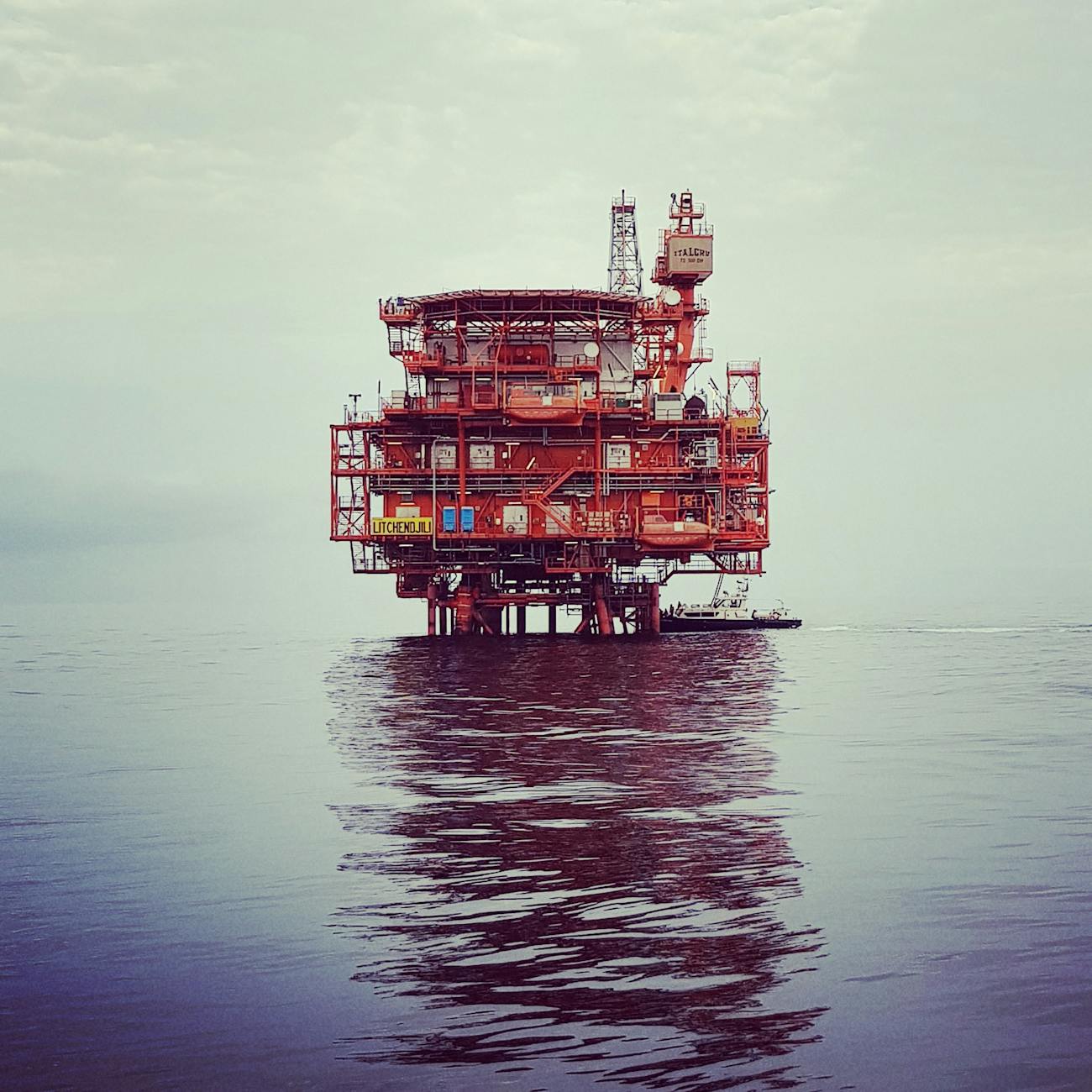
Upstream oil and gas operations financing is a specialized field that deals with the financing of oil and gas exploration, development, and production activities. The following are some key terms and vocabulary related to this field:
1. Upstream oil and gas operations: Upstream oil and gas operations refer to the exploration, development, and production of oil and gas resources. These activities are called "upstream" because they occur upstream in the oil and gas value chain, which also includes midstream (transportation and storage) and downstream (refining, marketing, and distribution) activities. 2. Exploration: Exploration is the process of searching for oil and gas resources. This involves acquiring geological and geophysical data, analyzing it to identify potential reservoirs, and drilling exploration wells to confirm the presence of hydrocarbons. 3. Development: Development is the process of preparing a discovered oil or gas field for production. This involves designing and building production facilities, drilling production wells, and establishing infrastructure for transportation and storage. 4. Production: Production is the process of extracting oil and gas from the ground and preparing it for sale. This involves operating production wells, maintaining production facilities, and monitoring reservoir performance. 5. Financing: Financing refers to the provision of funds to finance upstream oil and gas operations. This can take various forms, including equity financing, debt financing, and project financing. 6. Equity financing: Equity financing involves raising funds by selling ownership stakes in a company or project. This can be done through private placements, initial public offerings (IPOs), or follow-on offerings. 7. Debt financing: Debt financing involves borrowing funds from lenders, such as banks or bond investors. This can be done through various types of debt instruments, such as loans, bonds, or notes. 8. Project financing: Project financing is a specialized form of financing that is used to fund large-scale infrastructure projects, such as oil and gas developments. This involves raising funds from a syndicate of lenders, who provide debt financing based on the cash flows generated by the project. 9. Reserves: Reserves are estimated quantities of oil and gas that can be recovered from known reservoirs under existing economic and operating conditions. Reserves are classified as proved, probable, or possible, based on the level of certainty associated with the estimate. 10. Lifecycle financing: Lifecycle financing is a financing strategy that is tailored to the specific stages of an upstream oil and gas project. This involves raising different types of financing at different stages of the project, based on the specific needs and risks associated with each stage. 11. Risk: Risk refers to the possibility of loss or damage resulting from upstream oil and gas operations. This can include technical risks, such as reservoir performance risk, as well as financial risks, such as market risk or currency risk. 12. Return: Return refers to the financial benefit that is generated by upstream oil and gas operations. This can include cash flows from the sale of oil and gas, as well as tax benefits and other incentives. 13. Fiscal regime: A fiscal regime is a set of rules and regulations that govern the taxation and revenue sharing of upstream oil and gas operations. This can include production sharing contracts (PSCs), concession agreements, and service contracts. 14. Local content: Local content refers to the requirement that upstream oil and gas operations include a certain percentage of local goods, services, and labor. This is intended to promote economic development and create jobs in the host country. 15. ESG: ESG stands for environmental, social, and governance. This refers to a set of standards and practices that are intended to promote sustainable and responsible business practices in upstream oil and gas operations.
Challenges in upstream oil and gas operations financing
Upstream oil and gas operations financing faces several challenges, including:
1. Volatility: The oil and gas industry is subject to significant price volatility, which can make it difficult to secure financing. Lenders and investors may be hesitant to provide financing when prices are low, as the risks associated with the project may be perceived as higher. 2. Uncertainty: Upstream oil and gas operations are inherently uncertain, as the outcome of exploration and development activities is never certain. This uncertainty can make it difficult to predict cash flows and assess the risks associated with a project. 3. Regulation: Upstream oil and gas operations are subject to extensive regulation, which can add costs and complexity to financing arrangements. This includes regulation related to environmental protection, safety, and revenue sharing. 4. Technology: Upstream oil and gas operations require significant investment in technology, including drilling and production equipment, seismic data acquisition and analysis, and reservoir simulation. This technology can be expensive and requires specialized expertise to operate and maintain. 5. Political risk: Upstream oil and gas operations can be subject to political risk, particularly in developing countries. This can include risks related to expropriation, nationalization, or changes in the fiscal regime.
Examples and practical applications
An example of upstream oil and gas operations financing is the Kashagan field in Kazakhstan, which is one of the largest oil discoveries in recent history. The project required an estimated $50 billion in financing, which was provided by a syndicate of lenders, including international banks and export credit agencies. The financing was structured as a project financing arrangement, with debt repayment based on the cash flows generated by the project.
Another example is the development of shale oil and gas resources in the United States. This has required significant investment in technology, including hydraulic fracturing and horizontal drilling. Financing for these projects has come from a combination of equity financing, debt financing, and project financing.
Practical applications of upstream oil and gas operations financing include:
1. Raising capital for exploration and development activities 2. Managing risks associated with upstream oil and gas operations 3. Structuring financing arrangements that are tailored to the specific needs and risks of a project 4. Meeting local content requirements and promoting economic development in the host country 5. Incorporating ESG standards and practices into upstream oil and gas operations
In conclusion, upstream oil and gas operations financing is a complex and specialized field that requires a deep understanding of the industry and its associated risks and challenges. By mastering the key terms and vocabulary related to this field, students in the Graduate Certificate in Upstream Oil and Gas Operations Financing program will be well-positioned to succeed in this exciting and dynamic industry.
Key takeaways
- Upstream oil and gas operations financing is a specialized field that deals with the financing of oil and gas exploration, development, and production activities.
- These activities are called "upstream" because they occur upstream in the oil and gas value chain, which also includes midstream (transportation and storage) and downstream (refining, marketing, and distribution) activities.
- Technology: Upstream oil and gas operations require significant investment in technology, including drilling and production equipment, seismic data acquisition and analysis, and reservoir simulation.
- The project required an estimated $50 billion in financing, which was provided by a syndicate of lenders, including international banks and export credit agencies.
- Financing for these projects has come from a combination of equity financing, debt financing, and project financing.
- Structuring financing arrangements that are tailored to the specific needs and risks of a project 4.
- By mastering the key terms and vocabulary related to this field, students in the Graduate Certificate in Upstream Oil and Gas Operations Financing program will be well-positioned to succeed in this exciting and dynamic industry.