
Spa Therapy Theory and Practice
Spa Therapy Theory and Practice is a crucial course in the Professional Certificate in Spa Management. This course covers various key terms and vocabularies that are essential for anyone who wants to succeed in the spa industry. Here, we wi…
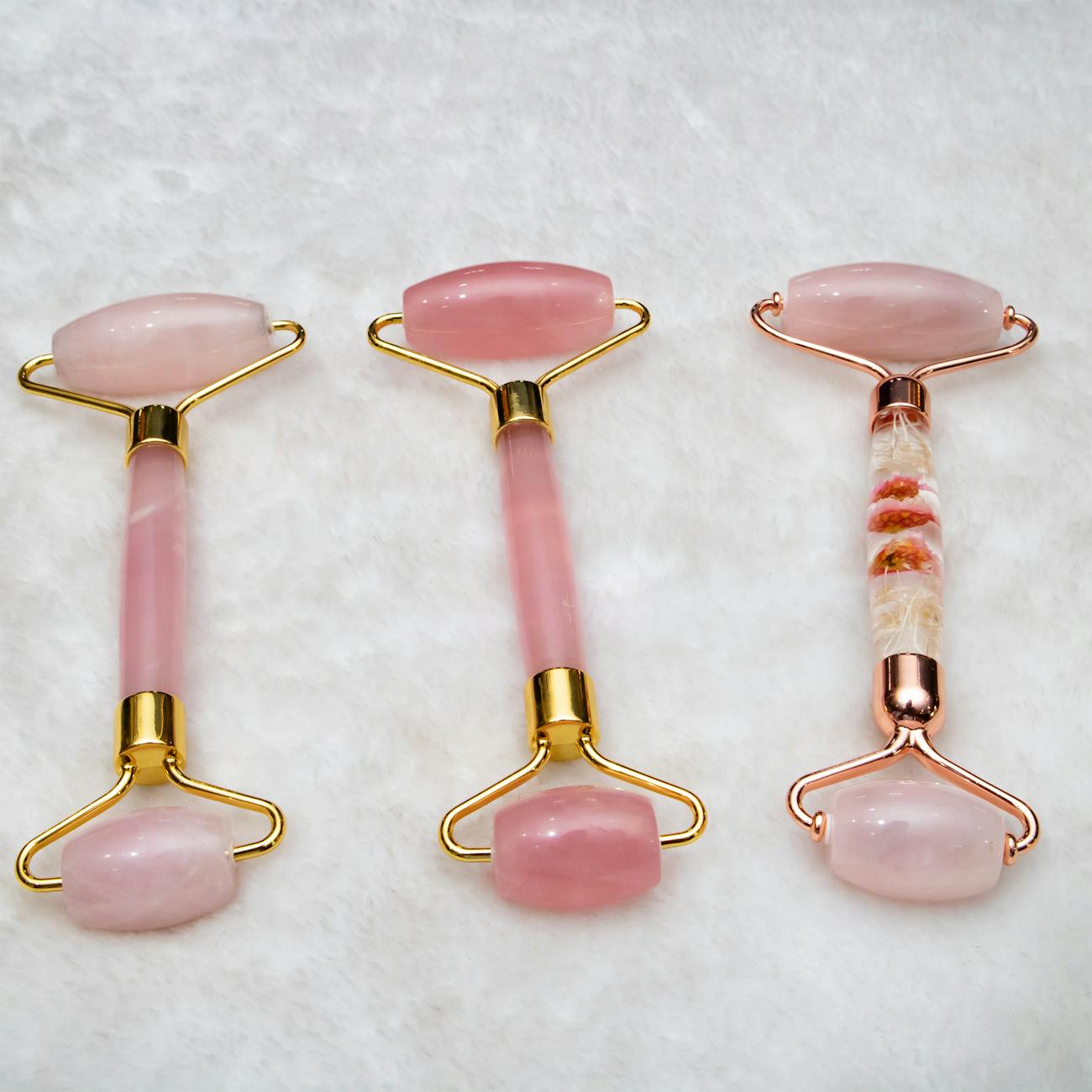
Spa Therapy Theory and Practice is a crucial course in the Professional Certificate in Spa Management. This course covers various key terms and vocabularies that are essential for anyone who wants to succeed in the spa industry. Here, we will explore these terms and concepts in detail, providing examples, practical applications, and challenges to help you understand and apply them in your spa management career.
1. Spa Therapy
Spa therapy refers to the various treatments and services offered in a spa setting, including massages, facials, body treatments, and hydrotherapy. Spa therapy aims to promote relaxation, rejuvenation, and well-being by addressing the physical, mental, and emotional needs of clients.
Example: A hot stone massage is a popular spa therapy that involves the use of heated stones to apply pressure and warmth to the muscles, promoting relaxation and pain relief.
Practical Application: Spa therapists must have a deep understanding of spa therapy techniques and their benefits to provide effective treatments for clients.
Challenge: Identify three spa therapy techniques and research their benefits to expand your knowledge of spa therapy.
2. Hydrotherapy
Hydrotherapy is a type of spa therapy that involves the use of water in various forms, such as hot tubs, steam rooms, and saunas. Hydrotherapy can help to relieve stress, improve circulation, and promote relaxation.
Example: A hot tub can provide hydrotherapy benefits by promoting relaxation, reducing muscle tension, and improving circulation.
Practical Application: Spa managers should ensure that hydrotherapy equipment is properly maintained and that clients are informed of the benefits and risks associated with hydrotherapy.
Challenge: Research different types of hydrotherapy equipment and their benefits to expand your knowledge of hydrotherapy.
3. Aromatherapy
Aromatherapy is a spa therapy that involves the use of essential oils to promote relaxation, reduce stress, and improve mood. Essential oils are extracted from plants and have various therapeutic properties.
Example: Lavender essential oil is commonly used in aromatherapy to promote relaxation and improve sleep.
Practical Application: Spa therapists should be trained in the safe and effective use of essential oils and be able to recommend appropriate oils for clients based on their needs.
Challenge: Identify three essential oils and research their therapeutic properties to expand your knowledge of aromatherapy.
4. Massage Therapy
Massage therapy is a spa therapy that involves the manipulation of muscles and soft tissues to promote relaxation, reduce stress, and improve circulation. There are various types of massage therapy, including Swedish massage, deep tissue massage, and hot stone massage.
Example: Swedish massage is a gentle form of massage that uses long strokes, kneading, and circular movements to promote relaxation and improve circulation.
Practical Application: Spa therapists should be trained in various massage therapy techniques and be able to adapt their approach based on the client's needs and preferences.
Challenge: Identify three types of massage therapy and research their benefits to expand your knowledge of massage therapy.
5. Body Treatments
Body treatments are spa therapies that involve the application of various products, such as scrubs, wraps, and masks, to the skin. Body treatments can help to exfoliate, hydrate, and detoxify the skin, leaving it feeling soft and smooth.
Example: A body scrub is a popular body treatment that involves the use of a scrub made from salt, sugar, or coffee to exfoliate the skin, leaving it feeling soft and smooth.
Practical Application: Spa therapists should be trained in the safe and effective use of body treatment products and be able to recommend appropriate treatments for clients based on their skin type and needs.
Challenge: Identify three body treatment products and research their benefits to expand your knowledge of body treatments.
6. Facial Treatments
Facial treatments are spa therapies that involve the cleansing, exfoliation, and massage of the face and neck. Facial treatments can help to improve the appearance of the skin, reduce fine lines and wrinkles, and promote relaxation.
Example: A facial massage is a popular facial treatment that involves the use of various massage techniques to improve circulation, reduce tension, and promote relaxation.
Practical Application: Spa therapists should be trained in the safe and effective use of facial treatment products and be able to recommend appropriate treatments for clients based on their skin type and needs.
Challenge: Identify three facial treatment techniques and research their benefits to expand your knowledge of facial treatments.
7. Skin Analysis
Skin analysis is the process of examining a client's skin to determine its type and condition. Skin analysis is essential for recommending appropriate spa treatments and products.
Example: A spa therapist may use a magnifying lamp and skin analysis chart to examine a client's skin and determine its type and condition.
Practical Application: Spa therapists should be trained in skin analysis techniques and be able to recommend appropriate spa treatments and products based on the results.
Challenge: Research different skin analysis techniques and their importance in spa therapy.
8. Contraindications
Contraindications are conditions or factors that may make it unsafe for a client to receive certain spa treatments. Spa therapists must be aware of contraindications and take appropriate precautions to ensure the safety of their clients.
Example: Pregnancy is a contraindication for some spa treatments, such as hot stone massages and certain essential oils.
Practical Application: Spa therapists should screen clients for contraindications before providing spa treatments and take appropriate precautions to ensure their safety.
Challenge: Identify three contraindications and research their implications for spa therapy.
9. Sanitation and Hygiene
Sanitation and hygiene are essential in spa therapy to prevent the spread of infection and ensure the safety of clients. Spa therapists must follow strict sanitation and hygiene protocols, including cleaning and disinfecting equipment, washing their hands, and wearing gloves.
Example: A spa therapist may use a hospital-grade disinfectant to clean and disinfect a massage table between clients.
Practical Application: Spa managers should ensure that all spa therapists are trained in sanitation and hygiene protocols and that these protocols are strictly enforced.
Challenge: Research different sanitation and hygiene protocols and their importance in spa therapy.
10. Professionalism
Professionalism is essential in spa therapy to ensure the safety and satisfaction of clients. Spa therapists must be courteous, respectful, and attentive to their clients' needs and preferences.
Example: A spa therapist may greet a client with a warm smile and offer them a beverage before their treatment.
Practical Application: Spa managers should ensure that all spa therapists are trained in professionalism and that this training is reinforced through ongoing feedback and coaching.
Challenge: Identify three aspects of professionalism in spa therapy and research their importance for client satisfaction.
Conclusion
Spa Therapy Theory and Practice is a critical course in the Professional Certificate in Spa Management, covering various key terms and vocabularies essential for anyone who wants to succeed in the spa industry. Understanding these terms and concepts is essential for providing effective spa therapies and ensuring the safety and satisfaction of clients. By expanding your knowledge of spa therapy techniques, products, and protocols, you can enhance your skills as a spa therapist and advance your career in spa management.
Key takeaways
- Here, we will explore these terms and concepts in detail, providing examples, practical applications, and challenges to help you understand and apply them in your spa management career.
- Spa therapy refers to the various treatments and services offered in a spa setting, including massages, facials, body treatments, and hydrotherapy.
- Example: A hot stone massage is a popular spa therapy that involves the use of heated stones to apply pressure and warmth to the muscles, promoting relaxation and pain relief.
- Practical Application: Spa therapists must have a deep understanding of spa therapy techniques and their benefits to provide effective treatments for clients.
- Challenge: Identify three spa therapy techniques and research their benefits to expand your knowledge of spa therapy.
- Hydrotherapy is a type of spa therapy that involves the use of water in various forms, such as hot tubs, steam rooms, and saunas.
- Example: A hot tub can provide hydrotherapy benefits by promoting relaxation, reducing muscle tension, and improving circulation.