
Collaborative Learning and Teamwork
Collaborative learning and teamwork are essential components of the Postgraduate Certificate in Experiential Learning Approaches. These approaches emphasize the importance of working together to construct knowledge, solve problems, and deve…
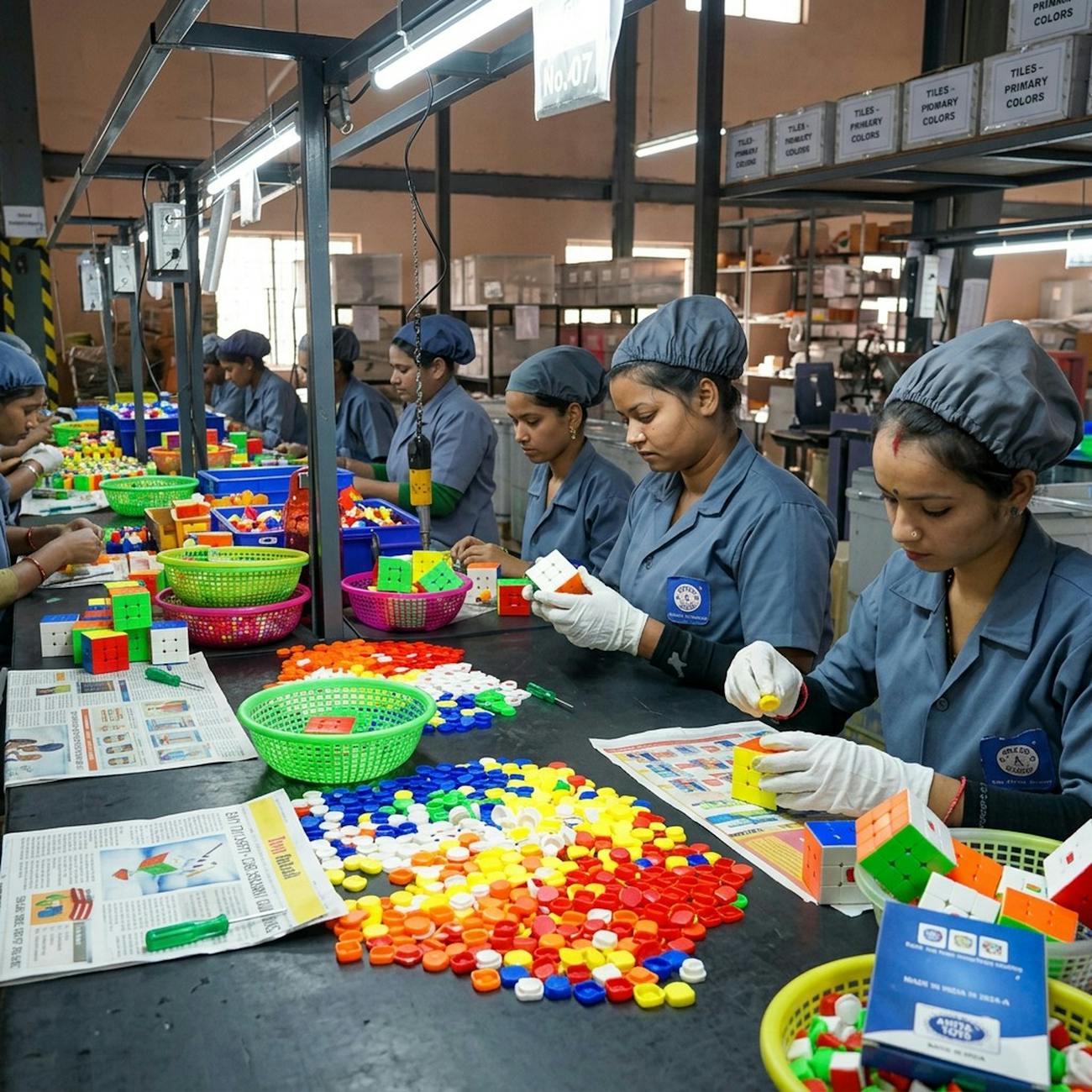
Collaborative learning and teamwork are essential components of the Postgraduate Certificate in Experiential Learning Approaches. These approaches emphasize the importance of working together to construct knowledge, solve problems, and develop skills. In this explanation, we will explore key terms and vocabulary related to collaborative learning and teamwork.
Collaborative Learning: Collaborative learning is a teaching and learning strategy that involves students working together in small groups to complete tasks, solve problems, or create products. This approach emphasizes the importance of social interaction, communication, and cooperation in the learning process. Collaborative learning can take many forms, including:
* Group projects: Students work together in groups to complete a project or create a product. * Peer instruction: Students teach each other, often using interactive techniques such as think-pair-share or reciprocal teaching. * Problem-based learning: Students work together to solve complex, real-world problems.
Teamwork: Teamwork is the process of working together to achieve a common goal. In the context of experiential learning approaches, teamwork involves collaborating with others to complete tasks, solve problems, and develop skills. Effective teamwork requires:
* Clear communication: Team members must be able to communicate effectively with each other, sharing ideas, giving and receiving feedback, and making decisions. * Trust and respect: Team members must trust and respect each other, recognizing and valuing each other's strengths and contributions. * Shared responsibility: Team members must share responsibility for achieving the team's goals, taking ownership of tasks and contributing equally.
Collaborative Learning and Teamwork Skills: Collaborative learning and teamwork require a range of skills, including:
* Communication skills: The ability to communicate effectively with others, both verbally and in writing. * Interpersonal skills: The ability to build relationships, work effectively with others, and manage conflict. * Problem-solving skills: The ability to identify and analyze problems, generate solutions, and make decisions. * Leadership skills: The ability to take charge, motivate others, and delegate tasks. * Time management skills: The ability to manage time effectively, prioritize tasks, and meet deadlines.
Challenges of Collaborative Learning and Teamwork: Collaborative learning and teamwork can be challenging, as they require students to work together and depend on each other. Some common challenges include:
* Free-riders: Students who do not contribute equally to the group's work, relying on others to do the work for them. * Groupthink: The tendency for group members to conform to the majority opinion, suppressing dissenting views. * Communication breakdowns: Misunderstandings, misinterpretations, and conflicts that arise from poor communication. * Unequal participation: Some group members may dominate the conversation, while others may remain silent.
Examples of Collaborative Learning and Teamwork: Collaborative learning and teamwork can be applied in many contexts, including:
* Business: Teams of employees work together to develop new products, solve problems, and improve processes. * Education: Students work together in groups to complete projects, share ideas, and learn from each other. * Healthcare: Healthcare professionals work together in teams to diagnose and treat patients, share knowledge and expertise, and improve patient outcomes. * Science: Scientists work together in teams to conduct research, analyze data, and publish findings.
Practical Applications: Collaborative learning and teamwork can be applied in many practical ways, including:
* Group brainstorming: Teams can use brainstorming techniques to generate ideas, solve problems, and make decisions. * Peer review: Team members can review each other's work, providing feedback and suggestions for improvement. * Role-playing: Teams can use role-playing techniques to simulate real-world scenarios, practice skills, and develop expertise. * Collaborative writing: Teams can work together to write reports, proposals, and other documents, sharing ideas and expertise.
Conclusion: Collaborative learning and teamwork are essential components of the Postgraduate Certificate in Experiential Learning Approaches. These approaches emphasize the importance of working together to construct knowledge, solve problems, and develop skills. Collaborative learning and teamwork require a range of skills, including communication, interpersonal, problem-solving, leadership, and time management skills. Effective collaborative learning and teamwork require clear communication, trust and respect, and shared responsibility. Despite the challenges, collaborative learning and teamwork can be applied in many practical ways, leading to improved outcomes, innovation, and expertise.
Key takeaways
- Collaborative learning and teamwork are essential components of the Postgraduate Certificate in Experiential Learning Approaches.
- Collaborative Learning: Collaborative learning is a teaching and learning strategy that involves students working together in small groups to complete tasks, solve problems, or create products.
- * Peer instruction: Students teach each other, often using interactive techniques such as think-pair-share or reciprocal teaching.
- In the context of experiential learning approaches, teamwork involves collaborating with others to complete tasks, solve problems, and develop skills.
- * Clear communication: Team members must be able to communicate effectively with each other, sharing ideas, giving and receiving feedback, and making decisions.
- * Problem-solving skills: The ability to identify and analyze problems, generate solutions, and make decisions.
- Challenges of Collaborative Learning and Teamwork: Collaborative learning and teamwork can be challenging, as they require students to work together and depend on each other.