
Professional Packaging and Presentation
Professional Packaging and Presentation
Professional Packaging and Presentation
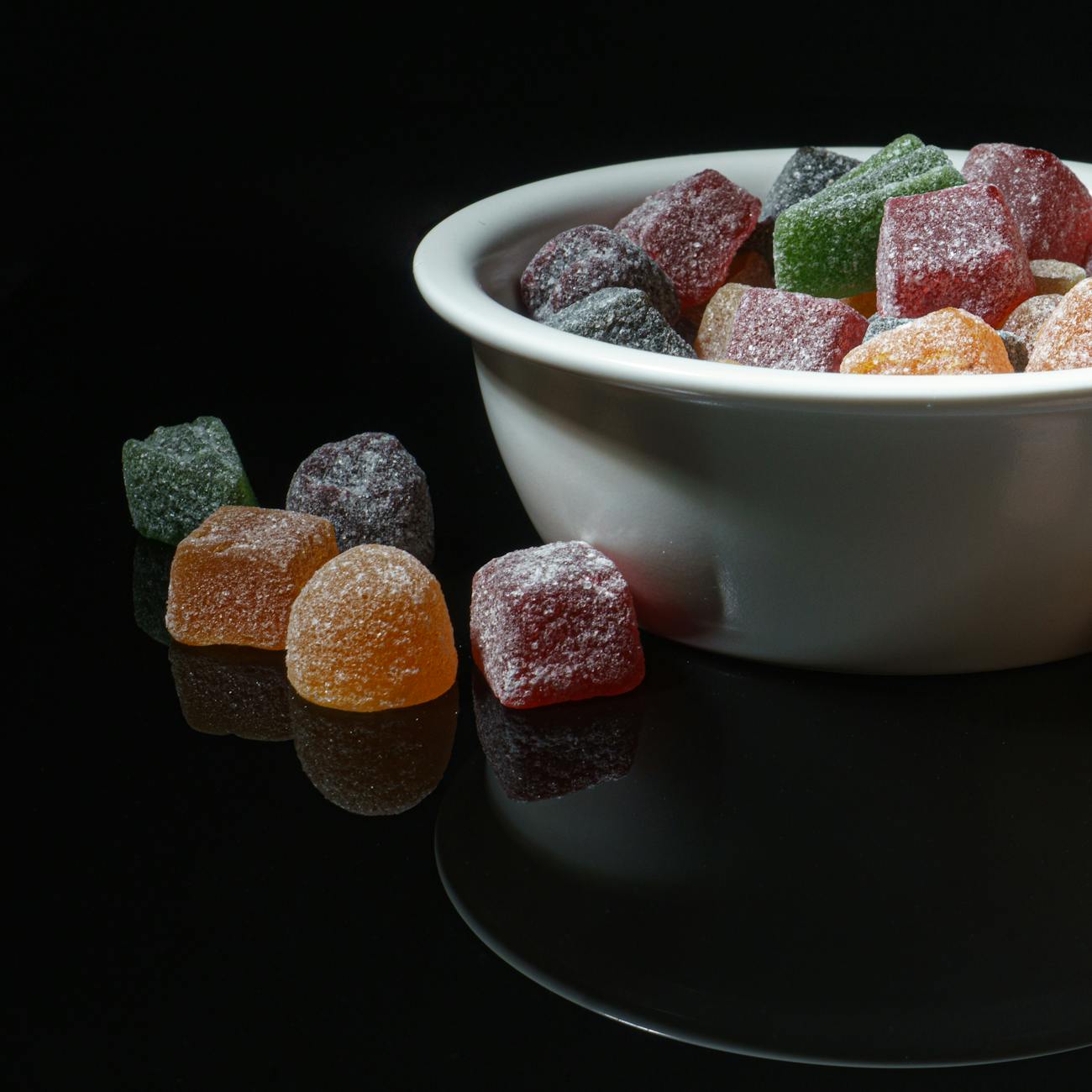
Professional packaging and presentation are crucial aspects of the candy making business. In a competitive market where visual appeal plays a significant role in consumer decision-making, packaging and presentation can make or break a product's success. This course on Professional Certificate in Candy Making will delve into the key terms and vocabulary associated with professional packaging and presentation to equip you with the necessary knowledge and skills to create visually appealing candy products that stand out in the market.
Key Terms and Vocabulary
1. Branding: Branding is the process of creating a unique identity for your candy products through the use of logos, colors, and other visual elements. A strong brand can help differentiate your products from competitors and build customer loyalty.
2. Labeling: Labeling refers to the information displayed on the packaging of your candy products. This includes ingredients, nutritional information, allergen warnings, and other important details that consumers need to know before making a purchase.
3. Shrink Wrap: Shrink wrap is a type of packaging material that shrinks when heat is applied, creating a tight seal around the candy products. This is commonly used to protect individual pieces or small batches of candy.
4. Display Box: A display box is a container used to showcase multiple candy products in a retail setting. These boxes are designed to attract customers' attention and encourage impulse purchases.
5. Gift Packaging: Gift packaging refers to special containers or boxes used to package candy products for gifting purposes. These packages are often decorative and can include ribbons, bows, and other embellishments to enhance the gift-giving experience.
6. Point of Purchase (POP) Displays: POP displays are promotional materials placed near the checkout counter or other high-traffic areas in a store to attract customers' attention and encourage last-minute purchases. These displays can include signage, samples, or special offers to entice shoppers.
7. Embossing: Embossing is a printing technique that creates a raised design or pattern on the surface of the packaging material. This adds a tactile element to the packaging and can enhance the overall visual appeal of the product.
8. Foil Wrapping: Foil wrapping is a type of packaging material made from thin sheets of metal foil. This material is often used to wrap individual candy pieces, providing a shiny and luxurious appearance that appeals to customers.
9. Shelf Life: Shelf life refers to the length of time that a candy product can be stored before it starts to deteriorate in quality. Understanding the shelf life of your products is essential for proper packaging and labeling to ensure consumer safety and satisfaction.
10. Transparency: Transparency in packaging refers to the ability to see the product inside the packaging. Clear or transparent packaging can be appealing to consumers as it allows them to see the quality of the product before making a purchase.
11. Sealing Techniques: Sealing techniques are methods used to securely close and seal the packaging of candy products. This can include heat sealing, adhesive sealing, or other specialized techniques to protect the product from contamination and maintain freshness.
12. Sustainable Packaging: Sustainable packaging refers to environmentally friendly packaging materials that minimize waste and reduce the product's carbon footprint. This can include biodegradable materials, recyclable packaging, or reusable containers to promote eco-friendly practices.
13. Color Theory: Color theory is the study of how colors can evoke emotional responses and influence consumer behavior. Understanding color psychology can help you choose the right color scheme for your packaging to create a visually appealing and cohesive brand image.
14. UV Coating: UV coating is a finishing technique that applies a clear coating to the packaging material and cures it with ultraviolet light. This creates a glossy and durable finish that enhances the visual appeal and protection of the packaging.
15. Die-Cutting: Die-cutting is a manufacturing process that uses a custom-shaped die to cut out specific shapes or designs from the packaging material. This technique allows for intricate and unique packaging designs that can help your products stand out on the shelves.
16. Embossing: Embossing is a printing technique that creates a raised design or pattern on the surface of the packaging material. This adds a tactile element to the packaging and can enhance the overall visual appeal of the product.
17. Mockups: Mockups are physical or digital models of the packaging design that simulate the final product. These mockups allow you to visualize the packaging layout, colors, and graphics before production to make any necessary adjustments.
18. Typography: Typography refers to the style and arrangement of text on the packaging. Choosing the right fonts, sizes, and spacing can have a significant impact on the readability and overall aesthetic of the packaging design.
19. Call to Action (CTA): A call to action is a marketing message that prompts the consumer to take a specific action, such as making a purchase or visiting a website. Including a strong CTA on your packaging can help drive sales and engage customers.
20. Batch Coding: Batch coding is the process of assigning a unique code to each batch of candy products for quality control and traceability purposes. This code helps track the product's manufacturing date, ingredients, and other relevant information in case of any issues or recalls.
Practical Applications
Now that you have a better understanding of the key terms and vocabulary related to professional packaging and presentation, let's explore some practical applications of these concepts in the candy making industry:
1. Branding and Packaging Design: When creating a new candy product, consider how you can use branding elements like logos, colors, and graphics to make your product visually distinctive. Develop a packaging design that reflects your brand identity and appeals to your target audience.
2. Labeling Compliance: Ensure that your packaging includes all necessary labeling information required by law, such as ingredients, allergen warnings, and nutritional facts. Prioritize consumer safety and transparency by providing accurate and detailed information on your packaging.
3. Shelf Placement and POP Displays: Work with retailers to secure prime shelf placement for your candy products and consider using eye-catching POP displays to attract customers' attention. Create a visually appealing display that highlights your products and encourages impulse purchases.
4. Gift Packaging and Seasonal Promotions: Offer special gift packaging options for holidays or special occasions to cater to customers looking for unique gifting ideas. Create limited-edition packaging designs or themed promotions to drive sales and create a sense of exclusivity.
5. Sustainable Packaging Practices: Explore eco-friendly packaging options such as biodegradable materials, recyclable packaging, or reusable containers to reduce waste and appeal to environmentally conscious consumers. Communicate your commitment to sustainability through your packaging choices.
6. Color Psychology and Visual Merchandising: Use color theory principles to create a cohesive color scheme for your packaging that resonates with your brand values and target audience. Consider how different colors can evoke emotions and influence purchasing decisions in your packaging design.
7. Quality Control and Batch Coding: Implement rigorous quality control measures in your manufacturing process, including batch coding each product for traceability. This allows you to track and monitor the production of your candy products and respond quickly to any quality issues that may arise.
Challenges and Considerations
While professional packaging and presentation offer numerous benefits for your candy making business, there are also challenges and considerations to keep in mind:
1. Cost Constraints: Developing high-quality packaging designs and materials can be expensive, especially for small businesses with limited budgets. Consider cost-effective options that still maintain the visual appeal and quality of your packaging.
2. Regulatory Compliance: Stay informed about the latest regulations and requirements for food packaging to ensure that your products meet all legal standards. Failure to comply with labeling or safety regulations can result in fines or product recalls that damage your brand reputation.
3. Market Competition: The candy industry is highly competitive, with many brands vying for consumer attention. To stand out in the market, you must create packaging designs that are unique, memorable, and visually appealing to capture customers' interest.
4. Consumer Preferences: Keep abreast of changing consumer preferences and trends in packaging design to stay relevant and appealing to your target audience. Conduct market research and gather feedback from customers to understand what resonates with them and adjust your packaging strategy accordingly.
5. Environmental Impact: As consumer awareness of environmental issues grows, there is a greater demand for sustainable packaging solutions in the market. Consider the environmental impact of your packaging choices and explore eco-friendly alternatives to align with consumer values and reduce your carbon footprint.
6. Technology and Innovation: Embrace technological advancements in packaging design and production to stay ahead of the competition. Explore new printing techniques, materials, and finishing options to create innovative and eye-catching packaging that sets your products apart from others.
7. Supply Chain Management: Ensure a reliable supply chain for your packaging materials to avoid delays or disruptions in production. Work closely with suppliers to maintain quality standards and meet production deadlines to deliver your candy products to market on time.
By understanding the key terms and vocabulary related to professional packaging and presentation in the candy making industry, you can enhance the visual appeal, quality, and marketability of your products. Incorporate these concepts into your packaging strategy to create a memorable brand identity, attract customers' attention, and drive sales in a competitive market.
Key takeaways
- In a competitive market where visual appeal plays a significant role in consumer decision-making, packaging and presentation can make or break a product's success.
- Branding: Branding is the process of creating a unique identity for your candy products through the use of logos, colors, and other visual elements.
- This includes ingredients, nutritional information, allergen warnings, and other important details that consumers need to know before making a purchase.
- Shrink Wrap: Shrink wrap is a type of packaging material that shrinks when heat is applied, creating a tight seal around the candy products.
- Display Box: A display box is a container used to showcase multiple candy products in a retail setting.
- These packages are often decorative and can include ribbons, bows, and other embellishments to enhance the gift-giving experience.
- Point of Purchase (POP) Displays: POP displays are promotional materials placed near the checkout counter or other high-traffic areas in a store to attract customers' attention and encourage last-minute purchases.