
Safeguarding and Child Protection in Education
Safeguarding and Child Protection in Education is a critical aspect of the Professional Certificate in Education Law in the United Kingdom, and it is essential to understand the key terms and vocabulary associated with this field. The safeg…
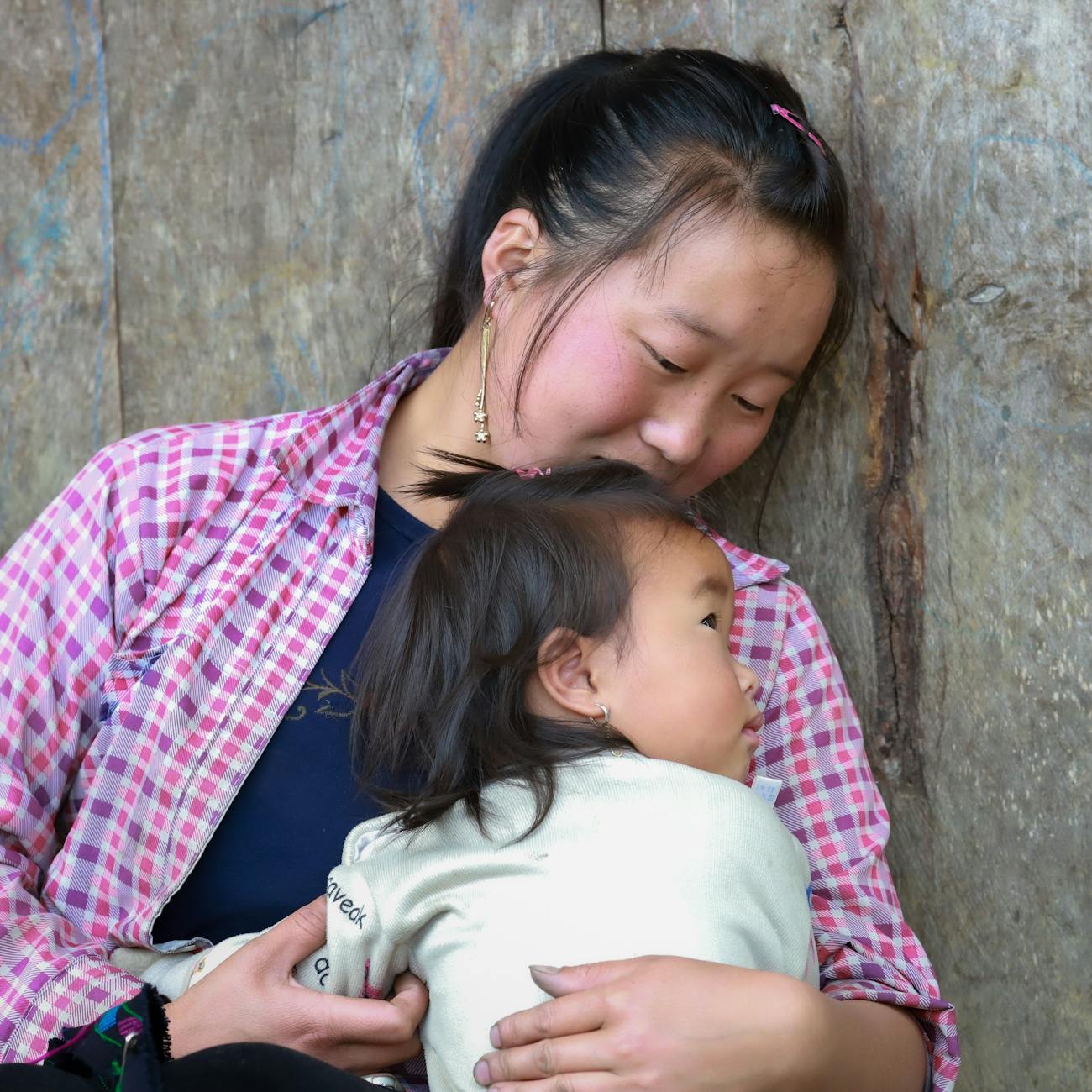
Safeguarding and Child Protection in Education is a critical aspect of the Professional Certificate in Education Law in the United Kingdom, and it is essential to understand the key terms and vocabulary associated with this field. The safeguarding of children and young people is a term that refers to the actions taken to promote their welfare and protect them from harm. This includes ensuring that children are safe from abuse, neglect, and other forms of harm, as well as providing them with the support and care they need to thrive.
In the context of education, safeguarding is not just about protecting children from harm, but also about creating a safe and supportive learning environment that allows them to reach their full potential. This includes providing children with access to education and other opportunities that can help them develop their skills and abilities, as well as supporting their physical and emotional well-being.
Child Protection is a specific aspect of safeguarding that refers to the actions taken to protect children from abuse and neglect. This includes identifying children who may be at risk of harm, taking steps to prevent harm from occurring, and responding to allegations of abuse or neglect in a timely and effective manner. Child Protection is a critical aspect of safeguarding, as it helps to ensure that children are safe from harm and that they receive the support and care they need to thrive.
One of the key legislations that underpin safeguarding and child protection in education is the Children Act 1989. This Act provides a framework for safeguarding and child protection, and it sets out the duties and responsibilities of local authorities, schools, and other organizations that work with children. The Act also establishes the concept of significant harm, which refers to harm that is so serious that it warrants intervention by social services or other agencies.
Another key legislation that underpins safeguarding and child protection in education is the Children Act 2004. This Act provides a framework for inter-agency working, and it sets out the duties and responsibilities of different agencies that work with children. The Act also establishes the concept of every child matters, which refers to the idea that every child deserves to be safe, healthy, and successful.
In addition to these legislations, there are also several guidelines and protocols that provide guidance on safeguarding and child protection in education. These include the safeguarding policy and the child protection policy, which are typically developed by schools and other organizations that work with children. These policies provide a framework for safeguarding and child protection, and they set out the procedures that should be followed in the event of an allegation of abuse or neglect.
Safeguarding and child protection in education also involve identifying children who may be at risk of harm. This includes identifying children who may be experiencing abuse or neglect, as well as children who may be at risk of radicalization or other forms of harm. Identifying children who may be at risk of harm is critical, as it allows schools and other organizations to take steps to prevent harm from occurring.
Once a child has been identified as being at risk of harm, it is essential to take steps to assess their situation and provide them with the support and care they need. This includes conducting a risk assessment, which involves identifying the risks and vulnerabilities that the child may be facing, as well as developing a safeguarding plan that sets out the steps that will be taken to protect the child.
Safeguarding and child protection in education also involve reporting allegations of abuse or neglect. This includes reporting allegations to social services or other agencies, as well as taking steps to ensure that the child is safe and that the allegation is investigated in a timely and effective manner.
In addition to these steps, safeguarding and child protection in education also involve training and support for staff. This includes providing staff with the training and resources they need to identify and respond to safeguarding concerns, as well as supporting them in their role as safeguarding leads or designated safeguarding officers.
Safeguarding and child protection in education are complex and challenging issues, and they require a multi-agency approach. This includes working with social services, police, health services, and other agencies to identify and respond to safeguarding concerns. It also includes working with parents and carers to provide them with the support and guidance they need to keep their children safe.
One of the key challenges of safeguarding and child protection in education is balancing the need to protect children with the need to respect their rights and autonomy. This includes balancing the need to intervene in situations where children may be at risk of harm with the need to respect their privacy and confidentiality.
Another challenge of safeguarding and child protection in education is managing the risks and vulnerabilities that children may face. This includes managing the risks associated with bullying, cyberbullying, and other forms of harassment, as well as managing the risks associated with radicalization and other forms of extremism.
Safeguarding and child protection in education also involve monitoring and reviewing safeguarding arrangements on a regular basis. This includes monitoring and reviewing safeguarding policies and procedures, as well as monitoring and reviewing the training and support provided to staff.
In addition to these challenges, safeguarding and child protection in education also involve working with vulnerable children, including children who have special educational needs or disabilities. This includes providing these children with the support and care they need to thrive, as well as taking steps to prevent them from being excluded or marginalized.
Safeguarding and child protection in education are critical aspects of the Professional Certificate in Education Law in the United Kingdom, and they require a comprehensive understanding of the key terms and vocabulary associated with this field. This includes understanding the legislations, guidelines, and protocols that underpin safeguarding and child protection, as well as the challenges and complexities involved in identifying and responding to safeguarding concerns.
By understanding these key terms and vocabulary, educators and other professionals who work with children can provide them with the support and care they need to thrive, while also taking steps to prevent them from being harmed or abused. This includes providing children with access to education and other opportunities that can help them develop their skills and abilities, as well as supporting their physical and emotional well-being.
Safeguarding and child protection in education are not just about protecting children from harm, but also about creating a safe and supportive learning environment that allows them to reach their full potential. This includes providing children with access to resources and services that can help them thrive, as well as taking steps to prevent them from being excluded or marginalized.
In order to provide children with the support and care they need, educators and other professionals who work with children must be aware of the signs and symptoms of abuse and neglect. This includes being aware of the physical and behavioral indicators of abuse and neglect, as well as being aware of the em
Key takeaways
- Safeguarding and Child Protection in Education is a critical aspect of the Professional Certificate in Education Law in the United Kingdom, and it is essential to understand the key terms and vocabulary associated with this field.
- This includes providing children with access to education and other opportunities that can help them develop their skills and abilities, as well as supporting their physical and emotional well-being.
- This includes identifying children who may be at risk of harm, taking steps to prevent harm from occurring, and responding to allegations of abuse or neglect in a timely and effective manner.
- This Act provides a framework for safeguarding and child protection, and it sets out the duties and responsibilities of local authorities, schools, and other organizations that work with children.
- This Act provides a framework for inter-agency working, and it sets out the duties and responsibilities of different agencies that work with children.
- These policies provide a framework for safeguarding and child protection, and they set out the procedures that should be followed in the event of an allegation of abuse or neglect.
- This includes identifying children who may be experiencing abuse or neglect, as well as children who may be at risk of radicalization or other forms of harm.