
Music Production Techniques
Music Production Techniques: Key Terms and Vocabulary
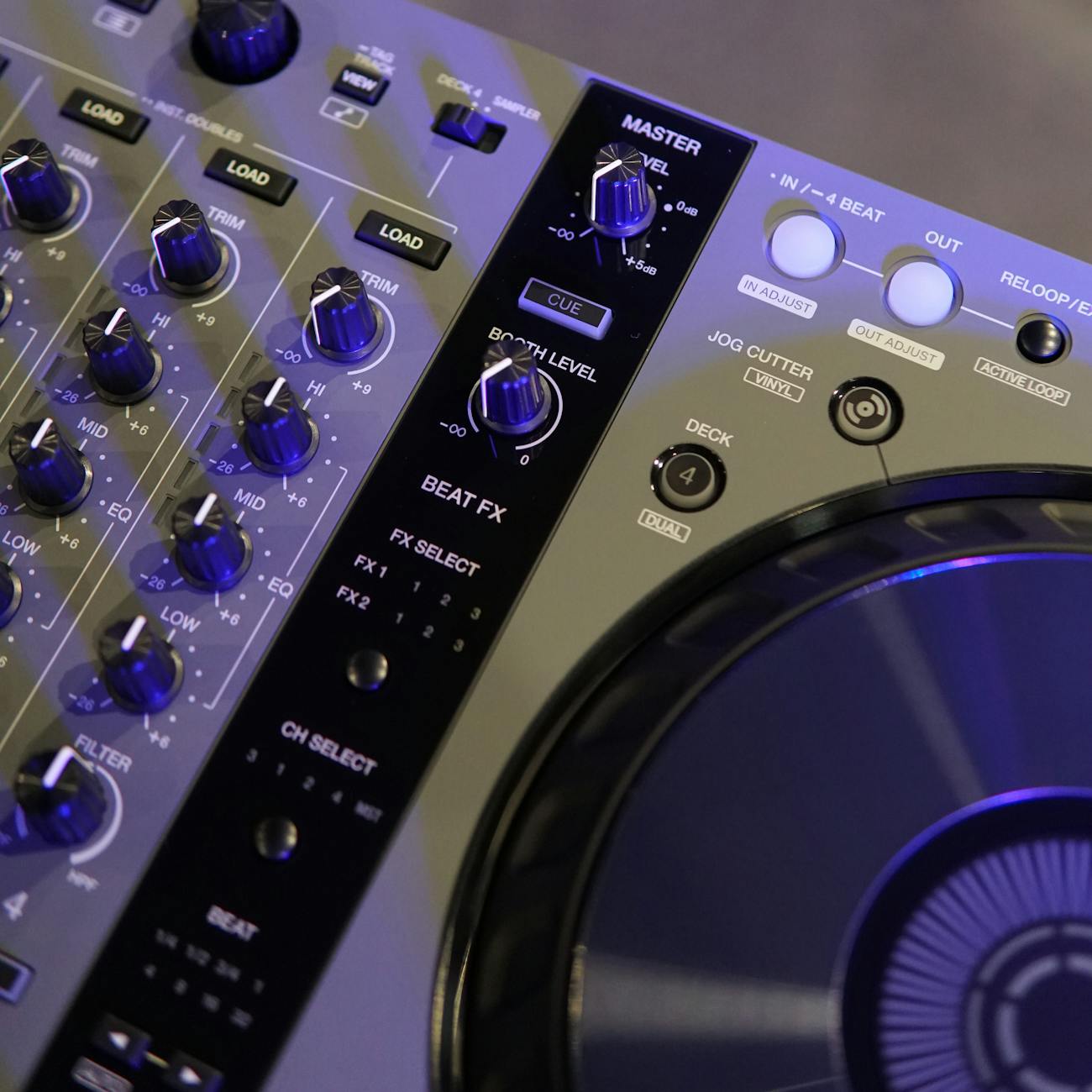
Music Production Techniques: Key Terms and Vocabulary
1. Digital Audio Workstation (DAW) A Digital Audio Workstation is a software application that enables the creation, recording, editing, and production of digital audio. It serves as a central hub for music production, integrating various tools and functionalities required to produce professional-quality music. Some popular DAWs include Ableton Live, Logic Pro, FL Studio, and Pro Tools. 2. MIDI (Musical Instrument Digital Interface) MIDI is a protocol that allows electronic musical instruments, computers, and other devices to communicate and exchange information. It enables musicians to control and automate various aspects of music production, such as note input, pitch, velocity, and controller messages. MIDI data does not contain audio, but rather describes the performance and control of musical instruments. 3. Audio Interface An audio interface is a device that connects musical instruments, microphones, and other audio sources to a computer. It facilitates the conversion of analog audio signals to digital format, allowing for high-quality recording and playback of audio. Audio interfaces often include various input and output options, preamps, and monitoring controls. 4. Sampling Sampling is a technique used in music production where a portion of a sound recording is captured and reused as a discrete audio event or building block in a new piece of music. Samples can be manipulated in various ways, such as changing pitch, tempo, or applying effects, to create new sounds and textures. 5. Virtual Instruments (VSTs, AU, AAX) Virtual instruments are software-based synthesizers, drum machines, samplers, and other musical instruments that can be integrated into a DAW. They generate audio based on MIDI input, allowing producers to create and manipulate a wide range of sounds and timbres. Popular virtual instrument formats include VST, AU, and AAX. 6. Synthesis Synthesis is the process of generating and manipulating electronic sounds using various techniques and algorithms. It involves creating and shaping waveforms, applying filters, envelopes, and modulation to generate a wide range of timbres and textures. Synthesizers can be hardware-based or software-based (virtual instruments). 7. Effects Processing (EQ, Compression, Reverb, Delay) Effects processing involves applying various audio processing techniques to enhance, modify, or alter the sound of recorded audio or virtual instruments. Common effects include equalization (EQ), compression, reverb, and delay. These tools allow producers to shape the tonal balance, dynamic range, and spatial character of their productions. 8. Mixing Mixing is the process of blending multiple audio tracks into a cohesive whole, balancing levels, panning, and applying effects to create a polished, professional-sounding final product. Mixing involves adjusting individual track levels, applying equalization, compression, and other effects, and ensuring that the various elements of a production work together harmoniously. 9. Mastering Mastering is the final stage of music production, involving the preparation of a final mix for distribution and playback on various platforms and systems. It involves applying equalization, compression, limiting, and other processing techniques to ensure consistent loudness, clarity, and tonal balance across an entire album or collection of tracks. 10. Workflow Workflow refers to the series of steps and processes involved in music production, from initial composition and arrangement to mixing and mastering. Establishing an efficient workflow can help producers stay organized, focused, and productive, reducing frustration and improving overall creativity and output. 11. Automation Automation in music production involves the use of software tools to control and automate various aspects of a production, such as track levels, effects parameters, and virtual instrument settings. Automation allows producers to create complex, dynamic, and expressive performances and arrangements, without requiring manual intervention during playback. 12. Sampling Rate and Bit Depth Sampling rate and bit depth are key parameters that determine the quality and fidelity of digital audio recordings. Sampling rate refers to the number of audio samples captured per second, while bit depth refers to the resolution of each sample. Higher sampling rates and bit depths result in higher-quality recordings but require more storage space and processing power. 13. Audio Formats (WAV, AIFF, MP3, FLAC) Different audio formats serve various purposes and offer different trade-offs in terms of quality, file size, and compatibility. Lossless formats, such as WAV and AIFF, offer high-quality audio but result in large file sizes, while compressed formats, such as MP3 and FLAC, offer reduced file sizes at the expense of some audio quality. 14. Audio Plugins Audio plugins are software modules that can be integrated into a DAW to provide additional functionality, such as effects processing, synthesis, or analysis tools. Popular plugin formats include VST, AU, and AAX, and there are thousands of third-party plugins available, offering a wide range of creative possibilities and workflow enhancements. 15. Loudness War The loudness war refers to the ongoing trend in music production towards increasingly loud and compressed mastered recordings. This phenomenon can result in reduced dynamic range, increased distortion, and listener fatigue, and has been the subject of much debate and criticism within the music industry.
Practical Applications and Challenges:
* Experiment with different DAWs and virtual instruments to find the tools that best suit your creative style and workflow. * Explore the use of audio effects processing to enhance and manipulate your productions, and learn how to apply automation to create dynamic and expressive performances. * Develop an efficient and organized workflow, using project templates, naming conventions, and folder structures to streamline your production process. * Understand the key concepts of audio quality, such as sampling rate, bit depth, and audio formats, and learn how to optimize your recordings for different distribution channels and platforms. * Stay up-to-date with the latest trends and developments in music production techniques, and continue to explore new tools and workflows to expand your creative possibilities.
In conclusion, a solid understanding of key terms and vocabulary in music production techniques is essential for anyone looking to produce professional-quality music. From the basics of digital audio workstations and MIDI to the nuances of mixing, mastering, and workflow, this glossary provides a comprehensive overview of the concepts and tools used in modern music production. By mastering these techniques and continuing to explore new creative possibilities, you can unlock your full potential as a music producer and achieve your artistic vision.
Key takeaways
- Automation Automation in music production involves the use of software tools to control and automate various aspects of a production, such as track levels, effects parameters, and virtual instrument settings.
- * Understand the key concepts of audio quality, such as sampling rate, bit depth, and audio formats, and learn how to optimize your recordings for different distribution channels and platforms.
- From the basics of digital audio workstations and MIDI to the nuances of mixing, mastering, and workflow, this glossary provides a comprehensive overview of the concepts and tools used in modern music production.