
Administrative Support Techniques
Administrative Support Techniques are essential skills for administrative assistants to perform their duties efficiently and effectively. In this explanation, we will discuss key terms and vocabulary related to administrative support techni…
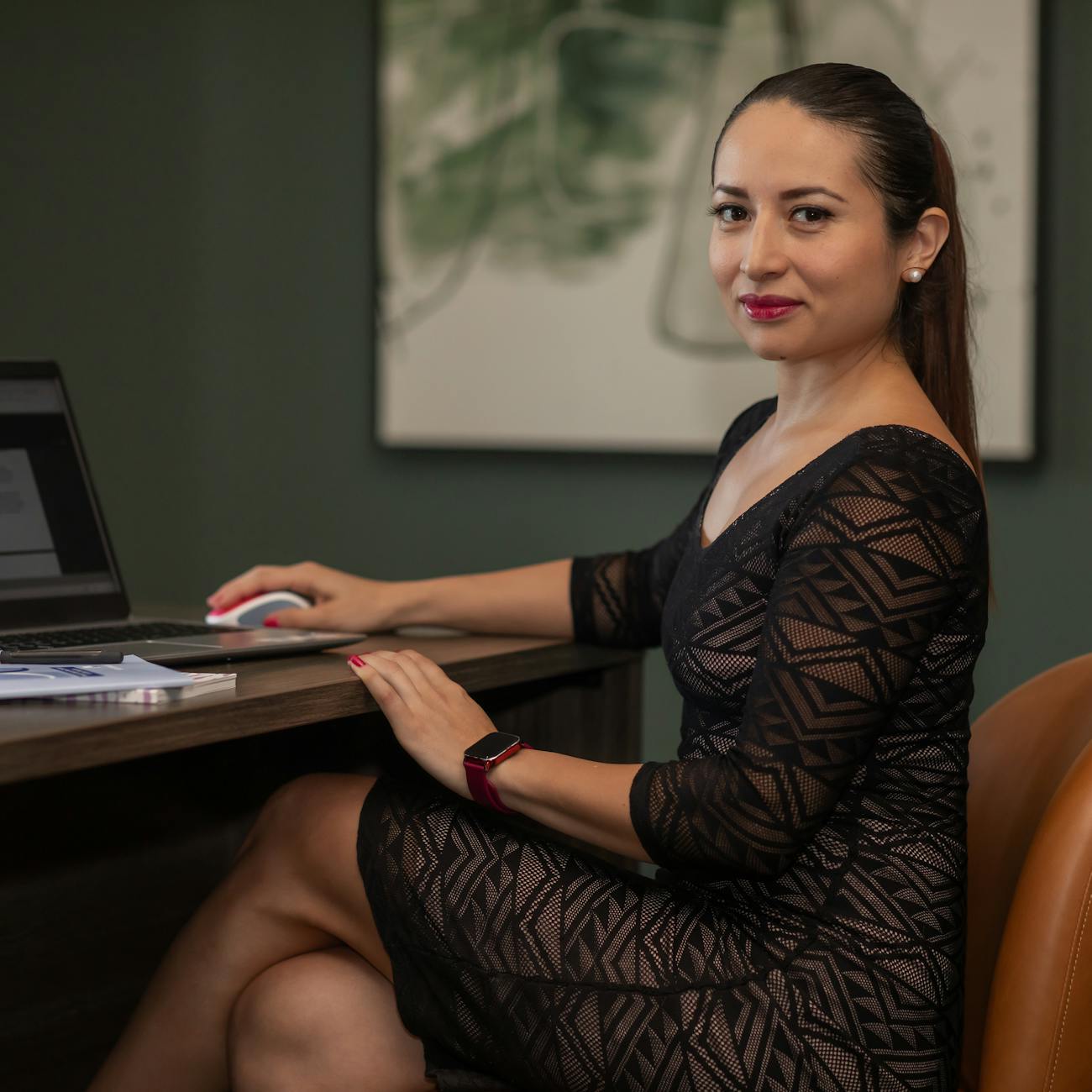
Administrative Support Techniques are essential skills for administrative assistants to perform their duties efficiently and effectively. In this explanation, we will discuss key terms and vocabulary related to administrative support techniques in the context of an Administrative Assistant Certificate course.
1. Administrative Assistants: Individuals who provide administrative support to managers, executives, and other professionals in an organization. They perform various administrative tasks, such as scheduling appointments, answering phone calls, managing emails, and preparing reports.
Example: Mary is an administrative assistant who supports the sales team in a software company. She schedules meetings, responds to emails, and prepares sales reports for the team.
2. Administrative Support Techniques: The skills and techniques used by administrative assistants to perform their duties effectively. These techniques include time management, communication, organization, and technology skills.
Example: Jane is an administrative assistant who uses effective time management techniques to prioritize her tasks and meet deadlines.
3. Time Management: The ability to plan and organize tasks to make the best use of time. Administrative assistants use time management techniques to prioritize tasks, set goals, and avoid procrastination.
Example: John is an administrative assistant who uses a to-do list to manage his tasks and prioritize them based on their urgency and importance.
4. Communication Skills: The ability to exchange information and ideas effectively with others. Administrative assistants need excellent communication skills to interact with colleagues, managers, and external stakeholders.
Example: Sarah is an administrative assistant who communicates effectively with her colleagues by using active listening skills and clear and concise language.
5. Organization Skills: The ability to arrange things in a systematic and efficient manner. Administrative assistants need excellent organization skills to manage files, documents, and other resources effectively.
Example: Mark is an administrative assistant who organizes his files and documents in a logical and easy-to-find manner, saving him time and reducing errors.
6. Technology Skills: The ability to use various software applications and tools to perform administrative tasks. Administrative assistants need excellent technology skills to manage emails, schedule appointments, and prepare reports.
Example: Lisa is an administrative assistant who uses Microsoft Office Suite to create reports, manage schedules, and communicate with colleagues.
7. Workflow Management: The process of organizing and managing tasks and work processes to improve efficiency and productivity. Administrative assistants use workflow management techniques to streamline tasks, reduce errors, and meet deadlines.
Example: Emily is an administrative assistant who uses workflow management techniques to automate repetitive tasks, such as scheduling appointments and managing emails.
8. Business Writing: The ability to write clear and concise documents that convey information and ideas effectively. Administrative assistants need excellent business writing skills to prepare reports, memos, and other documents.
Example: David is an administrative assistant who uses business writing techniques to prepare clear and concise reports that his manager can easily understand.
9. Meeting Management: The process of planning, organizing, and conducting meetings effectively. Administrative assistants need excellent meeting management skills to schedule meetings, prepare agendas, and take minutes.
Example: Karen is an administrative assistant who uses meeting management techniques to prepare agendas, take minutes, and follow up on action items.
10. Customer Service: The ability to provide excellent service to customers, both internal and external. Administrative assistants need excellent customer service skills to handle inquiries, complaints, and other requests from customers.
Example: Michael is an administrative assistant who uses customer service techniques to handle customer inquiries promptly and professionally, resulting in high customer satisfaction.
Challenges:
* Learning and applying new technology skills can be challenging for some administrative assistants. * Managing competing priorities and deadlines can be stressful and require excellent time management skills. * Communicating effectively with colleagues, managers, and external stakeholders can be challenging, especially in a multicultural environment. * Organizing and managing large volumes of files, documents, and other resources can be time-consuming and require excellent organization skills.
Practical Applications:
* Administrative assistants can use time management techniques to prioritize tasks, set goals, and avoid procrastination. * Effective communication skills can help administrative assistants build positive relationships with colleagues, managers, and external stakeholders. * Organizational skills can help administrative assistants manage resources effectively and reduce errors. * Technology skills can help administrative assistants automate repetitive tasks, communicate effectively, and prepare reports and other documents. * Workflow management techniques can help administrative assistants streamline tasks, reduce errors, and meet deadlines. * Business writing skills can help administrative assistants prepare clear and concise documents that convey information and ideas effectively. * Meeting management techniques can help administrative assistants conduct meetings effectively, save time, and improve productivity. * Customer service skills can help administrative assistants handle customer inquiries and complaints effectively, resulting in high customer satisfaction.
In conclusion, administrative support techniques are essential skills for administrative assistants to perform their duties effectively. These techniques include time management, communication, organization, technology, workflow management, business writing, meeting management, and customer service skills. By mastering these techniques, administrative assistants can improve their productivity, reduce errors, and provide excellent service to their colleagues, managers, and external stakeholders.
Key takeaways
- In this explanation, we will discuss key terms and vocabulary related to administrative support techniques in the context of an Administrative Assistant Certificate course.
- Administrative Assistants: Individuals who provide administrative support to managers, executives, and other professionals in an organization.
- Example: Mary is an administrative assistant who supports the sales team in a software company.
- Administrative Support Techniques: The skills and techniques used by administrative assistants to perform their duties effectively.
- Example: Jane is an administrative assistant who uses effective time management techniques to prioritize her tasks and meet deadlines.
- Administrative assistants use time management techniques to prioritize tasks, set goals, and avoid procrastination.
- Example: John is an administrative assistant who uses a to-do list to manage his tasks and prioritize them based on their urgency and importance.