
Engineering Management for Hotels
Engineering Management for Hotels is a critical area of study in the Advanced Skill Certificate in Hotel Maintenance and Engineering Management. This field involves the application of engineering principles and practices to manage hotel fac…
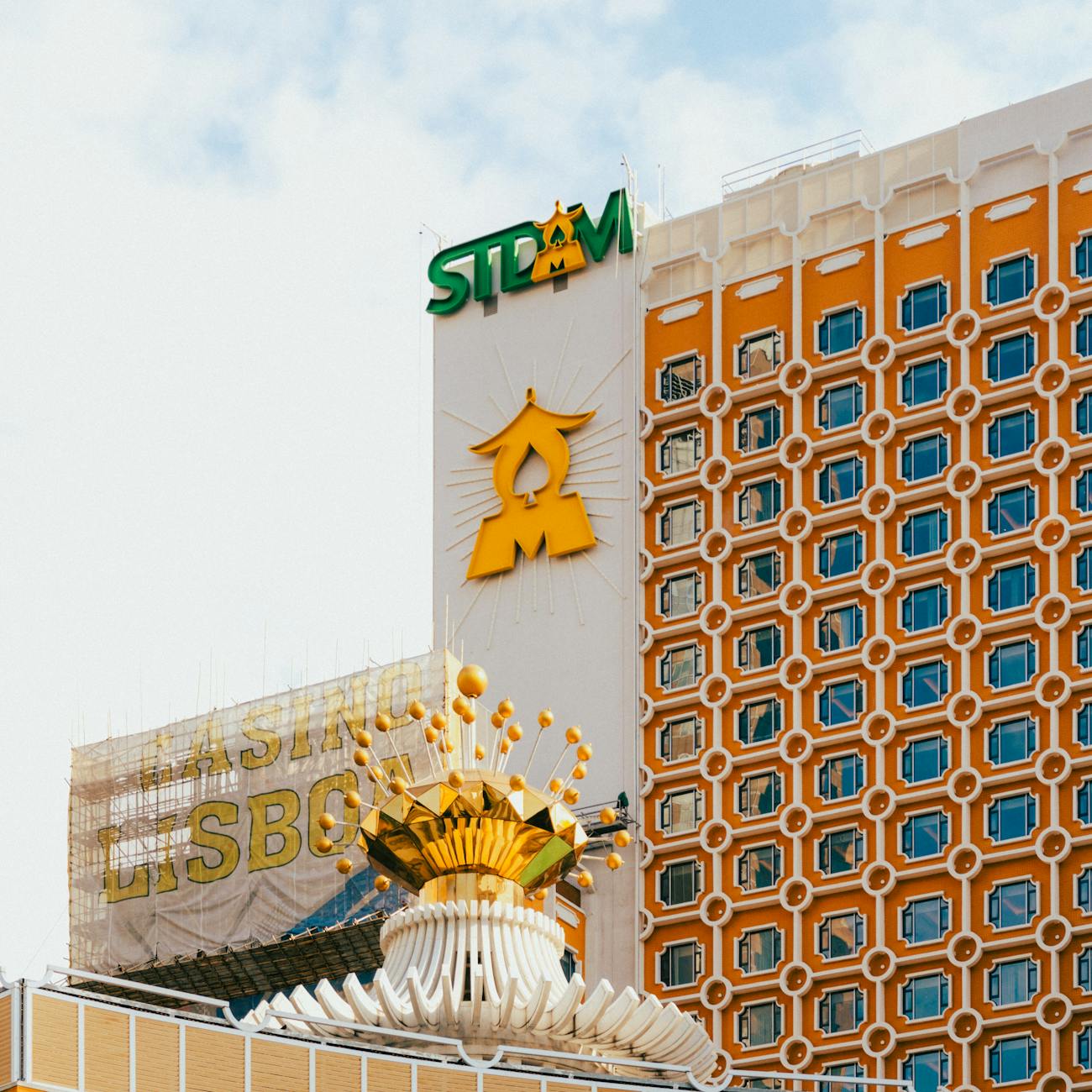
Engineering Management for Hotels is a critical area of study in the Advanced Skill Certificate in Hotel Maintenance and Engineering Management. This field involves the application of engineering principles and practices to manage hotel facilities, equipment, and systems. To help you better understand this subject, we have compiled a comprehensive list of key terms and vocabulary, along with detailed explanations and practical applications.
1. Asset Management: The systematic process of operating, maintaining, upgrading, and disposing of assets cost-effectively. In the hotel industry, this includes managing buildings, equipment, and systems to maximize their useful life and minimize costs. 2. Preventive Maintenance: A proactive approach to maintenance that involves regular inspections, testing, and servicing of equipment and systems to prevent failures and reduce downtime. This includes tasks such as changing filters, lubricating moving parts, and testing safety systems. 3. Predictive Maintenance: A data-driven approach to maintenance that uses sensors, analytics, and machine learning to predict equipment failures before they occur. This allows hotel engineers to schedule maintenance activities at the most convenient times, reducing downtime and costs. 4. Reliability-Centered Maintenance (RCM): A methodology for developing a cost-effective maintenance program that focuses on identifying critical equipment and systems and prioritizing maintenance activities based on their impact on safety, reliability, and maintenance costs. 5. Total Productive Maintenance (TPM): A comprehensive approach to maintenance that involves all employees in the process of improving equipment and system performance. TPM aims to eliminate waste, reduce downtime, and increase productivity by involving everyone in the maintenance process. 6. Capital Expenditures: Major investments in long-term assets such as buildings, equipment, and systems. In the hotel industry, capital expenditures may include renovations, upgrades, and new construction. 7. Return on Investment (ROI): A measure of the profitability of an investment, calculated as the ratio of the gain from the investment to the cost of the investment. In the hotel industry, ROI is used to evaluate the profitability of capital expenditures, maintenance activities, and other investments. 8. Life Cycle Costing: A comprehensive approach to estimating the total cost of ownership of an asset over its entire life cycle, from design and acquisition to disposal. This includes direct costs such as purchase price and maintenance costs, as well as indirect costs such as energy consumption and downtime. 9. Energy Management: The practice of monitoring, controlling, and reducing energy consumption in hotels. This includes tasks such as monitoring energy usage, optimizing HVAC systems, and implementing energy-efficient lighting and appliances. 10. Building Information Modeling (BIM): A digital representation of a building's physical and functional characteristics. BIM is used in the design, construction, and maintenance of hotels to improve collaboration, reduce errors, and optimize performance. 11. Computerized Maintenance Management System (CMMS): A software application used to manage maintenance activities, inventory, and assets. A CMMS can help hotel engineers track maintenance activities, schedule preventive maintenance, and optimize inventory levels. 12. Root Cause Analysis (RCA): A problem-solving methodology used to identify the underlying causes of equipment failures and other problems. RCA involves analyzing data, interviewing subject matter experts, and testing hypotheses to identify the root cause of a problem. 13. Risk Management: The process of identifying, assessing, and mitigating risks in hotel operations. This includes risks related to equipment failures, natural disasters, and other potential threats to hotel operations. 14. Lean Maintenance: A philosophy of maintenance that focuses on eliminating waste, reducing downtime, and improving productivity. Lean maintenance involves continuous improvement, teamwork, and a focus on customer value. 15. Condition-Based Maintenance (CBM): A maintenance strategy that involves monitoring the condition of equipment and systems to determine when maintenance is required. CBM uses sensors and data analytics to monitor equipment health and identify potential issues before they become major problems.
Practical Applications:
* Implementing a preventive maintenance program can reduce equipment failures by up to 70%, according to a study by the U.S. Department of Energy. * Predictive maintenance can reduce maintenance costs by up to 30%, according to a study by General Electric. * Reliability-centered maintenance can reduce maintenance costs by up to 25%, according to a study by the Society of Maintenance and Reliability Professionals. * Total productive maintenance can increase productivity by up to 20%, according to a study by the Japan Institute of Plant Maintenance. * Energy management can reduce energy consumption by up to 30%, according to a study by the American Hotel & Lodging Association. * Building information modeling can reduce design and construction costs by up to 10%, according to a study by the National Institute of Standards and Technology. * A computerized maintenance management system can reduce maintenance costs by up to 20%, according to a study by Plant Services magazine. * Root cause analysis can reduce equipment failures by up to 50%, according to a study by the Joint Commission. * Risk management can reduce insurance premiums by up to 25%, according to a study by Marsh & McLennan Companies. * Lean maintenance can reduce maintenance costs by up to 30%, according to a study by the Lean Enterprise Institute.
Challenges:
* Implementing a comprehensive maintenance program can be challenging, as it requires a significant investment in time, resources, and training. * Predictive maintenance requires the use of sensors and data analytics, which can be expensive and require specialized expertise. * Building information modeling requires collaboration between design, construction, and maintenance teams, which can be challenging to coordinate. * Energy management requires ongoing monitoring and optimization, which can be time-consuming and require specialized expertise. * Implementing a computerized maintenance management system requires a significant investment in software, hardware, and training. * Root cause analysis requires a thorough and systematic approach to problem-solving, which can be challenging to implement in a fast-paced hotel environment. * Risk management requires a comprehensive understanding of potential risks and threats, which can be challenging to identify and assess. * Lean maintenance requires a cultural shift towards continuous improvement and teamwork, which can be challenging to implement in a traditional hotel hierarchy.
Conclusion:
Engineering Management for Hotels is a critical area of study in the Advanced Skill Certificate in Hotel Maintenance and Engineering Management. This field involves the application of engineering principles and practices to manage hotel facilities, equipment, and systems. By understanding key terms and vocabulary, hotel engineers can develop a comprehensive maintenance program that reduces costs, improves reliability, and enhances customer satisfaction. While implementing a comprehensive maintenance program can be challenging, the benefits in terms of cost savings, productivity, and customer satisfaction can be significant.
Key takeaways
- To help you better understand this subject, we have compiled a comprehensive list of key terms and vocabulary, along with detailed explanations and practical applications.
- Preventive Maintenance: A proactive approach to maintenance that involves regular inspections, testing, and servicing of equipment and systems to prevent failures and reduce downtime.
- * Building information modeling can reduce design and construction costs by up to 10%, according to a study by the National Institute of Standards and Technology.
- * Lean maintenance requires a cultural shift towards continuous improvement and teamwork, which can be challenging to implement in a traditional hotel hierarchy.
- By understanding key terms and vocabulary, hotel engineers can develop a comprehensive maintenance program that reduces costs, improves reliability, and enhances customer satisfaction.