
Medical Journalism Capstone Project
Medical journalism is a field that requires a deep understanding of medical terminology, research methods, and the ability to communicate complex information to the general public. As a medical journalist, one must be able to critically eva…
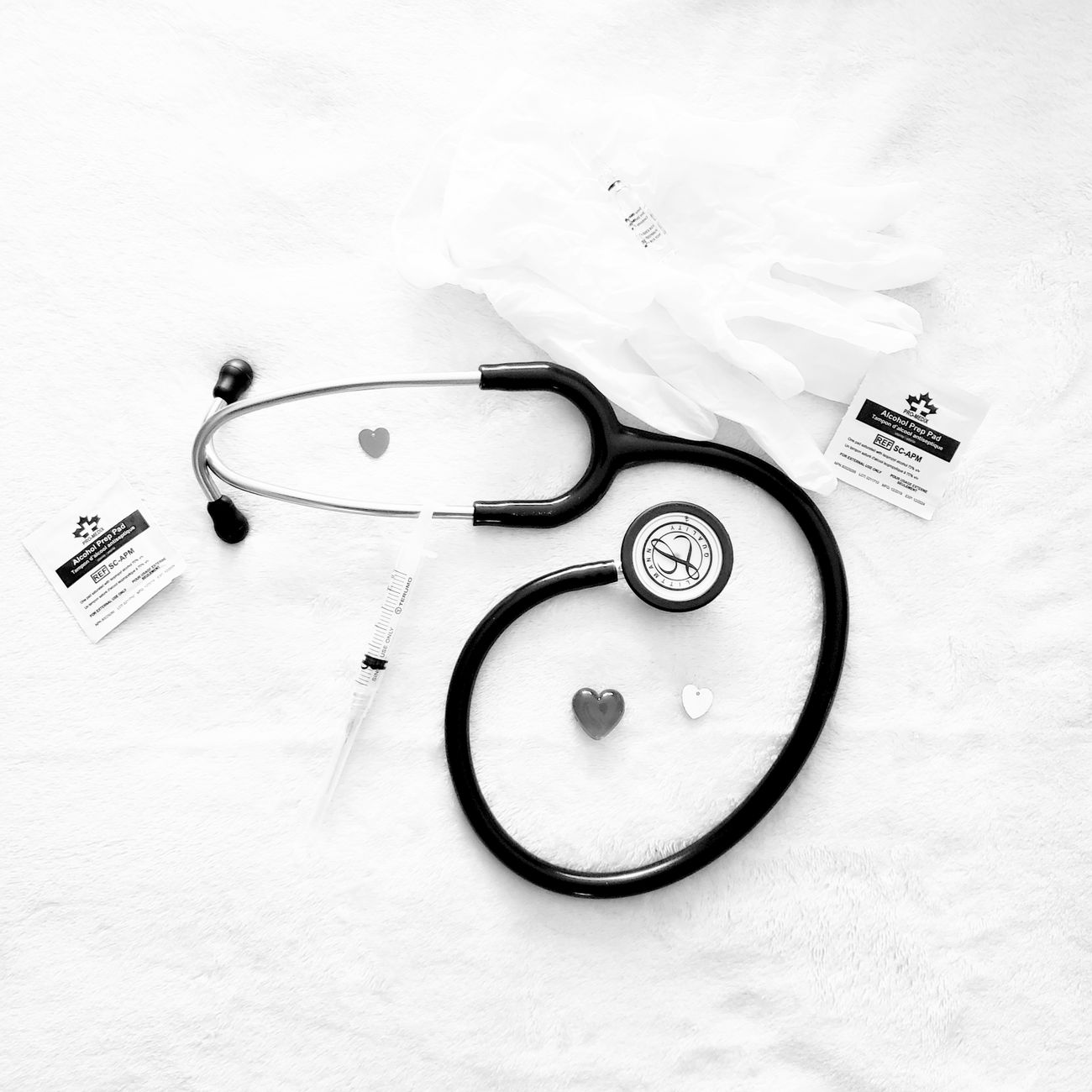
Medical journalism is a field that requires a deep understanding of medical terminology, research methods, and the ability to communicate complex information to the general public. As a medical journalist, one must be able to critically evaluate scientific studies and translate the findings into engaging and accurate stories. This requires a strong foundation in the principles of epidemiology, biostatistics, and research methodology.
To effectively communicate health information to the public, medical journalists must be familiar with the latest medical breakthroughs and treatments. This includes understanding the pathophysiology of various diseases, as well as the diagnostic tools and therapeutic options available. Medical journalists must also be able to put health information into context, considering the social and cultural factors that influence health outcomes.
One of the key challenges in medical journalism is the ability to interpret statistical data and research findings. This requires a strong understanding of study design, sampling methods, and data analysis. Medical journalists must be able to critically evaluate the methodology of a study and identify potential biases or limitations. They must also be able to communicate complex statistical concepts, such as relative risk and confidence intervals, in a clear and concise manner.
In addition to understanding medical terminology and research methods, medical journalists must also be familiar with the ethical considerations involved in health reporting. This includes respecting patient confidentiality and avoiding sensationalism or exploitation of vulnerable individuals. Medical journalists must also be aware of the potential conflicts of interest that can arise in health reporting, such as the influence of pharmaceutical companies or medical device manufacturers.
To produce high-quality health stories, medical journalists must be skilled in the art of interviewing and storytelling. This includes developing a rapport with sources, such as doctors and patients, and using descriptive language to bring stories to life. Medical journalists must also be able to distill complex information into clear and concise headlines and summaries.
The internet and social media have transformed the way health information is consumed and disseminated. Medical journalists must be familiar with the digital landscape and online platforms, such as Twitter and Facebook, to reach their audience and promote their work. They must also be aware of the potential risks and challenges associated with online health reporting, such as the spread of misinformation and disinformation.
In terms of practical applications, medical journalists can work in a variety of settings, including newspapers, magazines, television, and online news sites. They may also work as freelance writers or consultants, producing content for health organizations, hospitals, and pharmaceutical companies. Medical journalists may also be involved in public health campaigns, working with government agencies and non-profit organizations to promote health awareness and education.
The future of medical journalism is likely to be shaped by technological advancements, such as artificial intelligence and data analytics. These tools will enable medical journalists to analyze large datasets and identify trends and patterns in health data. They will also enable medical journalists to personalize health information and tailor their stories to specific audiences.
However, the increasing reliance on technology also poses challenges for medical journalists. For example, the use of algorithms and artificial intelligence to generate health content may raise concerns about accuracy and bias. Medical journalists must be able to evaluate the quality of health information and identify potential sources of error or misinformation.
In addition to technological advancements, the globalization of health care is also likely to shape the future of medical journalism. As health systems and policies become increasingly global, medical journalists will need to be aware of the international context and implications of health issues. They will need to be able to compare and contrast different health systems and policies, and identify best practices and lessons learned.
The role of medical journalists in advocacy and activism is also likely to evolve in the future. As health issues become increasingly politicized, medical journalists may need to take on a more advocacy role, using their platform to raise awareness and promote change. This may involve collaborating with advocacy groups and community organizations to amplify their messages and promote their causes.
In terms of education and training, medical journalists typically require a strong foundation in journalism and communication, as well as a solid understanding of health and medicine. Many medical journalists have a degree in journalism or communication, and may also have a background in science or health sciences. They may also pursue certification or specialized training in medical journalism, such as the Certificate in Medical Journalism.
The skills and knowledge required to be a successful medical journalist are diverse and multifaceted. Medical journalists must be able to communicate complex information in a clear and concise manner, and must be able to analyze and interpret data and research findings. They must also be able to identify and interview experts and sources, and must be able to write and edit content for a variety of formats and audiences.
In addition to these technical skills, medical journalists must also possess strong critical thinking and analytical skills, as well as excellent communication and interpersonal skills. They must be able to work independently and as part of a team, and must be able to meet deadlines and manage multiple projects simultaneously.
The benefits of being a medical journalist are numerous and rewarding. Medical journalists have the opportunity to make a positive impact on public health and wellness, and to contribute to the development of health policy and practice. They also have the opportunity to work with a variety of experts and professionals, including doctors, nurses, and researchers.
However, the challenges of being a medical journalist are also significant and complex. Medical journalists must be able to navigate the complex and often controversial world of health care, and must be able to balance the needs of different stakeholders and audiences. They must also be able to manage the emotional demands of covering health stories, and must be able to cope with the stress and pressure of meeting deadlines and producing high-quality content.
In terms of career prospects, medical journalists can pursue a variety of roles and opportunities. They may work as staff writers or editors for newspapers, magazines, or online news sites, or may work as freelance writers or consultants. They may also pursue specialized roles, such as health communication or public health advocacy.
The salary range for medical journalists can vary widely depending on experience, location, and type of employment. However, medical journalists can expect to earn a competitive salary and benefits package, as well as opportunities for professional development and advancement.
In terms of job satisfaction, medical journalists often report high levels of satisfaction and fulfillment. They are able to make a positive impact on public health and wellness, and are able to work on a variety of interesting and challenging stories. They are also able to develop a range of skills and expertise, including writing, editing, and communication.
The future of medical journalism is likely to be shaped by a variety of Factors, including technological advancements, changes in health care policy and practice, and shifts in public perception and awareness. Medical journalists will need to be able to adapt to these changes and evolve their skills and approach to remain relevant and effective.
In terms of education and training, medical journalists will need to pursue ongoing professional development and education to stay up-to-date with the latest advances and trends in health care and journalism. They will need to be able to analyze and interpret complex data and research findings, and will need to be able to communicate complex information in a clear and concise manner.
The role of medical journalists in shaping public opinion and influencing health policy and practice is likely to continue to evolve and grow in importance. Medical journalists will need to be able to balance the needs of different stakeholders and audiences, and will need to be able to navigate the complex and often controversial world of health care.
In terms of challenges and opportunities, medical journalists will face a variety of obstacles and challenges in the future, including the need to adapt to technological advancements and changes in health care policy and practice. However, they will also have the opportunity to make a positive impact on public health and wellness, and to contribute to the development of health policy and practice.
The importance of medical journalism in promoting public health and wellness cannot be overstated. Medical journalists play a critical role in translating complex information into clear and concise language, and in raising awareness about important health issues. They also play a key role in holding powerful interests accountable, and in promoting transparency and accountability in health care.
In terms of best practices, medical journalists should strive to produce high-quality, accurate, and unbiased content. They should seek out diverse sources and perspectives, and should be transparent about their methods and motivations. They should also be mindful of the potential impact of their stories on vulnerable populations, and should strive to avoid sensationalism and exploitation.
The relationship between medical journalists and health professionals is critical to the success of medical journalism. Medical journalists should seek to build trust and credibility with health professionals, and should strive to understand their perspectives and concerns. They should also be willing to challenge assumptions and conventional wisdom, and should be open to new ideas and perspectives.
In terms of future directions, medical journalism is likely to continue to evolve and grow in importance. Medical journalists will need to adapt to new technologies and platforms, and will need to be creative and innovative in their approach to storytelling and content creation. They will also need to be mindful of the potential impact of their work on vulnerable populations, and will need to strive to promote social justice and equity in health care.
The role of medical journalists in promoting global health and wellness is also likely to grow in importance. Medical journalists will need to be aware of the global context of health care, and will need to be able to compare and contrast different health systems and policies. They will also need to be mindful of the potential impact of their work on global health outcomes, and will need to strive to promote global health equity and justice.
In terms of challenges and opportunities, medical journalists will face a variety of obstacles and challenges in the future, including the need to adapt to new technologies and platforms, and the need to balance the complex and often conflicting demands of different stakeholders and audiences.
Key takeaways
- Medical journalism is a field that requires a deep understanding of medical terminology, research methods, and the ability to communicate complex information to the general public.
- Medical journalists must also be able to put health information into context, considering the social and cultural factors that influence health outcomes.
- They must also be able to communicate complex statistical concepts, such as relative risk and confidence intervals, in a clear and concise manner.
- Medical journalists must also be aware of the potential conflicts of interest that can arise in health reporting, such as the influence of pharmaceutical companies or medical device manufacturers.
- This includes developing a rapport with sources, such as doctors and patients, and using descriptive language to bring stories to life.
- Medical journalists must be familiar with the digital landscape and online platforms, such as Twitter and Facebook, to reach their audience and promote their work.
- Medical journalists may also be involved in public health campaigns, working with government agencies and non-profit organizations to promote health awareness and education.