
and Meat: Sustainable Choices and Preparation
Culinary medicine is an emerging field that combines the art of food and cooking with the science of medicine to improve health and wellbeing. The Professional Certificate in Culinary Medicine and Nutrition focuses on providing healthcare p…
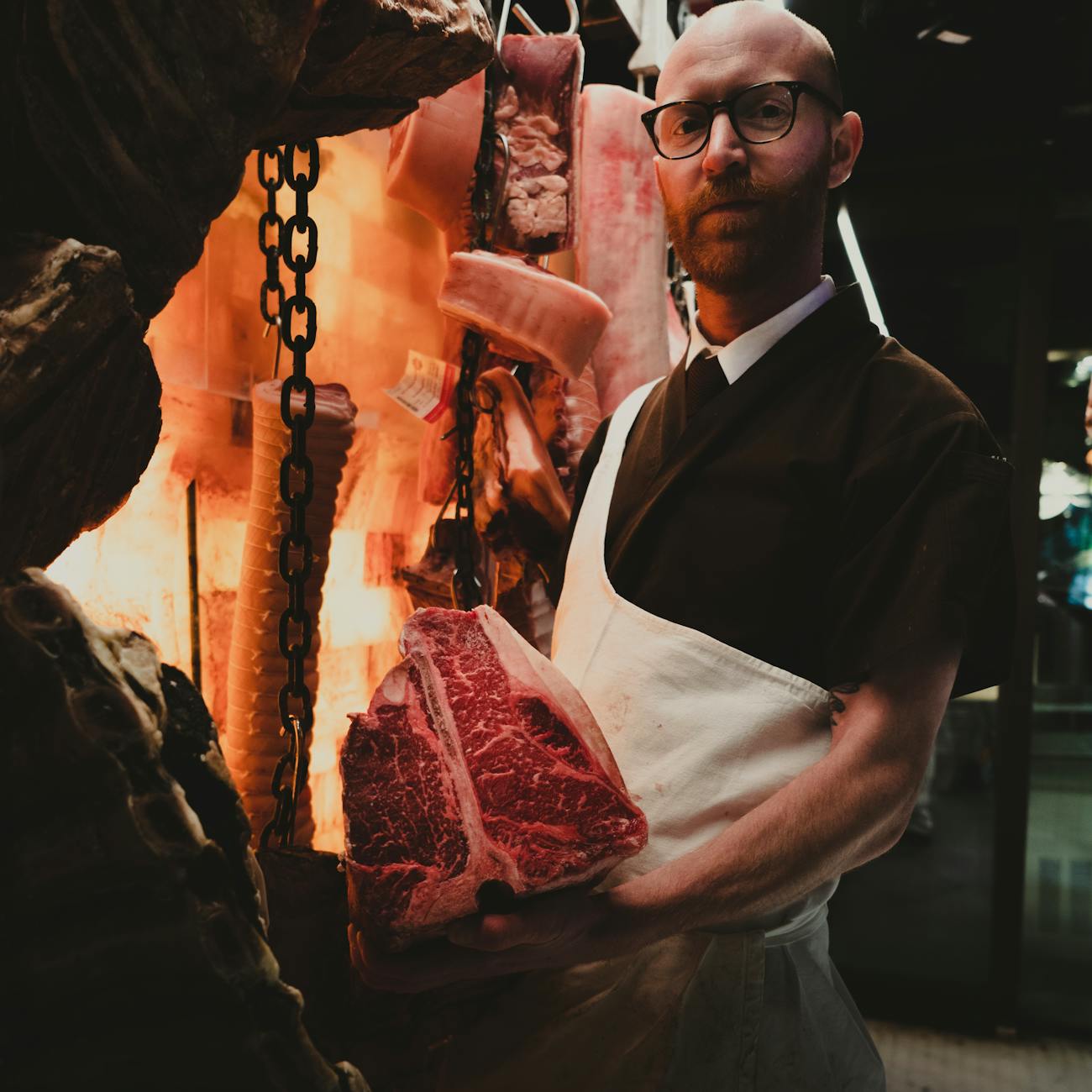
Culinary medicine is an emerging field that combines the art of food and cooking with the science of medicine to improve health and wellbeing. The Professional Certificate in Culinary Medicine and Nutrition focuses on providing healthcare professionals with the knowledge and skills to educate their patients about sustainable food choices and preparation. In this explanation, we will discuss key terms and vocabulary related to meat, sustainable choices, and preparation in the context of culinary medicine and nutrition.
Meat: Meat is a term used to describe the flesh of animals that is used as food. Meat can come from various sources, including cows, pigs, chickens, and fish. Meat is an excellent source of protein, iron, and other essential nutrients, but it can also be high in saturated fat and cholesterol.
Sustainable Choices: Sustainable choices refer to food choices that are environmentally friendly, socially responsible, and economically viable. Sustainable meat production involves practices that minimize the environmental impact of meat production, such as reducing greenhouse gas emissions, conserving water and soil, and promoting animal welfare. Sustainable meat choices also consider the social and economic impacts of meat production, such as supporting local farmers and ensuring fair labor practices.
Preparation: Preparation refers to the process of transforming raw ingredients into a cooked dish. In the context of culinary medicine and nutrition, preparation involves using cooking techniques that preserve the nutritional value of ingredients while also enhancing their flavor and texture.
Key Terms and Vocabulary:
1. Nutrition: the science of food and its effects on health. In culinary medicine, nutrition focuses on the relationship between food, health, and disease prevention. 2. Culinary literacy: the ability to understand and use culinary skills to prepare healthy and delicious meals. Culinary literacy is essential for promoting healthy eating habits and preventing chronic diseases. 3. Local food systems: a network of farmers, producers, distributors, and consumers that are connected by place and purpose. Supporting local food systems can promote sustainable food choices and improve access to fresh, healthy food. 4. Regenerative agriculture: a farming system that aims to improve soil health, increase biodiversity, and sequester carbon. Regenerative agriculture can promote sustainable meat production and reduce the environmental impact of meat production. 5. Pasture-raised: a farming system where animals are raised on pasture and allowed to graze freely. Pasture-raised meat is often more sustainable and nutritious than conventionally raised meat. 6. Grass-fed: a term used to describe animals that are raised on a diet of grass, rather than grains. Grass-fed meat is often higher in healthy fats, such as omega-3 fatty acids, than grain-fed meat. 7. Nose-to-tail: a cooking philosophy that emphasizes using the whole animal, from nose to tail. Nose-to-tail cooking can reduce food waste and promote sustainable meat choices. 8. Slow cooking: a cooking technique that involves cooking food at a low temperature for a long time. Slow cooking can preserve the nutritional value of ingredients and enhance their flavor and texture. 9. Grilling: a cooking technique that involves cooking food on a grate over an open flame. Grilling can add flavor to meat while reducing the amount of fat and calories. 10. Braising: a cooking technique that involves cooking food in a small amount of liquid over low heat for a long time. Braising can preserve the nutritional value of ingredients and enhance their flavor and texture.
Practical Applications:
* Healthcare professionals can educate their patients about sustainable meat choices, such as pasture-raised and grass-fed meat, and their health benefits. * Healthcare professionals can teach their patients how to prepare healthy and delicious meals using cooking techniques that preserve the nutritional value of ingredients, such as slow cooking, grilling, and braising. * Healthcare professionals can encourage their patients to support local food systems and buy meat from local farmers who use sustainable farming practices. * Healthcare professionals can promote nose-to-tail cooking to reduce food waste and promote sustainable meat choices.
Challenges:
* Sustainable meat choices can be more expensive than conventionally raised meat, making it difficult for some patients to afford. * Access to sustainable meat choices can be limited in some areas, making it challenging for patients to make sustainable food choices. * Some patients may be resistant to changing their eating habits and may be skeptical of the health benefits of sustainable meat choices.
Examples:
* A healthcare professional could teach their patients how to prepare a healthy and delicious beef stew using grass-fed beef, root vegetables, and herbs. The stew could be slow-cooked to preserve the nutritional value of the ingredients and enhance their flavor and texture. * A healthcare professional could encourage their patients to buy pasture-raised chicken from a local farmer and teach them how to roast the chicken with herbs and vegetables. * A healthcare professional could promote nose-to-tail cooking by teaching their patients how to use the whole chicken, including the bones and skin, to make homemade chicken stock.
In conclusion, understanding key terms and vocabulary related to meat, sustainable choices, and preparation is essential for healthcare professionals who want to promote healthy eating habits and prevent chronic diseases. By educating their patients about sustainable meat choices and cooking techniques that preserve the nutritional value of ingredients, healthcare professionals can empower their patients to make healthy and delicious food choices. While there are challenges to promoting sustainable meat choices, healthcare professionals can use practical applications, such as teaching patients how to cook healthy and delicious meals using sustainable meat, to overcome these challenges.
Key takeaways
- The Professional Certificate in Culinary Medicine and Nutrition focuses on providing healthcare professionals with the knowledge and skills to educate their patients about sustainable food choices and preparation.
- Meat is an excellent source of protein, iron, and other essential nutrients, but it can also be high in saturated fat and cholesterol.
- Sustainable meat production involves practices that minimize the environmental impact of meat production, such as reducing greenhouse gas emissions, conserving water and soil, and promoting animal welfare.
- In the context of culinary medicine and nutrition, preparation involves using cooking techniques that preserve the nutritional value of ingredients while also enhancing their flavor and texture.
- Local food systems: a network of farmers, producers, distributors, and consumers that are connected by place and purpose.
- * Healthcare professionals can teach their patients how to prepare healthy and delicious meals using cooking techniques that preserve the nutritional value of ingredients, such as slow cooking, grilling, and braising.
- * Some patients may be resistant to changing their eating habits and may be skeptical of the health benefits of sustainable meat choices.