
Types of Inventory and Stock Systems
In the context of inventory and stock management, it is essential to understand the different types of inventory and stock systems that organizations use to manage their goods and materials. One of the primary types of inventory is raw mate…
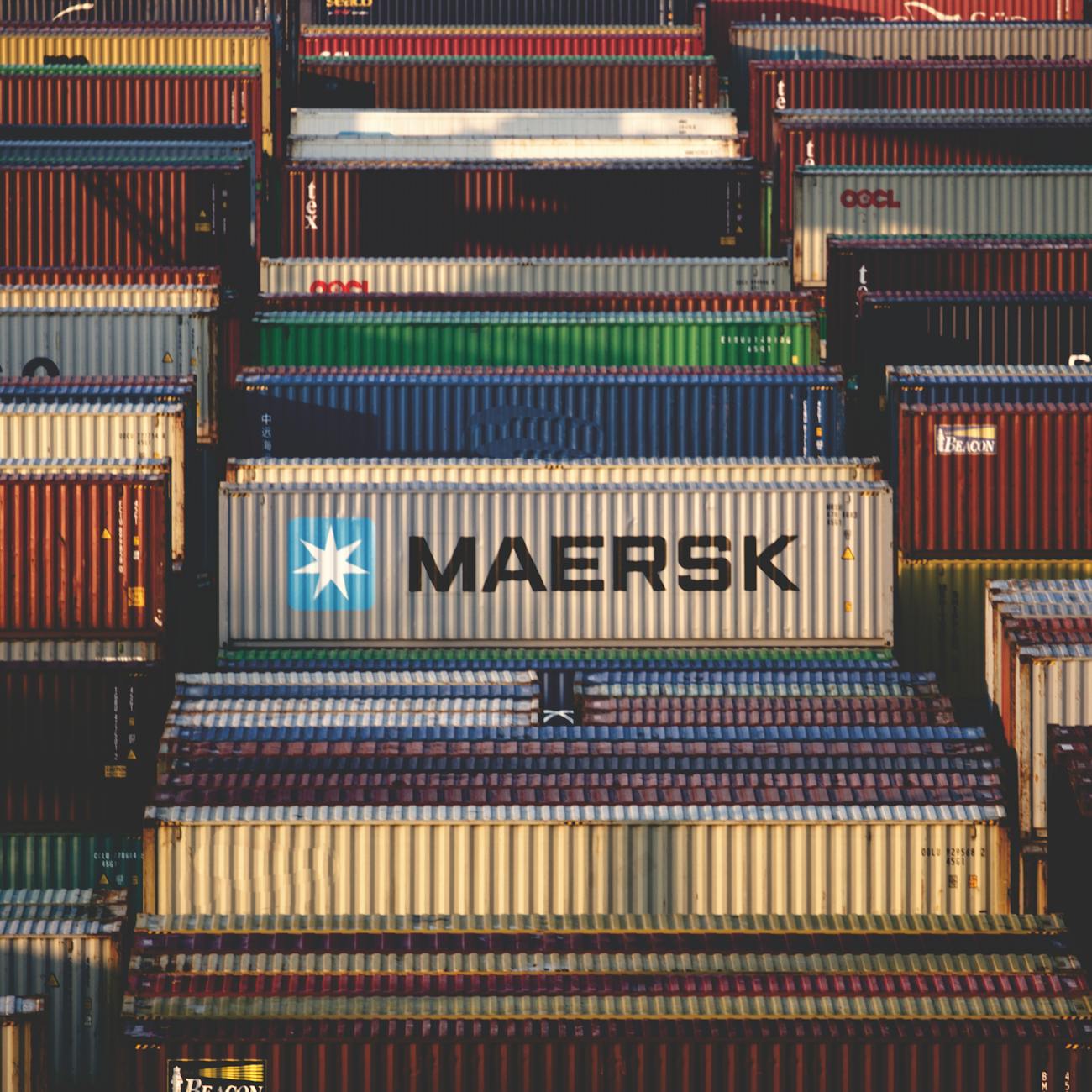
In the context of inventory and stock management, it is essential to understand the different types of inventory and stock systems that organizations use to manage their goods and materials. One of the primary types of inventory is raw materials, which are the basic components used to produce a final product. For instance, a manufacturing company that produces furniture would consider wood, metal, and fabric as raw materials. These raw materials are typically stored in a warehouse or storage facility until they are needed for production.
Another type of inventory is work-in-progress, which refers to the goods that are currently being produced or assembled. This type of inventory is particularly important in manufacturing environments, where products may undergo several stages of production before they are completed. For example, a company that produces cars would consider the partially assembled vehicles as work-in-progress inventory. This type of inventory requires careful management, as it can be difficult to determine the exact value of the goods at different stages of production.
Finished goods are another type of inventory, which refers to the final products that are ready for sale or distribution. These goods are typically stored in a warehouse or storage facility until they are shipped to customers. For example, a company that produces electronics would consider the completed devices as finished goods inventory. Finished goods inventory is critical to an organization's ability to meet customer demand, and it requires careful management to ensure that the right products are available at the right time.
In addition to these types of inventory, organizations also use various stock systems to manage their goods and materials. One of the most common stock systems is the perpetual inventory system, which involves continuously tracking and updating the inventory levels in real-time. This system is particularly useful in environments where inventory levels are constantly changing, such as in retail or manufacturing. For example, a retail company that sells clothing would use a perpetual inventory system to track the inventory levels of different products in real-time, allowing them to quickly respond to changes in demand.
Another type of stock system is the periodic inventory system, which involves tracking and updating the inventory levels at regular intervals, such as at the end of each month or quarter. This system is often used in environments where inventory levels are relatively stable, such as in a warehouse or storage facility. For instance, a company that stores raw materials in a warehouse might use a periodic inventory system to track the inventory levels at the end of each month, allowing them to identify any discrepancies or issues.
Organizations also use various inventory valuation methods to determine the value of their inventory. One of the most common methods is the first-in, first-out (FIFO) method, which assumes that the oldest items in inventory are sold or used first. This method is particularly useful in environments where inventory is perishable or has a limited shelf life, such as in the food or pharmaceutical industries. For example, a company that produces food products would use the FIFO method to ensure that the oldest products are sold or used before they expire.
Another inventory valuation method is the last-in, first-out (LIFO) method, which assumes that the newest items in inventory are sold or used first. This method is often used in environments where inventory is not perishable, such as in the manufacturing or construction industries. For instance, a company that produces building materials would use the LIFO method to value their inventory, assuming that the newest materials are used first.
In addition to these inventory valuation methods, organizations also use various inventory control techniques to manage their inventory levels. One of the most common techniques is the economic order quantity (EOQ) method, which involves calculating the optimal order quantity to minimize inventory costs. This method is particularly useful in environments where inventory costs are high, such as in the retail or manufacturing industries. For example, a retail company that sells electronics would use the EOQ method to determine the optimal order quantity for each product, taking into account factors such as demand, lead time, and inventory costs.
Another inventory control technique is the just-in-time (JIT) method, which involves ordering and receiving inventory just in time to meet customer demand. This method is often used in environments where inventory levels are highly variable, such as in the automotive or aerospace industries. For instance, a company that produces cars would use the JIT method to order and receive parts and materials just in time to meet production schedules, reducing inventory levels and minimizing waste.
Inventory management also involves tracking and managing inventory levels in different locations, such as warehouses, storage facilities, or retail stores. One of the most common inventory tracking methods is the barcode scanning method, which involves using barcode scanners to track and update inventory levels in real-time. This method is particularly useful in environments where inventory levels are constantly changing, such as in retail or manufacturing. For example, a retail company that sells clothing would use barcode scanning to track the inventory levels of different products in real-time, allowing them to quickly respond to changes in demand.
Another inventory tracking method is the radio frequency identification (RFID) method, which involves using RFID tags to track and update inventory levels in real-time. This method is often used in environments where inventory levels are highly variable, such as in the logistics or transportation industries. For instance, a company that transports goods would use RFID tags to track the inventory levels of different products in real-time, allowing them to quickly respond to changes in demand and minimize losses.
In addition to these inventory tracking methods, organizations also use various inventory management software to manage their inventory levels. One of the most common software is the enterprise resource planning (ERP) system, which involves using a single software system to manage all aspects of the business, including inventory management. This software is particularly useful in environments where inventory levels are highly complex, such as in the manufacturing or distribution industries. For example, a company that produces electronics would use an ERP system to manage their inventory levels, taking into account factors such as demand, lead time, and inventory costs.
Another inventory management software is the inventory management system (IMS), which involves using a specialized software system to manage inventory levels. This software is often used in environments where inventory levels are relatively simple, such as in the retail or wholesale industries. For instance, a retail company that sells clothing would use an IMS to manage their inventory levels, tracking factors such as inventory levels, demand, and lead time.
Inventory management also involves managing inventory levels in different stages of the supply chain, such as procurement, production, and distribution. One of the most common inventory management techniques is the supply chain management method, which involves managing inventory levels across the entire supply chain. This method is particularly useful in environments where inventory levels are highly complex, such as in the manufacturing or logistics industries. For example, a company that produces cars would use supply chain management to manage their inventory levels, taking into account factors such as demand, lead time, and inventory costs.
Another inventory management technique is the vendor-managed inventory (VMI) method, which involves allowing suppliers to manage inventory levels on behalf of the organization. This method is often used in environments where inventory levels are highly variable, such as in the retail or wholesale industries. For instance, a retail company that sells clothing would use VMI to allow their suppliers to manage inventory levels, reducing inventory costs and minimizing waste.
In addition to these inventory management techniques, organizations also use various inventory analysis methods to analyze and optimize their inventory levels. One of the most common methods is the inventory turnover method, which involves calculating the number of times inventory is sold or used within a given period. This method is particularly useful in environments where inventory levels are highly variable, such as in the retail or manufacturing industries. For example, a retail company that sells electronics would use the inventory turnover method to analyze their inventory levels, identifying areas for improvement and optimizing their inventory management strategies.
Another inventory analysis method is the inventory holding cost method, which involves calculating the costs associated with holding inventory, such as storage and maintenance costs. This method is often used in environments where inventory levels are highly complex, such as in the manufacturing or logistics industries. For instance, a company that produces building materials would use the inventory holding cost method to analyze their inventory levels, identifying areas for improvement and optimizing their inventory management strategies.
Inventory management also involves managing inventory levels in different types of inventory, such as fast-moving inventory, which refers to inventory that sells or is used quickly. This type of inventory is particularly important in environments where demand is high, such as in the retail or manufacturing industries. For example, a retail company that sells clothing would consider fast-moving inventory to be products that sell quickly, such as trendy clothing items.
Another type of inventory is slow-moving inventory, which refers to inventory that sells or is used slowly. This type of inventory is often used in environments where demand is low, such as in the wholesale or distribution industries. For instance, a company that produces building materials would consider slow-moving inventory to be products that sell slowly, such as specialty building materials.
In addition to these types of inventory, organizations also use various inventory classification methods to classify and manage their inventory levels. One of the most common methods is the ABC analysis method, which involves classifying inventory into three categories: A (high-value, high-usage), B (medium-value, medium-usage), and C (low-value, low-usage). For example, a company that produces electronics would use the ABC analysis method to classify their inventory levels, identifying areas for improvement and optimizing their inventory management strategies.
Another inventory classification method is the cycle counting method, which involves regularly counting and verifying inventory levels to ensure accuracy and identify discrepancies. For instance, a retail company that sells clothing would use the cycle counting method to regularly count and verify their inventory levels, identifying areas for improvement and optimizing their inventory management strategies.
Inventory management also involves managing inventory levels in different stages of the product life cycle, such as introduction, growth, maturity, and decline. One of the most common inventory management techniques is the product life cycle management method, which involves managing inventory levels across the entire product life cycle. For example, a company that produces cars would use product life cycle management to manage their inventory levels, taking into account factors such as demand, lead time, and inventory costs.
Another inventory management technique is the new product development method, which involves managing inventory levels during the introduction stage of the product life cycle. For instance, a retail company that sells clothing would use the new product development method to manage their inventory levels during the introduction stage of a new product, identifying areas for improvement and optimizing their inventory management strategies.
In addition to these inventory management techniques, organizations also use various inventory optimization methods to optimize their inventory levels. One of the most common methods is the inventory optimization software, which involves using specialized software to analyze and optimize inventory levels. For example, a company that produces electronics would use inventory optimization software to analyze and optimize their inventory levels, identifying areas for improvement and optimizing their inventory management strategies.
Another inventory optimization method is the simulation modeling method, which involves using simulation models to analyze and optimize inventory levels. For instance, a retail company that sells clothing would use simulation modeling to analyze and optimize their inventory levels, identifying areas for improvement and optimizing their inventory management strategies.
Inventory management also involves managing inventory levels in different types of organizations, such as manufacturing organizations, which produce goods or products. This type of organization is particularly important in environments where inventory levels are highly complex, such as in the automotive or aerospace industries. For example, a company that produces cars would use inventory management to manage their inventory levels, taking into account factors such as demand, lead time, and inventory costs.
Another type of organization is retail organizations, which sell goods or products to customers. This type of organization is often used in environments where inventory levels are highly variable, such as in the retail or wholesale industries. For instance, a retail company that sells clothing would use inventory management to manage their inventory levels, identifying areas for improvement and optimizing their inventory management strategies.
In addition to these types of organizations, inventory management also involves managing inventory levels in different types of industries, such as food and beverage industries, which produce and distribute food and beverage products. This type of industry is particularly important in environments where inventory levels are highly perishable, such as in the food or pharmaceutical industries. For example, a company that produces food products would use inventory management to manage their inventory levels, taking into account factors such as demand, lead time, and inventory costs.
Another type of industry is pharmaceutical industries, which produce and distribute pharmaceutical products. This type of industry is often used in environments where inventory levels are highly regulated, such as in the healthcare or medical industries. For instance, a company that produces pharmaceuticals would use inventory management to manage their inventory levels, identifying areas for improvement and optimizing their inventory management strategies.
Inventory management also involves managing inventory levels in different types of supply chains, such as global supply chains, which involve managing inventory levels across multiple countries or regions. This type of supply chain is particularly important in environments where inventory levels are highly complex, such as in the manufacturing or logistics industries. For example, a company that produces electronics would use inventory management to manage their inventory levels across their global supply chain, taking into account factors such as demand, lead time, and inventory costs.
Another type of supply chain is local supply chains, which involve managing inventory levels within a specific region or country. This type of supply chain is often used in environments where inventory levels are highly variable, such as in the retail or wholesale industries. For instance, a retail company that sells clothing would use inventory management to manage their inventory levels within their local supply chain, identifying areas for improvement and optimizing their inventory management strategies.
In addition to these types of supply chains, inventory management also involves managing inventory levels in different types of logistics, such as warehousing logistics, which involve storing and managing inventory in a warehouse or storage facility. This type of logistics is particularly important in environments where inventory levels are highly complex, such as in the manufacturing or distribution industries. For example, a company that produces building materials would use inventory management to manage their inventory levels in their warehouse, taking into account factors such as demand, lead time, and inventory costs.
Another type of logistics is transportation logistics, which involve transporting inventory from one location to another. This type of logistics is often used in environments where inventory levels are highly variable, such as in the retail or wholesale industries. For instance, a retail company that sells clothing would use inventory management to manage their inventory levels during transportation, identifying areas for improvement and optimizing their inventory management strategies.
Inventory management also involves managing inventory levels in different types of technologies, such as barcode scanning technology, which involves using barcode scanners to track and update inventory levels in real-time. This type of technology is particularly useful in environments where inventory levels are highly complex, such as in the manufacturing or logistics industries. For example, a company that produces electronics would use barcode scanning technology to track and update their inventory levels, identifying areas for improvement and optimizing their inventory management strategies.
Another type of technology is radio frequency identification (RFID) technology, which involves using RFID tags to track and update inventory levels in real-time. This type of technology is often used in environments where inventory levels are highly variable, such as in the retail or wholesale industries. For instance, a retail company that sells clothing would use RFID technology to track and update their inventory levels, identifying areas for improvement and optimizing their inventory management strategies.
In addition to these types of technologies, inventory management also involves managing inventory levels in different types of data analysis, such as descriptive analytics, which involve analyzing historical data to identify trends and patterns. This type of data analysis is particularly useful in environments where inventory levels are highly complex, such as in the manufacturing or logistics industries. For example, a company that produces electronics would use descriptive analytics to analyze their historical data, identifying areas for improvement and optimizing their inventory management strategies.
Another type of data analysis is predictive analytics, which involve using statistical models and machine learning algorithms to forecast future demand and optimize inventory levels. This type of data analysis is often used in environments where inventory levels are highly variable, such as in the retail or wholesale industries. For instance, a retail company that sells clothing would use predictive analytics to forecast future demand and optimize their inventory levels, identifying areas for improvement and optimizing their inventory management strategies.
Inventory management also involves managing inventory levels in different types of performance metrics, such as inventory turnover, which involves calculating the number of times inventory is sold or used within a given period. This type of performance metric is particularly useful in environments where inventory levels are highly complex, such as in the manufacturing or logistics industries. For example, a company that produces electronics would use inventory turnover to measure their inventory performance, identifying areas for improvement and optimizing their inventory management strategies.
Another type of performance metric is fill rate, which involves calculating the percentage of customer orders that are filled from existing inventory. This type of performance metric is often used in environments where inventory levels are highly variable, such as in the retail or wholesale industries. For instance, a retail company that sells clothing would use fill rate to measure their inventory performance, identifying areas for improvement and optimizing their inventory management strategies.
In addition to these types of performance metrics, inventory management also involves managing inventory levels in different types of benchmarking, such as industry benchmarking, which involves comparing inventory performance to industry averages or best practices. This type of benchmarking is particularly useful in environments where inventory levels are highly complex, such as in the manufacturing or logistics industries. For example, a company that produces electronics would use industry benchmarking to compare their inventory performance to industry averages, identifying areas for improvement and optimizing their inventory management strategies.
Another type of benchmarking is internal benchmarking, which involves comparing inventory performance to internal targets or goals. This type of benchmarking is often used in environments where inventory levels are highly variable, such as in the retail or wholesale industries. For instance, a retail company that sells clothing would use internal benchmarking to compare their inventory performance to internal targets, identifying areas for improvement and optimizing their inventory management strategies.
Inventory management also involves managing inventory levels in different types of organizational culture, such as collaborative culture, which involves working closely with suppliers, customers, and other stakeholders to manage inventory levels. This type of culture is particularly useful in environments where inventory levels are highly complex, such as in the manufacturing or logistics industries. For example, a company that produces electronics would use a collaborative culture to work closely with their suppliers and customers, identifying areas for improvement and optimizing their inventory management strategies.
Another type of culture is competitive culture, which involves competing with other organizations to manage inventory levels. This type of culture is often used in environments where inventory levels are highly variable, such as in the retail or wholesale industries. For instance, a retail company that sells clothing would use a competitive culture to compete with other retailers, identifying areas for improvement and optimizing their inventory management strategies.
In addition to these types of cultures, inventory management also involves managing inventory levels in different types of training and development, such as inventory management training, which involves providing employees with the skills and knowledge needed to manage inventory levels effectively. This type of training is particularly useful in environments where inventory levels are highly complex, such as in the manufacturing or logistics industries. For example, a company that produces electronics would use inventory management training to provide their employees with the skills and knowledge needed to manage inventory levels, identifying areas for improvement and optimizing their inventory management strategies.
Another type of training is supply chain management training, which involves providing employees with the skills and knowledge needed to manage supply chains effectively. This type of training is often used in environments where inventory levels are highly variable, such as in the retail or wholesale industries. For instance, a retail company that sells clothing would use supply chain management training to provide their employees with the skills and knowledge needed to manage supply chains, identifying areas for improvement and optimizing their inventory management strategies.
Inventory management also involves managing inventory levels in different types of technology adoption, such as cloud-based technology, which involves using cloud-based software to manage inventory levels. For example, a company that produces electronics would use cloud-based technology to manage their inventory levels, identifying areas for improvement and optimizing their inventory management strategies.
Another type of technology adoption is artificial intelligence, which involves using artificial intelligence algorithms to analyze and optimize inventory levels. For instance, a retail company that sells clothing would use artificial intelligence to analyze and optimize their inventory levels, identifying areas for improvement and optimizing their inventory management strategies.
In addition to these types of technology adoption, inventory management also involves managing inventory levels in different types of data security, such as data encryption, which involves encrypting data to protect it from unauthorized access. This type of data security is particularly useful in environments where inventory levels are highly complex, such as in the manufacturing or logistics industries. For example, a company that produces electronics would use data encryption to protect their inventory data, identifying areas for improvement and optimizing their inventory management strategies.
Another type of data security is access control, which involves controlling who has access to inventory data and systems. This type of data security is often used in environments where inventory levels are highly variable, such as in the retail or wholesale industries. For instance, a retail company that sells clothing would use access control to control who has access to their inventory data and systems, identifying areas for improvement and optimizing their inventory management strategies.
Inventory management also involves managing inventory levels in different types of compliance, such as regulatory compliance, which involves complying with regulatory requirements and laws related to inventory management. This type of compliance is particularly useful in environments where inventory levels are highly complex, such as in the manufacturing or logistics industries. For example, a company that produces electronics would use regulatory compliance to comply with regulatory requirements and laws related to inventory management, identifying areas for improvement and optimizing their inventory management strategies.
Key takeaways
- In the context of inventory and stock management, it is essential to understand the different types of inventory and stock systems that organizations use to manage their goods and materials.
- This type of inventory is particularly important in manufacturing environments, where products may undergo several stages of production before they are completed.
- Finished goods inventory is critical to an organization's ability to meet customer demand, and it requires careful management to ensure that the right products are available at the right time.
- For example, a retail company that sells clothing would use a perpetual inventory system to track the inventory levels of different products in real-time, allowing them to quickly respond to changes in demand.
- For instance, a company that stores raw materials in a warehouse might use a periodic inventory system to track the inventory levels at the end of each month, allowing them to identify any discrepancies or issues.
- This method is particularly useful in environments where inventory is perishable or has a limited shelf life, such as in the food or pharmaceutical industries.
- For instance, a company that produces building materials would use the LIFO method to value their inventory, assuming that the newest materials are used first.