
Risers
Risers are an essential component of offshore oil and gas production systems, connecting subsea wellheads to surface facilities. They are long, slender pipes that transport fluids (oil, gas, and production water) and provide structural supp…
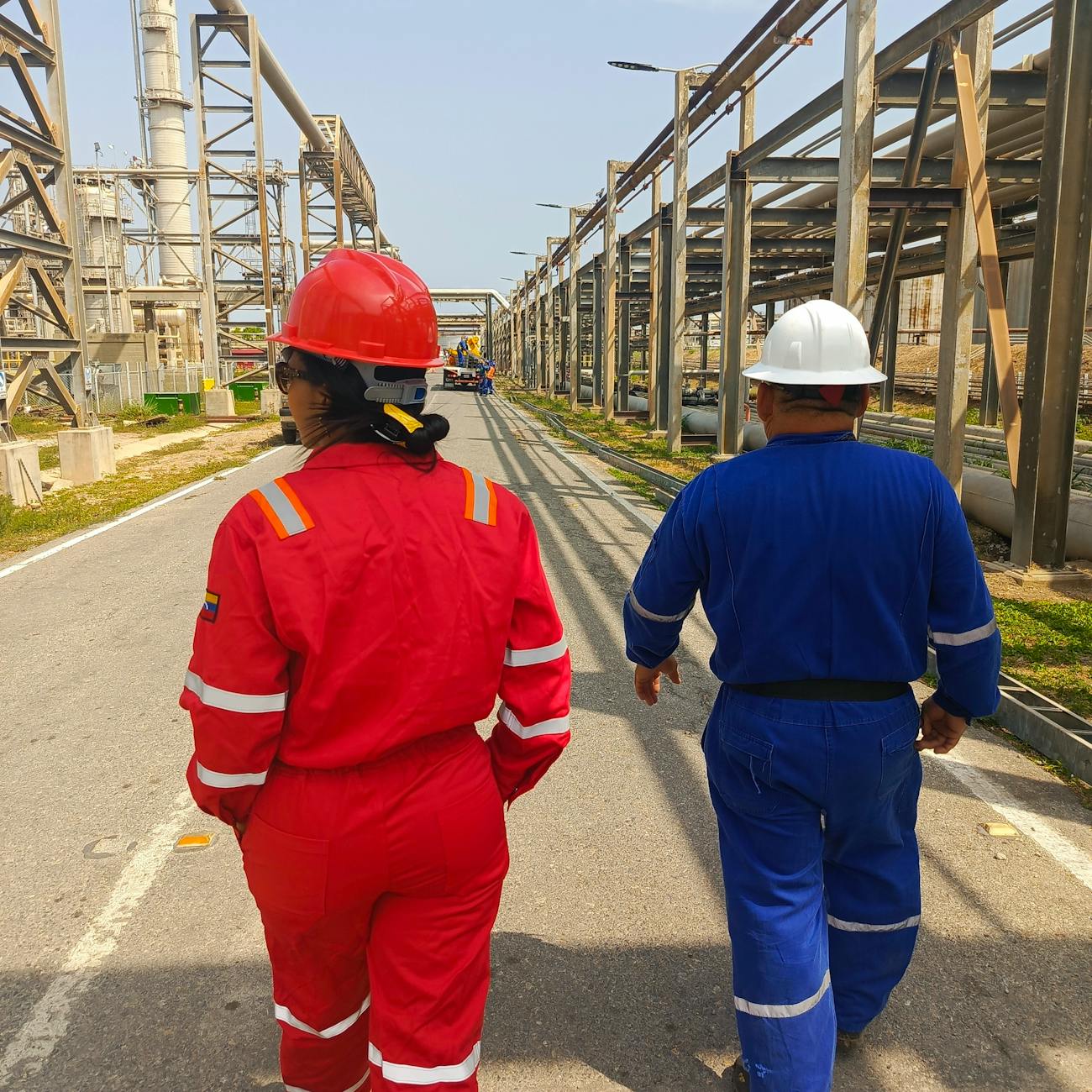
Risers are an essential component of offshore oil and gas production systems, connecting subsea wellheads to surface facilities. They are long, slender pipes that transport fluids (oil, gas, and production water) and provide structural support to production systems. Risers can be categorized into several types based on their function, installation method, and design. In this explanation, we will discuss key terms and vocabulary related to risers in the context of the Postgraduate Certificate in Advanced Subsea Engineering for Oil and Gas.
1. Riser Types
a. Production Risers: Production risers transport produced fluids from subsea wells to surface facilities. They can be classified into two categories: steel catenary risers (SCRs) and top-tensioned risers (TTRs).
b. Steel Catenary Risers (SCRs): SCRs are flexible pipes that hang in a catenary shape due to their self-weight. They are typically used in water depths of up to 3000 meters and are simple to install and relatively inexpensive.
c. Top-Tensioned Risers (TTRs): TTRs are rigid pipes that are held in place by surface tensioning systems. They are typically used in water depths greater than 3000 meters and provide better control over the pipeline's movement.
d. Drilling Risers: Drilling risers connect the drilling rig to the subsea blowout preventer (BOP) stack. They provide a conduit for drilling fluids and allow the drilling crew to control the well during drilling operations.
e. Gas Lift Risers: Gas lift risers are used to inject gas into the production tubing to help lift oil to the surface. They are typically used in deepwater wells and can be configured as continuous or discontinuous risers.
2. Riser Components
a. Conductor: The conductor is the first and largest diameter pipe that provides structural support to the wellhead and the surface casing.
b. Surface Casing: The surface casing is the second pipe that is installed to provide additional structural support and isolate the wellbore from the seabed.
c. Production Casing: The production casing is the innermost pipe that is installed to provide a barrier between the wellbore and the producing formation.
d. Tubing: The tubing is the innermost pipe that is installed in the production casing to transport fluids to the surface.
e. Spool: The spool is a short pipe that connects the riser to the subsea equipment.
3. Riser Design Considerations
a. Fatigue Analysis: Fatigue analysis is an essential part of riser design, as risers are subject to cyclic loading due to wave and current forces. Fatigue analysis determines the number of cycles that a riser can withstand before failure.
b. Vortex-Induced Vibration (VIV): VIV is a phenomenon that occurs when the flow velocity around a riser creates vortices that cause the riser to vibrate. VIV can cause fatigue damage to the riser and must be accounted for in the design.
c. Buckling Analysis: Buckling analysis is used to determine the critical buckling load of a riser. The critical buckling load is the load at which the riser will buckle and fail.
d. Free Span Length: The free span length is the length of the riser between two points of support. The free span length affects the stresses in the riser and must be accounted for in the design.
e. Hydrodynamic Analysis: Hydrodynamic analysis is used to determine the forces acting on the riser due to the surrounding fluid. Hydrodynamic analysis is essential for determining the loads that the riser must withstand.
4. Riser Installation Methods
a. Reel-Laid: Reel-laid risers are spooled onto a large reel and installed by unreeling the riser onto the seabed.
b. J-Lay: J-lay risers are installed by lowering the riser vertically into the water and then bending it into a J-shape as it is lowered to the seabed.
c. S-Lay: S-lay risers are installed by laying the riser on the seabed in an S-shape as it is lowered from the surface.
5. Riser Monitoring and Inspection
a. Structural Monitoring: Structural monitoring is used to detect any damage or deformation in the riser. Structural monitoring can be done using acoustic sensors, strain gauges, or other monitoring systems.
b. Corrosion Monitoring: Corrosion monitoring is used to detect any corrosion in the riser. Corrosion monitoring can be done using ultrasonic testing, magnetic flux leakage, or other monitoring systems.
c. Leak Detection: Leak detection is used to detect any leaks in the riser. Leak detection can be done using acoustic sensors, pressure sensors, or other monitoring systems.
In conclusion, risers are a critical component of offshore oil and gas production systems. Understanding the key terms and vocabulary related to risers is essential for engineers working in the subsea engineering field. Risers are subject to various design considerations, including fatigue, VIV, buckling, free span length, and hydrodynamic forces. Proper installation and monitoring are also essential to ensure the safe and reliable operation of risers. By understanding these concepts, engineers can design and operate risers that provide safe and efficient transportation of fluids from subsea wells to surface facilities.
Key takeaways
- In this explanation, we will discuss key terms and vocabulary related to risers in the context of the Postgraduate Certificate in Advanced Subsea Engineering for Oil and Gas.
- They can be classified into two categories: steel catenary risers (SCRs) and top-tensioned risers (TTRs).
- They are typically used in water depths of up to 3000 meters and are simple to install and relatively inexpensive.
- They are typically used in water depths greater than 3000 meters and provide better control over the pipeline's movement.
- They provide a conduit for drilling fluids and allow the drilling crew to control the well during drilling operations.
- Gas Lift Risers: Gas lift risers are used to inject gas into the production tubing to help lift oil to the surface.
- Conductor: The conductor is the first and largest diameter pipe that provides structural support to the wellhead and the surface casing.