
Integrated Marketing Communications
Integrated Marketing Communications (IMC) is the strategic coordination of all promotional tools, messages, and channels to deliver a consistent and compelling brand experience. In the aerospace and defence sector, IMC aligns technical prod…
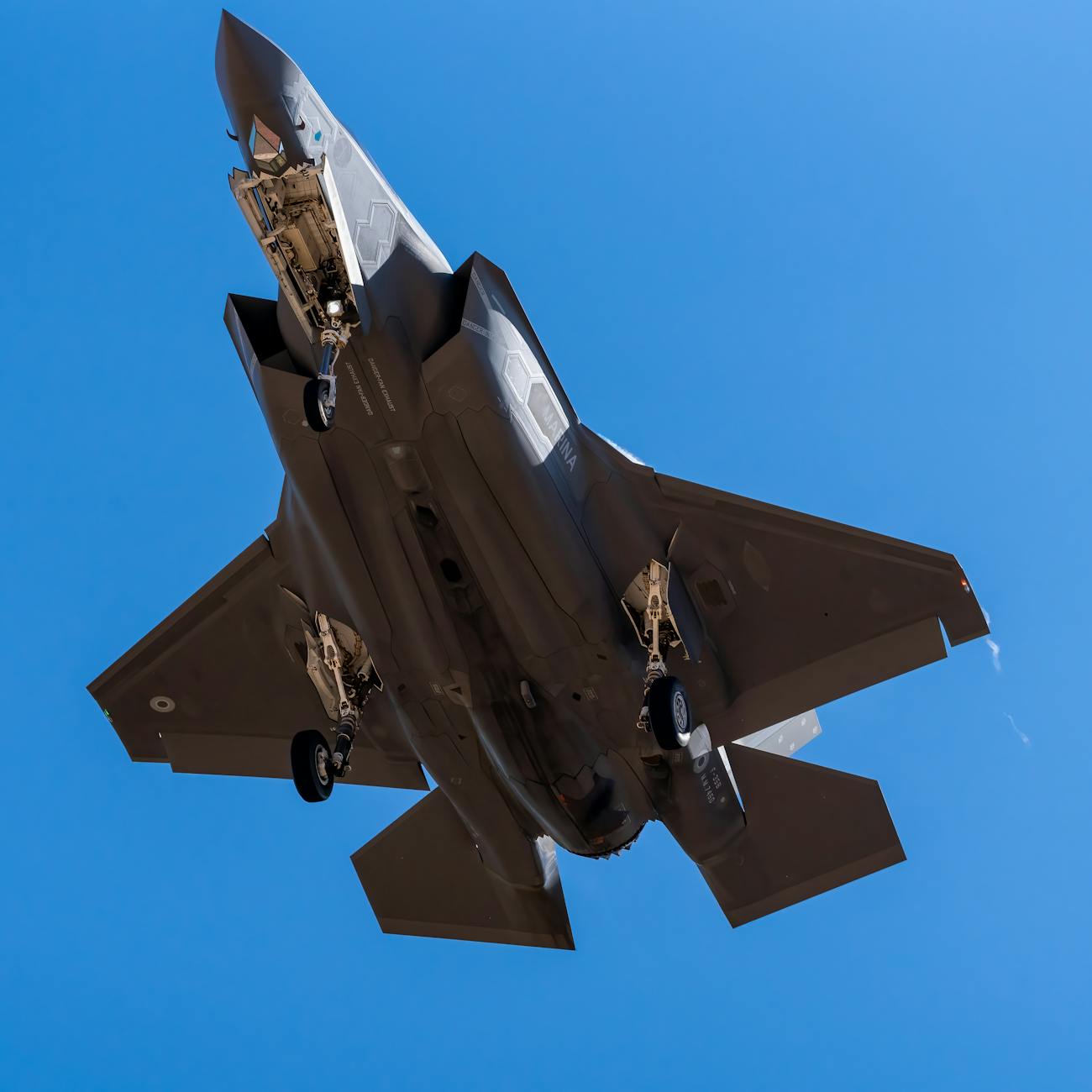
Integrated Marketing Communications (IMC) is the strategic coordination of all promotional tools, messages, and channels to deliver a consistent and compelling brand experience. In the aerospace and defence sector, IMC aligns technical product information, government procurement messaging, and stakeholder outreach to ensure that every communication reinforces the same core narrative. For example, a fighter‑jet manufacturer might synchronize its trade‑show presentations, digital whitepapers, and senior‑executive briefings so that each touchpoint conveys the aircraft’s unique survivability features. The primary challenge is maintaining message fidelity across highly regulated environments where security clearances restrict the flow of information.
Brand Equity refers to the value that a brand adds to a product or service beyond its functional attributes. In aerospace, a strong brand equity can influence contract awards, as defence ministries often favor established manufacturers with proven track records. A classic illustration is the trust built by a legacy space‑launch provider whose brand equity enables it to command premium pricing for satellite deployment services. Maintaining brand equity in a sector subject to geopolitical shifts and budgetary constraints requires continuous investment in reputation management and stakeholder engagement.
Touchpoint denotes any point of interaction between a brand and its audience, whether physical, digital, or personal. For a defence contractor, touchpoints include industry conferences, secure webinars, procurement portals, and on‑site demonstrations. Each touchpoint must be designed to reinforce the brand promise while adhering to export control regulations. A common challenge is ensuring that touchpoints delivered by third‑party agencies remain compliant with classification requirements and do not inadvertently disclose classified information.
Media Mix is the combination of communication channels used to reach target audiences. In the aerospace and defence context, the media mix often blends traditional outlets such as trade magazines, specialized journals, and defense‑focused television programming with digital platforms like LinkedIn, secure industry portals, and targeted email campaigns. Selecting the optimal media mix involves balancing reach, credibility, and cost‑effectiveness while respecting the confidentiality of technical data. Over‑reliance on a single channel can limit exposure to key decision‑makers in the procurement process.
Advertising involves paid, non‑personal communication intended to inform or persuade. For aerospace firms, advertising may appear in high‑circulation aerospace magazines, on industry websites, or as sponsored content in defense newsletters. An advertisement highlighting a new unmanned aerial system’s endurance can generate interest among procurement officers. However, advertising in this sector faces strict regulatory scrutiny; claims must be substantiated, and imagery must not reveal sensitive capabilities.
Public Relations (PR) is the practice of managing the flow of information between an organization and its publics. In defence marketing, PR activities include press releases announcing contract wins, thought‑leadership articles authored by senior engineers, and participation in policy roundtables. A successful PR campaign might position a company as a thought leader in hypersonic technology, thereby influencing policy discussions. The main challenge is navigating classified information restrictions while still providing enough detail to maintain credibility.
Direct Marketing targets specific audiences with personalized messages, often via email, direct mail, or secure portals. Aerospace firms use direct marketing to reach procurement managers, program officers, and senior military officials with tailored proposals. For instance, a customized briefing deck sent directly to a ministry of defence can outline how a new radar system meets specific operational requirements. Direct marketing must balance personalization with compliance, ensuring that data handling complies with export control laws and data‑privacy regulations.
Sales Promotion includes short‑term incentives designed to stimulate immediate response. In the defence sector, sales promotions might take the form of discounted lifecycle support contracts, extended warranty periods, or bundled training packages for a new aircraft platform. A sales promotion could be announced during a defense expo, encouraging attendees to sign preliminary agreements. The challenge lies in structuring promotions that are financially viable while respecting procurement rules that often prohibit overt incentives.
Digital Marketing encompasses all marketing activities that use electronic devices or the internet. Aerospace and defence organizations leverage digital marketing to disseminate product specifications, host virtual product demonstrations, and engage with global partners. A digital campaign might feature an interactive 3D model of a satellite that allows users to explore payload bays. Digital marketing must contend with cybersecurity threats, ensuring that platforms are hardened against intrusion and that content does not violate classification protocols.
Content Marketing focuses on creating and distributing valuable, relevant content to attract and retain a clearly defined audience. For aerospace firms, content marketing may include technical whitepapers on propulsion technology, case studies of successful mission deployments, or webinars on regulatory compliance. By providing in‑depth knowledge, a company can establish authority and foster trust among procurement officials. The difficulty is producing content that is both technically rigorous and accessible, without compromising classified information.
Social Media platforms enable real‑time interaction with audiences, but their use in defence marketing is highly regulated. LinkedIn is the primary professional network where aerospace companies share thought‑leadership articles, employee achievements, and industry insights. A well‑crafted LinkedIn post announcing a partnership with a national space agency can generate organic reach among policymakers. Challenges include monitoring for inadvertent disclosure of sensitive data and managing reputation risks associated with public commentary on geopolitical issues.
Integrated Campaign is a coordinated series of marketing activities that deliver a unified message across multiple channels. An integrated campaign for a next‑generation missile system might combine a press release, a secure video briefing, targeted email outreach, and a presence at a major defense exhibition. Consistency across these elements ensures that decision‑makers receive a clear value proposition. The main obstacle is synchronizing timelines across departments, especially when clearance processes delay content approval.
Synergy describes the additive effect achieved when multiple marketing elements work together, producing a greater impact than the sum of their parts. In aerospace branding, synergy occurs when a PR story about a successful launch amplifies the effectiveness of a digital advertising campaign promoting satellite services. Realizing synergy requires careful planning, shared objectives, and integrated measurement systems. Failure to achieve synergy can result in wasted resources and fragmented brand perception.
Message Consistency ensures that all communications convey the same core ideas, tone, and branding elements. For a defence contractor, consistent messaging might revolve around reliability, mission readiness, and national security contribution. A consistent message reinforces brand recall and reduces confusion among stakeholders. Inconsistent messaging can arise from decentralized marketing teams or from differing interpretations of classification levels, leading to mixed signals in the market.
Target Audience is the specific group of people a marketing effort aims to influence. In aerospace and defence, target audiences include procurement officers, program managers, senior military officials, government policy advisers, and industry analysts. Understanding the distinct needs of each segment enables tailored communication. For example, a technical briefing for engineers will focus on performance metrics, whereas an executive summary for policymakers will emphasize strategic benefits. Misidentifying the target audience can result in irrelevant messaging and lost opportunities.
Segmentation divides a broader market into subsets of consumers with shared characteristics. Segmentation in the defence sector may be based on geography (e.G., NATO members vs. Non‑NATO allies), platform type (air, land, sea), or procurement cycle stage (pre‑competition, competition, award). By segmenting, marketers can allocate resources efficiently and craft messages that resonate with each group’s priorities. A common challenge is obtaining accurate data on classified procurement timelines, which can impede precise segmentation.
Positioning defines how a brand is perceived relative to competitors in the minds of the target audience. An aerospace firm might position itself as the “most reliable” provider of stealth technology, differentiating from rivals that emphasize speed or cost. Positioning statements guide all marketing content and must be supported by demonstrable capabilities. The difficulty lies in maintaining a differentiated position when competitors rapidly innovate and when government procurement criteria evolve.
Unique Selling Proposition (USP) articulates the distinct benefit that sets a product apart from alternatives. For a satellite manufacturer, the USP could be “longest on‑orbit lifespan due to proprietary thermal coating.” The USP should be concise, verifiable, and aligned with the buyer’s mission objectives. In defence markets, the USP must also align with national security priorities, and any claim must survive rigorous testing and validation processes.
Return on Investment (ROI) measures the financial gain generated by marketing activities relative to their cost. Calculating ROI in aerospace and defence can be complex due to long sales cycles, multi‑year contracts, and indirect benefits such as brand reputation. A firm might track ROI by attributing contract wins to specific marketing initiatives, such as a targeted briefing that led to a procurement award. Challenges include attributing outcomes to specific tactics and accounting for the impact of external factors like budgetary changes.
Key Performance Indicator (KPI) is a quantifiable metric used to evaluate the success of a marketing effort. Typical KPIs for defence marketing include number of qualified leads, proposal win rate, media impressions in industry publications, and engagement metrics on secure portals. Selecting appropriate KPIs ensures alignment with strategic goals and facilitates performance tracking. The difficulty lies in choosing KPIs that are both measurable and meaningful within the constraints of classified environments.
Marketing Funnel visualizes the stages a prospect moves through, from awareness to purchase. In aerospace, the funnel may consist of awareness (industry news), interest (whitepaper download), evaluation (technical brief), negotiation (contract proposal), and award (contract signing). Understanding the funnel helps allocate resources to the most critical stages. The elongated sales cycle and multiple decision‑makers often flatten the funnel, requiring sustained engagement and nurturing strategies.
Customer Journey maps the complete experience a buyer has with a brand, encompassing pre‑purchase, purchase, and post‑purchase phases. For a defence client, the journey might begin with a strategic briefing, continue through a secure demo, proceed to contract negotiation, and conclude with after‑sales support and lifecycle management. Mapping the journey reveals touchpoints where communication can be optimized, such as providing real‑time status updates during the procurement phase. The challenge is that the journey often involves multiple agencies and classified processes, making it difficult to capture a unified view.
Brand Architecture defines the hierarchy and relationship among a company’s brands, sub‑brands, and product lines. A large aerospace conglomerate may employ a “house of brands” approach, with distinct names for its commercial aircraft, defense systems, and space divisions. Clear brand architecture helps stakeholders navigate the portfolio and ensures that each sub‑brand reinforces the corporate identity. Complex architecture can lead to confusion if internal teams do not adhere to naming conventions or if external audiences misinterpret the connections between brands.
Brand Identity comprises the visual, verbal, and experiential elements that represent a brand. Elements include logos, color palettes, typography, tone of voice, and design standards. For a defence contractor, brand identity must convey professionalism, security, and technological excellence. Consistent application across all assets—from procurement documents to exhibition booths—strengthens recognition. Maintaining brand identity across global subsidiaries and partner agencies poses logistical and compliance challenges.
Brand Personality attributes human characteristics to a brand, shaping how audiences perceive its character. An aerospace firm might adopt a personality of “innovative, dependable, and mission‑focused.” This personality influences messaging style, visual design, and stakeholder interactions. A well‑defined brand personality can differentiate a company in a market where technical specifications dominate. However, aligning personality with the serious nature of defence work requires careful tone management to avoid appearing frivolous.
Brand Narrative is the overarching story that conveys a brand’s purpose, history, and vision. A compelling narrative for a space‑launch provider could emphasize its role in enabling scientific discovery and national security. The narrative is woven through press releases, speeches, and digital content, creating an emotional connection with audiences. Crafting a narrative that resonates across diverse stakeholder groups—engineers, policymakers, and the public—requires balancing technical detail with aspirational messaging.
Stakeholder refers to any individual or group with an interest in the organization’s activities. In aerospace and defence, stakeholders include government agencies, military end‑users, shareholders, suppliers, local communities, and regulatory bodies. Effective stakeholder management involves identifying expectations, communicating transparently, and addressing concerns. Failure to engage key stakeholders can result in project delays, regulatory hurdles, or reputational damage.
Stakeholder Engagement is the process of building and maintaining relationships with stakeholders through ongoing communication and collaboration. Engagement activities might include briefings with defense ministries, community outreach programs near manufacturing sites, and supplier workshops on quality standards. Structured engagement plans help ensure that stakeholder feedback informs product development and that commitments are met. Challenges arise when conflicting stakeholder priorities—such as cost reduction versus technology advancement—must be reconciled.
Government Procurement is the formal process by which public sector entities acquire goods and services. In defence, procurement follows strict regulations, competitive bidding, and often involves classified requirements. Understanding procurement cycles, evaluation criteria, and contract types (e.G., IDIQ, FFP) is essential for aligning marketing activities. Marketing must support procurement by providing clear, compliant documentation and by highlighting how solutions meet specific government needs. Navigating complex procurement rules can be resource‑intensive and requires specialized expertise.
Compliance refers to adherence to laws, regulations, and internal policies governing marketing activities. Aerospace and defence firms must comply with export control regulations (e.G., ITAR, EAR), data‑privacy laws (e.G., GDPR), and industry‑specific standards. Non‑compliance can lead to severe penalties, loss of export licenses, or reputational harm. Marketing teams must implement review processes, maintain audit trails, and train staff on compliance requirements. Balancing compliance with creative messaging is a persistent tension.
Security Clearance is the authorization granted to individuals to access classified information. Marketing materials intended for cleared audiences may contain sensitive technical data. Managing clearance levels involves ensuring that only authorized personnel can view, edit, or distribute such content. A breach of clearance protocols can jeopardize national security and result in legal consequences. Developing secure communication platforms and clear labeling practices mitigates these risks.
Defence Market encompasses the buyers, suppliers, and intermediaries involved in the acquisition of military equipment and services. It is characterized by long sales cycles, high entry barriers, and a strong emphasis on reliability and compliance. Successful marketing in the defence market requires deep understanding of procurement processes, strategic alignment with national security objectives, and the ability to navigate political considerations. Market volatility due to shifting defence budgets adds an additional layer of complexity.
Aerospace Market includes commercial airlines, satellite operators, space agencies, and related service providers. While less regulated than the defence market, it still demands rigorous safety standards and certification. Marketing strategies often highlight performance metrics, fuel efficiency, and environmental sustainability. Companies must balance commercial objectives with the need to protect proprietary technology that may have dual‑use applications. Market dynamics such as fluctuating fuel prices and evolving passenger preferences influence messaging priorities.
Competitive Intelligence involves the systematic collection and analysis of information about competitors’ capabilities, strategies, and market actions. In aerospace, this may include monitoring rival aircraft development programs, analyzing patent filings, and tracking government contract awards. Competitive intelligence informs positioning, product development, and marketing tactics. Legal and ethical considerations are paramount; gathering intelligence must avoid illicit methods such as corporate espionage. Accurate intelligence can be a decisive advantage in winning contracts.
Market Research is the process of gathering data about market conditions, customer needs, and industry trends. Methods include surveys, interviews, focus groups, and analysis of secondary data sources such as defense budget reports. In aerospace, market research helps identify emerging mission requirements, assess technology adoption rates, and gauge competitor performance. The challenge lies in obtaining reliable data from highly classified or restricted sources, often requiring partnerships with specialized research firms.
SWOT Analysis evaluates an organization’s Strengths, Weaknesses, Opportunities, and Threats. For a defense contractor, strengths might include advanced missile technology, while weaknesses could be limited production capacity. Opportunities may arise from new government initiatives, and threats could involve geopolitical instability. Conducting a SWOT analysis provides strategic insight that guides marketing priorities and resource allocation. Ensuring that the analysis remains objective and up‑to‑date demands ongoing data collection and cross‑functional collaboration.
PESTLE Analysis examines the macro‑environmental factors—Political, Economic, Social, Technological, Legal, and Environmental—that affect an organization. In aerospace, political factors include defence spending policies; economic factors involve exchange rates and commodity prices; social factors cover public perception of military procurement; technological factors encompass breakthroughs in propulsion; legal factors involve export controls; and environmental factors address sustainability mandates. A comprehensive PESTLE analysis helps anticipate external influences that could impact marketing strategies.
Brand Loyalty measures the degree to which customers consistently choose a brand over competitors. In defence, loyalty is often reflected in repeat contracts and long‑term service agreements. A supplier that consistently delivers on‑time, high‑quality components can cultivate loyalty among military procurement officials. Maintaining loyalty requires ongoing performance excellence, proactive support, and transparent communication. A single failure or compliance breach can erode trust and jeopardize future contracts.
Customer Relationship Management (CRM) systems capture interactions, preferences, and histories of stakeholders. For aerospace firms, a CRM may track procurement contacts, contract milestones, and after‑sales support tickets. Effective CRM enables personalized outreach, timely follow‑ups, and data‑driven decision‑making. Integrating CRM with secure collaboration tools ensures that classified information is protected while still providing visibility to sales and marketing teams. Implementation challenges include data migration, user adoption, and aligning the system with stringent security protocols.
Earned Media refers to publicity gained through non‑paid channels, such as news coverage, analyst reports, and word‑of‑mouth referrals. In the defence sector, earned media might include a feature in a defense‑industry magazine highlighting a successful missile test. Earned media enhances credibility because it is perceived as third‑party validation. Securing earned media often requires proactive media relations, timely press releases, and access to senior executives for commentary. Restrictions on information disclosure can limit the depth of stories that media outlets are willing to publish.
Owned Media comprises channels that an organization controls, such as corporate websites, newsletters, and secure portals. An aerospace company’s owned media may host a repository of technical datasheets, case studies, and compliance certificates accessible to cleared users. Owned media provides a consistent platform for disseminating brand messages and supporting the sales process. The challenge is ensuring that owned media remains up‑to‑date, secure, and aligned with broader IMC objectives.
Paid Media includes advertising placements that require payment, such as banner ads on aerospace trade sites, sponsored webinars, or programmatic ads targeting procurement professionals. Paid media can accelerate reach and generate leads when strategically placed. However, the return on paid media investments must be measured against strict budget constraints typical of defence organizations. Additionally, ad content must be vetted for compliance, and targeting must avoid prohibited demographic categories.
Influencer Marketing leverages respected individuals to amplify brand messages. In aerospace, influencers may be senior engineers, former military officers, or industry analysts who publish articles, give conference keynotes, or appear in webinars. Partnering with an influential defense analyst to discuss emerging threat environments can lend authority to a company’s positioning. The main difficulty is identifying influencers who are both credible and cleared to discuss sensitive topics, and ensuring that any endorsement complies with procurement ethics rules.
Crisis Communication is the strategic response to unexpected events that threaten an organization’s reputation or operations. A crisis in the aerospace sector could involve a failed test, a data breach, or allegations of non‑compliance. Effective crisis communication requires rapid, transparent, and coordinated messaging across all channels, including secure briefings for government partners and public statements for the media. Pre‑developed crisis plans, designated spokespersons, and rehearsed protocols are essential. Failure to manage a crisis can result in contract cancellations and long‑term brand damage.
Reputation Management involves monitoring and influencing how a brand is perceived by its audiences. In defence, reputation is closely tied to reliability, security, and alignment with national interests. Companies may employ media monitoring tools to track mentions in trade publications, social media, and parliamentary debates. Proactive reputation management includes highlighting successful mission outcomes, engaging in community outreach, and demonstrating compliance with ethical standards. The challenge lies in responding to misinformation while respecting classification boundaries.
Value Proposition succinctly describes the benefits a customer receives by choosing a particular product or service. For a satellite communications provider, the value proposition might focus on “secure, low‑latency connectivity for mission‑critical operations.” The value proposition must be compelling, differentiated, and supported by evidence. In aerospace, the proposition often intertwines technical performance with strategic impact, such as enhancing national security or enabling scientific breakthroughs. Crafting a clear value proposition requires close collaboration between engineering, marketing, and business development teams.
Brand Differentiation highlights the distinctive attributes that set a brand apart from competitors. In a crowded missile‑defense market, differentiation could stem from a patented guidance system, superior integration capabilities, or a proven track record in joint‑force operations. Communicating differentiation effectively helps decision‑makers quickly identify the most suitable supplier. The difficulty is that many differentiators become commoditized over time, necessitating continuous innovation and refresh of the brand story.
Campaign Integration ensures that all elements of a marketing campaign—creative, media, measurement, and execution—work together seamlessly. For a launch of a new unmanned combat aerial vehicle, integration might involve aligning the visual identity of the brochure, the messaging of the secure webcast, and the targeting parameters of the digital ad buy. Integrated campaigns maximize impact and reduce wasted effort. Coordination across multiple departments, each with its own deadlines and approval processes, can be a significant logistical hurdle.
Cross‑Channel Marketing delivers a consistent experience across different communication channels, such as email, social media, webinars, and face‑to‑face meetings. A cross‑channel approach enables prospects to engage with the brand in the manner most convenient for them, reinforcing the message at each touchpoint. For example, a prospect who attends a virtual demo may later receive a personalized email summarizing key capabilities, followed by a secure document package. Managing cross‑channel consistency requires robust content management systems and clear governance policies.
Data Analytics involves the systematic analysis of data to uncover patterns, insights, and trends that inform decision‑making. In aerospace marketing, data analytics may track lead conversion rates, website traffic from government domains, or sentiment analysis of industry publications. Advanced analytics can predict which procurement cycles are most likely to result in contract awards, allowing marketers to prioritize resources. Data quality, security, and compliance with privacy regulations are critical considerations when handling sensitive information.
Marketing Automation utilizes software platforms to streamline repetitive marketing tasks, such as email nurturing, lead scoring, and reporting. Automation can accelerate the lead qualification process for complex defence sales, ensuring that prospects receive timely, relevant content as they progress through the funnel. However, automation must be configured to respect clearance levels, preventing the inadvertent distribution of classified material. Integration with existing CRM and compliance systems is essential for seamless operation.
Omnichannel strategy delivers a unified, seamless experience across all channels, both online and offline. In aerospace and defence, an omnichannel approach might combine a secure portal for contract managers, a mobile app for field engineers, and a physical exhibit at an international airshow, all presenting the same brand narrative and data. The goal is to eliminate friction, allowing stakeholders to transition effortlessly between channels while maintaining consistent messaging. Implementing true omnichannel experiences demands sophisticated technology infrastructure and rigorous data governance.
Brand Positioning Statement is a concise declaration that articulates the target audience, market category, key benefit, and differentiation. A sample positioning statement for a hypersonic missile developer could read: “For national defense agencies seeking rapid‑response strike capabilities, we deliver the world’s fastest missile system, distinguished by unmatched maneuverability and proven operational reliability.” This statement guides all subsequent marketing content and ensures alignment across departments. Crafting an effective positioning statement requires deep insight into customer priorities and competitor offerings.
Market Segmentation Matrix is a tool that categorizes customers based on multiple criteria, such as geographic region and program phase. In the defence sector, a matrix might intersect “NATO member states” with “mid‑life upgrade programs,” identifying high‑value prospects for a legacy aircraft upgrade service. By visualizing the segmentation, marketers can allocate resources more strategically. The matrix must be regularly updated to reflect shifting procurement calendars and emerging technology requirements.
Communication Objectives define the intended outcomes of a marketing message, such as raising awareness, shaping perception, or driving action. In aerospace, an objective could be “increase awareness among European defense ministries of our next‑generation radar’s low‑observable capabilities.” Clear objectives enable measurement and guide creative development. Setting realistic objectives is challenging when dealing with lengthy procurement cycles and multiple decision‑makers.
Message Architecture outlines the hierarchy and relationships among core messages, supporting statements, and proof points. For a satellite propulsion system, the core message might be “unmatched efficiency,” supported by statements on fuel savings, reliability data, and case studies. A well‑structured message architecture ensures that every piece of communication reinforces the same key ideas. Developing a coherent architecture requires cross‑functional collaboration to align technical data with marketing language.
Creative Brief is a document that conveys the strategic direction, target audience, key messages, and desired tone for a creative project. In the defence industry, a creative brief for a new brochure might specify the need for “secure, classified‑compliant design,” a “technical yet accessible tone,” and emphasis on “mission success stories.” The brief serves as a roadmap for designers, writers, and approvers, reducing the risk of revisions that could delay launch. Ensuring that the brief captures all compliance requirements is essential.
Brand Guidelines provide standards for visual and verbal brand expression, including logo usage, color palettes, typography, and tone of voice. For a global aerospace corporation, brand guidelines must accommodate regional variations while preserving core identity. They also include protocols for handling classified content, such as watermarking and approved terminology. Strict adherence to brand guidelines maintains consistency across all communications, but enforcing compliance across multiple subsidiaries can be resource‑intensive.
Stakeholder Mapping identifies and prioritizes stakeholders based on influence and interest levels. In a defense acquisition project, mapping might reveal that senior ministry officials have high influence, while technical advisors have high interest but lower decision authority. Prioritizing communication efforts toward high‑influence stakeholders ensures that key messages reach decision‑makers. The mapping process must be updated as project phases progress and new stakeholders emerge.
Integrated Marketing Plan outlines the coordinated activities, timelines, budgets, and responsibilities needed to achieve marketing objectives. An integrated plan for launching a new unmanned aerial vehicle would detail media outreach, secure briefings, digital content creation, and measurement milestones. The plan aligns all functional teams—marketing, sales, compliance, and engineering—under a shared timeline. Developing a comprehensive plan can be complex due to the need to synchronize approvals across multiple regulatory bodies.
Performance Dashboard visualizes key metrics in real time, allowing marketers to track progress against goals. In aerospace, a dashboard might display the number of qualified leads generated from secure webinars, the conversion rate to proposals, and the ROI of trade‑show participation. Dashboards enable rapid decision‑making and resource reallocation. Ensuring data integrity and protecting classified information on the dashboard requires robust security controls.
Strategic Partnerships involve collaborations with other organizations to enhance capabilities, extend reach, or share risk. A defense contractor may partner with a technology start‑up to integrate AI‑driven analytics into its aircraft systems. Joint marketing initiatives can leverage each partner’s brand equity and audience. However, partnership agreements must address intellectual property rights, security clearances, and export control compliance to avoid legal complications.
Thought Leadership positions a brand as an authority on industry‑relevant topics. Publishing a whitepaper on “Future Threat Landscapes for Space‑Based Assets” can establish a company as a go‑to source for policymakers. Thought leadership builds credibility, influences policy discussions, and nurtures relationships with key decision‑makers. The content must be rigorously vetted for accuracy and compliance, especially when discussing emerging technologies with potential dual‑use implications.
Brand Audit assesses the current state of a brand, evaluating perception, consistency, and market positioning. An audit may involve surveys of procurement officials, analysis of media coverage, and review of internal communications. Findings highlight gaps between desired and actual brand perception, informing corrective actions. Conducting a brand audit in the defence sector can be challenging due to limited public feedback channels and the confidential nature of many stakeholder interactions.
Message Testing evaluates the effectiveness of communications before full rollout. Techniques include focus groups with cleared personnel, A/B testing of email subject lines, and sentiment analysis of draft press releases. Testing helps refine language, tone, and visual elements to maximize impact. In aerospace, testing must be conducted within secure environments, ensuring that participants have the appropriate clearance level.
Lead Nurturing involves sustained, targeted communication to move prospects through the marketing funnel. For defense prospects, nurturing may include periodic secure briefings, updates on regulatory changes, and invitations to exclusive workshops. Effective nurturing builds trust and keeps the brand top‑of‑mind through long procurement cycles. Automation tools can support nurturing but must be configured to respect clearance constraints and data‑privacy rules.
Account‑Based Marketing (ABM) focuses resources on a defined set of high‑value accounts rather than broad audiences. In aerospace, ABM might target specific ministries, air forces, or space agencies with customized content and one‑to‑one outreach. ABM aligns sales and marketing teams, ensuring that messaging, offers, and timing are tailored to each account’s procurement timeline. Implementing ABM requires detailed account intelligence and close coordination with legal and compliance teams.
Return‑On‑Engagement measures the value derived from stakeholder interactions beyond direct revenue, such as influence on policy, improved brand perception, or enhanced partnership opportunities. In defence, high engagement with a senior military official can translate into favorable consideration in future contract competitions. Tracking engagement metrics—meeting frequency, depth of discussion, and post‑meeting actions—provides insight into relationship health. Quantifying the impact of these engagements remains a nuanced challenge.
Brand Advocacy occurs when satisfied customers voluntarily promote a brand to peers. In aerospace, advocacy may manifest as a senior officer recommending a particular avionics suite to allied forces. Encouraging advocacy involves delivering exceptional performance, proactive support, and recognition of the advocate’s contributions. Programs that publicly acknowledge advocates must be designed to avoid the appearance of undue influence, especially in government procurement contexts.
Compliance Dashboard monitors adherence to regulatory requirements across marketing activities. Metrics might include the percentage of content reviewed by legal, the number of export‑controlled terms used in public messaging, and audit findings. A compliance dashboard provides visibility to senior leadership, enabling proactive risk mitigation. Maintaining accurate compliance data demands disciplined processes and regular updates to reflect evolving regulations.
Risk Management identifies, assesses, and mitigates potential threats to marketing initiatives. Risks in aerospace marketing include data breaches, reputation damage from failed tests, and non‑compliance penalties. A risk register outlines mitigation strategies, such as encryption of digital assets, crisis communication plans, and regular compliance training. Integrating risk management into the marketing workflow ensures that potential issues are addressed before they impact brand integrity.
Channel Optimization involves selecting and fine‑tuning communication channels to maximize impact. In defence, channels may include secure government portals, industry newsletters, and invitation‑only webinars. Optimization requires analyzing channel performance, audience preferences, and cost efficiency. Adjustments might involve reallocating budget from low‑performing print ads to high‑engagement virtual briefings. Constraints such as clearance levels and classification can limit the choice of channels, necessitating creative solutions.
Brand Storytelling uses narrative techniques to convey the brand’s purpose, values, and achievements. A compelling story might trace a company's evolution from a small aerospace lab to a global leader in autonomous systems, emphasizing milestones that align with national security objectives. Storytelling humanizes technical products, making them more relatable to decision‑makers who must justify procurement choices. Crafting authentic stories requires collaboration between engineers, marketers, and senior leadership.
Digital Asset Management (DAM) centralizes storage, organization, and distribution of digital assets such as images, videos, and documents. A DAM system for an aerospace firm must enforce security protocols, including role‑based access and encryption, to protect classified materials. Efficient DAM enables rapid retrieval of approved assets for campaigns, reducing time‑to‑market. Implementing DAM across global subsidiaries can be complex due to varying local regulations and IT infrastructures.
Strategic Messaging Framework provides a hierarchy of core messages, supporting statements, and proof points aligned with business objectives. For a satellite communications provider, the framework might prioritize “secure connectivity,” “global coverage,” and “scalable architecture.” Each level of the framework guides content creation, ensuring coherence across all communications. Developing the framework requires deep insight into customer pain points, competitive landscape, and regulatory environment.
Brand Voice defines the consistent style and tone used in all written and spoken communications. In defence marketing, a brand voice may be “authoritative, precise, and mission‑focused.” Consistent voice reinforces credibility and helps audiences quickly recognize the brand’s communications. Training all employees, including engineers and sales staff, on the brand voice helps maintain uniformity, especially when content is produced across multiple regions.
Integrated Reporting consolidates performance data from all marketing channels into a single report, facilitating holistic analysis. Integrated reports might combine metrics from secure webinars, trade‑show leads, website analytics, and CRM data. This comprehensive view enables identification of synergistic effects, such as how a trade‑show appearance drives increased portal traffic. Producing integrated reports requires data harmonization, consistent definitions, and robust security controls to protect sensitive information.
Content Governance establishes policies, roles, and processes for creating, approving, publishing, and maintaining content. In aerospace, governance must address classification levels, export control restrictions, and corporate branding standards. A content governance board, typically comprising legal, compliance, marketing, and engineering representatives, reviews each piece before release. Effective governance prevents inadvertent disclosure, maintains brand consistency, and streamlines approval workflows.
Market Positioning Map visualizes a brand’s relative placement against competitors based on dimensions such as performance and price. For a missile defense system, the map could plot “high performance–high cost” versus “moderate performance–moderate cost.” Positioning maps help identify gaps where a brand can differentiate, such as offering superior performance at a competitive price point. The map must be refreshed regularly to reflect shifting competitor strategies and emerging technologies.
Customer Insight gathers deep understanding of customer needs, motivations, and decision‑making criteria. In defence, insights may be derived from interviews with procurement officers, analysis of tender documents, and observation of policy trends. These insights inform messaging, product development, and sales tactics. Collecting authentic customer insight can be difficult due to the confidential nature of defense procurement processes, requiring trusted relationships and secure data collection methods.
Key takeaways
- For example, a fighter‑jet manufacturer might synchronize its trade‑show presentations, digital whitepapers, and senior‑executive briefings so that each touchpoint conveys the aircraft’s unique survivability features.
- Maintaining brand equity in a sector subject to geopolitical shifts and budgetary constraints requires continuous investment in reputation management and stakeholder engagement.
- A common challenge is ensuring that touchpoints delivered by third‑party agencies remain compliant with classification requirements and do not inadvertently disclose classified information.
- Selecting the optimal media mix involves balancing reach, credibility, and cost‑effectiveness while respecting the confidentiality of technical data.
- For aerospace firms, advertising may appear in high‑circulation aerospace magazines, on industry websites, or as sponsored content in defense newsletters.
- In defence marketing, PR activities include press releases announcing contract wins, thought‑leadership articles authored by senior engineers, and participation in policy roundtables.
- For instance, a customized briefing deck sent directly to a ministry of defence can outline how a new radar system meets specific operational requirements.