
Control of Occupational Health Hazards
Occupational health hazards refer to physical, chemical, or biological agents in the workplace that can cause harm to workers. Control of these hazards is crucial to protect the health and safety of workers and ensure compliance with regula…
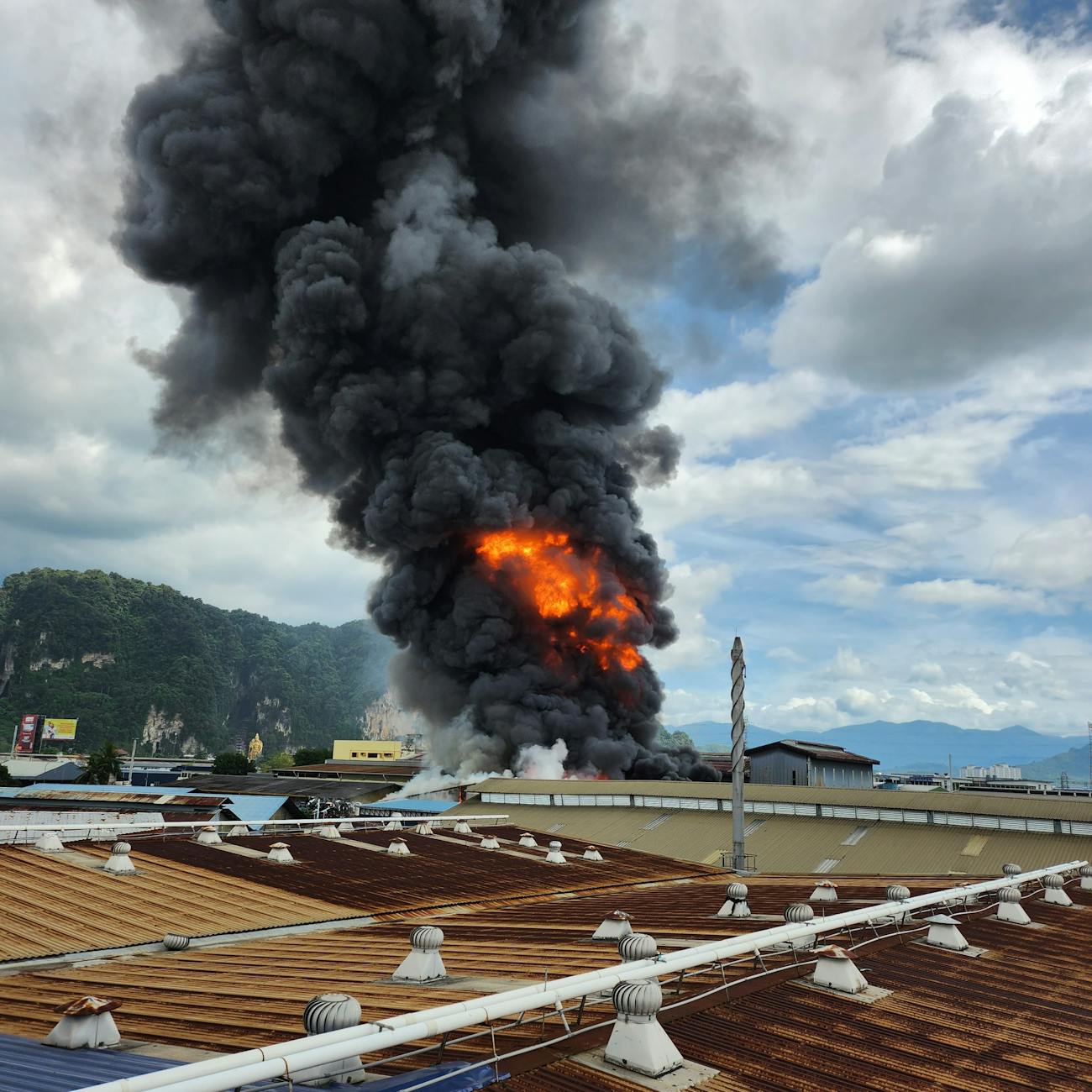
Occupational health hazards refer to physical, chemical, or biological agents in the workplace that can cause harm to workers. Control of these hazards is crucial to protect the health and safety of workers and ensure compliance with regulations. The Certificate in Industrial Occupational Hygiene covers key terms and vocabulary related to the control of occupational health hazards. Here are some of the most important terms and concepts:
1. Exposure Assessment: Exposure assessment is the process of evaluating the magnitude, frequency, and duration of exposure to a hazardous agent. This information is used to determine the potential health risks associated with the exposure and to develop appropriate control measures. 2. Hierarchy of Controls: The hierarchy of controls is a framework for selecting and implementing control measures based on their effectiveness in reducing exposure to hazards. The hierarchy includes elimination, substitution, engineering controls, administrative controls, and personal protective equipment (PPE). 3. Elimination: Elimination is the most effective control measure and involves removing the hazardous agent from the workplace or redesigning the work process to eliminate the need for exposure. 4. Substitution: Substitution involves replacing a hazardous agent with a less hazardous alternative. This can be an effective control measure when elimination is not feasible. 5. Engineering Controls: Engineering controls involve modifying the work environment to reduce exposure to hazards. Examples include ventilation systems, enclosures, and process isolation. 6. Administrative Controls: Administrative controls involve changing work practices or procedures to reduce exposure to hazards. Examples include training, work schedules, and rotation of workers. 7. Personal Protective Equipment (PPE): PPE involves the use of equipment or clothing to protect workers from hazards. Examples include respirators, gloves, and safety glasses. 8. Hazard Communication: Hazard communication is the process of providing information about hazardous agents in the workplace to workers and others who may be exposed. This includes the use of warning labels, safety data sheets, and training programs. 9. Industrial Hygiene: Industrial hygiene is the science and art of anticipating, recognizing, evaluating, and controlling workplace conditions that may cause workers' injury or illness. 10. Occupational Exposure Limits (OELs): OELs are legal or recommended limits on the amount or duration of exposure to a hazardous agent. OELs are based on the best available scientific evidence and are used to protect workers from adverse health effects. 11. Air Sampling: Air sampling is the process of collecting and analyzing air samples to measure the concentration of hazardous agents. This information is used to assess exposure and to develop appropriate control measures. 12. Noise Exposure: Noise exposure is the exposure to high levels of sound that can cause hearing loss or other adverse health effects. Control measures include engineering controls, administrative controls, and hearing protection. 13. Ergonomics: Ergonomics is the study of the interaction between workers and their work environment. The goal of ergonomics is to design work processes, equipment, and environments that fit the capabilities and limitations of workers to reduce the risk of injury and illness. 14. Confined Spaces: Confined spaces are areas that are large enough for a worker to enter but have limited means of entry or exit, are not designed for continuous occupancy, and may have hazardous atmospheres or other hazards. Control measures include atmospheric testing, ventilation, and rescue procedures. 15. Personal Air Monitoring: Personal air monitoring is the process of collecting and analyzing air samples in the breathing zone of a worker to measure the concentration of hazardous agents. This information is used to assess exposure and to develop appropriate control measures. 16. Respiratory Protection: Respiratory protection involves the use of equipment or devices to protect workers from inhaling hazardous agents. Examples include respirators, hoods, and face masks. 17. Chemical Hazards: Chemical hazards are substances that can cause harm to workers through exposure to skin, eyes, or respiratory system. Control measures include substitution, ventilation, and PPE. 18. Biological Hazards: Biological hazards are organisms or agents that can cause harm to workers through exposure to air, water, or surfaces. Examples include bacteria, viruses, and fungi. Control measures include hygiene practices, vaccinations, and PPE. 19. Physical Hazards: Physical hazards are conditions in the workplace that can cause harm to workers through exposure to noise, vibration, radiation, or temperature. Control measures include engineering controls, administrative controls, and PPE. 20. Hazard Identification: Hazard identification is the process of recognizing and evaluating hazards in the workplace. This includes conducting walkthrough surveys, reviewing incident reports, and analyzing exposure data.
Examples and practical applications:
* An example of elimination as a control measure is removing asbestos-containing materials from a building during renovation or demolition. * An example of substitution is replacing a solvent with a less hazardous alternative in a cleaning process. * An example of engineering controls is installing a ventilation system to reduce exposure to welding fumes. * An example of administrative controls is implementing a training program on proper lifting techniques to reduce the risk of back injuries. * An example of PPE is providing workers with respirators when painting in a confined space. * An example of hazard communication is providing workers with safety data sheets on hazardous chemicals used in the workplace. * An example of air sampling is collecting air samples in a laboratory to measure the concentration of a hazardous chemical. * An example of noise exposure control is implementing a hearing conservation program that includes regular hearing tests and the use of hearing protection. * An example of ergonomics is designing a workstation to fit the capabilities and limitations of a worker to reduce the risk of repetitive strain injuries. * An example of confined space control measures is testing the atmosphere for oxygen levels and hazardous gases before entering a confined space. * An example of personal air monitoring is collecting air samples in the breathing zone of a worker during a painting operation to measure the concentration of solvent vapors. * An example of respiratory protection is providing workers with half-mask respirators when sanding or grinding materials that produce dust. * An example of chemical hazard control is substituting a less hazardous solvent for a more hazardous one in a cleaning process. * An example of biological hazard control is implementing hygiene practices such as hand washing and wearing gloves when handling laboratory specimens. * An example of physical hazard control is implementing engineering controls such as vibration isolation to reduce exposure to hand-arm vibration syndrome. * An example of hazard identification is conducting a walkthrough survey of a construction site to identify potential hazards and implementing appropriate control measures.
Challenges:
* Identifying all hazardous agents in the workplace can be challenging, particularly when new processes or materials are introduced. * Implementing effective control measures can be costly and may require significant changes to work processes or equipment. * Ensuring compliance with regulations and standards can be time-consuming and may require ongoing monitoring and documentation. * Communicating hazard information to workers and ensuring understanding and compliance can be challenging, particularly in workplaces with high turnover or multiple languages. * Continuously monitoring and evaluating control measures to ensure effectiveness can be challenging and may require ongoing training and resources.
In summary, occupational health hazards can cause harm to workers and impact their health and well-being. Control measures such as elimination, substitution, engineering controls, administrative controls, and PPE are essential to protect workers and ensure compliance with regulations and standards. Understanding key terms and vocabulary related to the control of occupational health hazards is crucial for those in the field of industrial occupational hygiene. Regular hazard identification, evaluation, and control measure implementation are essential to ensure a safe and healthy workplace.
Key takeaways
- The Certificate in Industrial Occupational Hygiene covers key terms and vocabulary related to the control of occupational health hazards.
- Confined Spaces: Confined spaces are areas that are large enough for a worker to enter but have limited means of entry or exit, are not designed for continuous occupancy, and may have hazardous atmospheres or other hazards.
- * An example of personal air monitoring is collecting air samples in the breathing zone of a worker during a painting operation to measure the concentration of solvent vapors.
- * Communicating hazard information to workers and ensuring understanding and compliance can be challenging, particularly in workplaces with high turnover or multiple languages.
- Control measures such as elimination, substitution, engineering controls, administrative controls, and PPE are essential to protect workers and ensure compliance with regulations and standards.