
Mechanical Components of Gym Machines
Key terms and vocabulary for mechanical components of gym machines are essential for understanding the inner workings and maintenance of these devices. A gym machine typically consists of various mechanical components, including frames, axl…
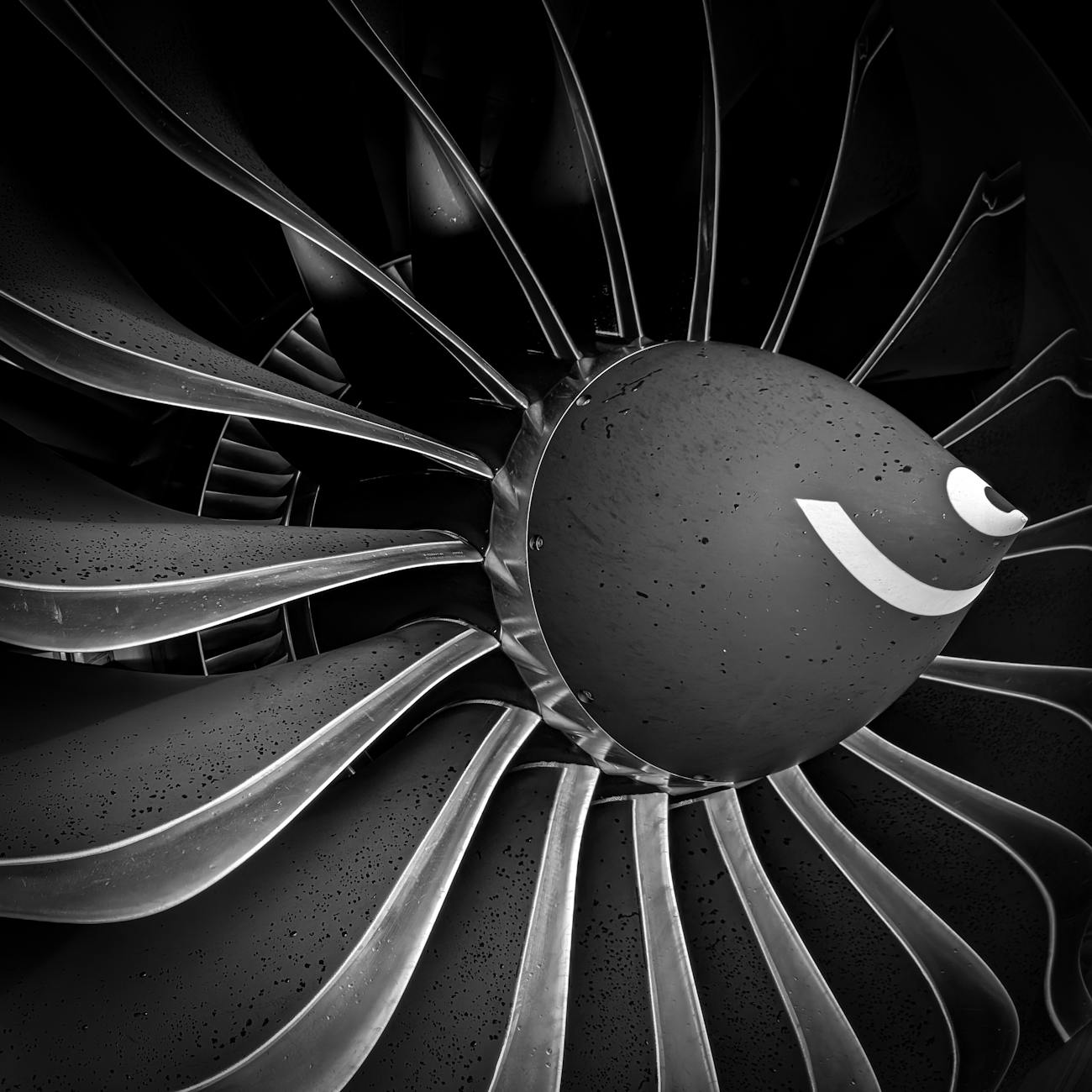
Key terms and vocabulary for mechanical components of gym machines are essential for understanding the inner workings and maintenance of these devices. A gym machine typically consists of various mechanical components, including frames, axles, gears, and bearings. The frame of a gym machine provides the structural support and base for the other components, while the axles and gears work together to transmit forces and motions. Bearings play a crucial role in reducing friction between moving parts, allowing for smooth and efficient operation.
In the context of gym machines, mechanical components are designed to withstand heavy use and stress. For example, a leg press machine uses a combination of levers and hydraulics to enable users to perform exercises that target specific muscle groups. The machine's frame is typically made of steel or other durable materials, while the moving parts are often constructed from aluminum or other lightweight metals.
One of the most critical components of a gym machine is the gear system. Gears are used to change the speed or direction of motion, and they are commonly found in machines such as treadmills and stationary bicycles. The gearbox is the housing that contains the gears, and it is typically sealed to prevent dust and moisture from entering. Regular maintenance of the gearbox is essential to ensure that the gears remain properly lubricated and aligned.
Another essential component of gym machines is the bearing system. Bearings are used to reduce friction between moving parts, and they are commonly found in machines such as elliptical trainers and rowing machines. There are several types of bearings, including ball bearings and roller bearings, each with its unique characteristics and applications. For example, ball bearings are often used in high-speed applications, while roller bearings are better suited for heavy-load applications.
In addition to gears and bearings, gym machines also rely on hydraulic systems to operate. Hydraulics are used to transmit forces and motions, and they are commonly found in machines such as leg press and chest press machines. The hydraulic system consists of a pump, valves, and cylinders, which work together to generate the necessary force and motion. Regular maintenance of the hydraulic system is essential to ensure that the machine operates safely and efficiently.
The electrical system is another critical component of modern gym machines. Many machines, such as treadmills and stationary bicycles, rely on electric motors to operate. The electrical system consists of a motor, control panel, and wiring, which work together to regulate the machine's speed and function. Regular maintenance of the electrical system is essential to ensure that the machine operates safely and efficiently.
Gym machines also rely on sensors and control systems to operate. Sensors are used to monitor the machine's performance and detect any anomalies, while the control system regulates the machine's speed and function. For example, a treadmill may use speed sensors to monitor the user's pace and adjust the machine's speed accordingly. The control system may also include emergency stop buttons and alarm systems to ensure user safety.
Regular maintenance of gym machines is essential to ensure that they operate safely and efficiently. This includes cleaning and lubricating the moving parts, as well as checking the tightness of bolts and screws. It is also essential to perform regular inspections to detect any wear or damage to the machine's components. For example, a gym machine's frame may be inspected for any signs of rust or corrosion, while the bearings may be checked for any signs of wear or misalignment.
In addition to regular maintenance, gym machines may also require repairs and replacements of worn or damaged components. For example, a treadmill's belt may need to be replaced if it becomes worn or damaged, while a stationary bicycle's chain may need to be replaced if it becomes stretched or worn. Regular maintenance and repairs can help extend the lifespan of a gym machine and ensure that it operates safely and efficiently.
The design and construction of gym machines are also critical factors in their maintenance and operation. For example, a machine's frame may be designed to withstand heavy use and stress, while the moving parts may be constructed from durable materials such as steel or aluminum. The machine's control system may also be designed to regulate the machine's speed and function, while the sensors may be used to monitor the machine's performance and detect any anomalies.
In terms of practical applications, gym machines are used in a variety of settings, including gyms, health clubs, and rehabilitation centers. For example, a treadmill may be used for cardiovascular exercise, while a stationary bicycle may be used for lower body exercise. A leg press machine may be used for strength training, while a chest press machine may be used for upper body exercise.
The challenges of maintaining and operating gym machines are numerous. For example, the machines may be subject to heavy use and stress, which can lead to wear and damage to the components. The machines may also be complex and difficult to repair, which can require specialized tools and expertise. Additionally, the machines may be electrical and require regular safety inspections to ensure that they operate safely and efficiently.
In terms of examples, a gym machine such as a treadmill may be used to demonstrate the importance of regular maintenance and repairs. For example, the treadmill's belt may need to be replaced if it becomes worn or damaged, while the deck may need to be lubricated to ensure smooth and efficient operation. The treadmill's control system may also be used to regulate the machine's speed and function, while the sensors may be used to monitor the machine's performance and detect any anomalies.
The importance of maintaining and operating gym machines cannot be overstated. This can help prevent injuries and accidents, while also ensuring that the machine provides a safe and effective workout. Additionally, regular maintenance and repairs can help reduce the cost of ownership and ensure that the machine remains in good working condition.
The future of gym machines is likely to be shaped by advances in technology and design. For example, gym machines may become more computerized and automated, with features such as touch screens and internet connectivity. The machines may also become more specialized and targeted, with features such as heart rate monitoring and muscle stimulation. Additionally, the machines may become more portable and compact, with features such as folding frames and collapsible components.
In terms of applications, gym machines are used in a variety of settings, including gyms, health clubs, and rehabilitation centers. The machines may also be used for rehabilitation and physical therapy, with features such as adjustable resistance and progressive overload.
The benefits of using gym machines are numerous. For example, the machines can provide a safe and effective workout, with features such as adjustable resistance and progressive overload. The machines can also help improve cardiovascular health and increase strength and flexibility. Additionally, the machines can be used for rehabilitation and physical therapy, with features such as low impact and gentle motion.
In terms of challenges, the maintenance and operation of gym machines can be complex and difficult. The machines may also be electrical and require regular safety inspections to ensure that they operate safely and efficiently. Additionally, the machines may require specialized tools and expertise to repair and maintain, which can be time-consuming and costly.
The importance of regular maintenance and repairs cannot be overstated.
In terms of best practices, gym machines should be regularly inspected and maintained to ensure that they operate safely and efficiently. The machines should also be tested regularly to ensure that they are functioning properly, and any worn or damaged components should be replaced promptly.
The role of gym machines in fitness and rehabilitation is critical. The machines can provide a safe and effective workout, with features such as adjustable resistance and progressive overload.
For example, the treadmill's belt may need to be replaced if it becomes worn or damaged, while the deck may need to be lubricated to ensure smooth and efficient operation.
Key takeaways
- The frame of a gym machine provides the structural support and base for the other components, while the axles and gears work together to transmit forces and motions.
- The machine's frame is typically made of steel or other durable materials, while the moving parts are often constructed from aluminum or other lightweight metals.
- Gears are used to change the speed or direction of motion, and they are commonly found in machines such as treadmills and stationary bicycles.
- Bearings are used to reduce friction between moving parts, and they are commonly found in machines such as elliptical trainers and rowing machines.
- The hydraulic system consists of a pump, valves, and cylinders, which work together to generate the necessary force and motion.
- The electrical system consists of a motor, control panel, and wiring, which work together to regulate the machine's speed and function.
- Sensors are used to monitor the machine's performance and detect any anomalies, while the control system regulates the machine's speed and function.