
Social and Emotional Development
Social and Emotional Development refers to the growth and expansion of a child's ability to understand, express, and manage their emotions, as well as to establish and maintain positive relationships with others. This area of development is…
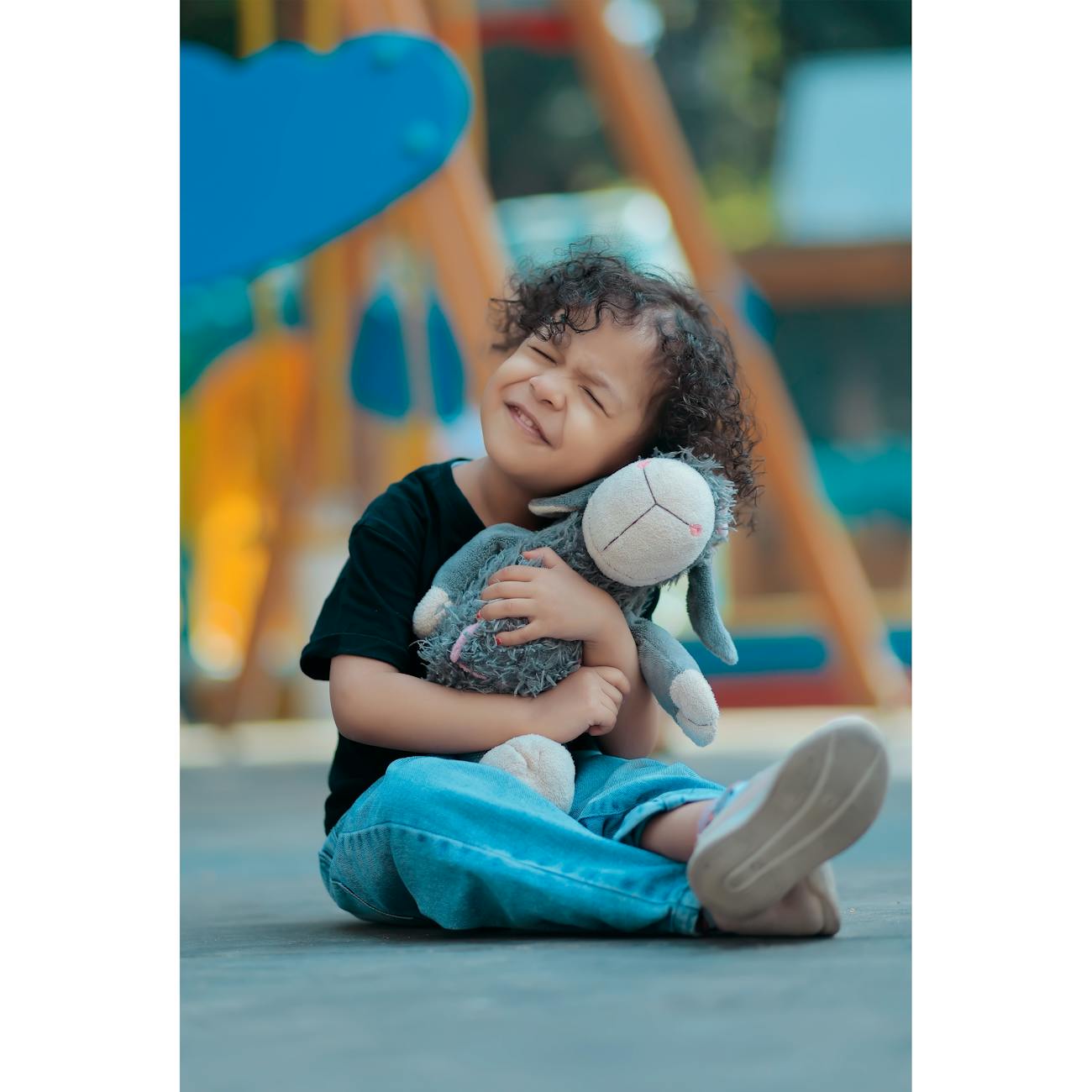
Social and Emotional Development refers to the growth and expansion of a child's ability to understand, express, and manage their emotions, as well as to establish and maintain positive relationships with others. This area of development is crucial for a child's overall well-being, academic success, and future relationships. In this explanation, we will discuss the key terms and vocabulary related to social and emotional development in the context of the Postgraduate Certificate in Advanced Child Development Studies.
1. Emotional Intelligence: Emotional intelligence is the ability to recognize, understand, and manage one's emotions, as well as to respond appropriately to the emotions of others. This concept includes four key elements: self-awareness, self-management, social awareness, and relationship management.
Example: A child with high emotional intelligence may be able to recognize when they are feeling anxious and take steps to calm themselves down. They may also be able to understand how their behavior affects others and adjust their actions accordingly.
Practical application: Emotional intelligence can be developed and improved through various activities, such as role-playing, journaling, and mindfulness practices.
Challenge: Encouraging children to identify and express their emotions can be challenging, as they may not have the language or understanding to do so.
2. Self-Regulation: Self-regulation refers to a child's ability to manage their thoughts, feelings, and behaviors in a socially appropriate manner. This includes the ability to control impulses, delay gratification, and regulate emotions.
Example: A child with strong self-regulation skills may be able to wait their turn in a game, even if they are feeling impatient.
Practical application: Self-regulation can be supported and strengthened through routines, consistent expectations, and opportunities for practice.
Challenge: Children with developmental delays or disabilities may have difficulty with self-regulation, and may require additional support and strategies.
3. Empathy: Empathy is the ability to understand and share the feelings of another person. This involves recognizing and responding to the emotional state of others, and taking their perspective into account.
Example: A child who sees a friend crying may ask what is wrong and offer a hug or words of comfort.
Practical application: Empathy can be fostered through discussions about feelings, role-playing, and opportunities for children to help others.
Challenge: Children with autism spectrum disorder may have difficulty with empathy, as they may struggle to understand and interpret the emotions of others.
4. Attachment: Attachment refers to the emotional bond between a child and their caregiver. This bond is formed through consistent, responsive, and nurturing interactions, and provides a sense of security and safety for the child.
Example: A child who is securely attached to their caregiver may be more confident and independent, as they know they can rely on their caregiver for support and comfort.
Practical application: Attachment can be supported through consistent and predictable routines, responsive caregiving, and positive interactions.
Challenge: Children who have experienced trauma or neglect may have difficulty forming attachments, and may require additional support and intervention.
5. Social Skills: Social skills refer to the abilities and behaviors that are necessary for effective communication and interaction with others. This includes skills such as active listening, turn-taking, and assertiveness.
Example: A child with strong social skills may be able to initiate and maintain conversations with others, and may be able to resolve conflicts in a peaceful and respectful manner.
Practical application: Social skills can be developed through role-playing, group activities, and discussions about social norms and expectations.
Challenge: Children with social anxiety or other mental health challenges may have difficulty with social skills, and may require additional support and accommodations.
6. Emotional Regulation: Emotional regulation refers to a child's ability to manage and respond to their emotions in a healthy and adaptive manner. This includes the ability to recognize and express emotions, as well as to use strategies to cope with challenging emotional states.
Example: A child who is able to regulate their emotions may be able to calm down after a frustrating experience, and may be able to express their feelings in a constructive and respectful manner.
Practical application: Emotional regulation can be supported through mindfulness practices, relaxation techniques, and discussions about feelings.
Challenge: Children with mood disorders or other mental health challenges may have difficulty with emotional regulation, and may require additional support and intervention.
7. Identity: Identity refers to a child's sense of self, including their values, beliefs, and goals. This includes their sense of belonging and connection to their family, community, and culture.
Example: A child with a strong sense of identity may be able to make decisions that align with their values and goals, and may feel confident and secure in their relationships with others.
Practical application: Identity can be supported through discussions about values, traditions, and cultural practices, as well as through opportunities for self-expression and exploration.
Challenge: Children who have experienced discrimination or marginalization may have difficulty with identity formation, and may require additional support and validation.
8. Resilience: Resilience refers to a child's ability to bounce back from adversity and challenge. This includes the ability to cope with stress, to learn from mistakes, and to maintain a positive outlook.
Example: A child with high resilience may be able to adapt to changes in their environment, such as moving to a new school or dealing with a family crisis, and may be able to maintain their sense of self and well-being.
Practical application: Resilience can be supported through positive relationships, consistent routines, and opportunities for problem-solving and decision-making.
Challenge: Children who have experienced trauma or chronic stress may have difficulty with resilience, and may require additional support and intervention.
In conclusion, social and emotional development is a critical area of child development that encompasses a range of skills and abilities related to emotional intelligence, self-regulation, empathy, attachment, social skills, emotional regulation, identity, and resilience. By understanding and supporting these areas of development, professionals in the field of child development can help children to build the foundations for healthy relationships, positive self-esteem, and overall well-being.
Key takeaways
- Social and Emotional Development refers to the growth and expansion of a child's ability to understand, express, and manage their emotions, as well as to establish and maintain positive relationships with others.
- Emotional Intelligence: Emotional intelligence is the ability to recognize, understand, and manage one's emotions, as well as to respond appropriately to the emotions of others.
- Example: A child with high emotional intelligence may be able to recognize when they are feeling anxious and take steps to calm themselves down.
- Practical application: Emotional intelligence can be developed and improved through various activities, such as role-playing, journaling, and mindfulness practices.
- Challenge: Encouraging children to identify and express their emotions can be challenging, as they may not have the language or understanding to do so.
- Self-Regulation: Self-regulation refers to a child's ability to manage their thoughts, feelings, and behaviors in a socially appropriate manner.
- Example: A child with strong self-regulation skills may be able to wait their turn in a game, even if they are feeling impatient.