
Introduction to Medical Equipment Management
Medical Equipment Management (MEM) is a critical field that ensures the safe and effective use of medical equipment in healthcare settings. This undergraduate certificate course introduces learners to key terms and vocabulary in MEM.
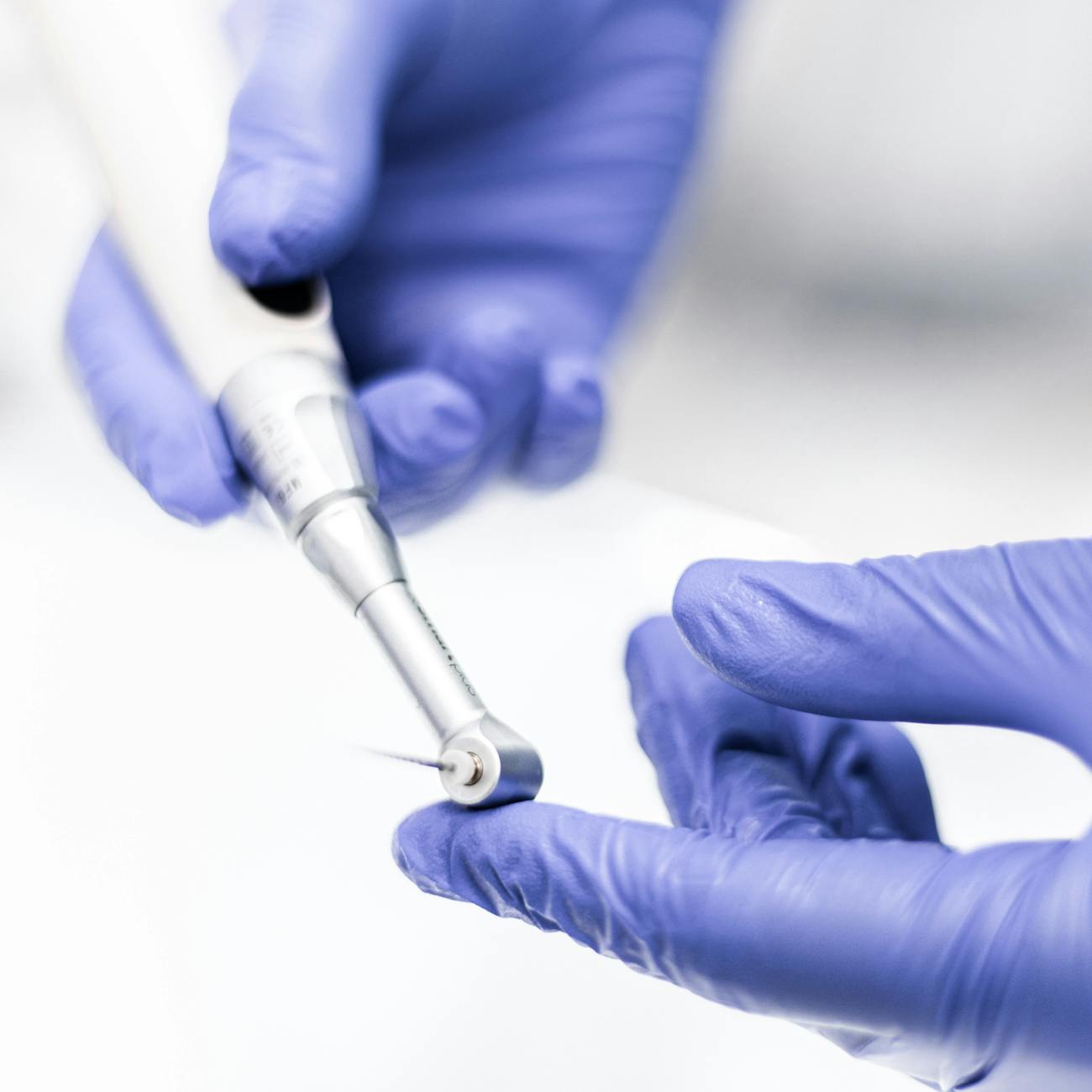
Medical Equipment Management (MEM) is a critical field that ensures the safe and effective use of medical equipment in healthcare settings. This undergraduate certificate course introduces learners to key terms and vocabulary in MEM.
1. Medical Equipment: Medical equipment includes any device, instrument, apparatus, implement, machine, appliance, implant, in vitro reagent, or contrivance, including any component, part, or accessory, which is intended for use in the diagnosis, prevention, or treatment of disease or impairment in humans. 2. Asset Management: Asset management is the process of managing the lifecycle of medical equipment, including acquisition, maintenance, utilization, and disposal. 3. Lifecycle Management: Lifecycle management is the systematic approach to managing the entire lifecycle of medical equipment, from acquisition to disposal. 4. Acquisition: Acquisition is the process of procuring medical equipment, including selection, justification, and purchasing. 5. Maintenance: Maintenance is the process of keeping medical equipment in good working order, including inspection, testing, repair, and replacement of parts. 6. Utilization: Utilization is the process of using medical equipment to provide patient care, including selecting the right equipment for the job, ensuring proper operation, and documenting usage. 7. Disposal: Disposal is the process of retiring medical equipment that is no longer needed or functional, including donation, sale, trade-in, or disposal as medical waste. 8. Regulatory Compliance: Regulatory compliance is the process of ensuring that medical equipment management practices comply with applicable laws, regulations, and standards. 9. Risk Management: Risk management is the process of identifying, assessing, and mitigating risks associated with medical equipment, including patient safety, equipment reliability, and financial risks. 10. Quality Management: Quality management is the process of ensuring that medical equipment management practices meet or exceed quality standards, including those related to patient care, safety, and satisfaction. 11. Inventory Management: Inventory management is the process of managing medical equipment inventory, including tracking and monitoring equipment locations, quantities, and conditions. 12. Preventive Maintenance: Preventive maintenance is the routine maintenance performed on medical equipment to prevent failures and maintain performance, including cleaning, calibration, and inspection. 13. Corrective Maintenance: Corrective maintenance is the maintenance performed on medical equipment to repair or restore it to proper functioning after a failure. 14. Medical Equipment Planning: Medical equipment planning is the process of determining the medical equipment needs for a healthcare facility, including selecting, specifying, and procuring equipment. 15. Equipment Life Expectancy: Equipment life expectancy is the expected length of time that medical equipment will remain functional and reliable, based on manufacturer specifications, historical data, and preventive maintenance practices. 16. Cost Containment: Cost containment is the process of managing medical equipment costs, including acquisition, maintenance, utilization, and disposal. 17. Total Cost of Ownership: Total cost of ownership is the sum of all costs associated with medical equipment over its entire lifecycle, including acquisition, maintenance, utilization, and disposal. 18. Medical Equipment Database: A medical equipment database is a centralized repository of medical equipment information, including descriptions, specifications, locations, and maintenance histories. 19. Equipment Standardization: Equipment standardization is the process of selecting and using a limited number of medical equipment models and types, to simplify maintenance, training, and inventory management. 20. Biomedical Engineering: Biomedical engineering is the application of engineering principles and techniques to medical equipment and systems, including design, development, testing, and maintenance.
Examples and Practical Applications:
* A hospital purchases a new X-ray machine for its radiology department. The acquisition process includes selecting the right machine based on the department's needs, justifying the purchase, and negotiating the best price. The lifecycle management process includes maintaining the machine, utilizing it for patient care, and eventually disposing of it when it is no longer functional. * A clinic has a medical equipment database that includes information about all of its equipment, including descriptions, specifications, locations, and maintenance histories. The database helps the clinic manage its inventory, perform preventive maintenance, and plan for equipment replacements. * A healthcare facility implements equipment standardization by selecting a limited number of medical equipment models and types, based on factors such as reliability, maintainability, and cost-effectiveness. Standardization simplifies maintenance, training, and inventory management, and can lead to cost savings over time. * A hospital contracts with a biomedical engineering firm to provide maintenance and repair services for its medical equipment. The biomedical engineers perform preventive maintenance, corrective maintenance, and troubleshooting, ensuring that the equipment remains functional and reliable.
Challenges:
* Keeping up with regulatory compliance can be challenging, as medical equipment regulations and standards are constantly changing. * Equipment standardization can be difficult to implement, as different departments and clinicians may have different preferences and requirements for medical equipment. * Cost containment can be challenging, as medical equipment can be expensive to acquire, maintain, and dispose of. * Managing medical equipment inventory can be complex, as equipment may be located in different areas of a healthcare facility, and may have different maintenance and usage requirements. * Preventive maintenance can be time-consuming and labor-intensive, but is critical for maintaining medical equipment performance and reliability.
Conclusion:
Medical Equipment Management is a complex and critical field that requires a deep understanding of medical equipment, regulatory compliance, risk management, quality management, inventory management, and cost containment. This undergraduate certificate course provides learners with an introduction to key terms and vocabulary in MEM, preparing them for further study and practice in this field. By mastering these concepts, learners can contribute to the safe and effective use of medical equipment in healthcare settings, improving patient care and outcomes.
Key takeaways
- Medical Equipment Management (MEM) is a critical field that ensures the safe and effective use of medical equipment in healthcare settings.
- Equipment Life Expectancy: Equipment life expectancy is the expected length of time that medical equipment will remain functional and reliable, based on manufacturer specifications, historical data, and preventive maintenance practices.
- * A healthcare facility implements equipment standardization by selecting a limited number of medical equipment models and types, based on factors such as reliability, maintainability, and cost-effectiveness.
- * Managing medical equipment inventory can be complex, as equipment may be located in different areas of a healthcare facility, and may have different maintenance and usage requirements.
- Medical Equipment Management is a complex and critical field that requires a deep understanding of medical equipment, regulatory compliance, risk management, quality management, inventory management, and cost containment.